Fall Drawing Sketches for Experts
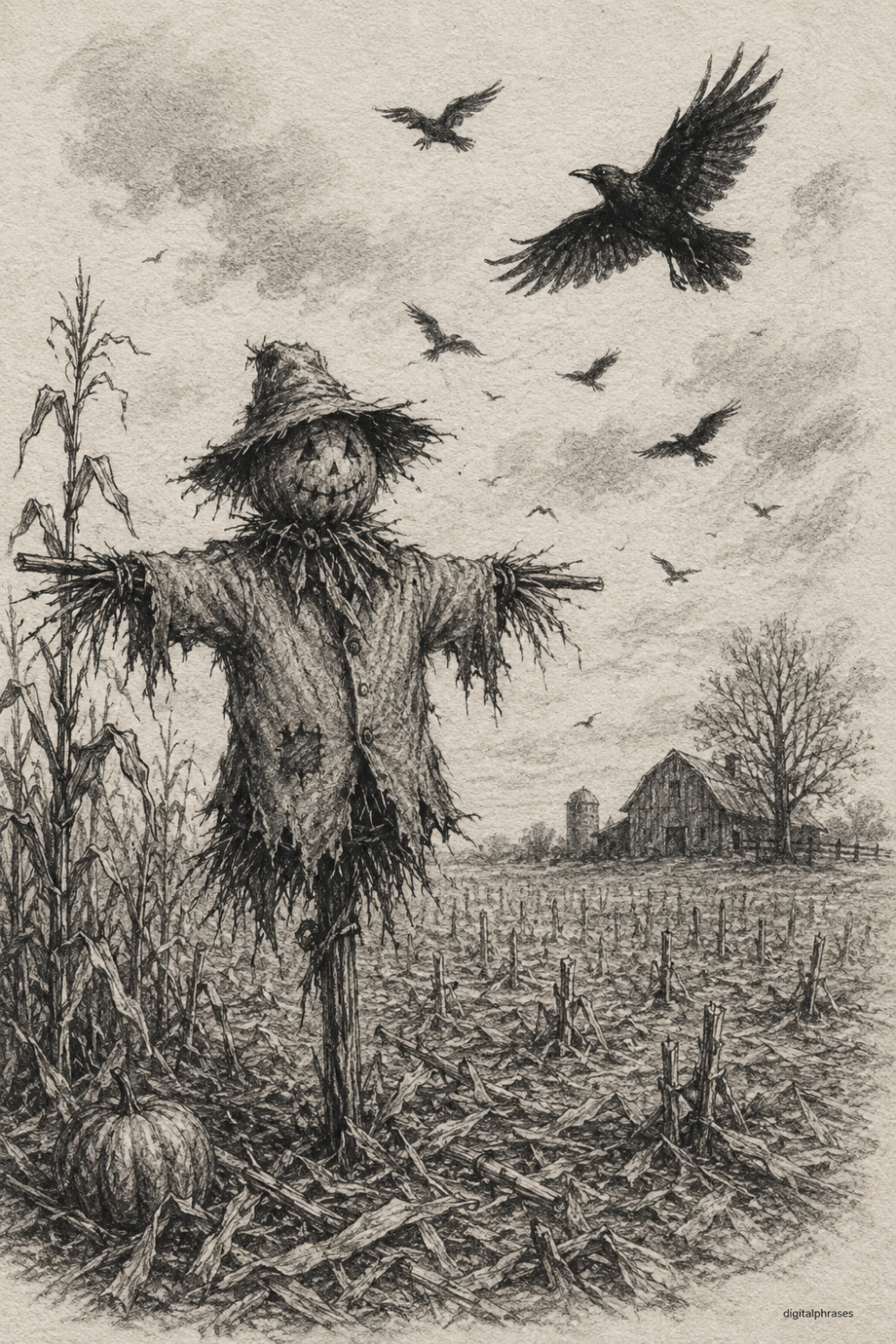
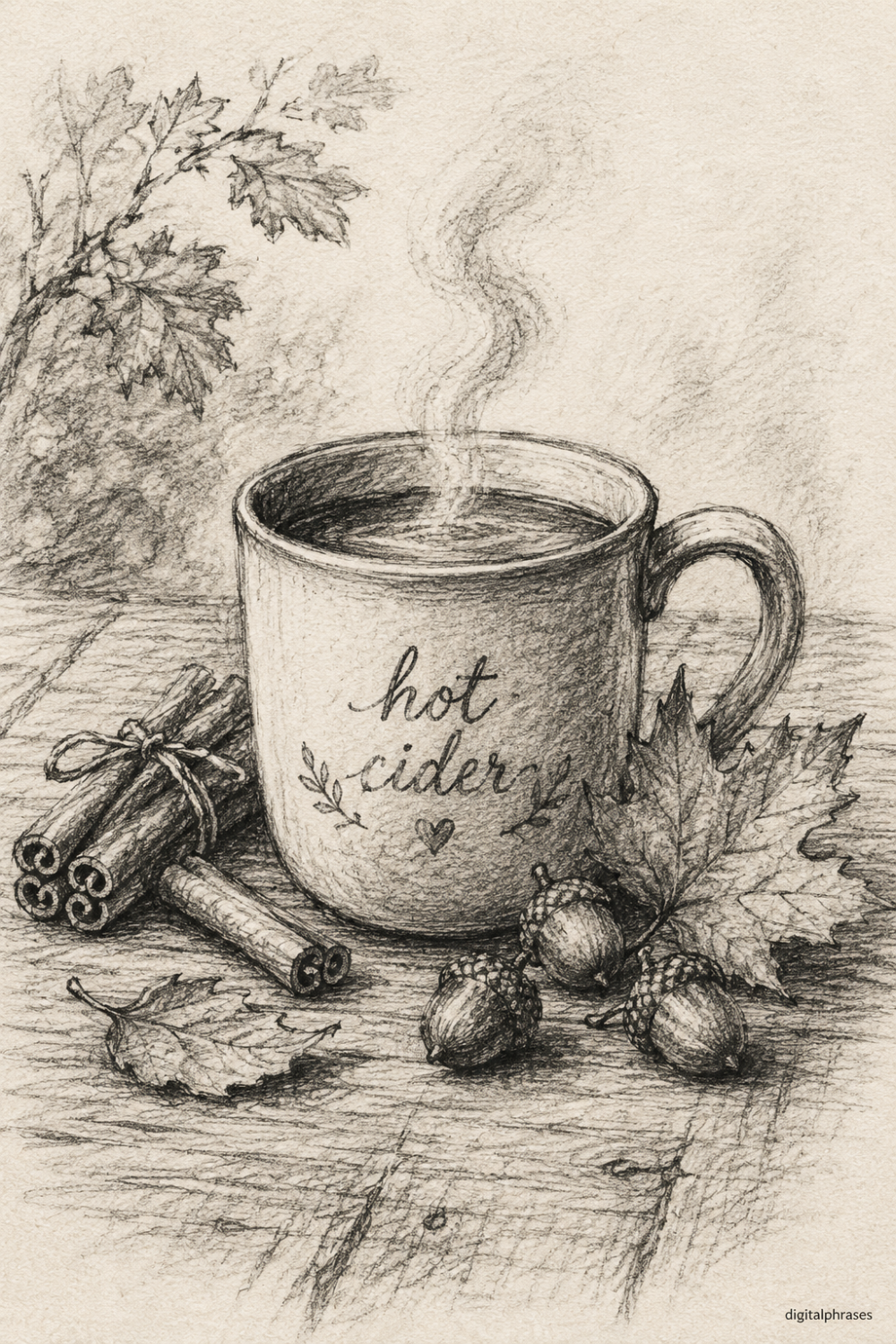
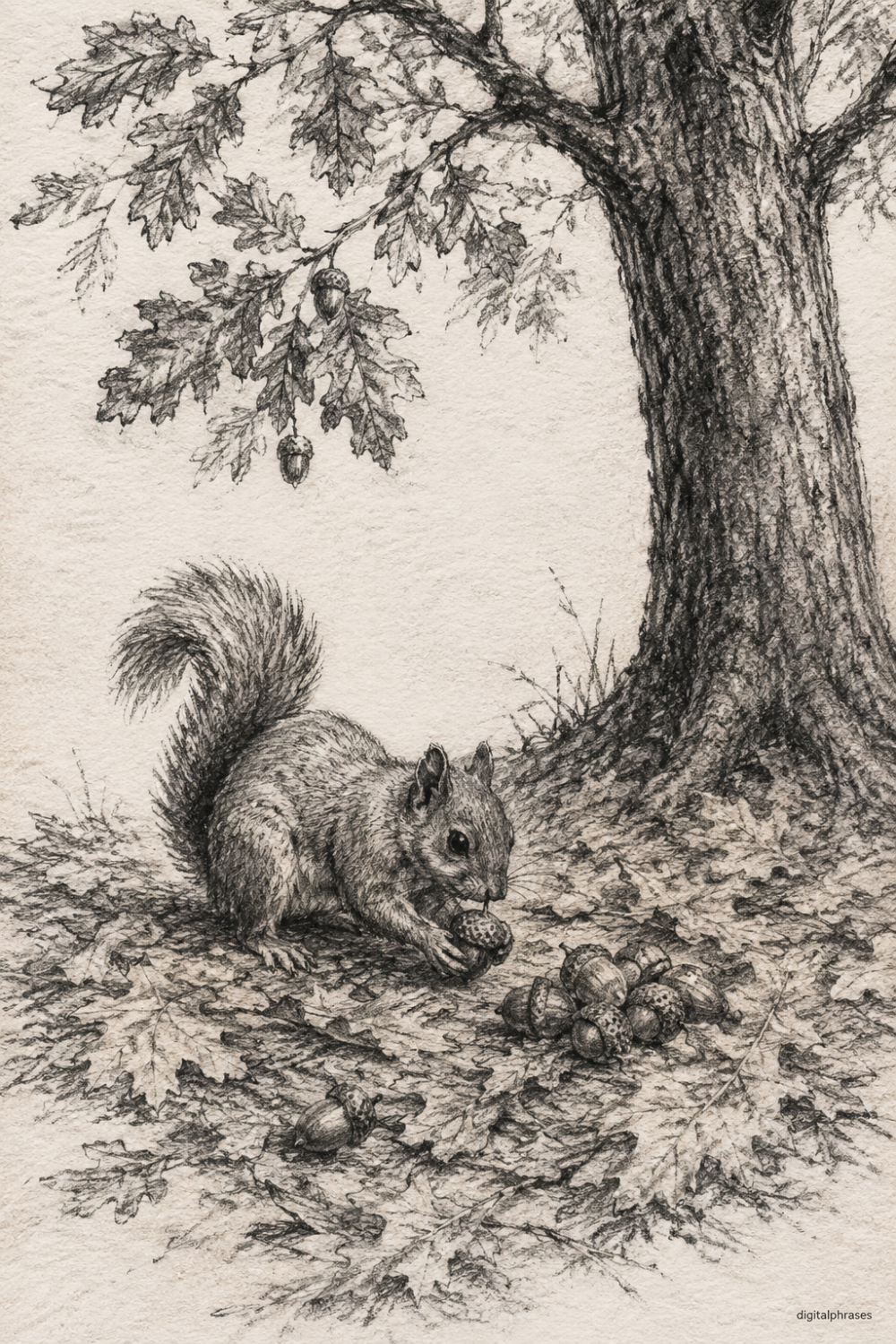
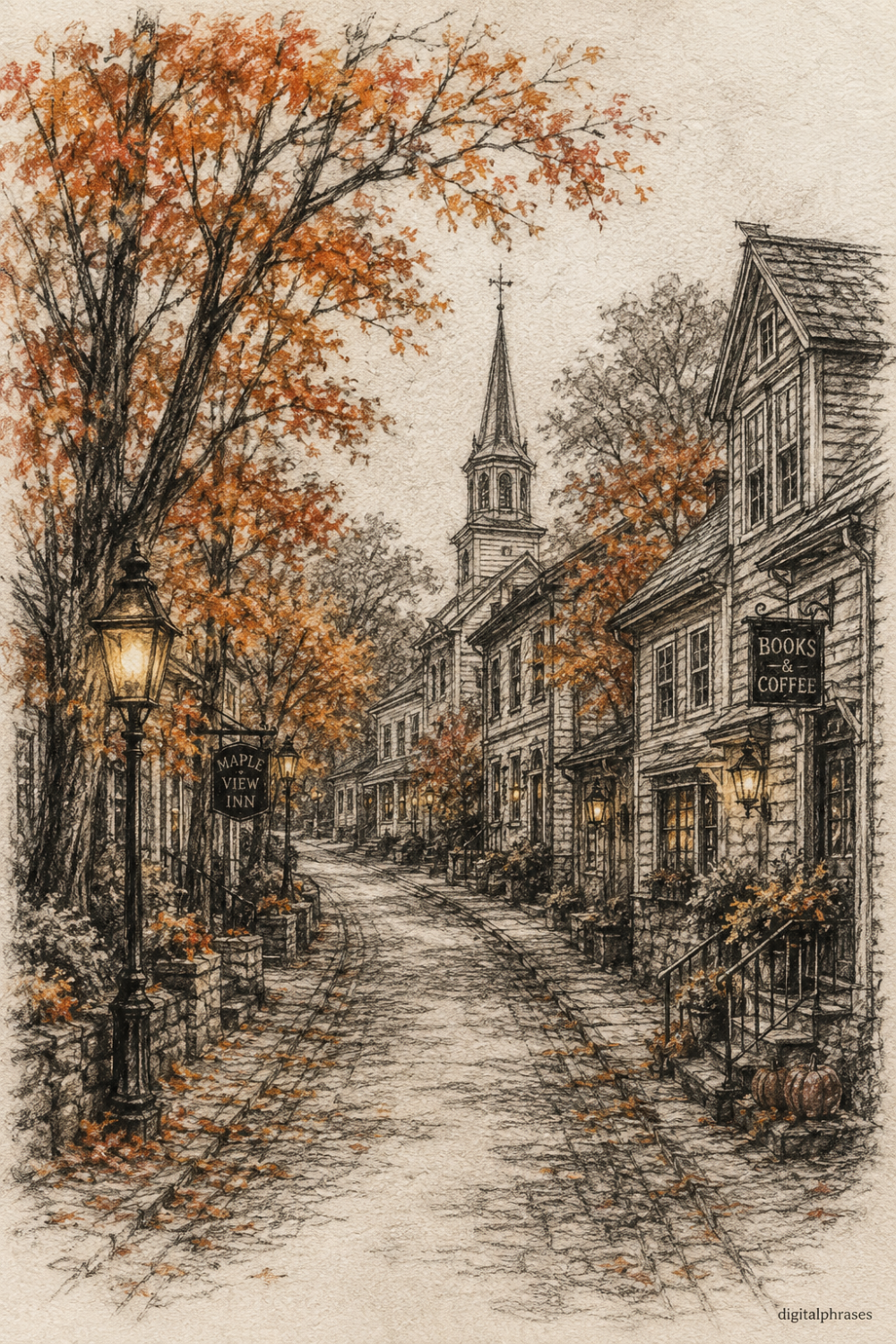
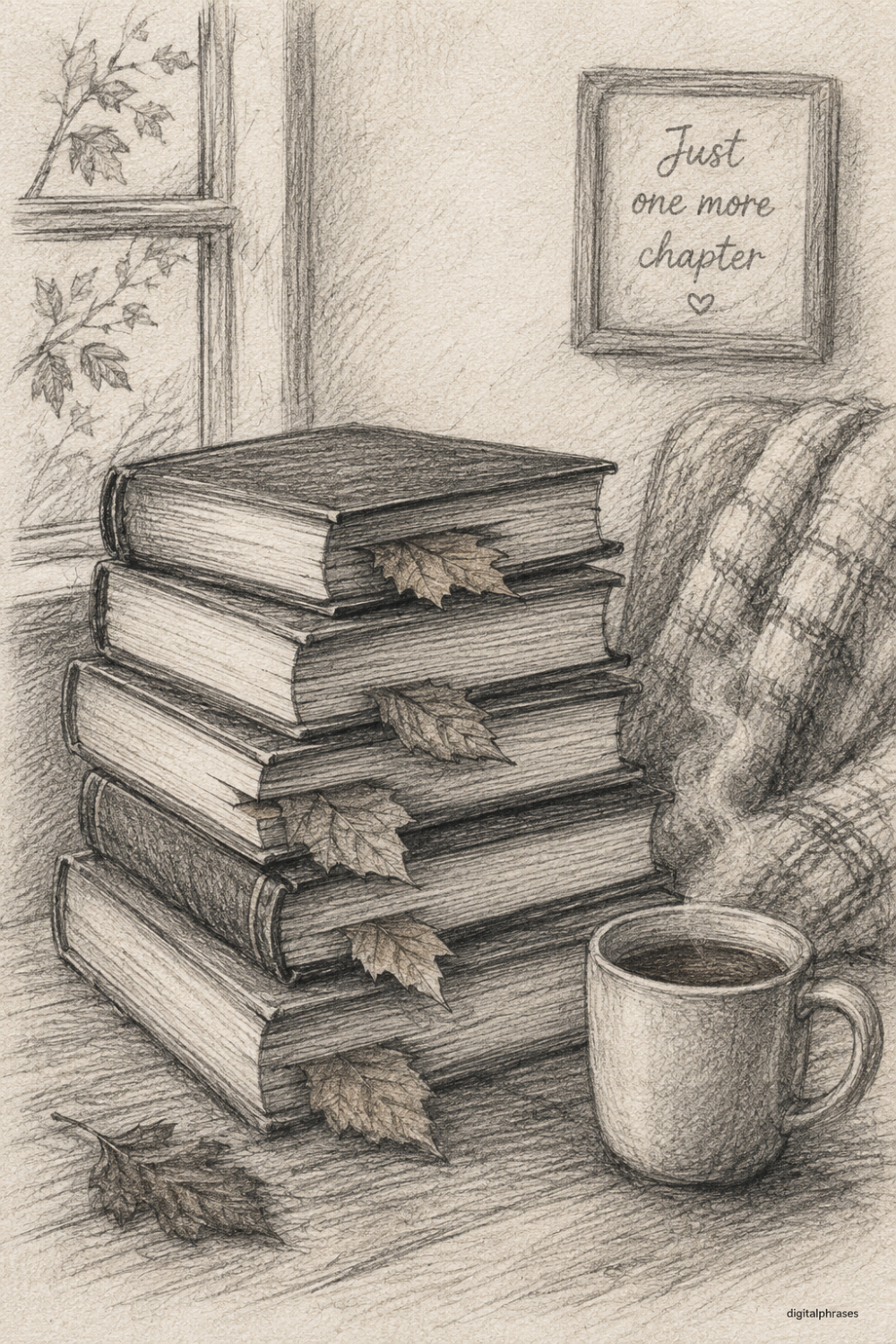
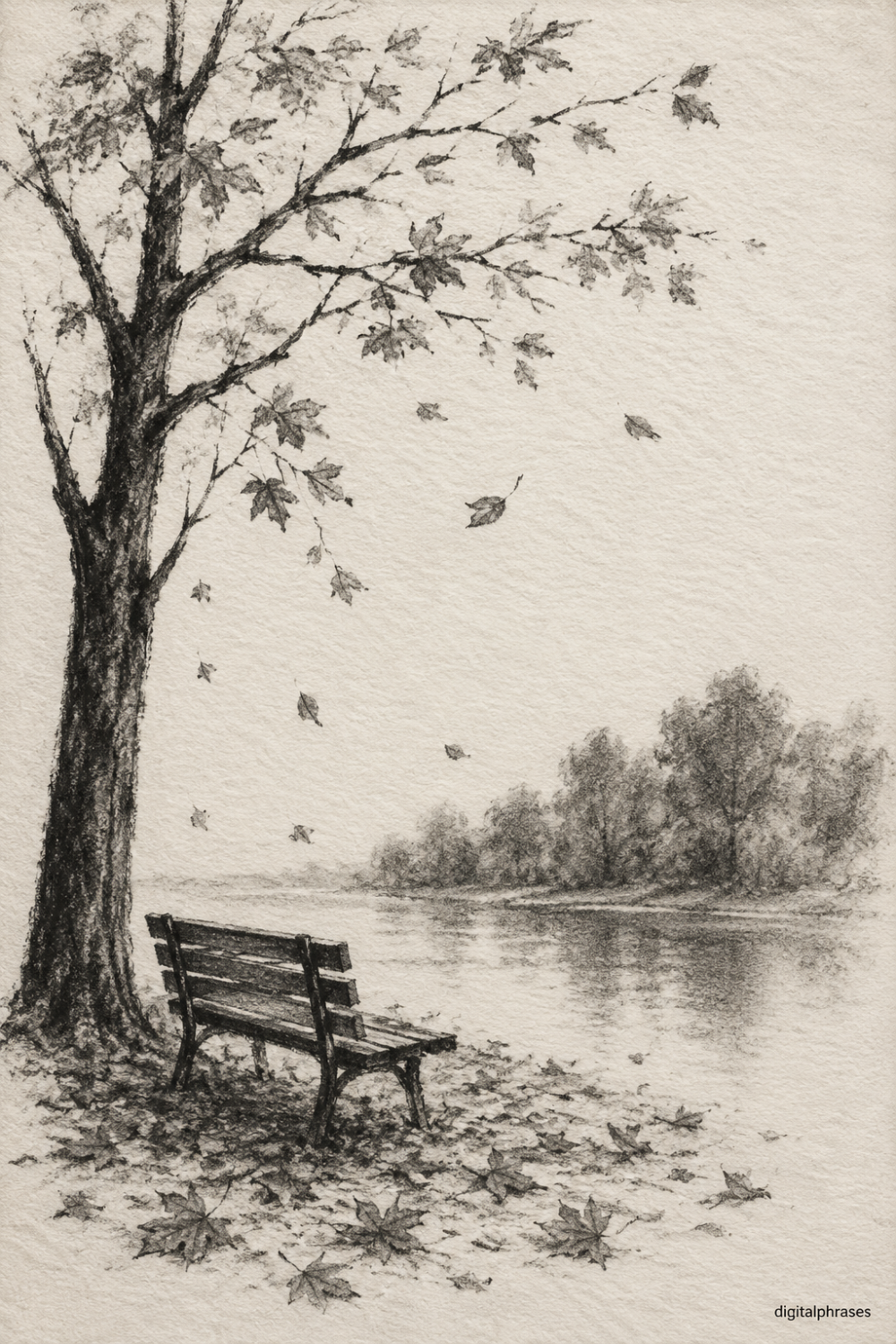
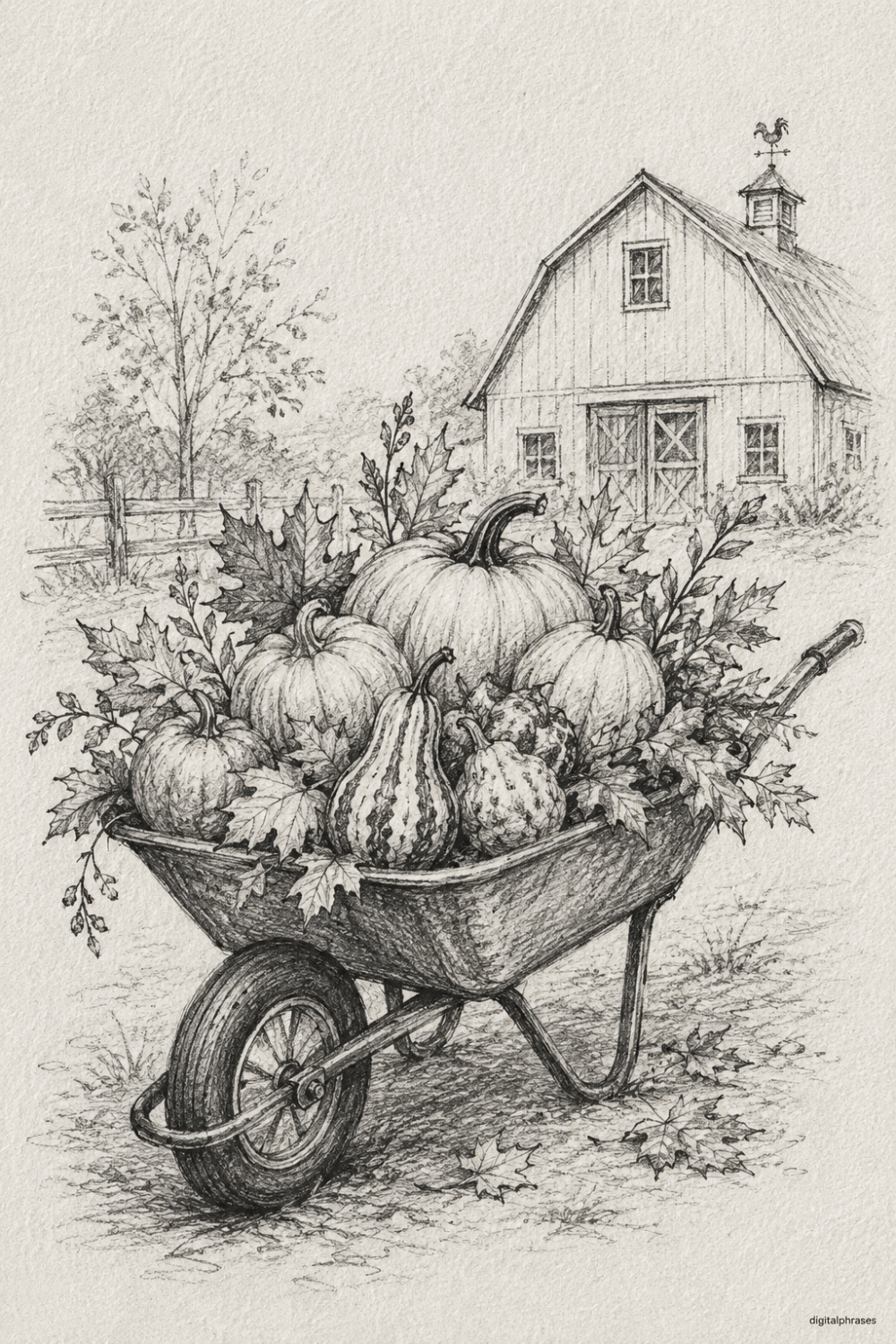
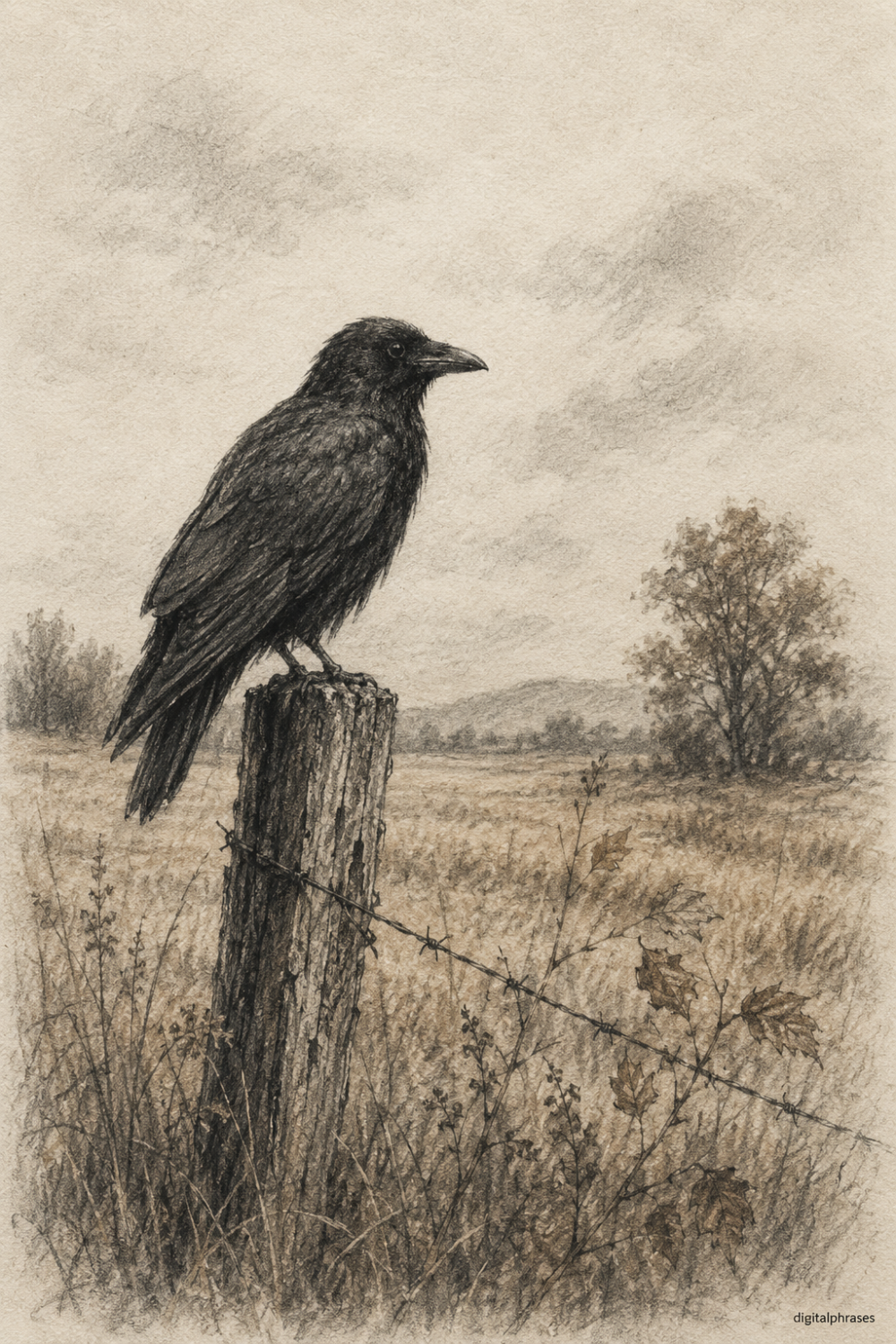
Fall is the perfect season to slow down, get creative, and enjoy the beauty of changing leaves, cozy days, and autumn colors. If you are an experienced artist searching for seasonal inspiration, these fall drawing ideas are fun, relaxing, and easy to try.
From pumpkins and acorns to woodland animals and fall landscapes, there’s something here for experts to enjoy. Grab your favorite drawing supplies and explore these creative fall drawing ideas.
Fall Drawing Sketches for Experts
1
2
3
4
5
6
7
8
9
10
11
12
13
14
15
16
17
18
19
20
21
22
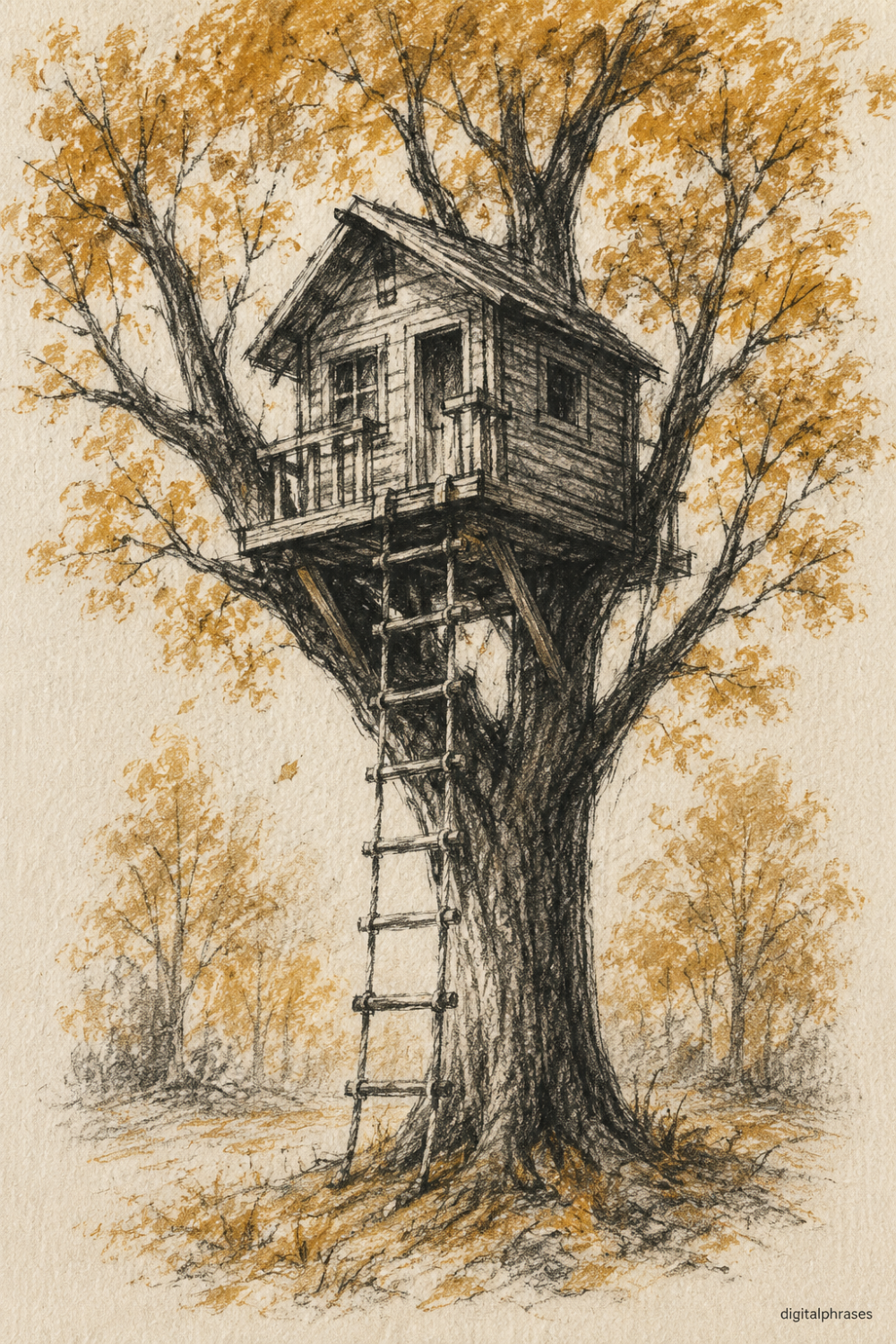
23
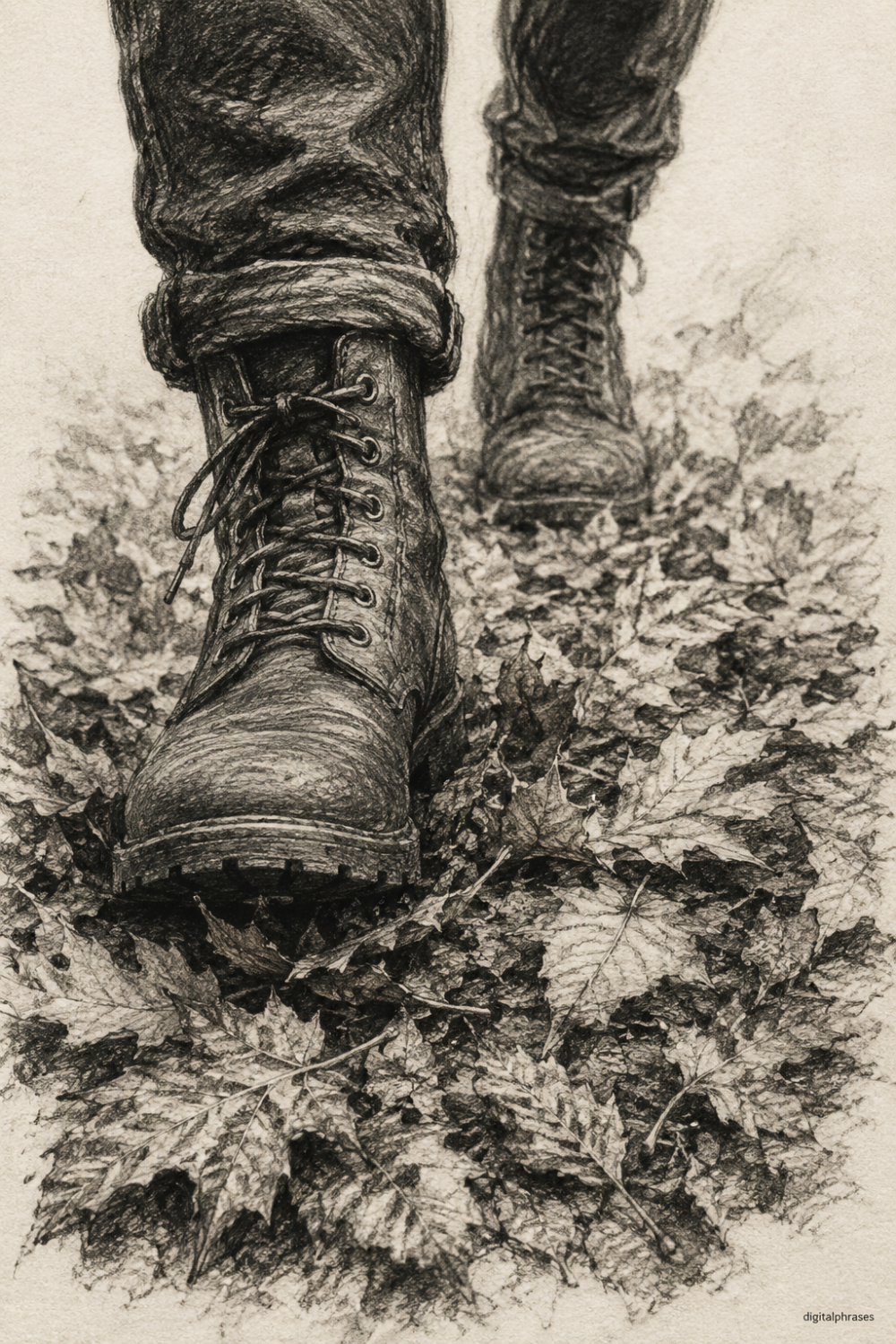
24
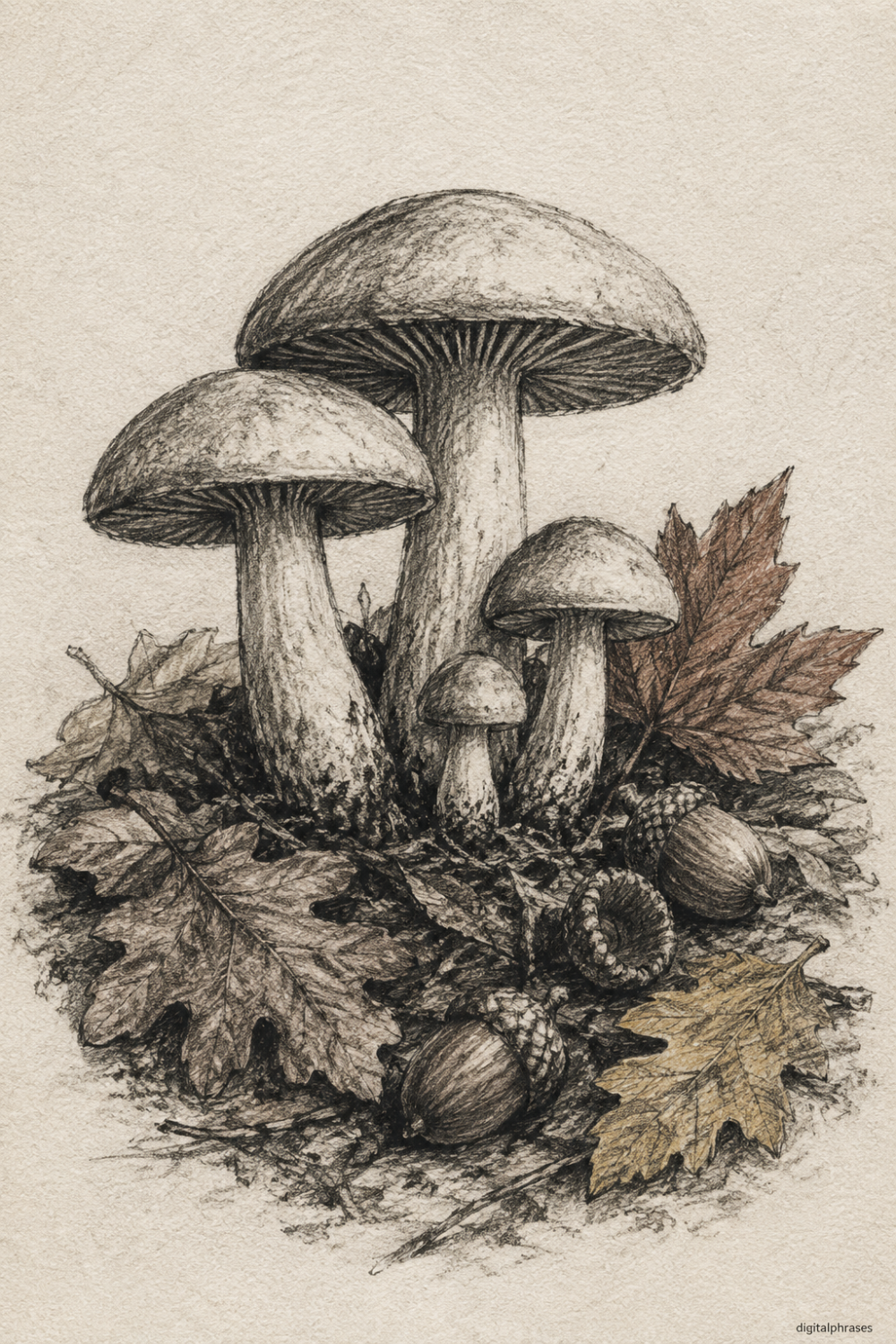
25
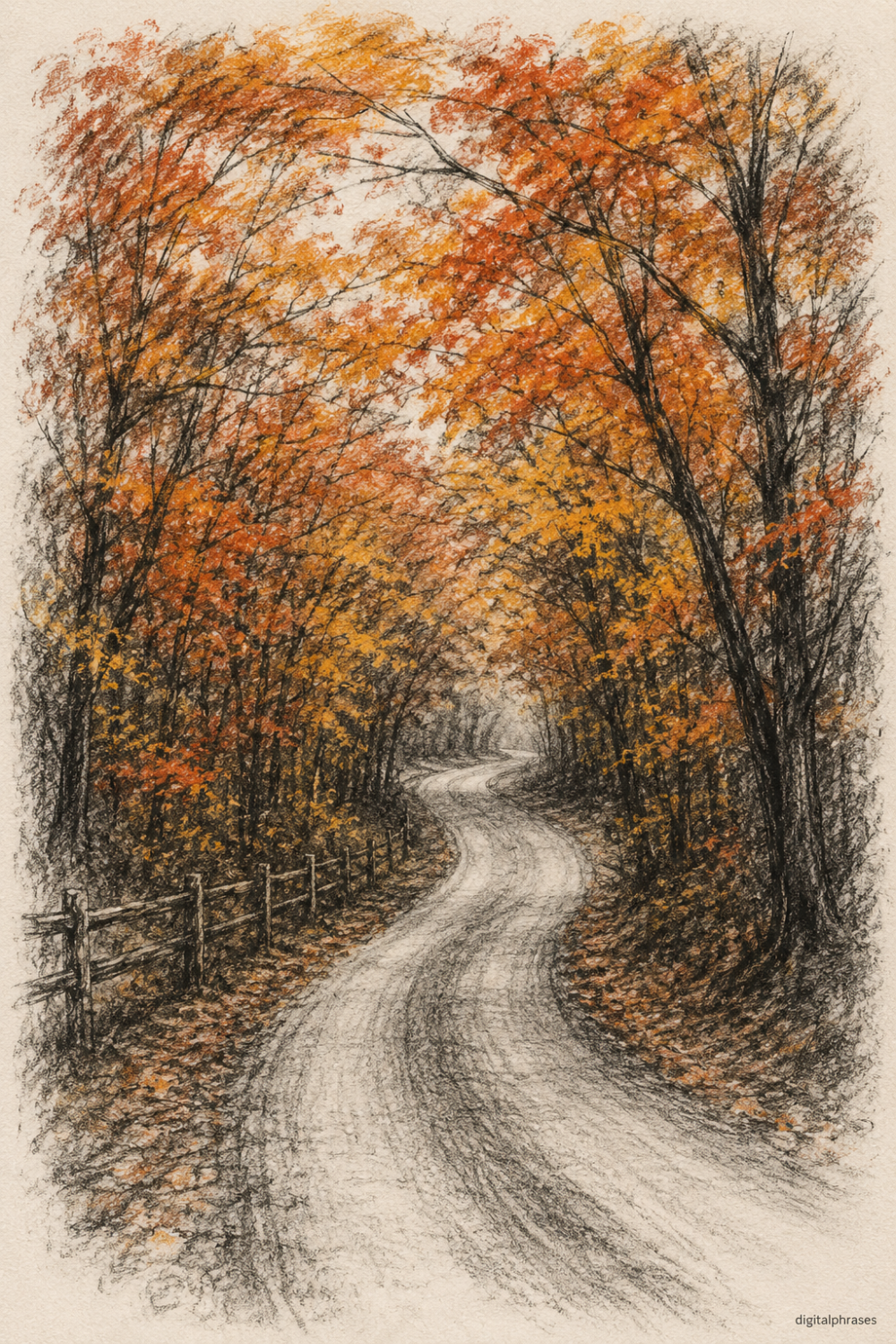
26
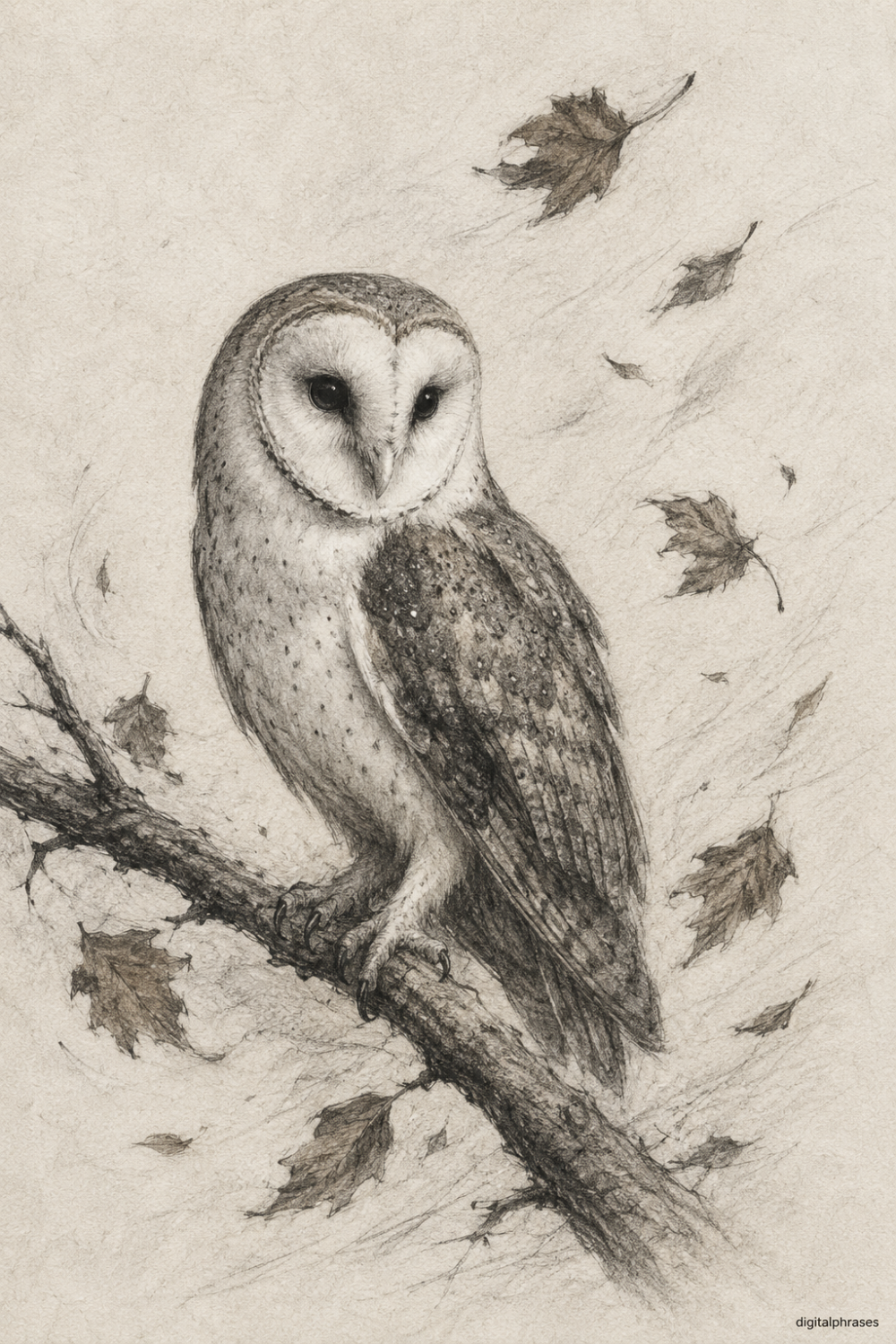
27
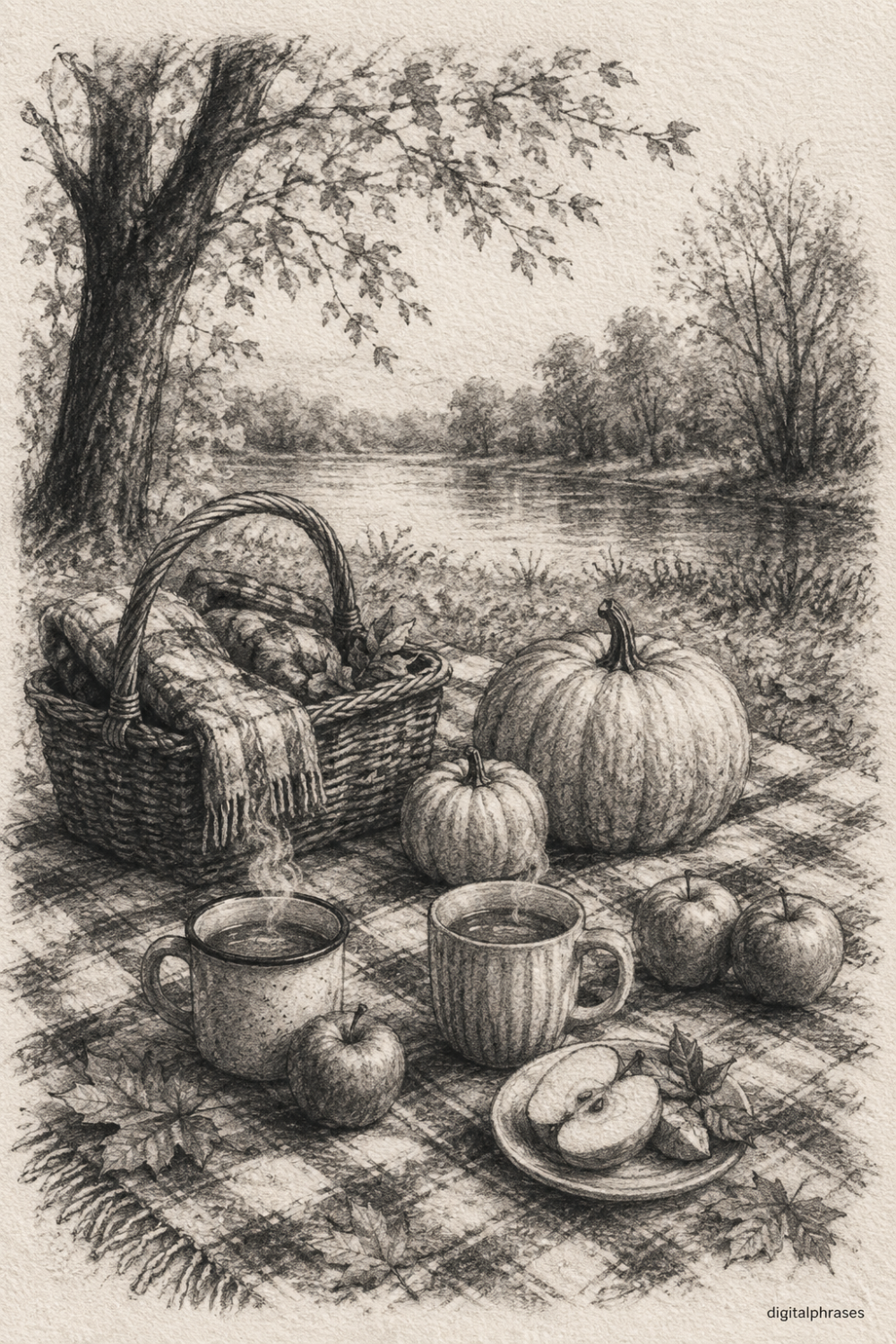
28
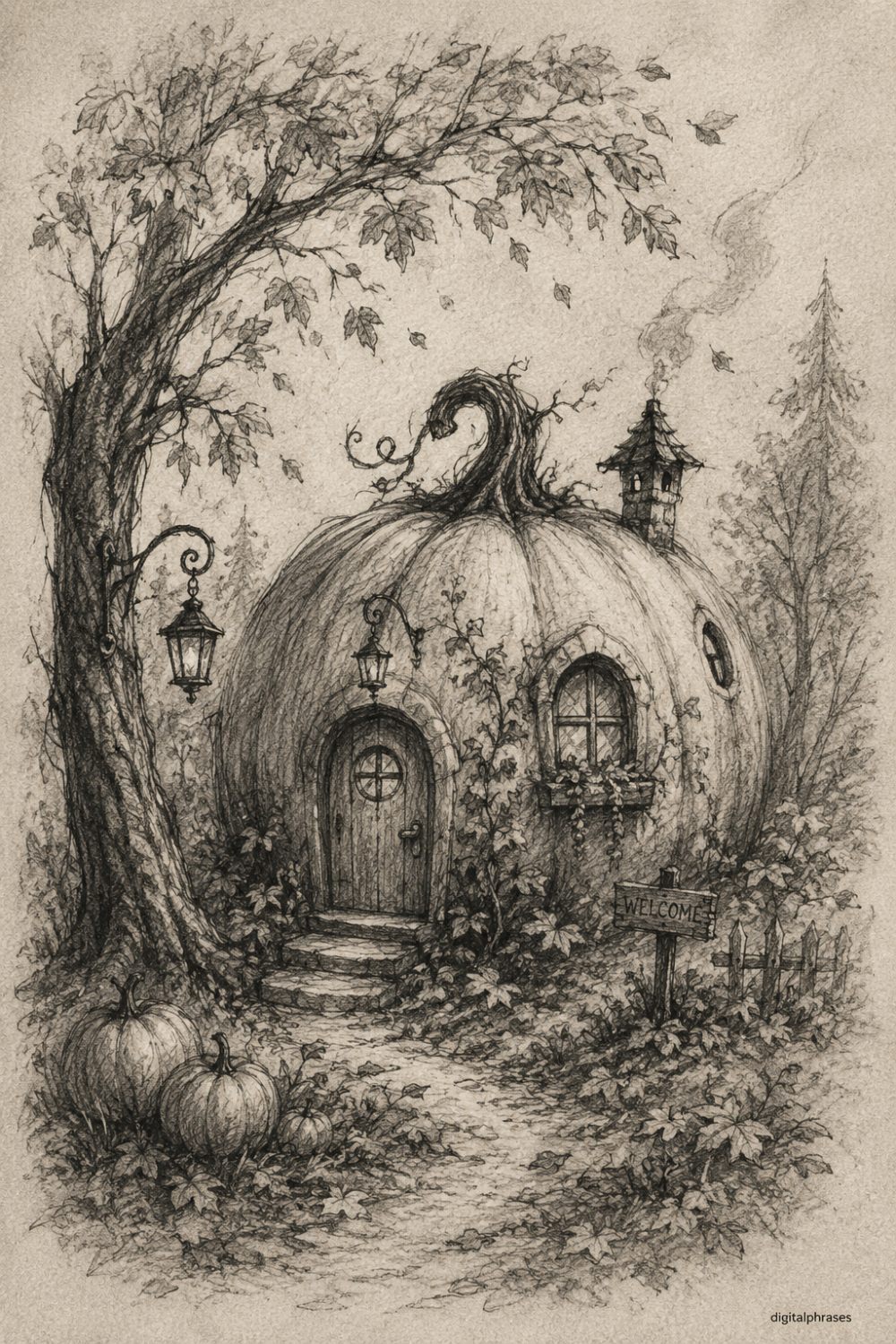
29
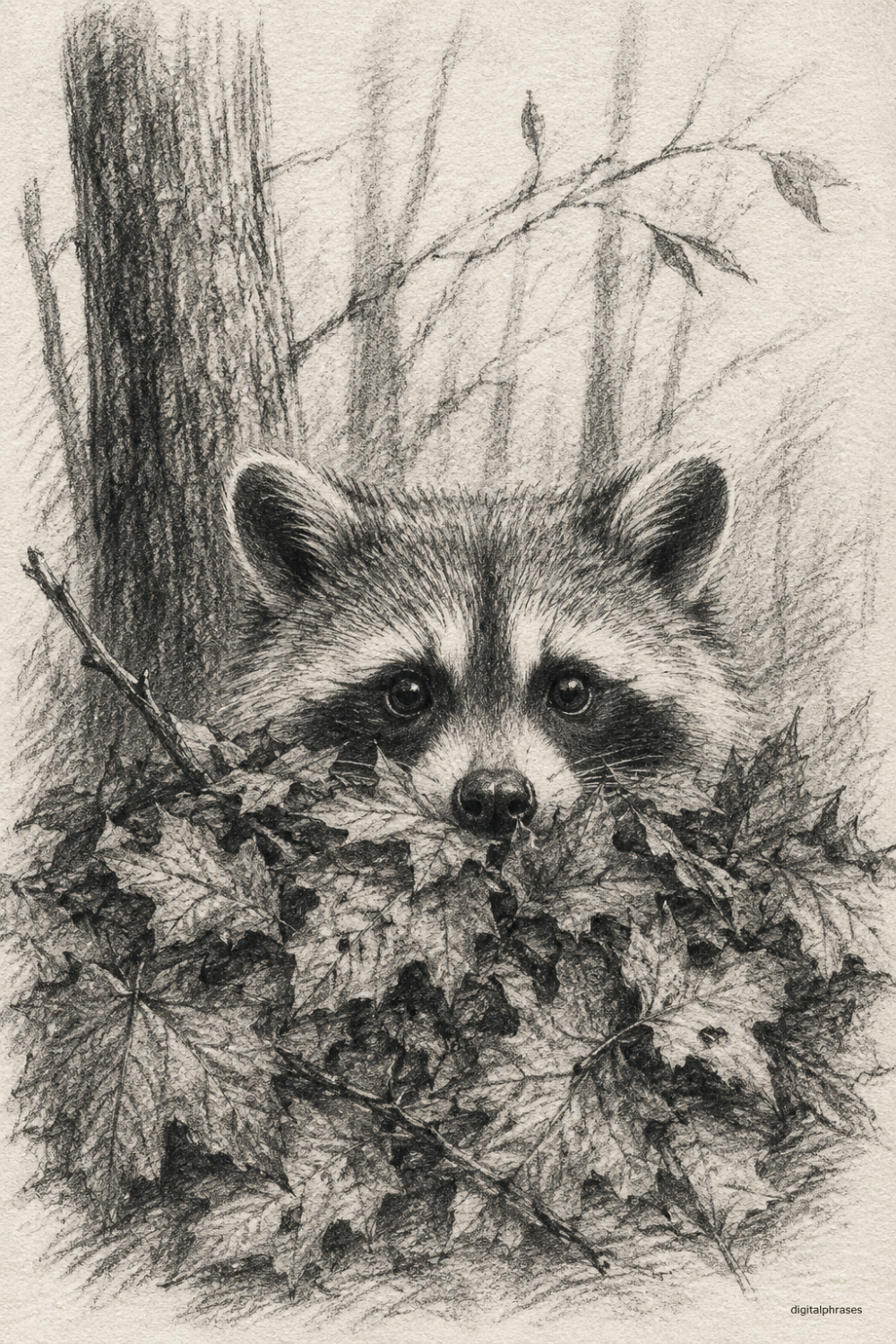
30
Tips For Fall Drawings
Focus on Simple Fall Shapes First
When starting a fall sketch, it helps to break objects down into simple shapes. Pumpkins can begin as circles and ovals, leaves can start with basic outlines, and trees can be sketched using simple lines and shapes before adding details. This approach makes drawing less intimidating and helps you build confidence. Instead of worrying about perfection, focus on getting the overall shape right. Once the basic structure is in place, you can gradually add texture, shading, and finer details. This technique works especially well for beginners and children who are learning how to draw seasonal subjects.
Pay Attention to Autumn Colors and Textures
One of the most beautiful aspects of fall is its rich variety of colors and textures. Even if you’re creating a pencil sketch, observing these details can improve your drawing. Notice the jagged edges of leaves, the rough bark on trees, and the ridges on pumpkins. If you’re adding color, use warm tones like red, orange, yellow, and brown to capture the season’s atmosphere. Taking time to study real fall objects can help make your sketches look more natural and realistic while improving your observation skills.
Use Light Pencil Strokes in the Beginning
A common mistake many artists make is pressing too hard with the pencil during the early stages of a drawing. Start with light, loose strokes instead. These gentle lines are easier to erase and adjust if something doesn’t look right. Once you’re happy with the composition and proportions, you can darken important lines and add shading. This method gives you more flexibility and helps keep your sketches clean. It also encourages a more relaxed drawing process, making the experience more enjoyable.
Add Depth with Simple Shading
Shading can instantly make a fall sketch look more interesting and three-dimensional. Begin by identifying where the light source is coming from. Areas farther from the light should appear darker, while areas facing the light should remain lighter. For example, shading one side of a pumpkin or underneath a pile of leaves can create depth and realism. Use soft, gradual shading rather than harsh lines. Practicing basic shading techniques will help your autumn drawings feel more lifelike without requiring advanced artistic skills.
Draw from Nature Whenever Possible
One of the best ways to improve your fall sketches is by drawing directly from nature. Take a walk outside and collect leaves, acorns, pinecones, or small branches to use as references. Observing real objects allows you to notice details that photos sometimes miss. You’ll gain a better understanding of shapes, textures, and natural patterns. Drawing from life also helps train your eye and strengthens your artistic skills over time. Plus, spending time outdoors can provide fresh inspiration for new fall-themed artwork.