28 Sea and Ocean Animal Coloring Pages
Oh hey there, fellow ocean explorer!
So, let me guess—you’re here because your little artist needs something to color that doesn’t involve a house made entirely of squiggly lines or a stick figure family that’s slightly terrifying.
Well, great news: I’ve got just the thing!
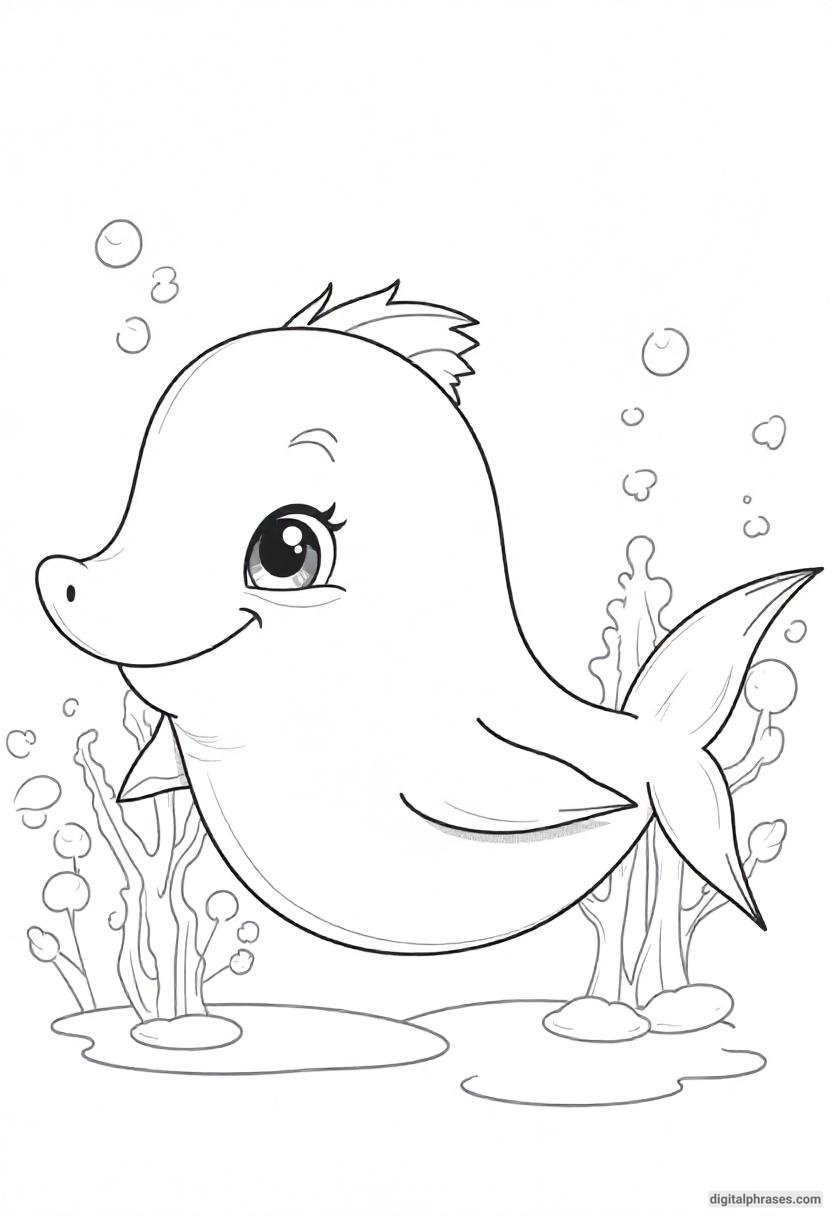
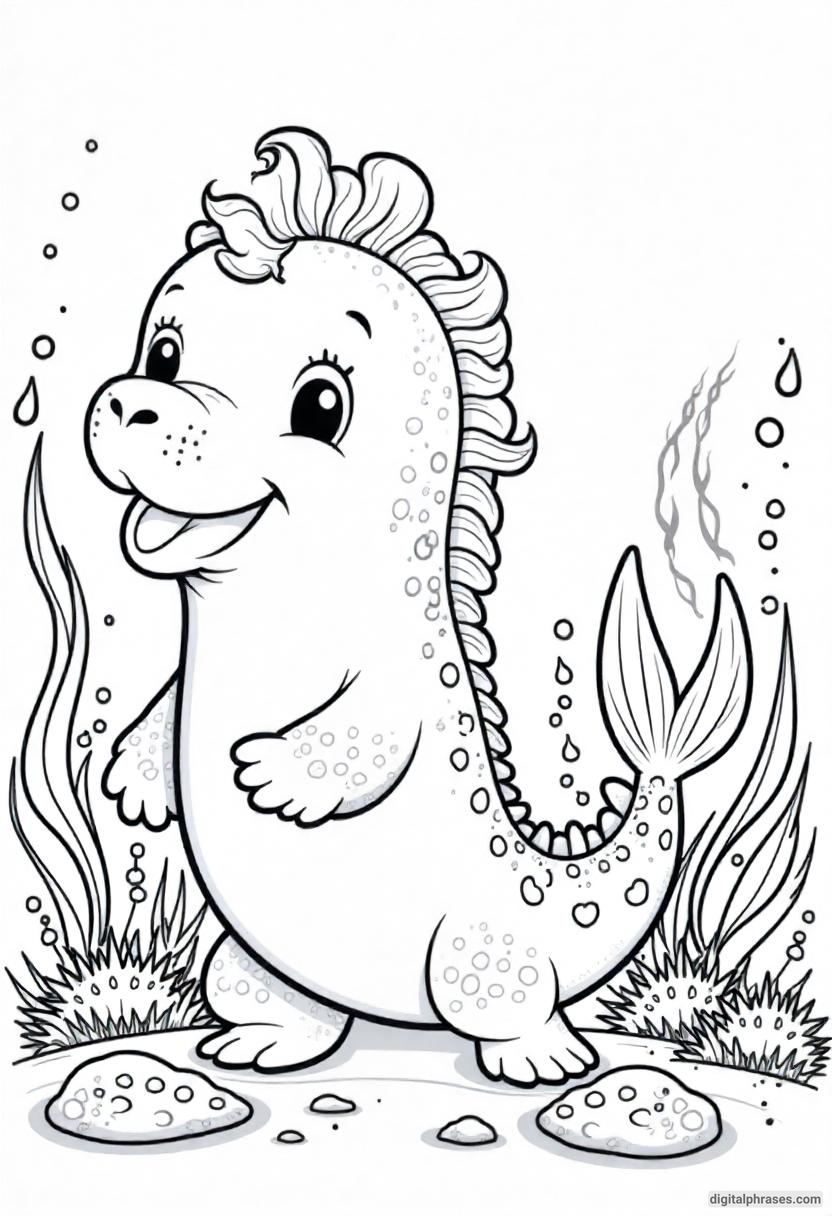
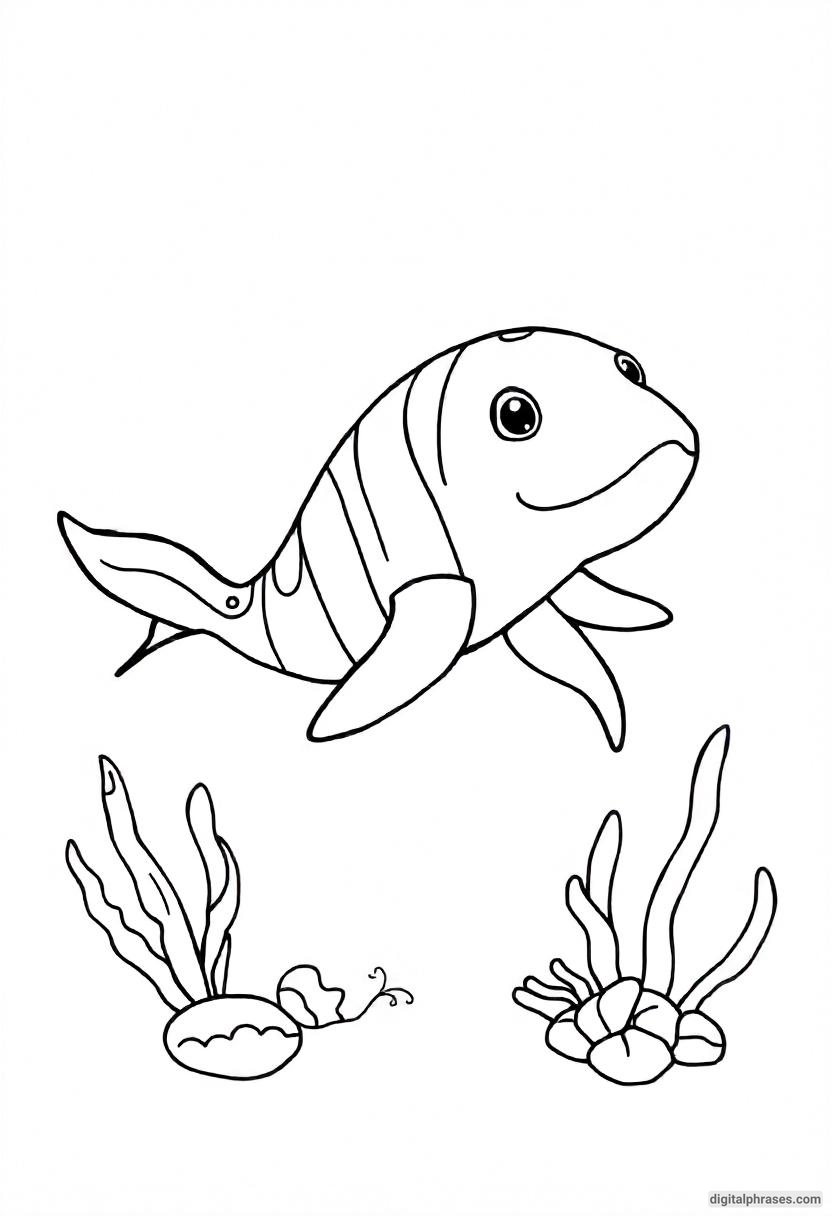
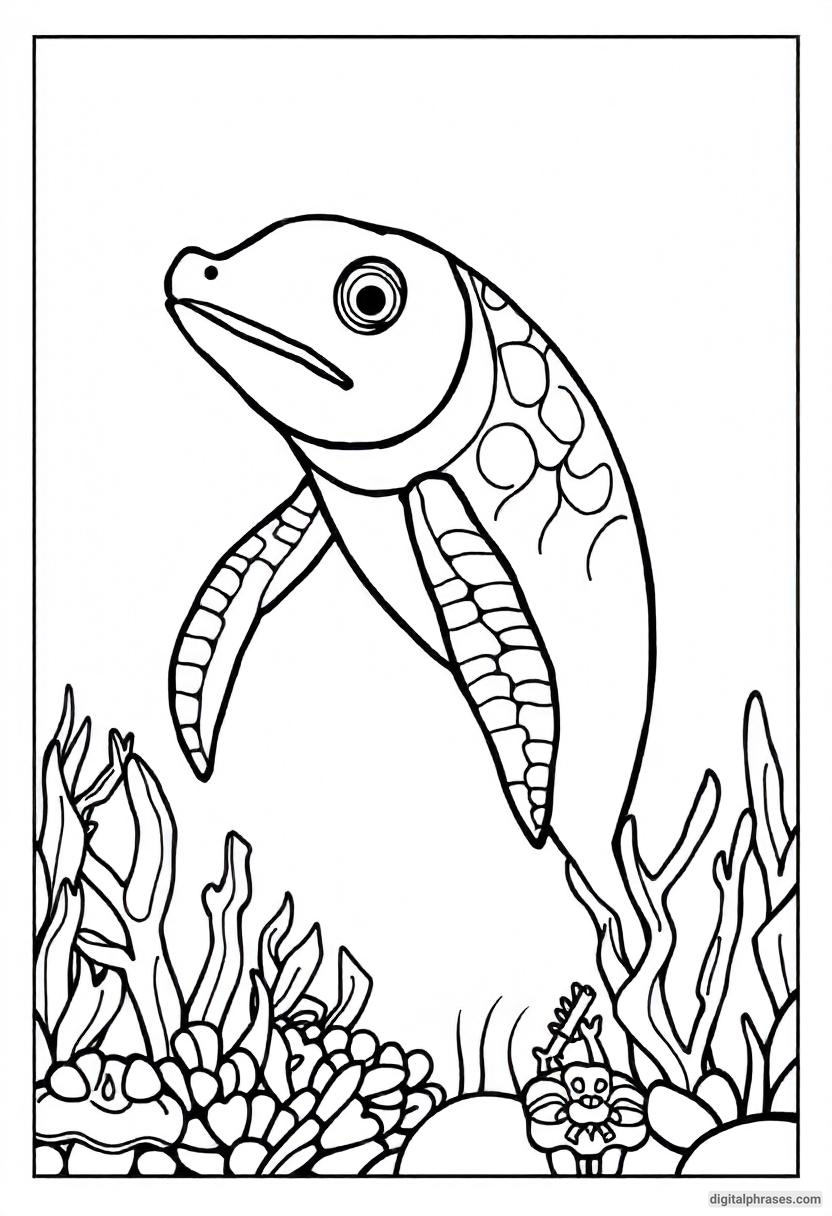
Let me introduce you to the deep, colorful, and sometimes weird world of blue water creatures with the help of these sea and ocean animal coloring pages.
Yep, we’re diving into the great blue abyss with crayons in hand.
Imagine your kiddo’s face when they bring a neon pink octopus to life or a rainbow-colored shark.
Sure, it’s scientifically inaccurate, but who’s judging?
Certainly not me. So grab those colored pencils, because we’re about to make the ocean look like it went to a wild underwater disco!
Let’s swim on, shall we?
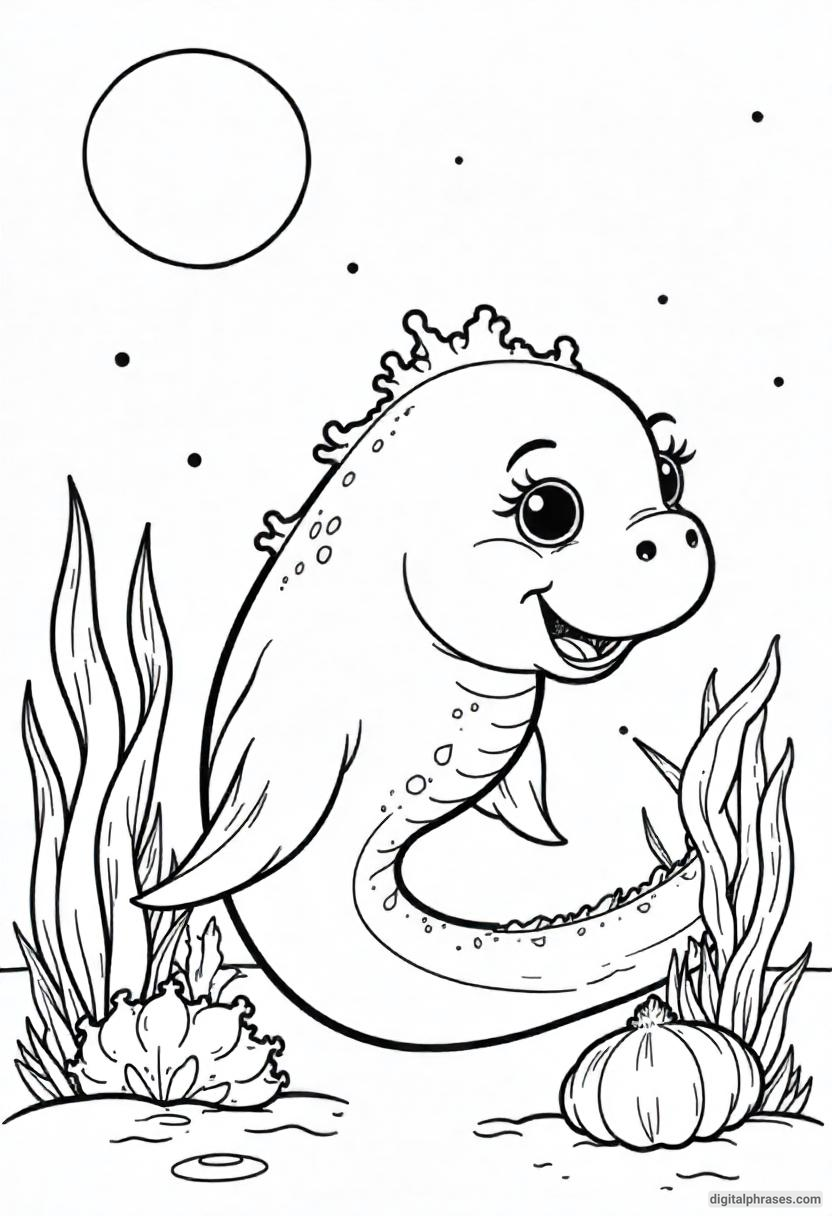
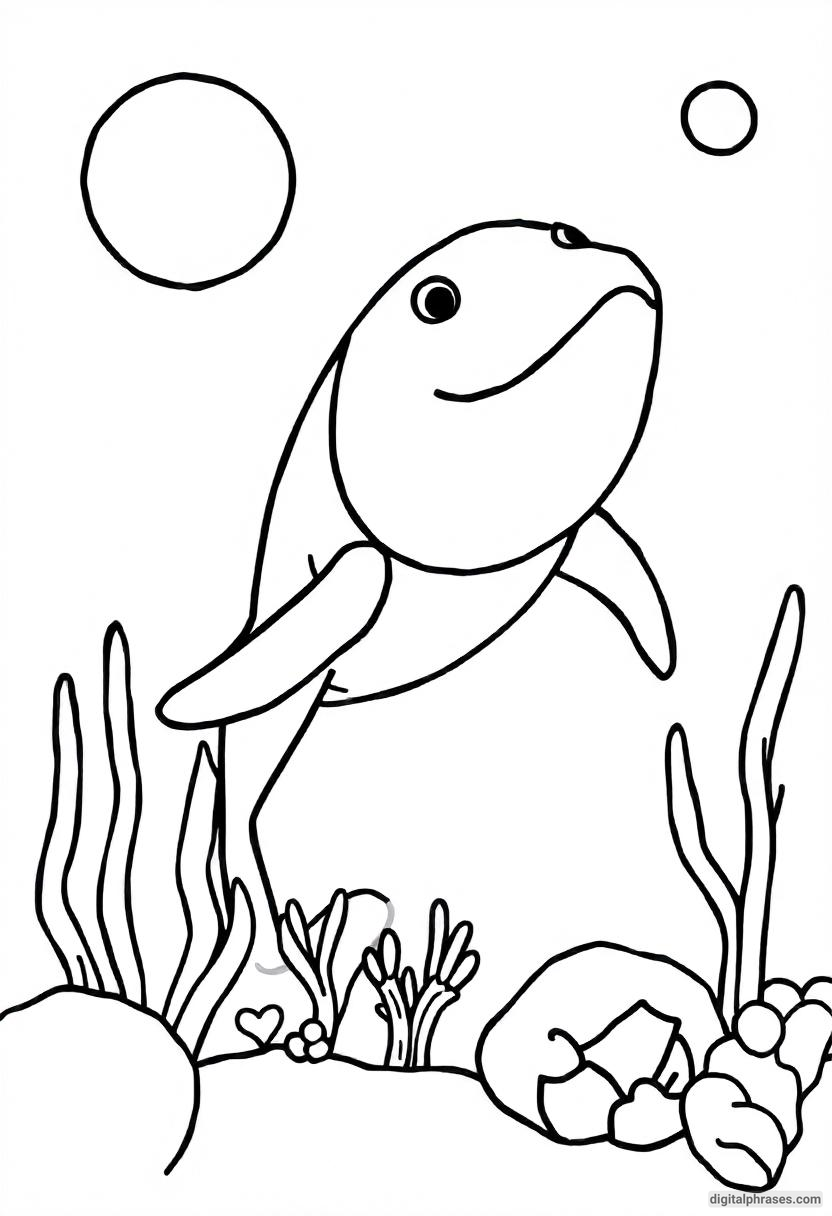
Sea and Ocean Animal Coloring Pages
1
2
3
4
5
6
7
8
9
10
11
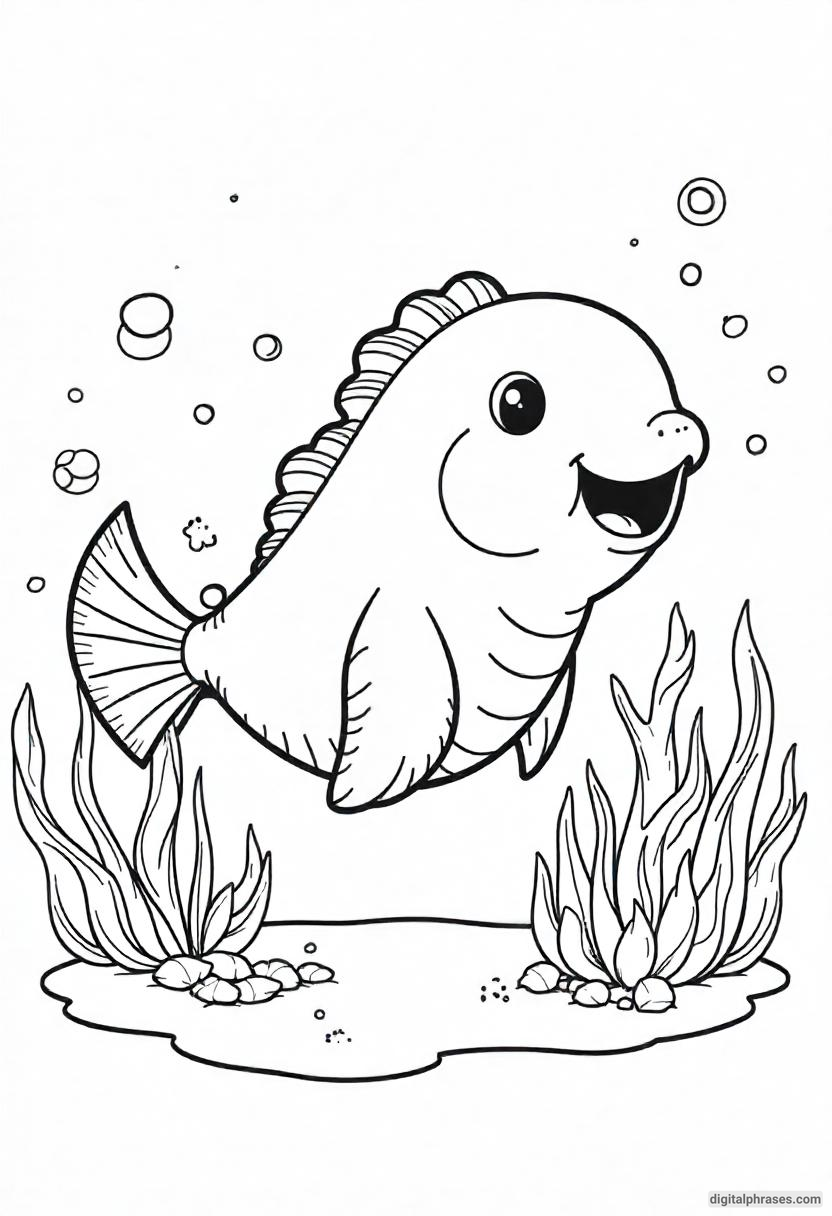
12
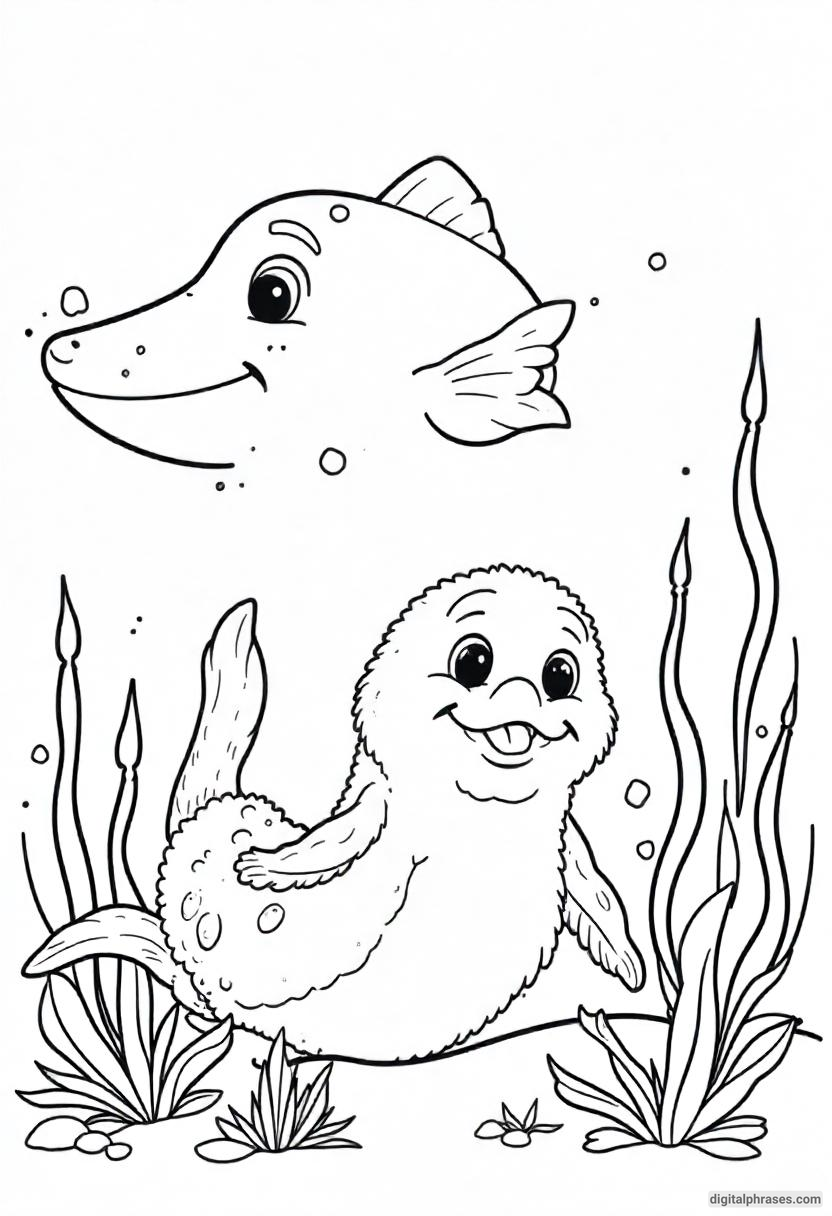
13
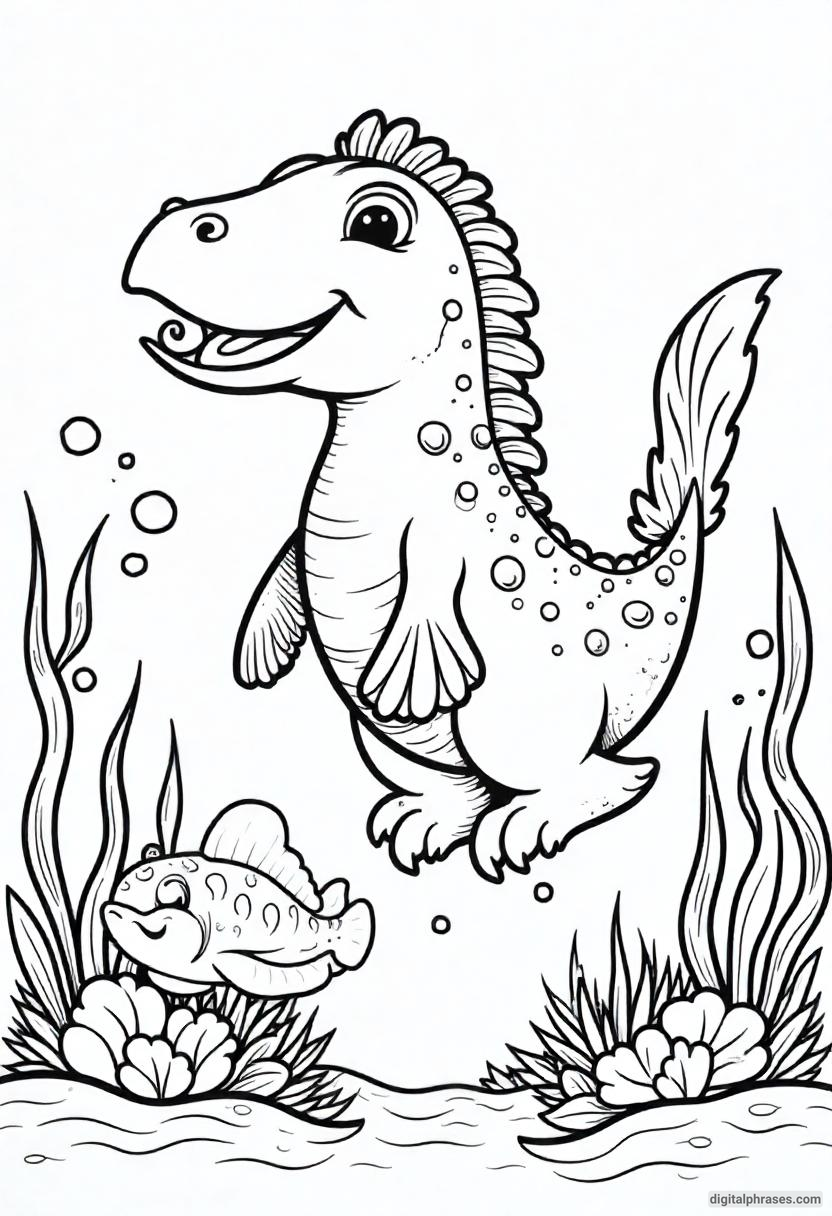
14
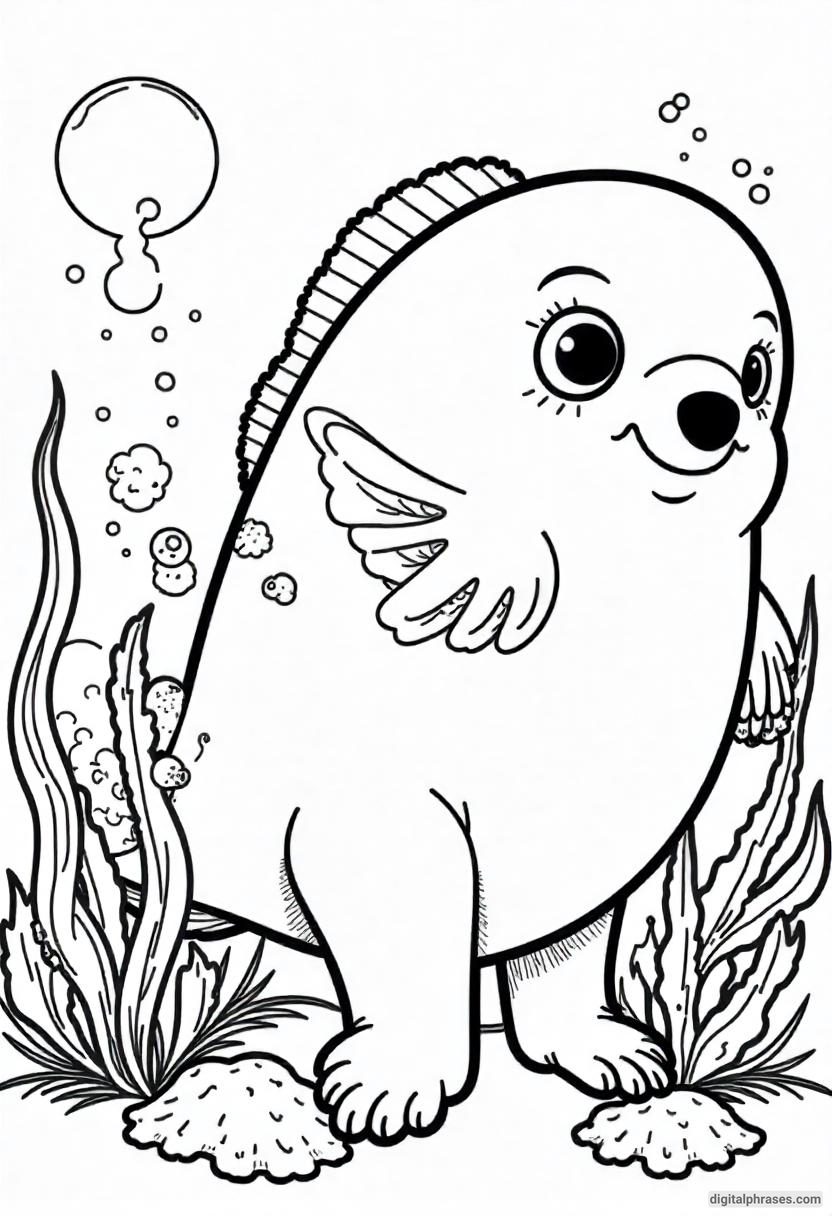
15
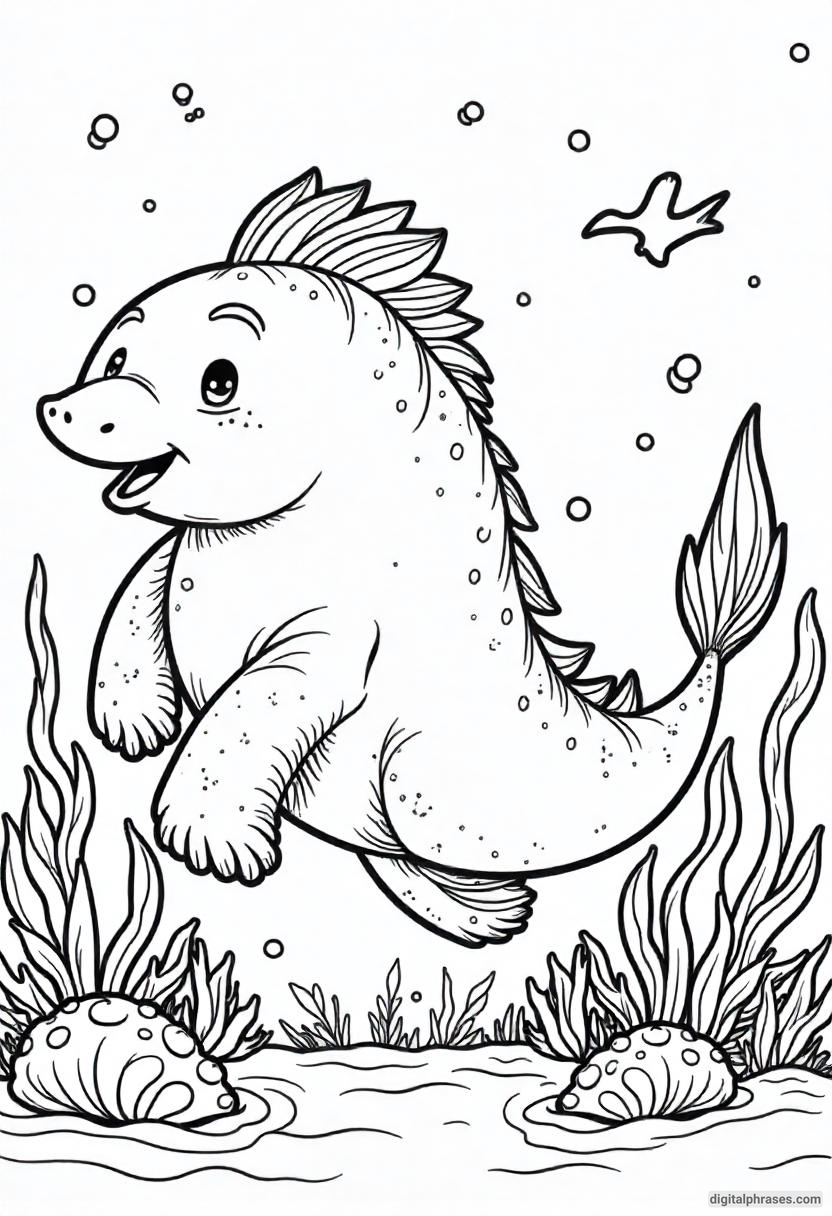
16
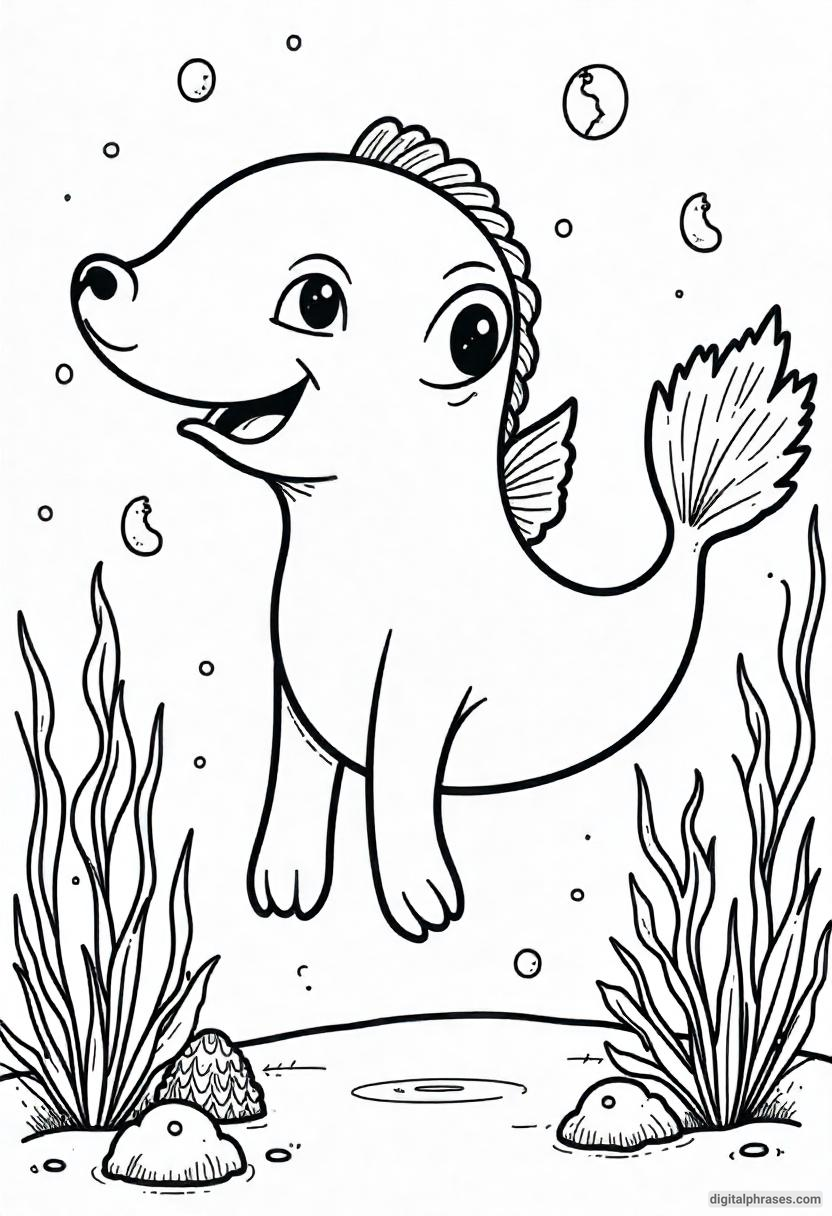
17
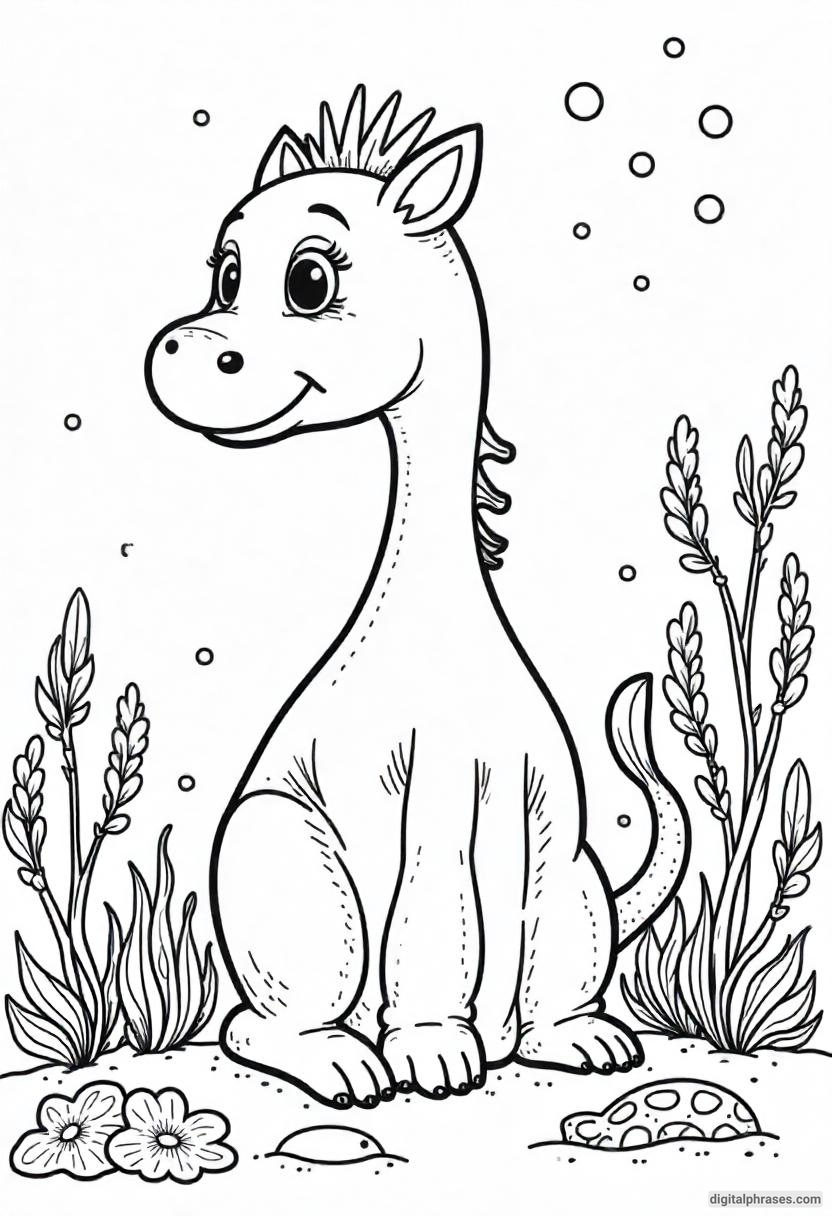
18
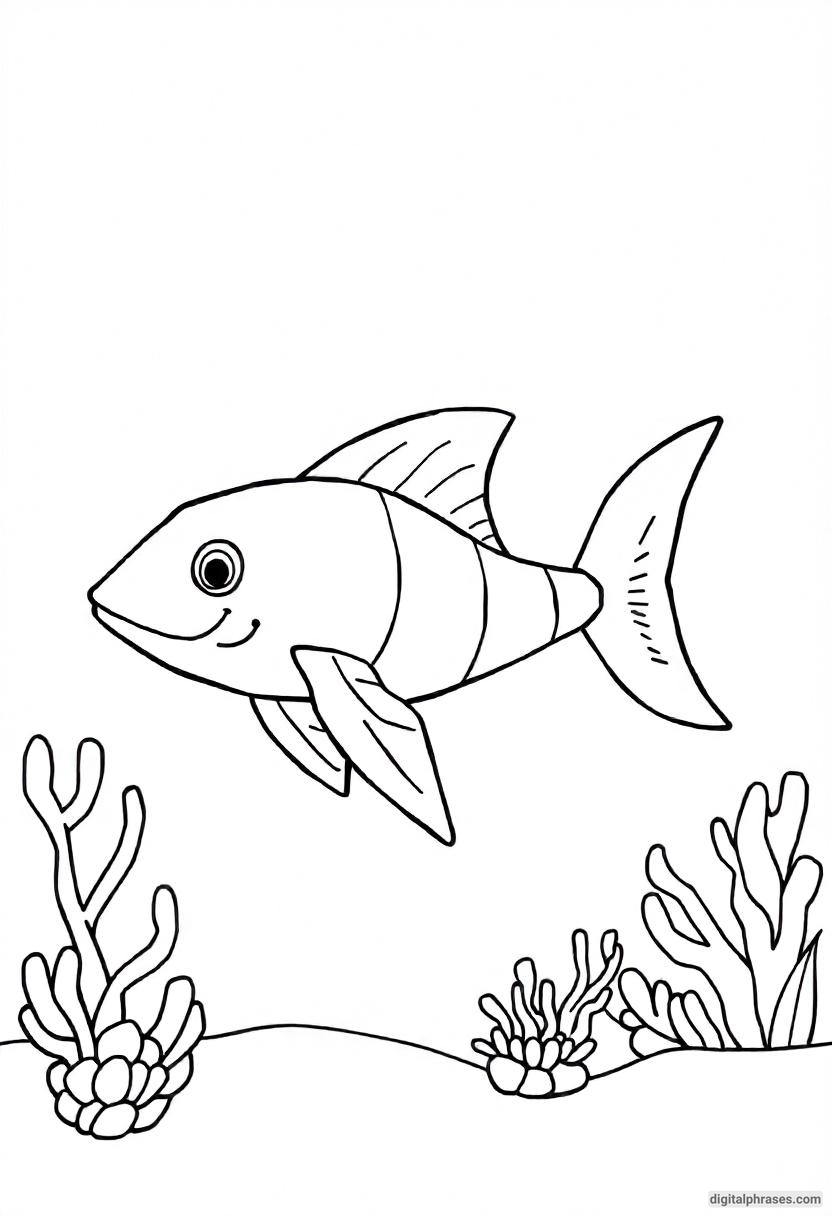
19
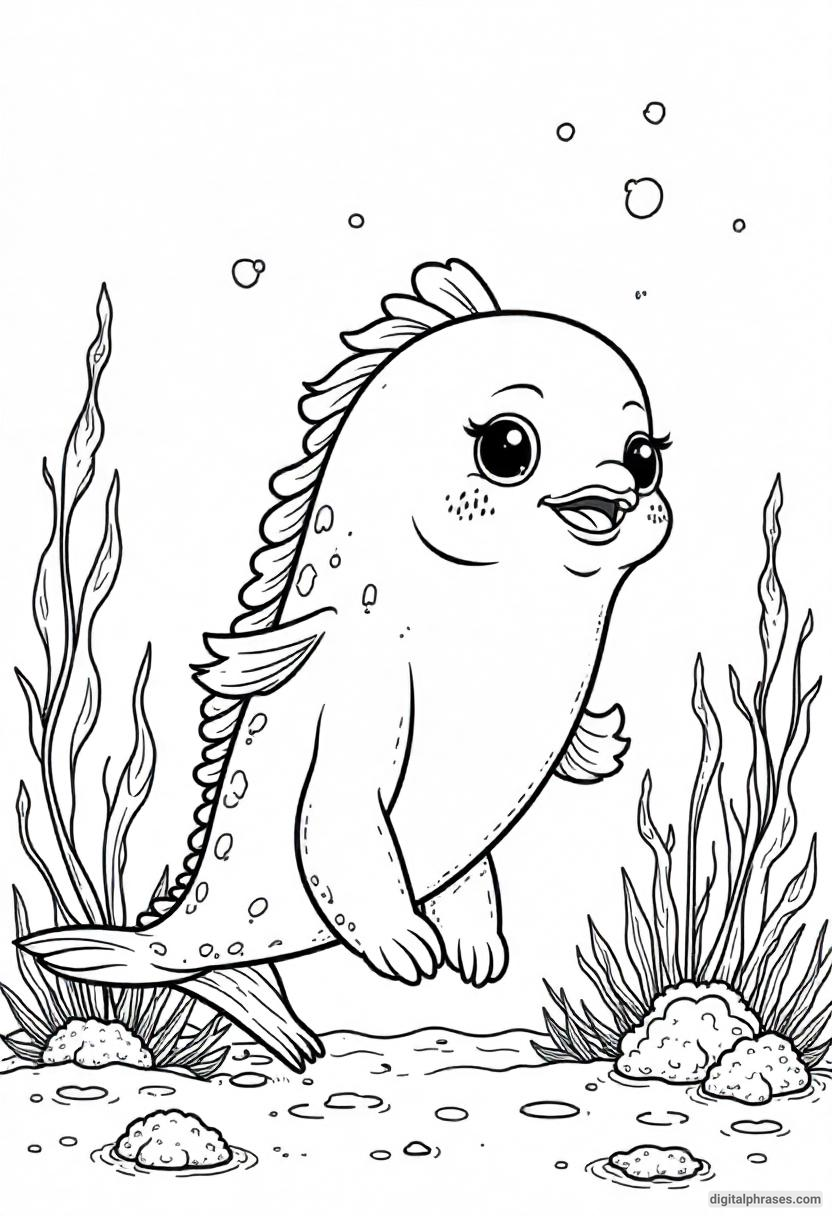
20
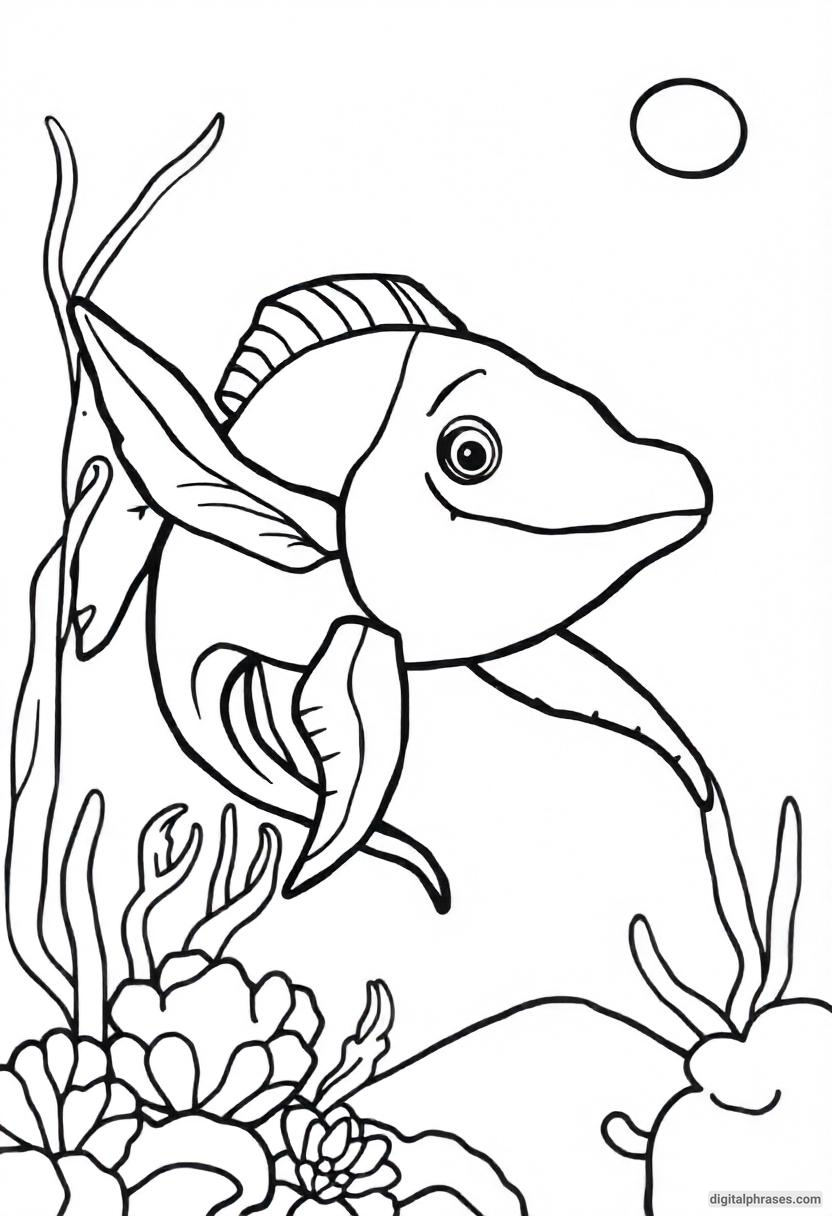
21
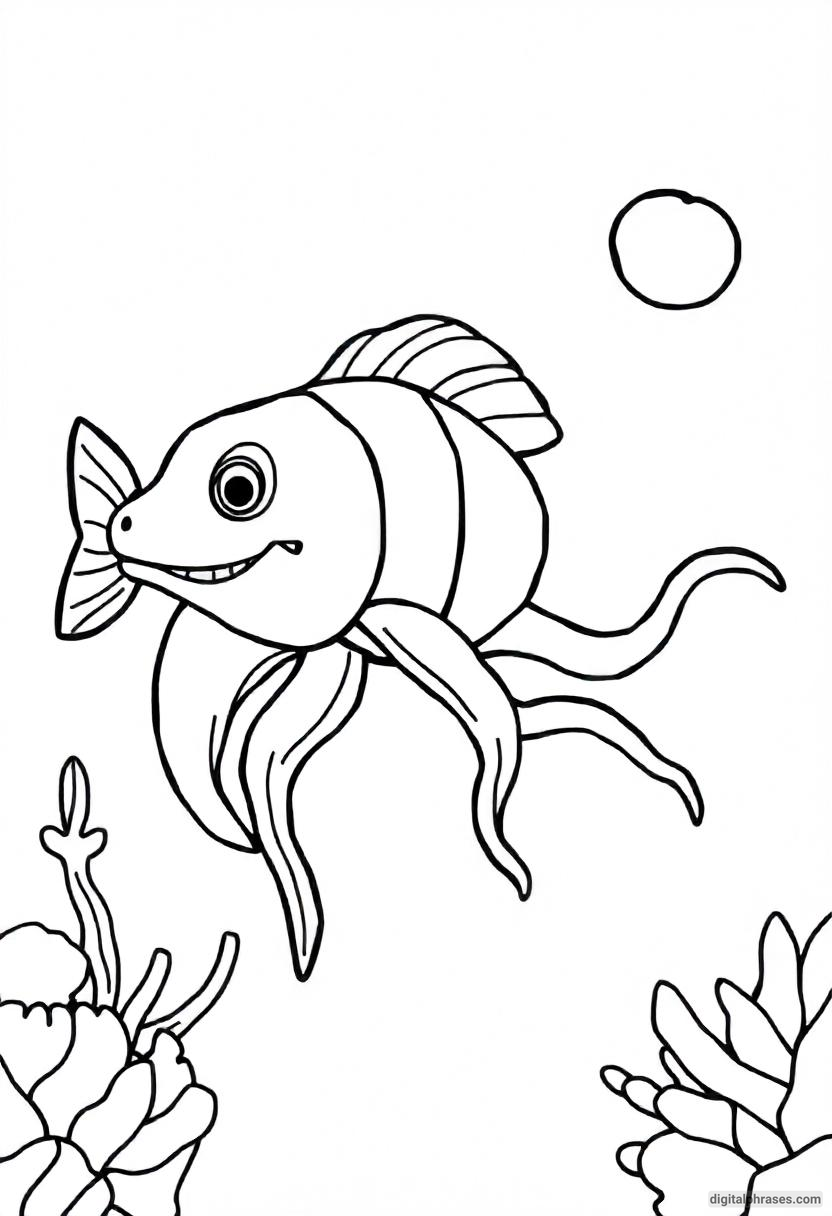
22
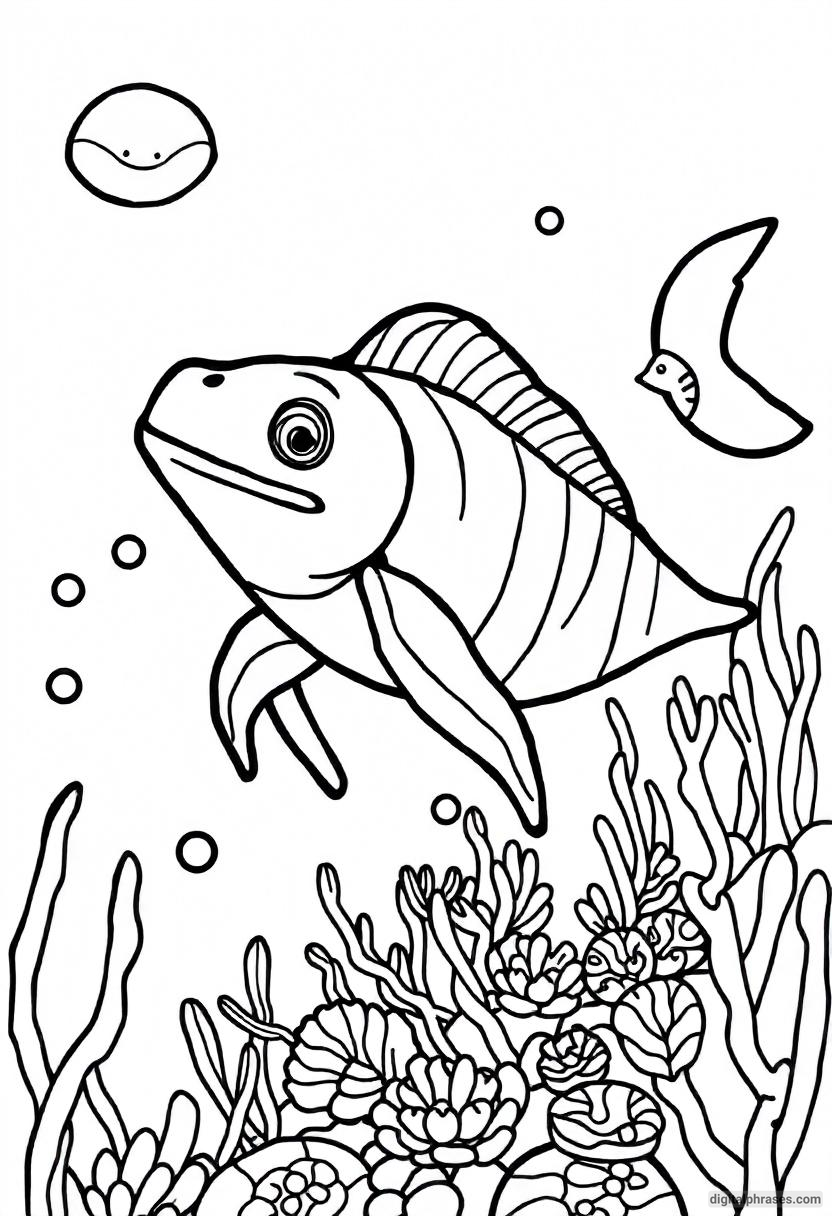
23
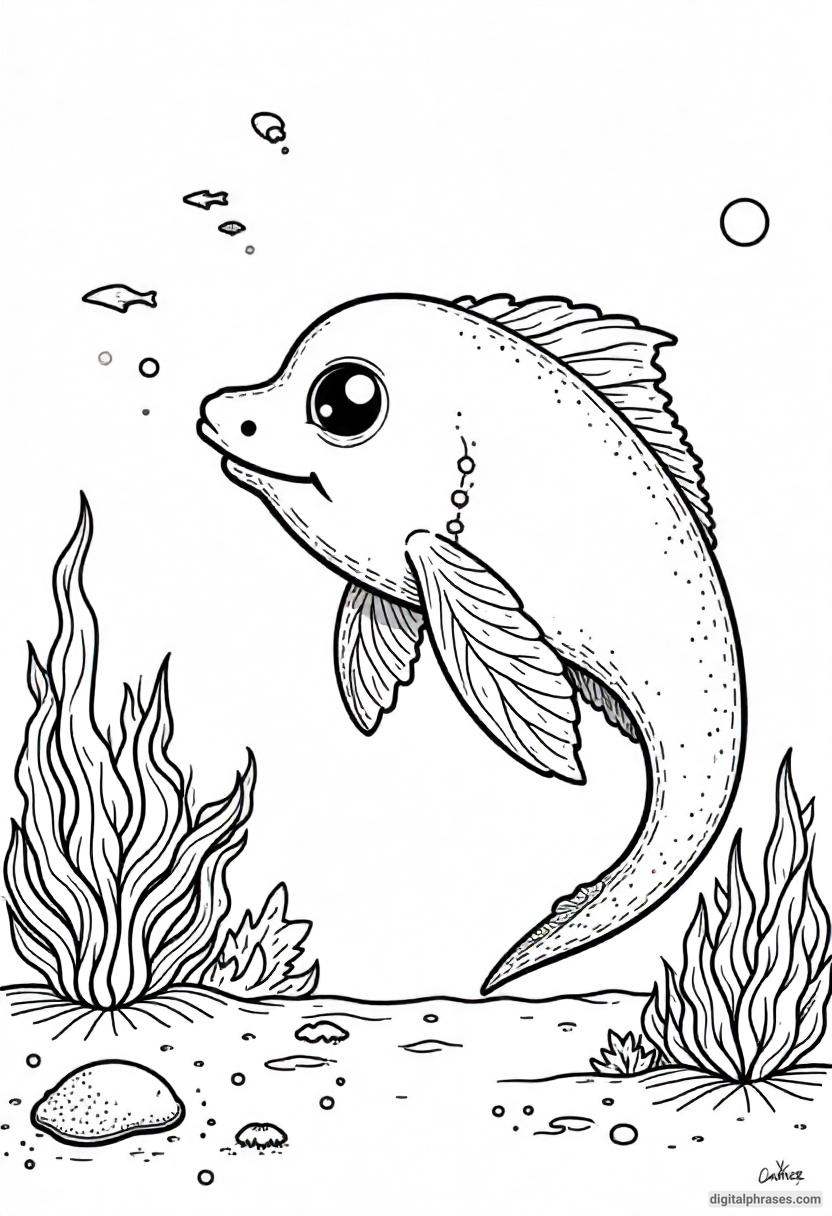
24
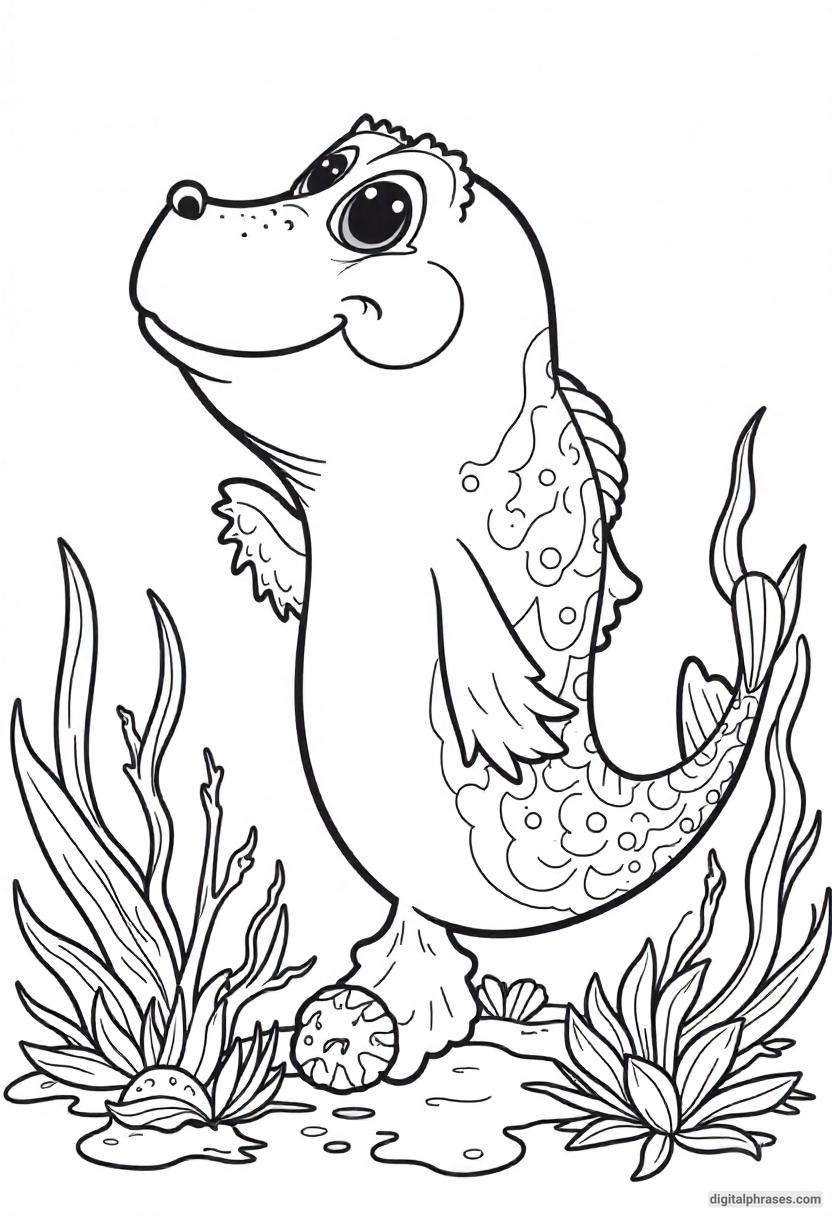
25
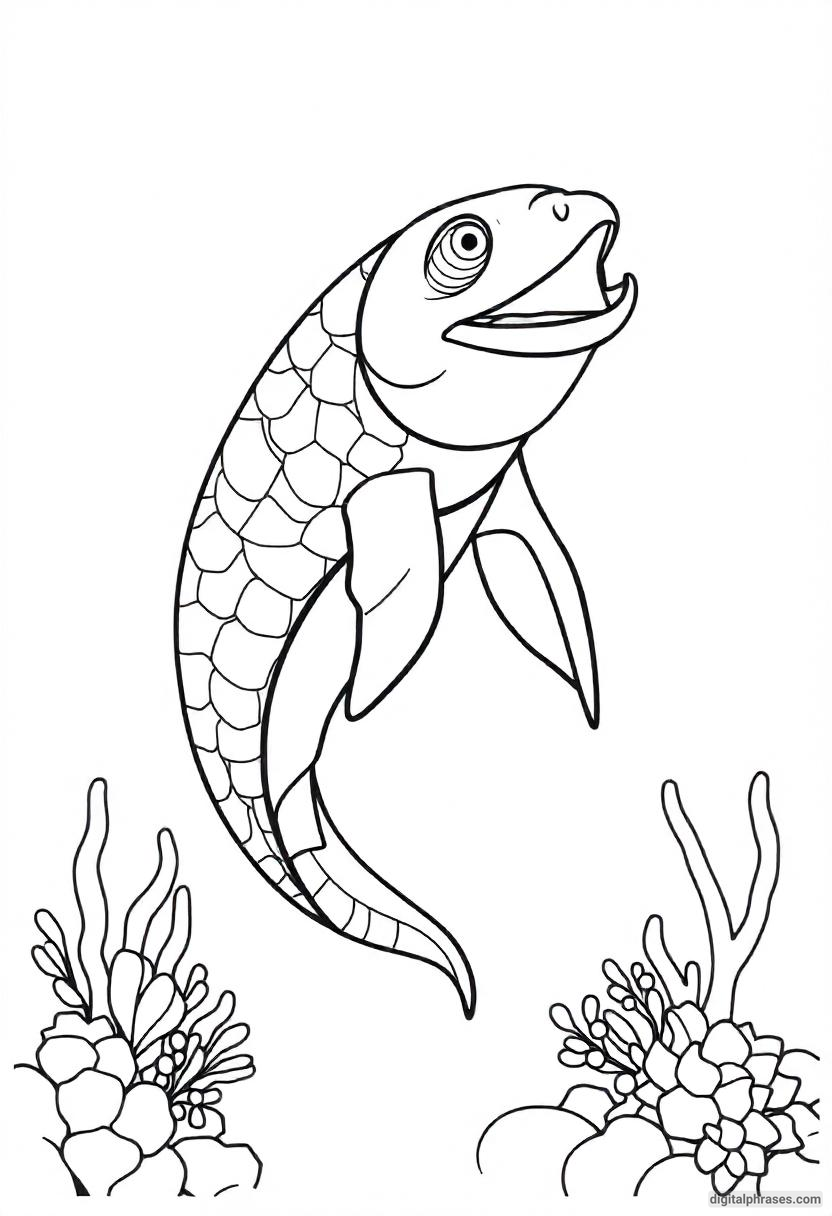
26
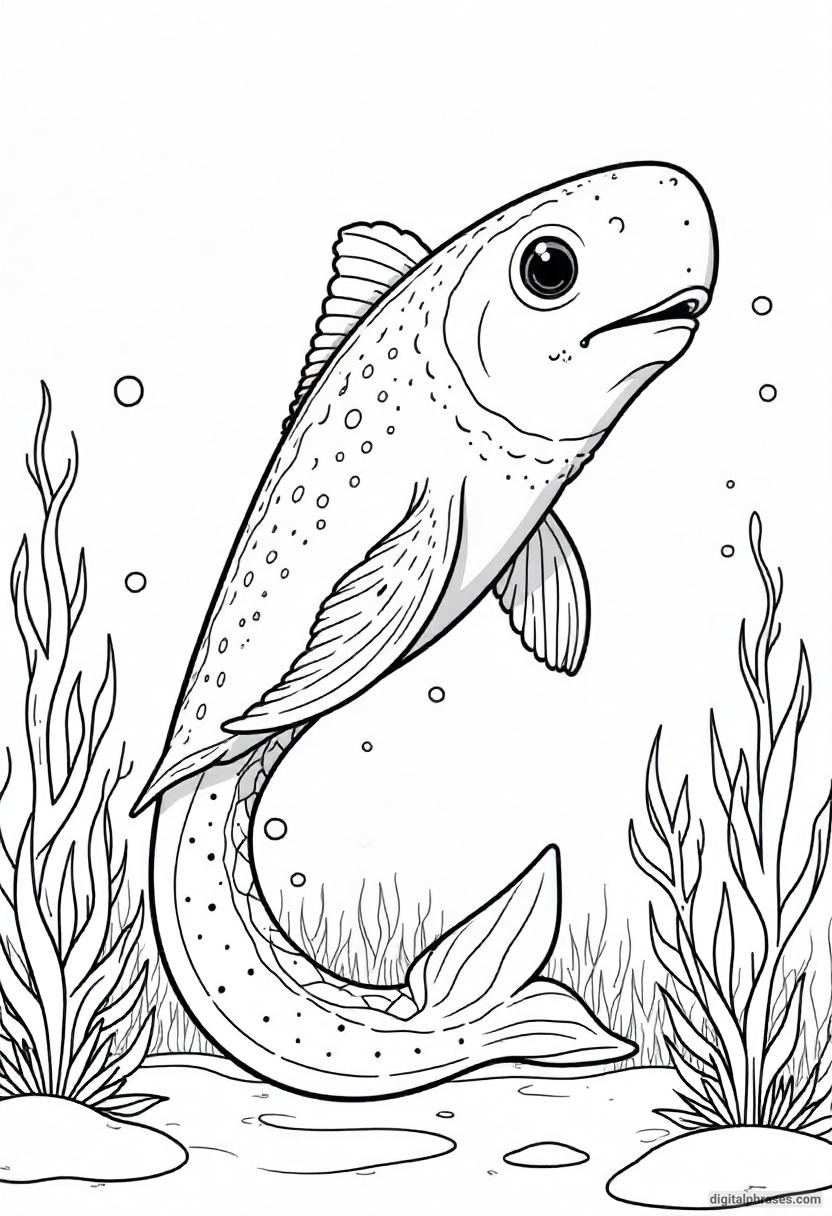
27
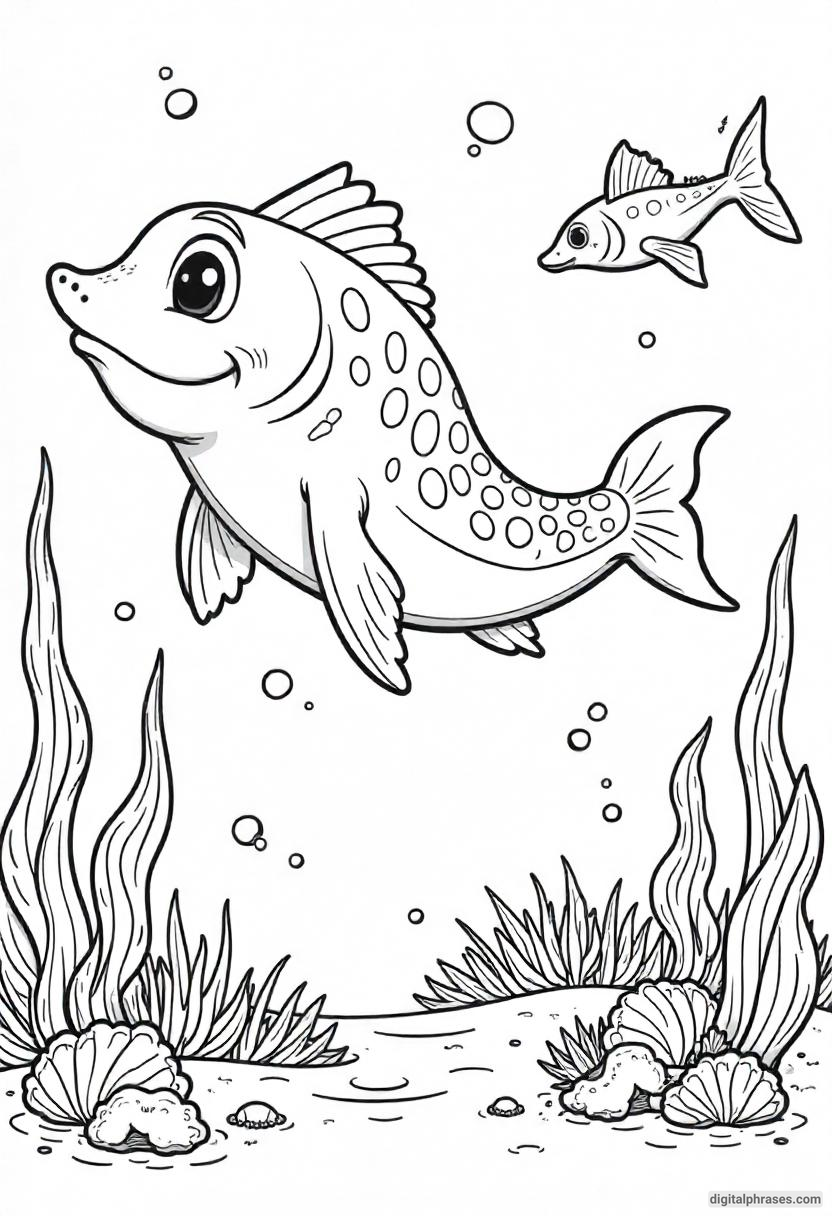
28
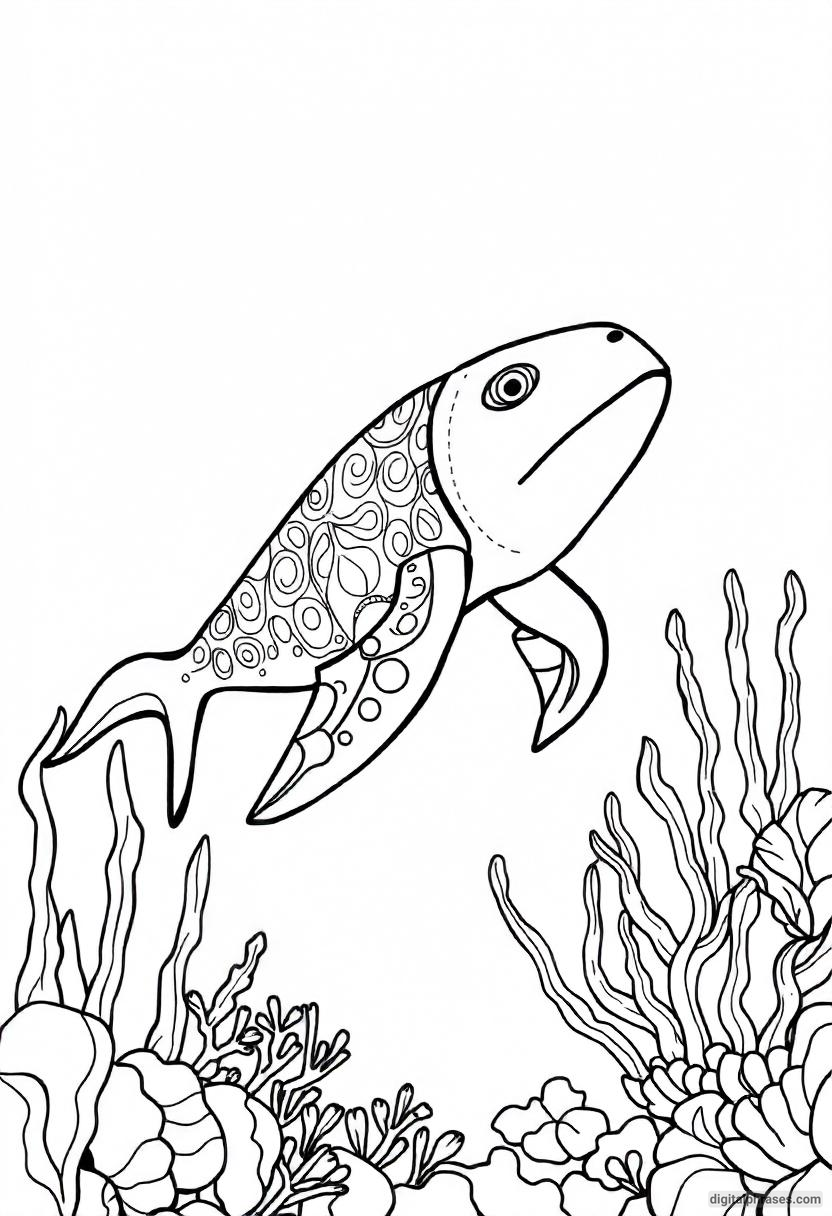
Things To Keep in Mind While Coloring These Sea and Ocean Animal Pages
1. Accuracy vs. Creativity: Pick Your Battle
Look, we all know that real sea creatures don’t look like they belong in a unicorn’s daydream.
That said, do I personally think it would be hilarious if your child decided to make a lime green whale with polka dots? Absolutely. But some of you might have that little voice in your head whispering, “But what about biology?”
To that I say: the ocean is mysterious, my friend.
There are creatures down there we’ve never even seen. Maybe somewhere there is a polka-dotted whale just waiting to be discovered. Until we can prove otherwise, anything goes.
But hey, if you’re more of a realism stickler and you want your octopus to look like an actual octopus, I get that too.
Just remember: an accurate octopus will be a bit more muted in color—think browns, purples, and grays.
If you really want to nail it, make sure your eight-legged friend blends in with the background like it’s ready to ambush some unsuspecting crab.
If your child insists on making the octopus neon pink, though, let’s just agree they’ve got a sense of style, not to mention vision.
2. You’ll Need All the Blues
If you think you can tackle the ocean with a single shade of blue, you’re in for a shock.
There’s the deep dark blue of the abyss, the turquoise of the shallows, the soft baby blue of the sky reflecting off the water’s surface… basically, if you don’t have at least six different blue crayons, you might as well pack it in now.
Trust me on this one.
And don’t even get me started on blending techniques.
If you’ve got a kid who likes to experiment, get ready to watch them combine two or three shades of blue to create the perfect wave.
You’ll pretend you aren’t proud, but inside, you’re bursting.
Of course, there’s always the risk they’ll get carried away and decide to make the shark blue as well, and then you’ll have to gently remind them that not everything in the ocean is the same shade.
The ocean is complex, my friend, and so are its inhabitants.
3. Watch Out for the Kraken
Every once in a while, your sea creature masterpiece will take a turn.
Maybe it’s a miscalculated crayon stroke or a marker that decides to bleed outside the lines—suddenly, your serene undersea scene looks like the Kraken has risen from the depths.
Don’t panic.
This is just part of the process.
Coloring sea animals is not for the faint of heart.
What do you do when the Kraken strikes?
You improvise, of course! That massive black smudge you made while coloring in the shark?
That’s now a shadow.
The jellyfish that’s looking a little lopsided?
Obviously, it’s swimming in a current.
And if all else fails, just call the whole thing “abstract” and claim you were inspired by Picasso. No one can argue with you on that one.
4. Crayons vs. Markers: The Eternal Debate
Here we are at the crux of the most important decision in your coloring journey: crayons or markers?
This is a debate as old as time—or at least as old as when humans decided they needed something to scribble with on paper.
Crayons, on one hand, give you the subtlety you need for those soft coral reefs and gentle ocean waves.
They’re also great for blending, which comes in handy when you’re trying to show the gradient of the sea from light to dark as you descend into the ocean’s depths.
However, let’s be honest: crayons tend to break at the worst possible moments. You think everything is fine, and then—snap!
There goes your sea turtle’s shell, forever a jagged mess.
Markers, on the other hand, are bold and bright. They’re perfect for making those tropical fish really pop off the page.
Want a clownfish that practically jumps out of the water and into your living room?
Go for the markers. But beware: markers are like the wild stallions of the coloring world.
They’re unpredictable.
One second, you’re delicately outlining a starfish, and the next, there’s a giant streak of ink right across the page. Markers don’t care about your boundaries—literally.
And once they bleed, there’s no going back. Choose wisely.
5. Texture, Texture, Texture
One thing people often forget while coloring is texture.
Sure, you could just color in that dolphin with a flat gray crayon and call it a day, but where’s the fun in that?
Try adding a little texture! Maybe give the dolphin some shine with a glitter crayon (dolphins are the rock stars of the ocean, after all). Or for a sea turtle, go for a rough, bumpy look to imitate its shell.
Nothing says, “I’m serious about my coloring” like taking the time to give a fish some scales. Your audience—aka your proud kid and maybe the family dog—will be blown away by the attention to detail.
But hey, if you’re just trying to get through a quiet 20 minutes without someone spilling juice all over the living room, feel free to skip the texture and fill in those sea creatures like they’re flat as pancakes. No judgment here.
6. Ocean Zones and Their Inhabitants
Let’s get a little educational for a moment (don’t roll your eyes at me, this will be quick!).
Not all sea creatures live in the same parts of the ocean, and it can be fun to think about that while you’re coloring.
For instance, if you’ve got a page full of deep-sea creatures like anglerfish and giant squids, you’ll want to use darker colors to reflect their shadowy habitat.
Meanwhile, those tropical fish and coral reefs are all about the brights—think neon greens, electric blues, and sunshine yellows.
Of course, this can go out the window if your kid decides that the anglerfish needs to be hot pink.
In that case, you nod along, because who’s to say there’s not a hot pink anglerfish down there in the deep?
We haven’t exactly explored all the oceans yet. Maybe your kid is ahead of the curve.
7. Get Ready for the Questions
Oh, and a quick heads-up: coloring sea animals will inevitably lead to questions. “Why does the jellyfish look like a jelly?” “How does a seahorse swim when it has no arms?” “Why can’t I have a pet shark?”
These questions are completely normal and will definitely make you question your own understanding of marine biology.
It’s okay to wing it. The jellyfish looks like jelly because nature has a sense of humor.
The seahorse swims by wiggling, obviously.
And the shark?
Well, you just tell them that a shark would eat all the goldfish in the house. Problem solved.
8. The Finishing Touch: Backgrounds Matter
Don’t neglect the background!
Sure, you’ve spent the last 20 minutes meticulously coloring in a sea turtle with the kind of precision that makes Michelangelo look like an amateur, but now it’s time to think about the ocean environment. Are we talking a tropical lagoon with coral reefs and sunbeams filtering through the water?
Or is this an eerie deep-sea scene with dark, mysterious waters?
A good background can make or break your sea creature masterpiece, so don’t be afraid to spend some time on it.
If you’re tired and can’t be bothered?
A simple blue wash for water will do just fine. You’re not running an art gallery here—unless, of course, you plan to tape these masterpieces to the fridge, in which case, go wild!
9. Let Loose and Have Fun
At the end of the day, it’s just coloring. Sea creatures are fun, weird, and wonderful, so your coloring pages should be too!
Don’t get too caught up in perfection—whether your octopus is too big or your dolphin looks like it’s got a bit of a weight problem, who cares?
The ocean is full of surprises, and your coloring should be too.
So there you have it, my fellow coloring adventurers. With these tips in mind, you’re now fully equipped to tackle the wild and whimsical world of sea and ocean animal coloring pages.
Grab your blues, your greens, and yes, even your glitter crayons, and set sail on this artistic journey. Happy coloring!