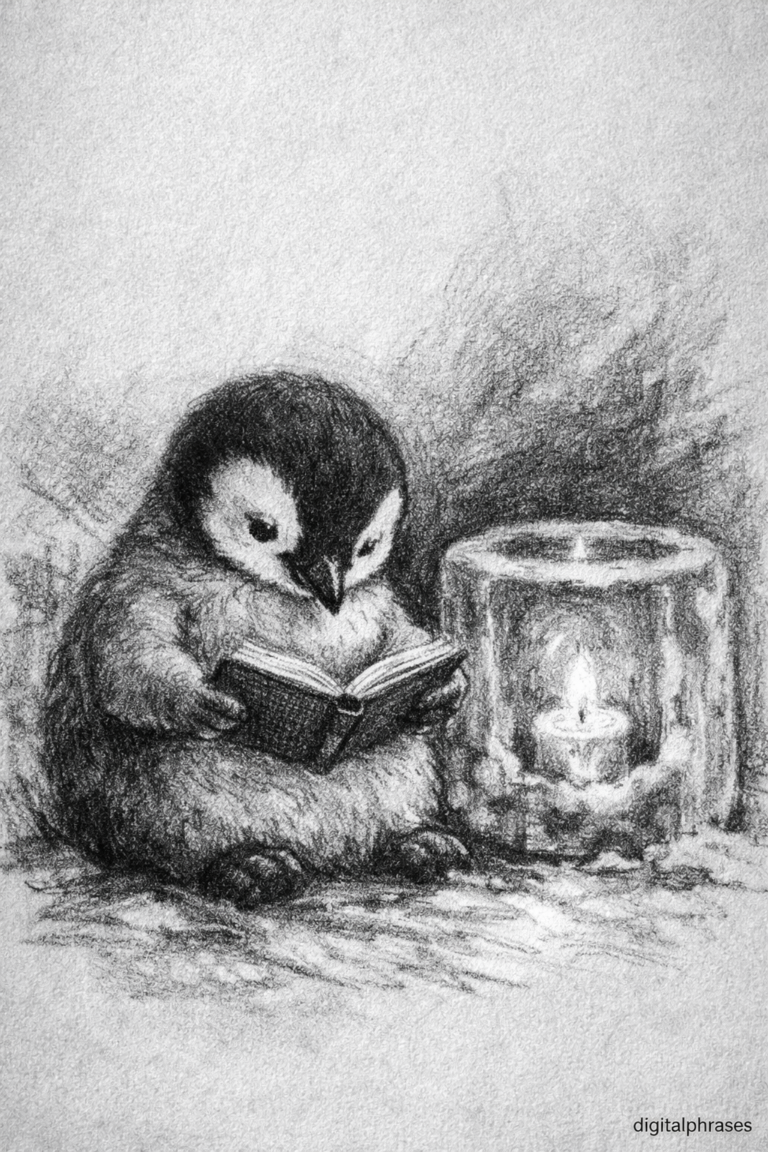
Deer Drawing Ideas
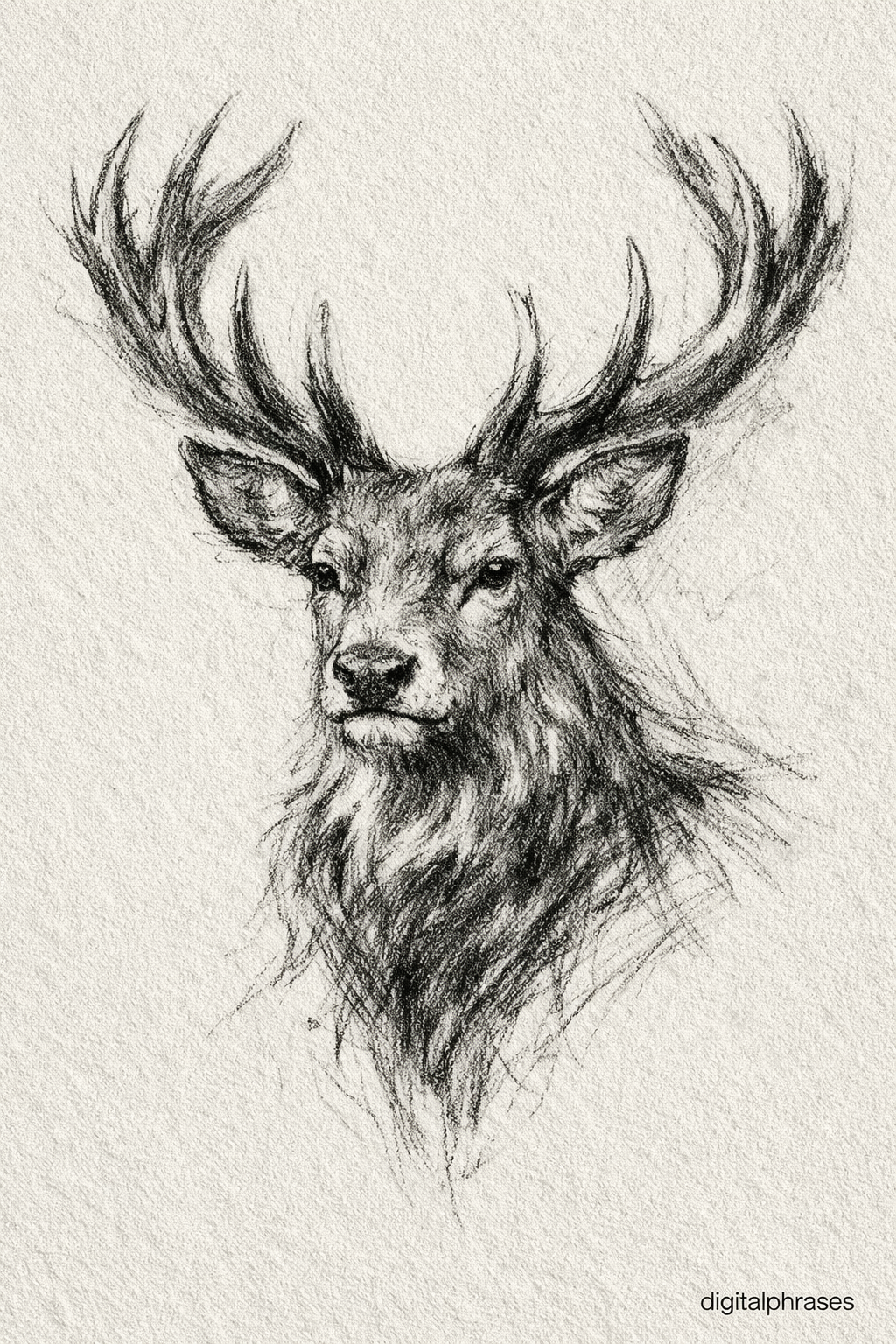
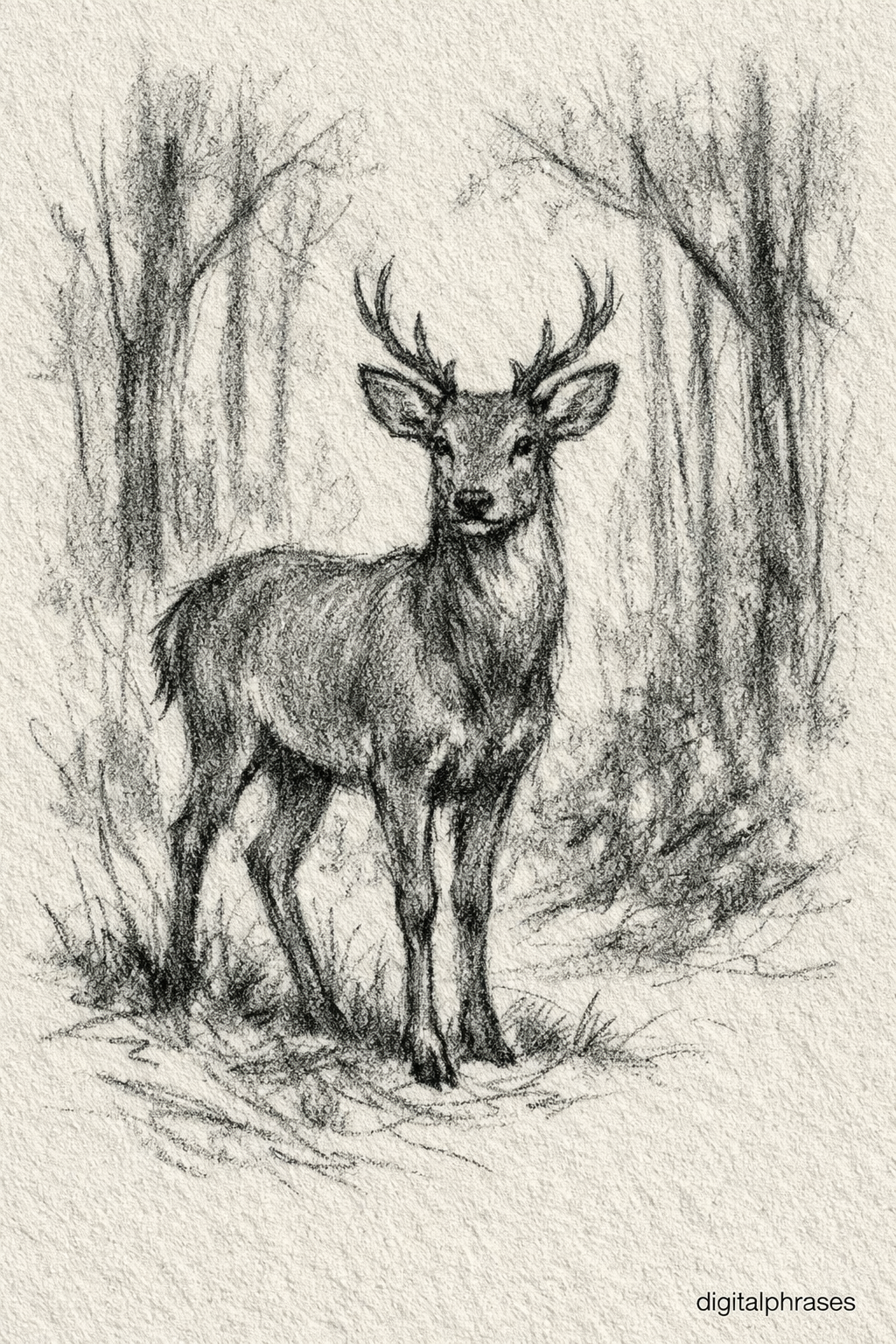
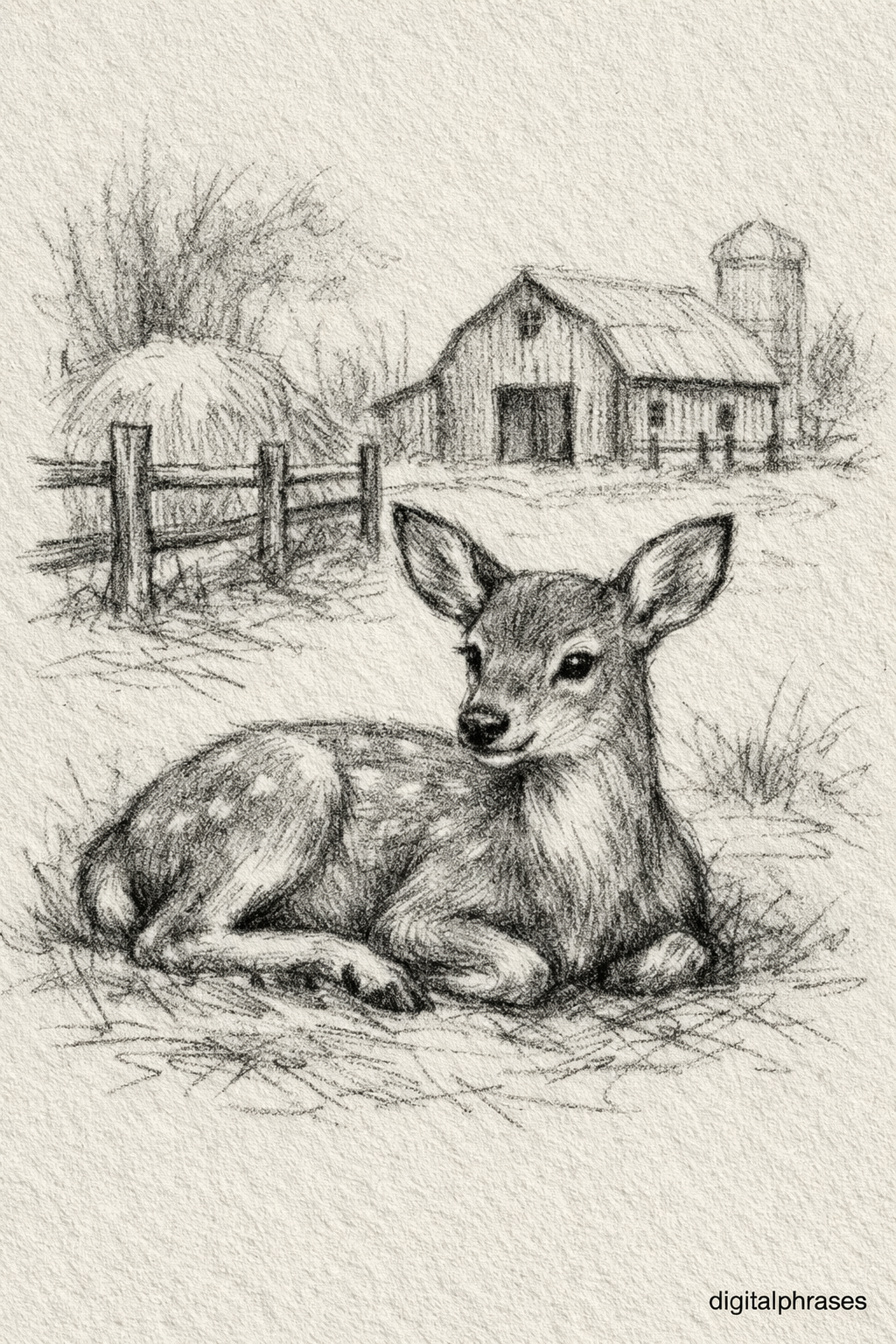
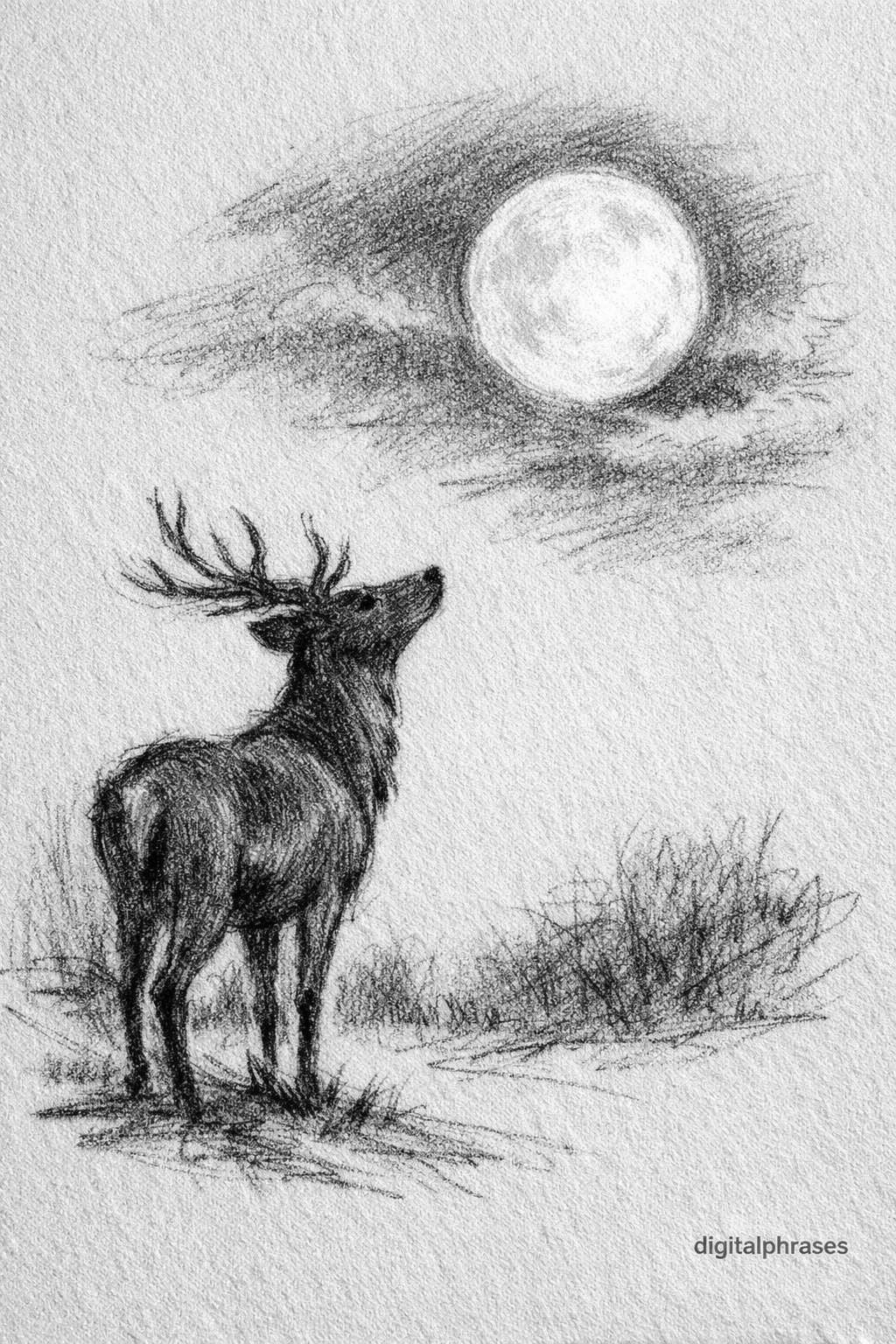
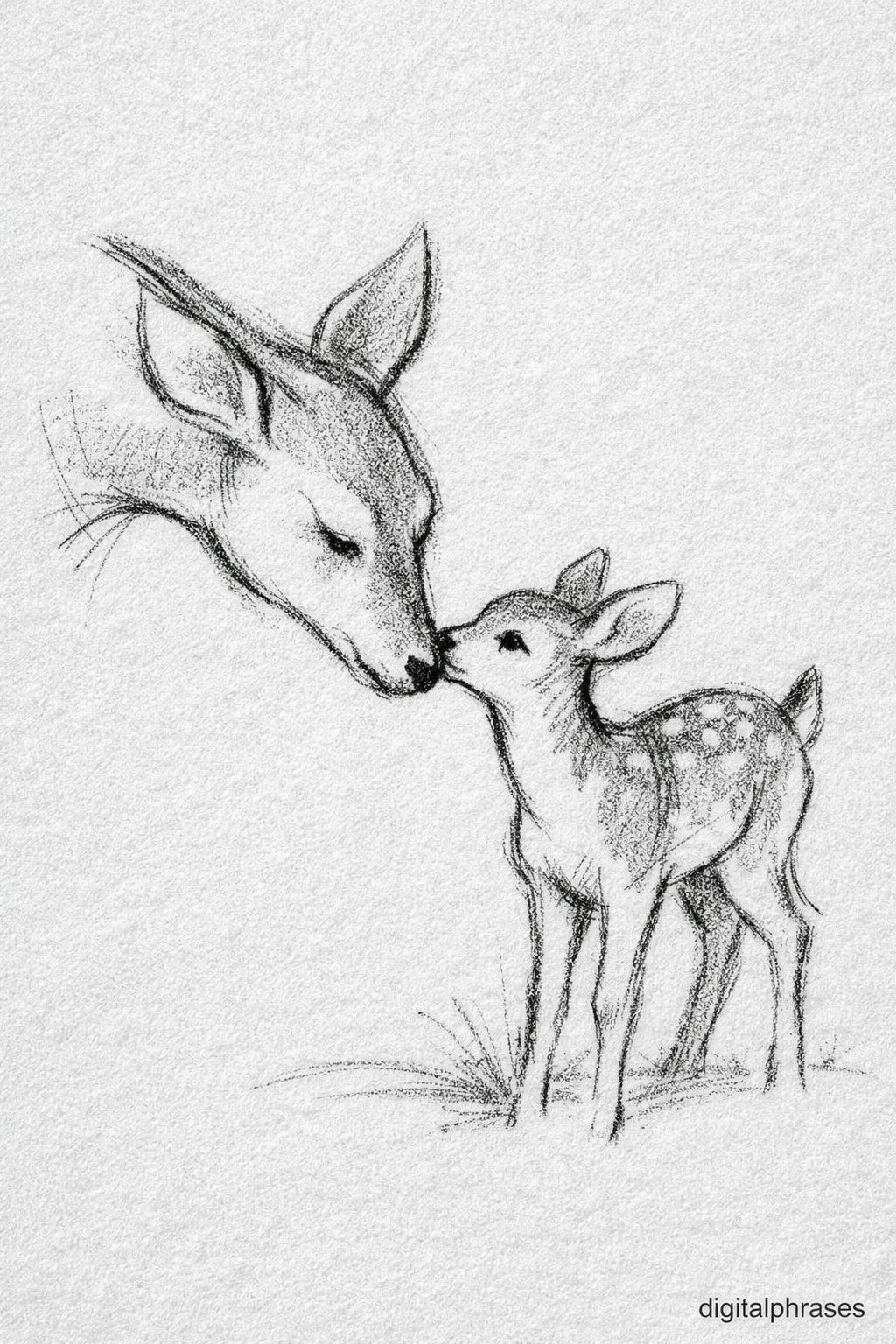
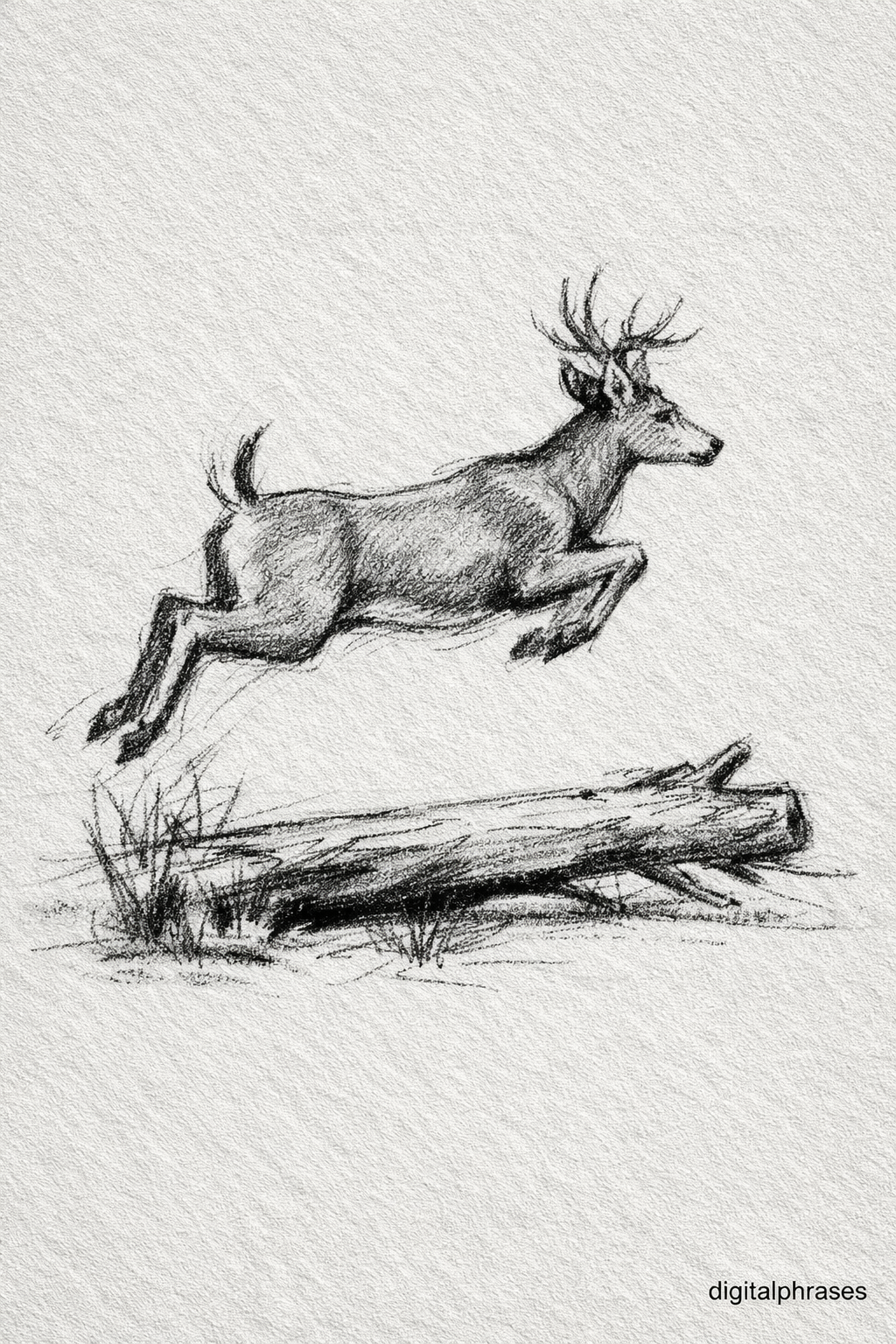
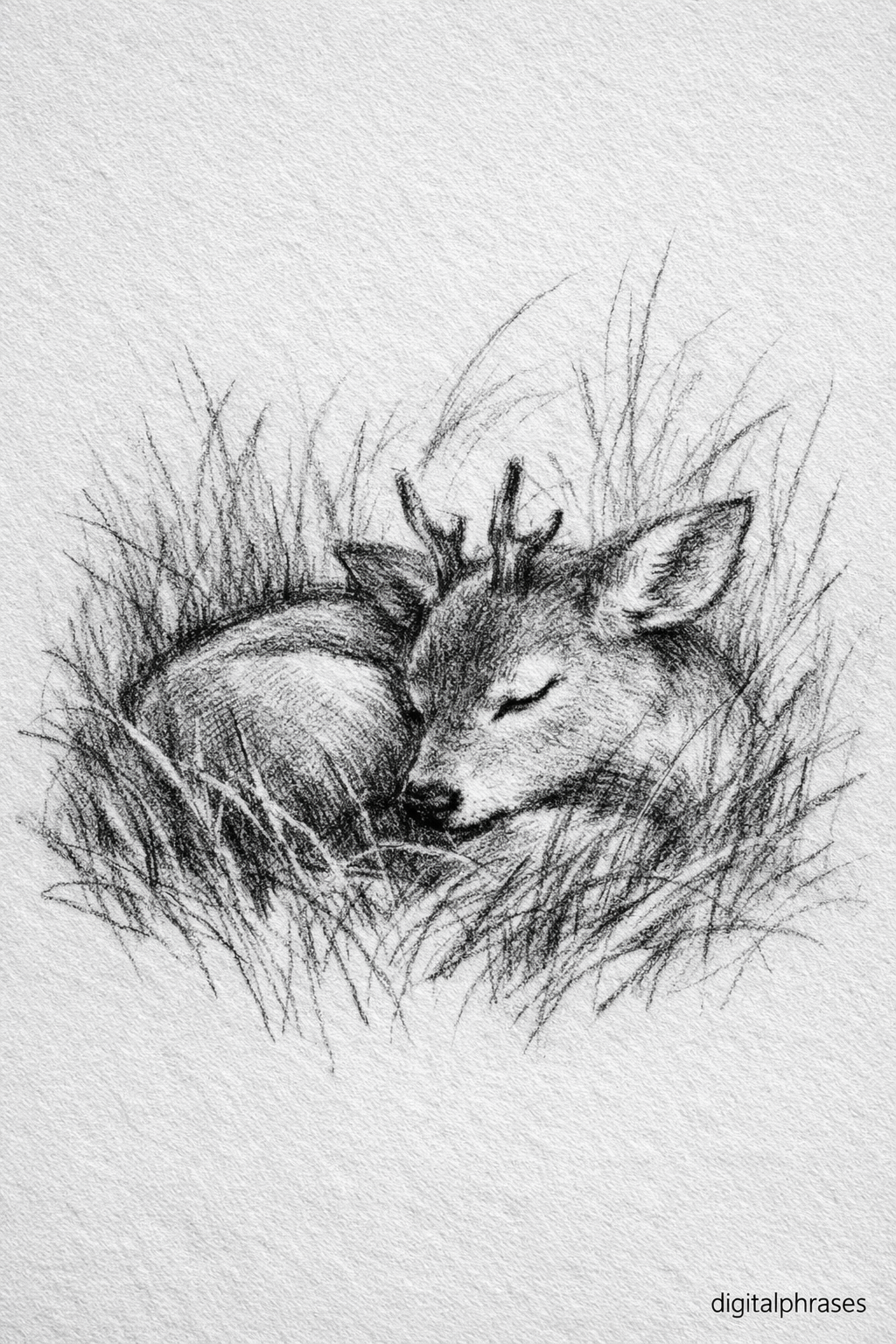
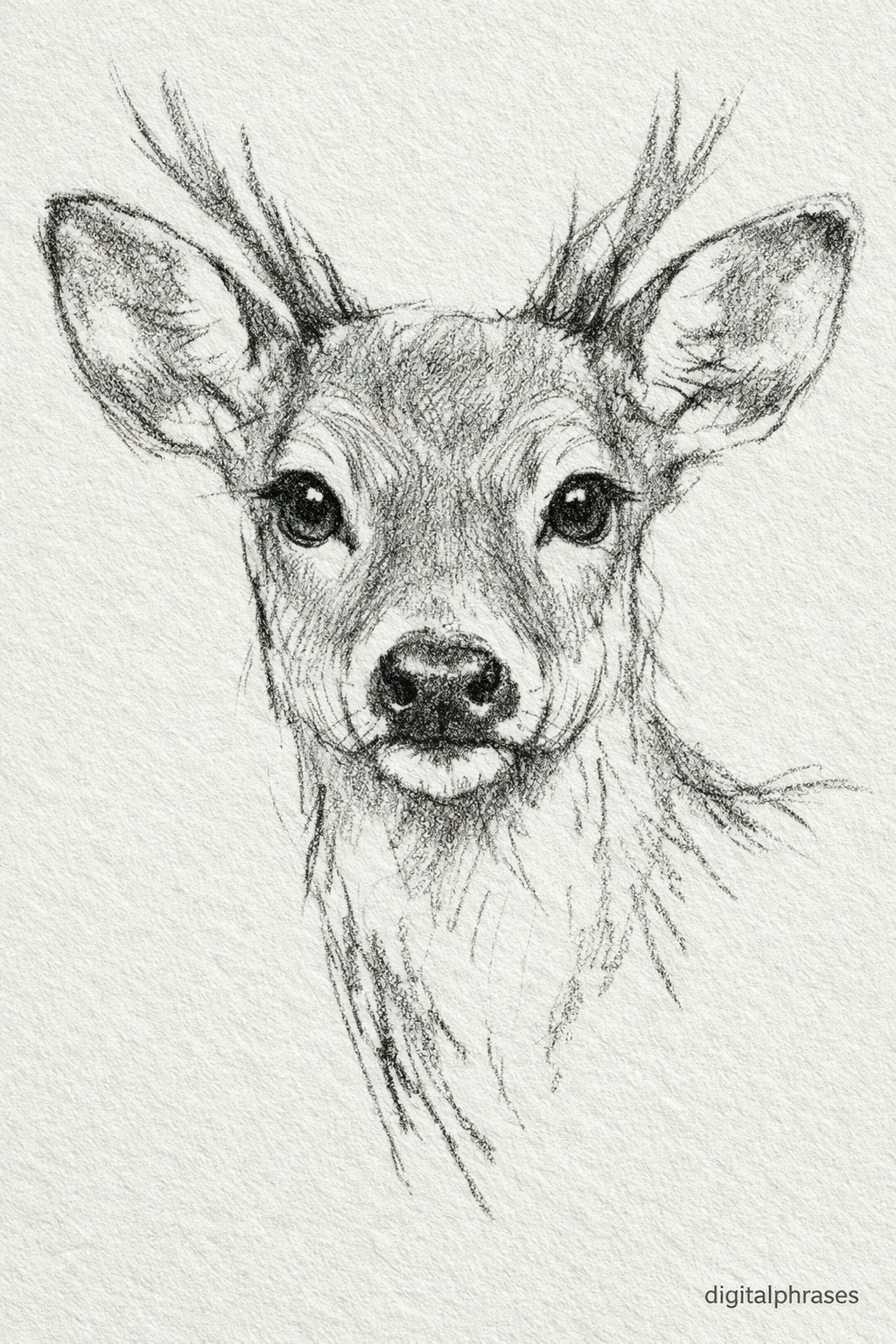
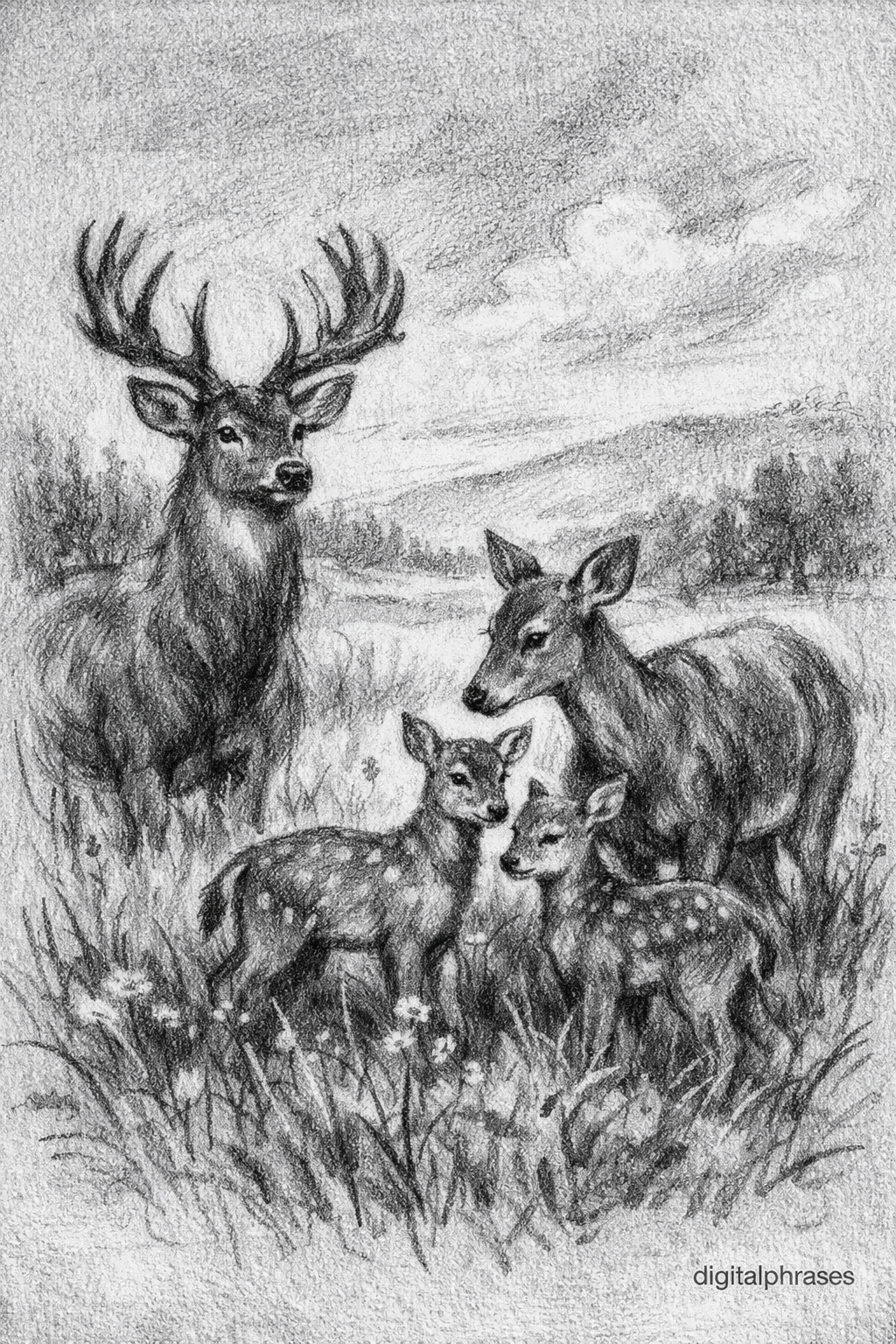
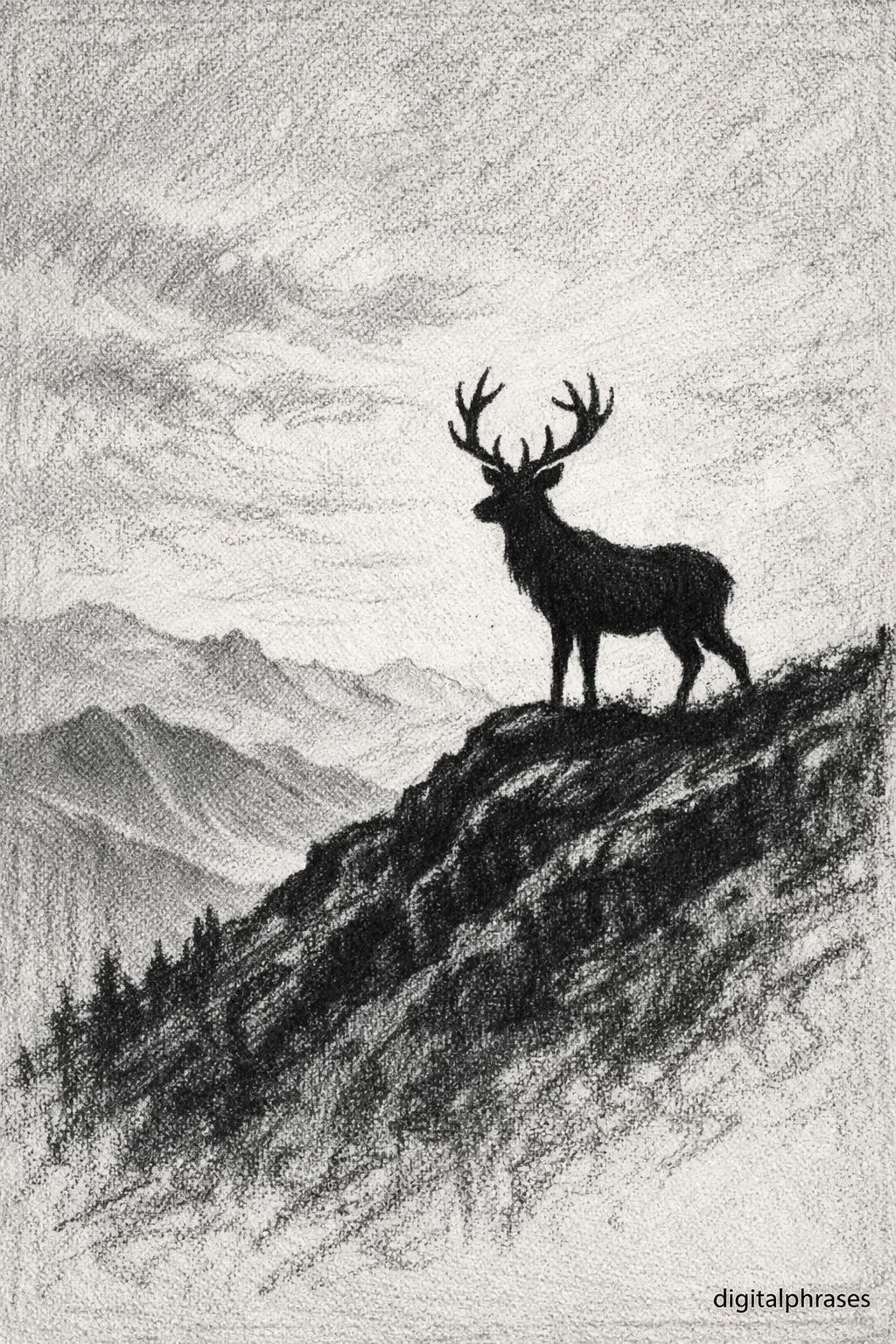
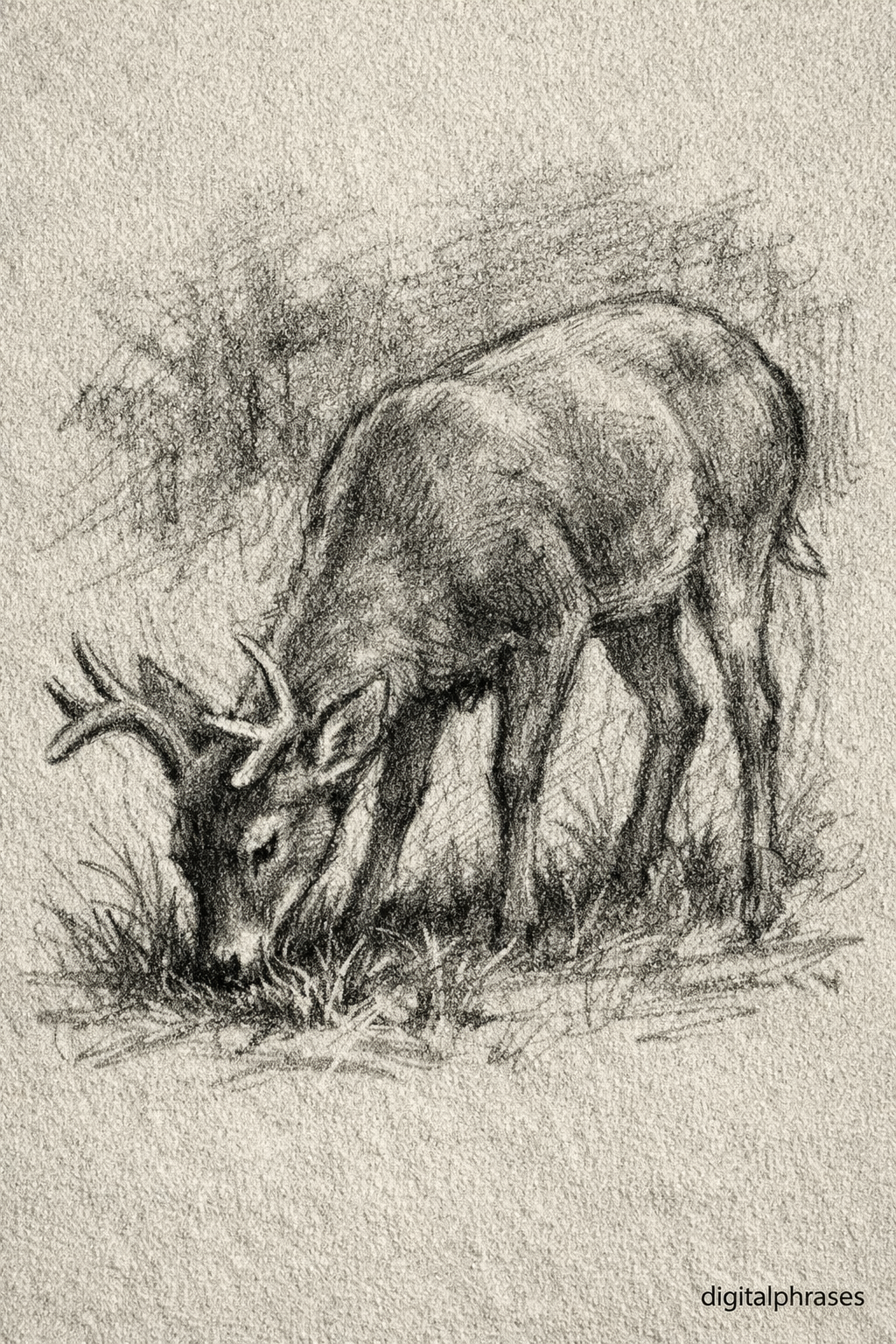
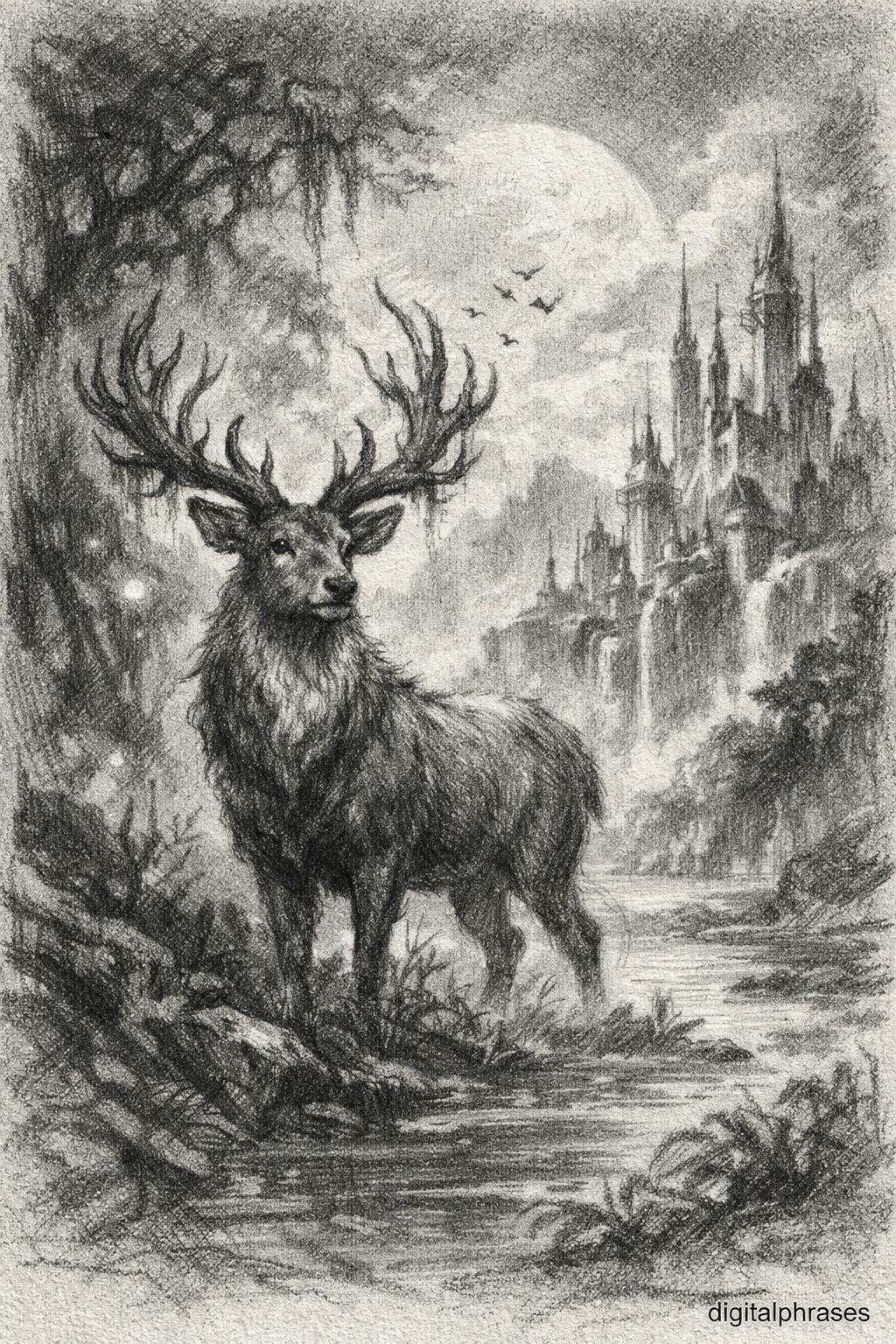
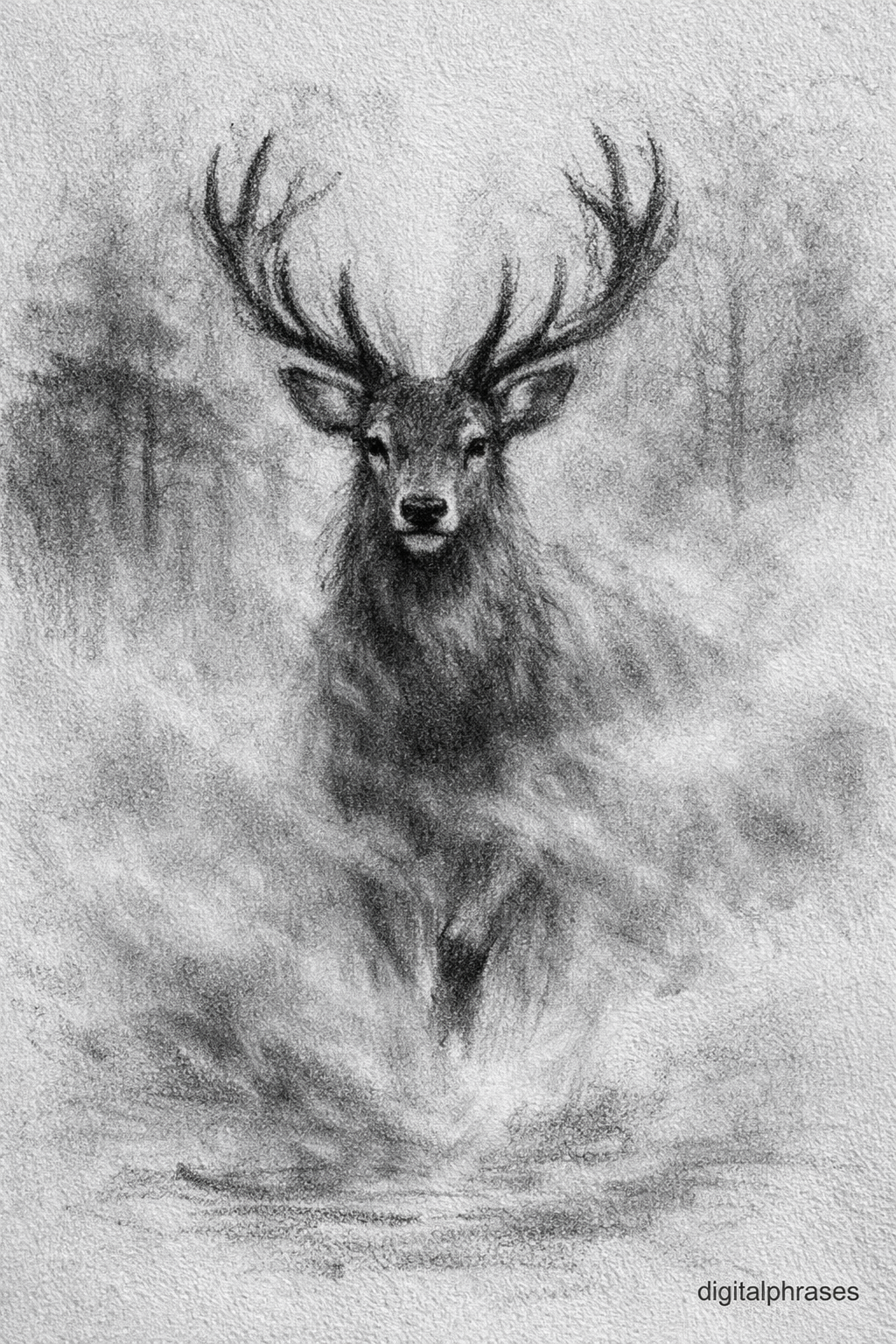
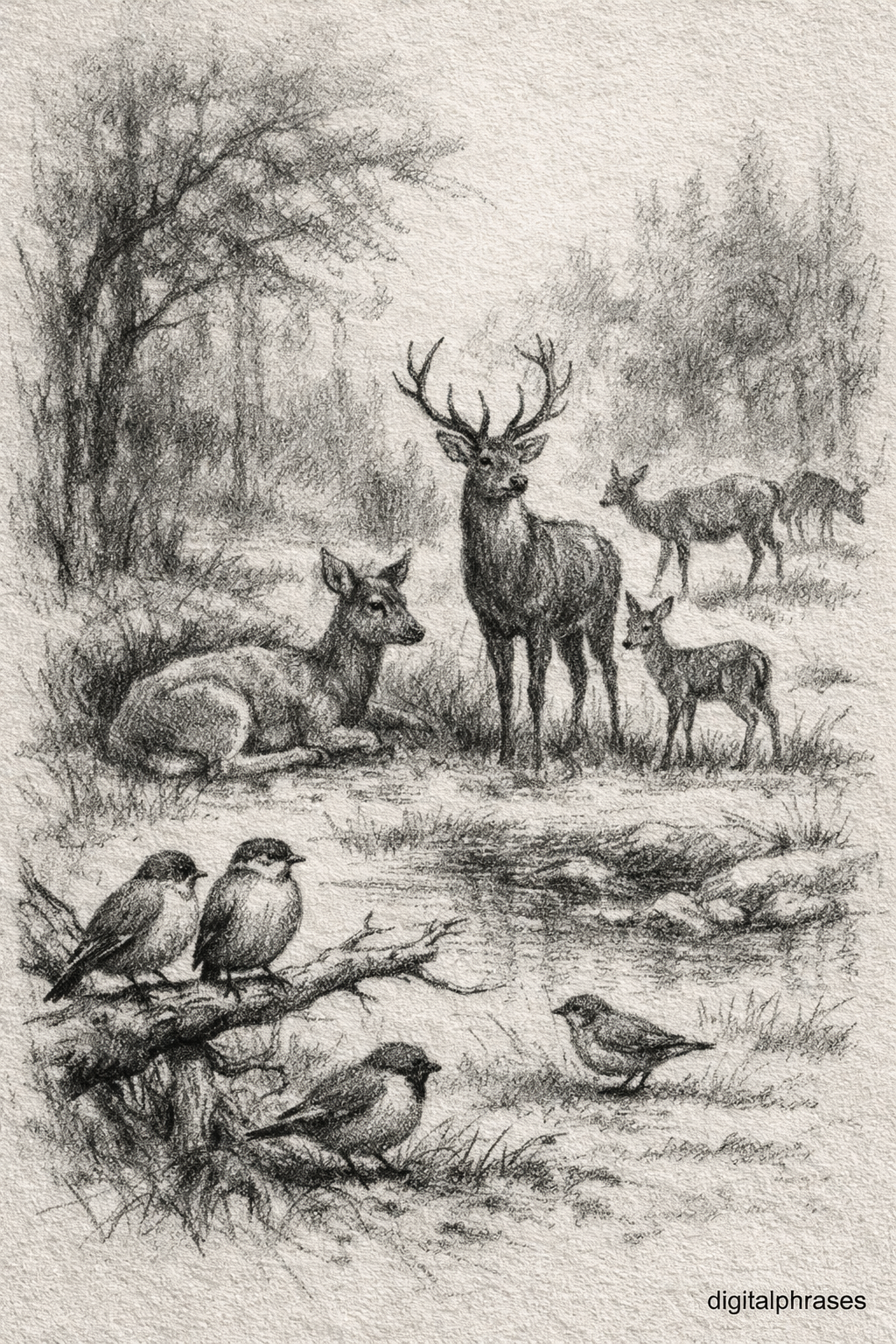
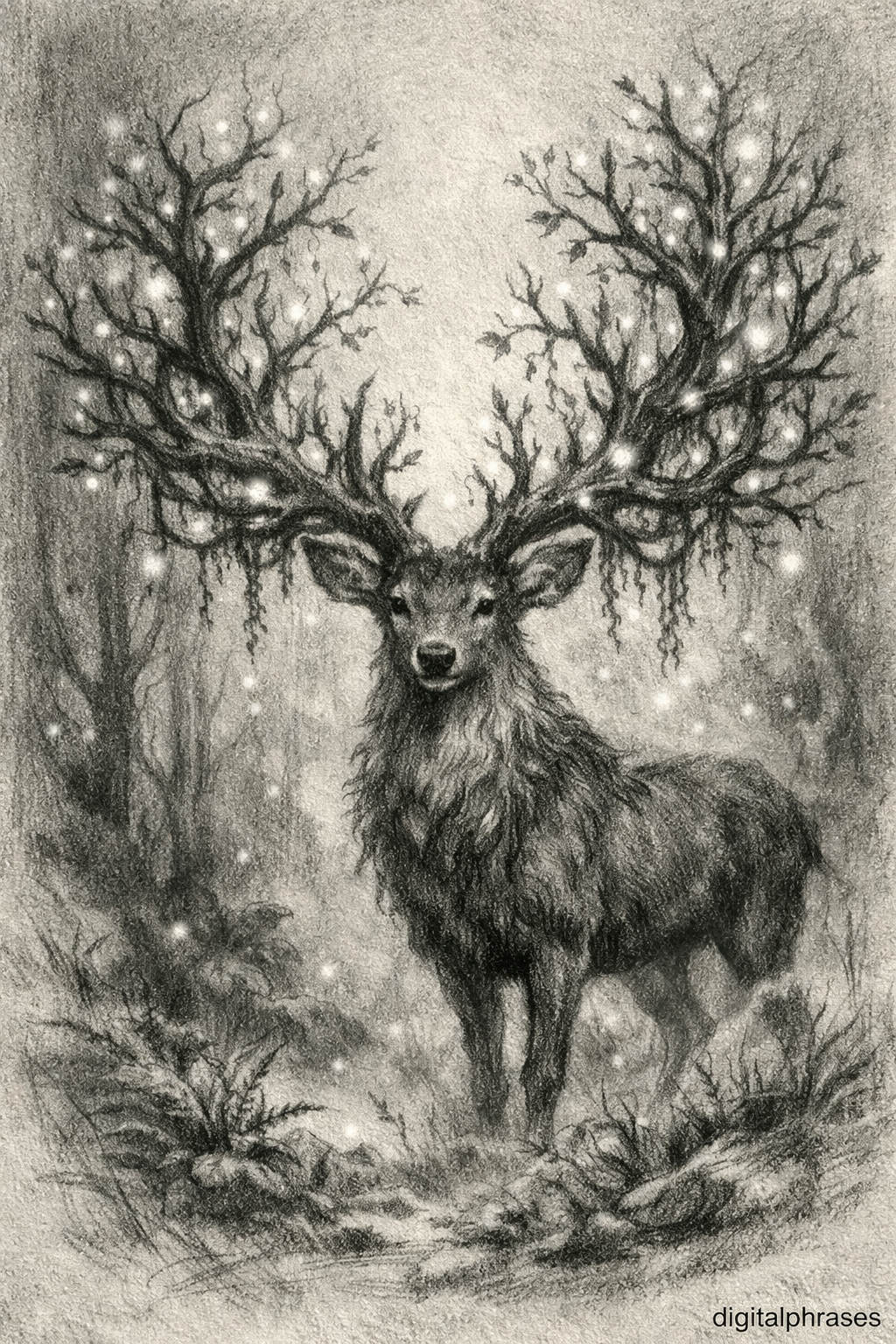
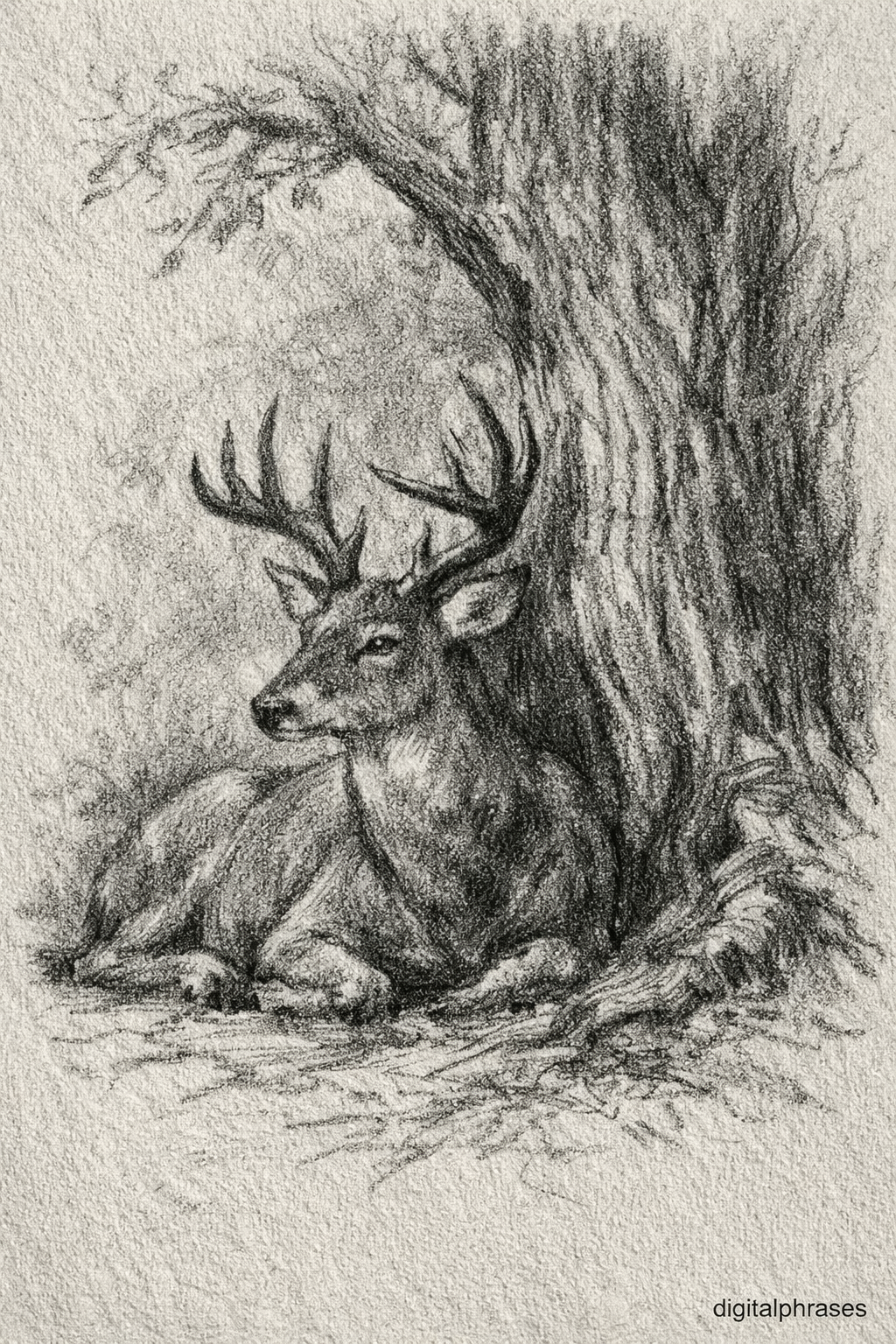
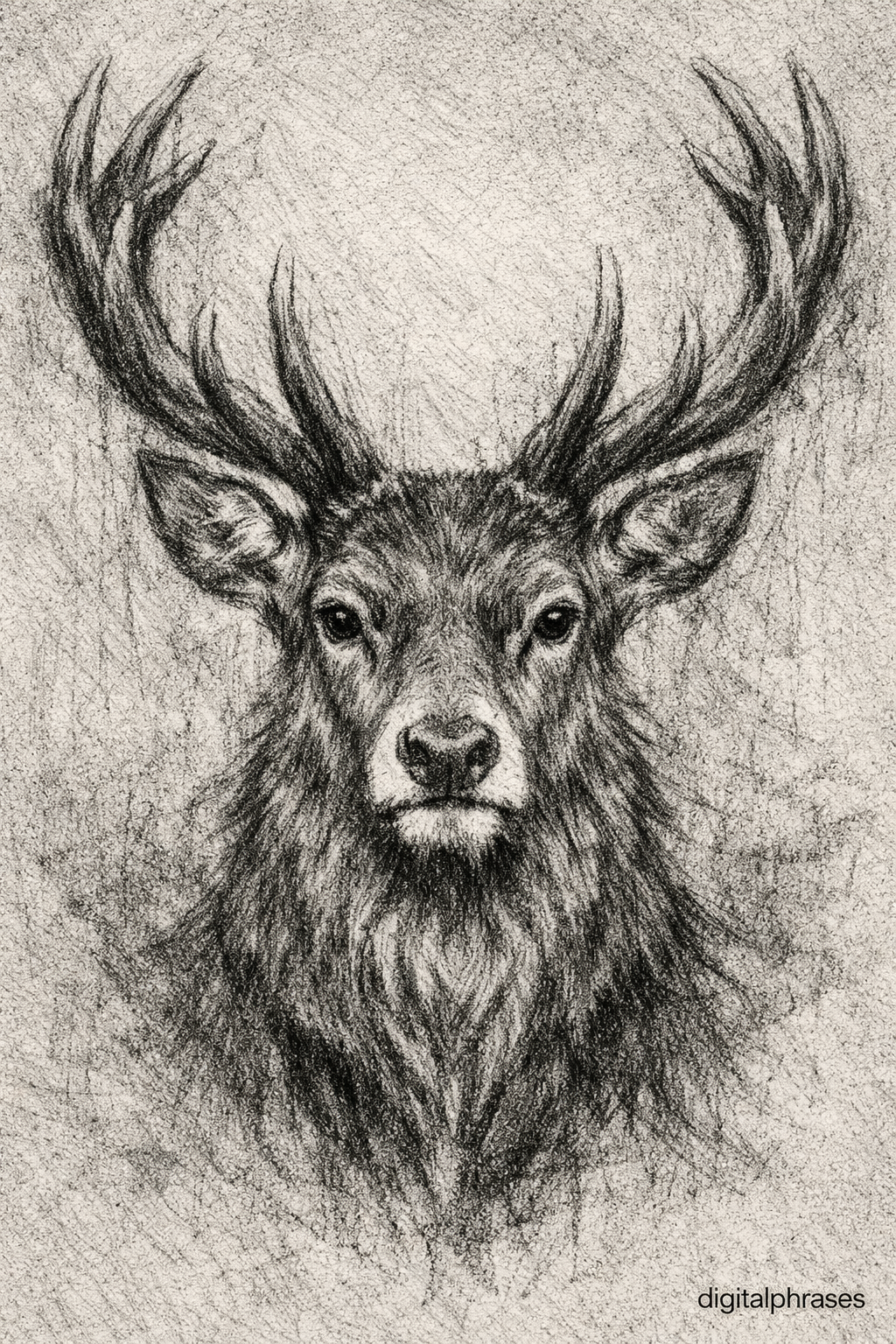
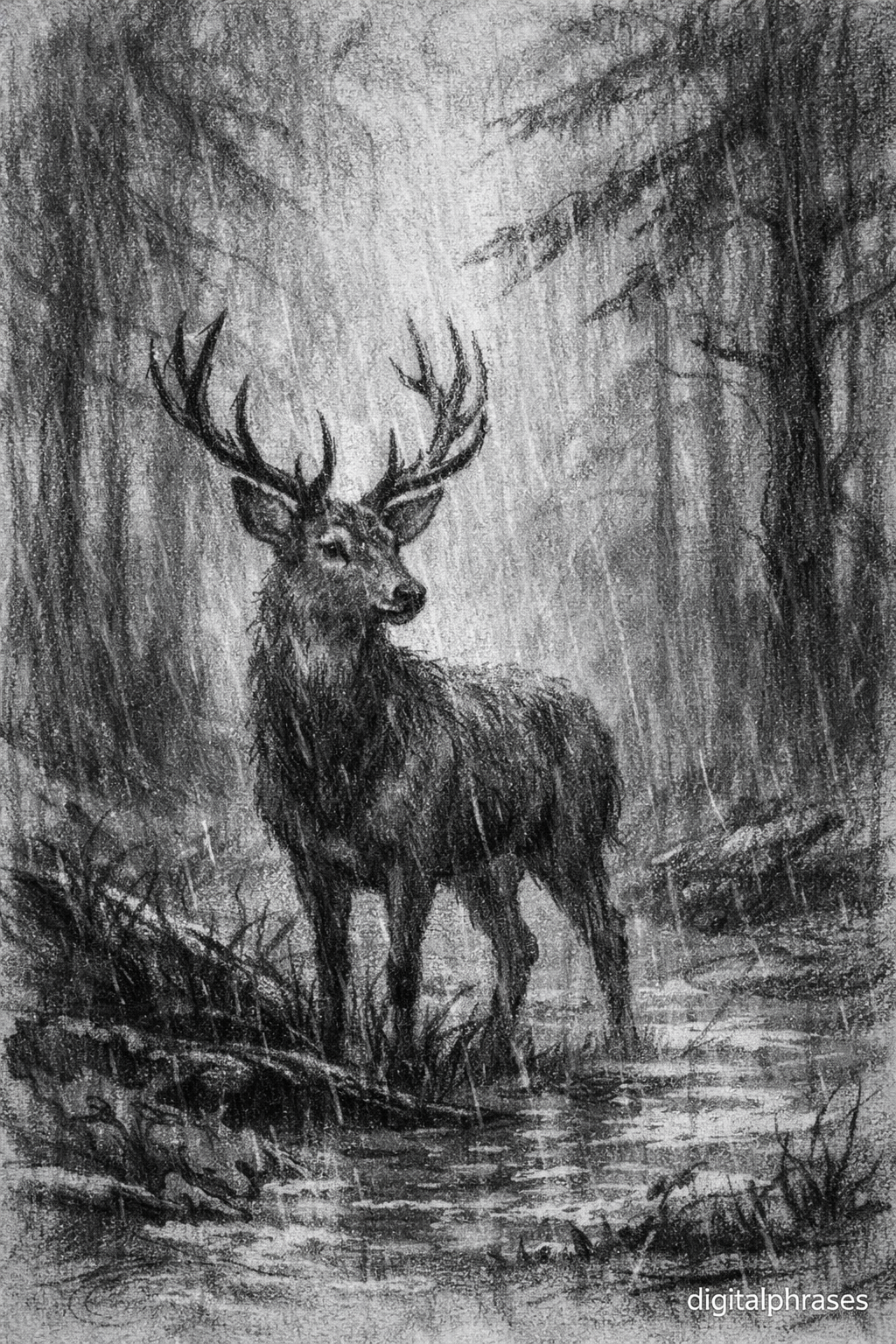
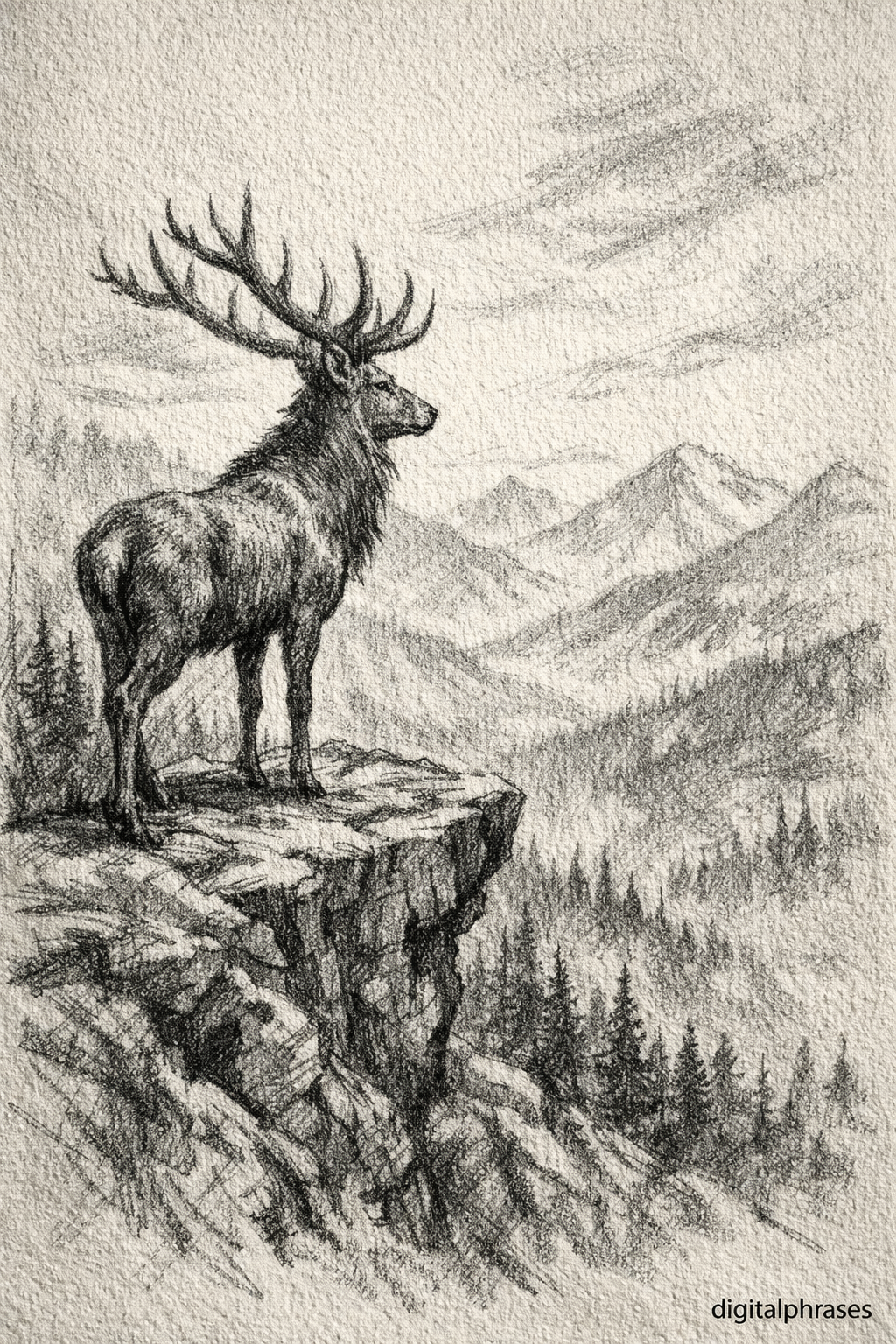
Drawing deer can be both fun and rewarding for artists of all skill levels. With their graceful posture, distinctive antlers, and gentle appearance, deer make excellent subjects for sketching and creative artwork.
In this collection of deer drawing ideas, you’ll find inspiration for different styles, poses, and techniques that can help improve your skills and spark new creative projects.
Deer Drawing Ideas
1
2
3
4
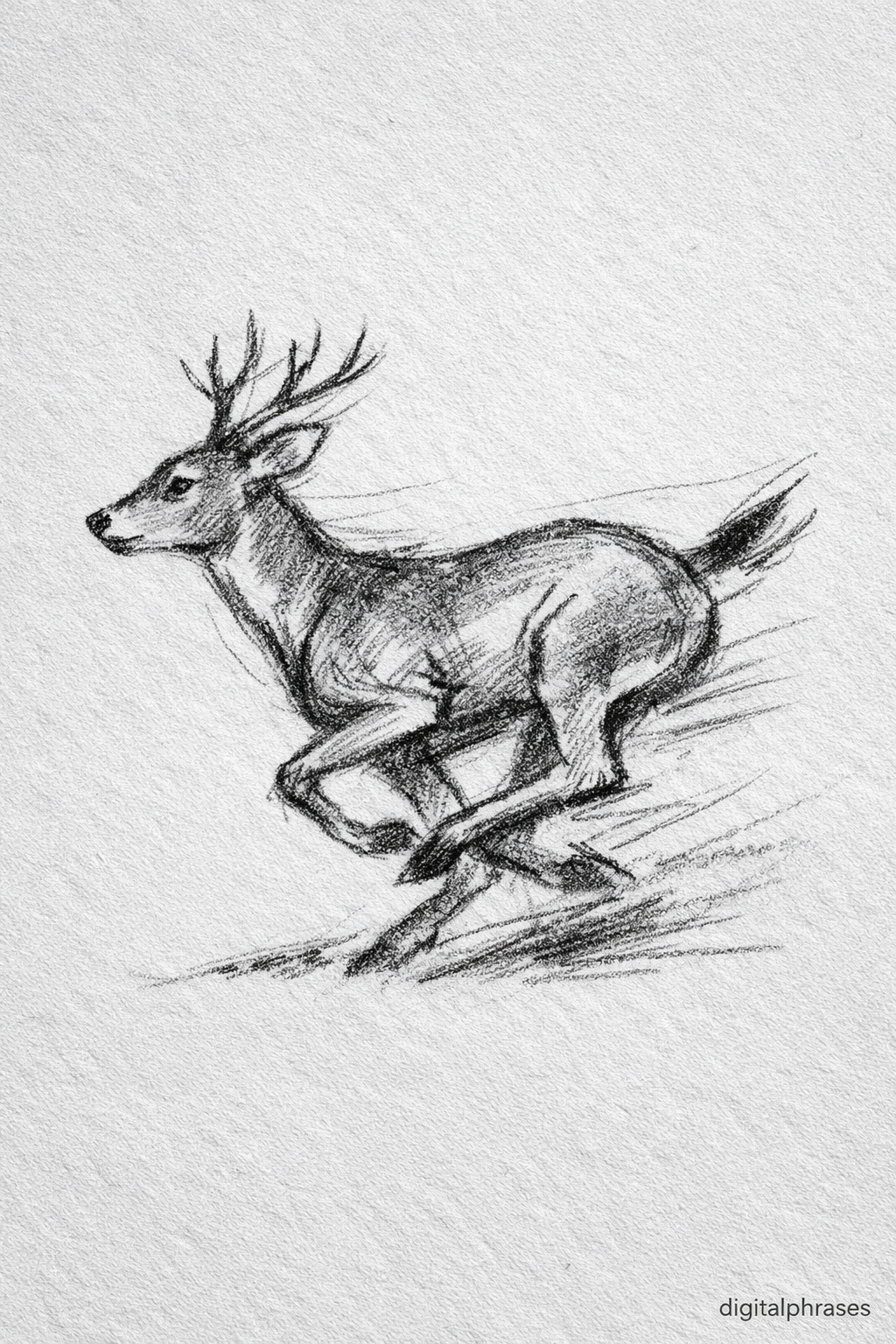
5
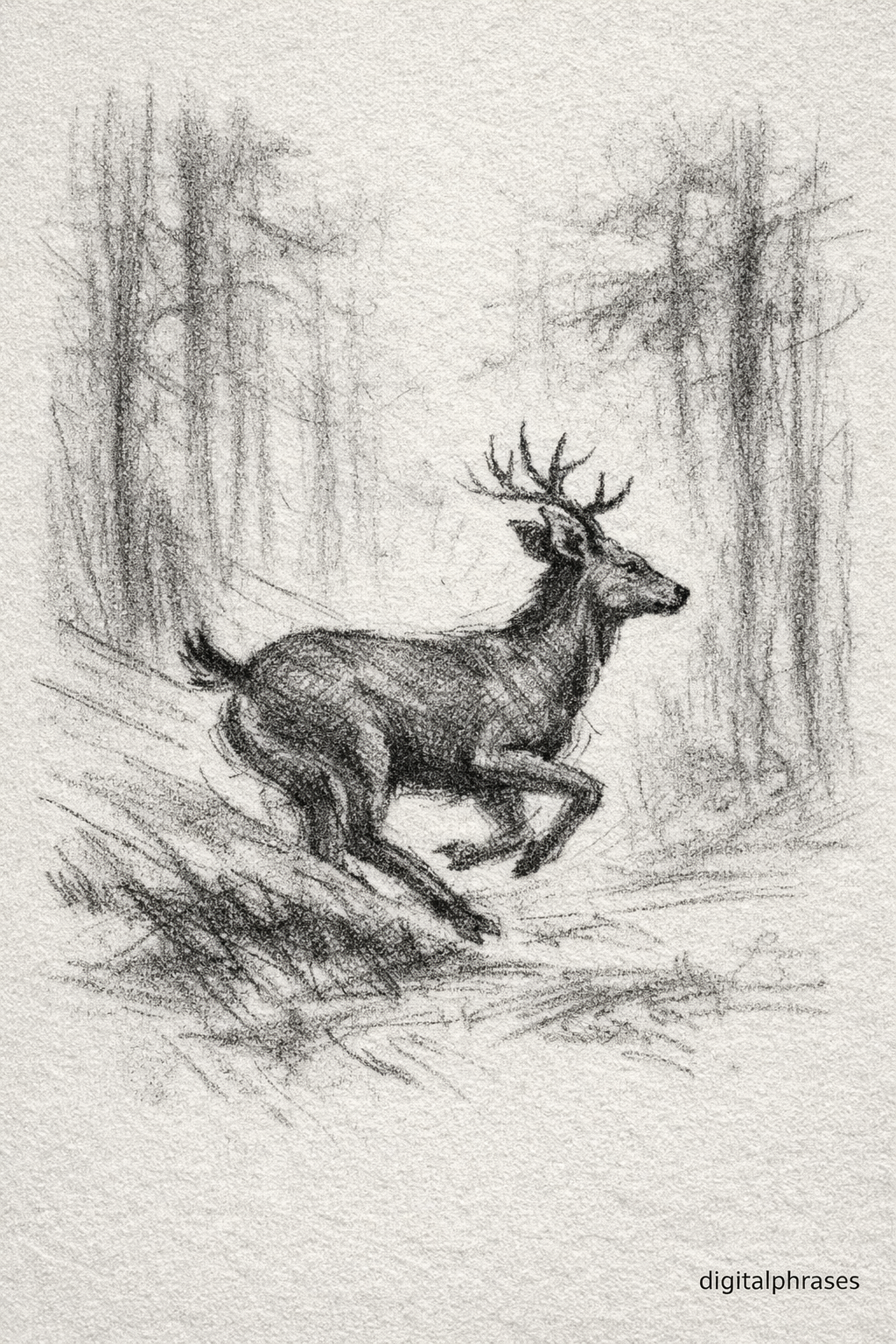
6
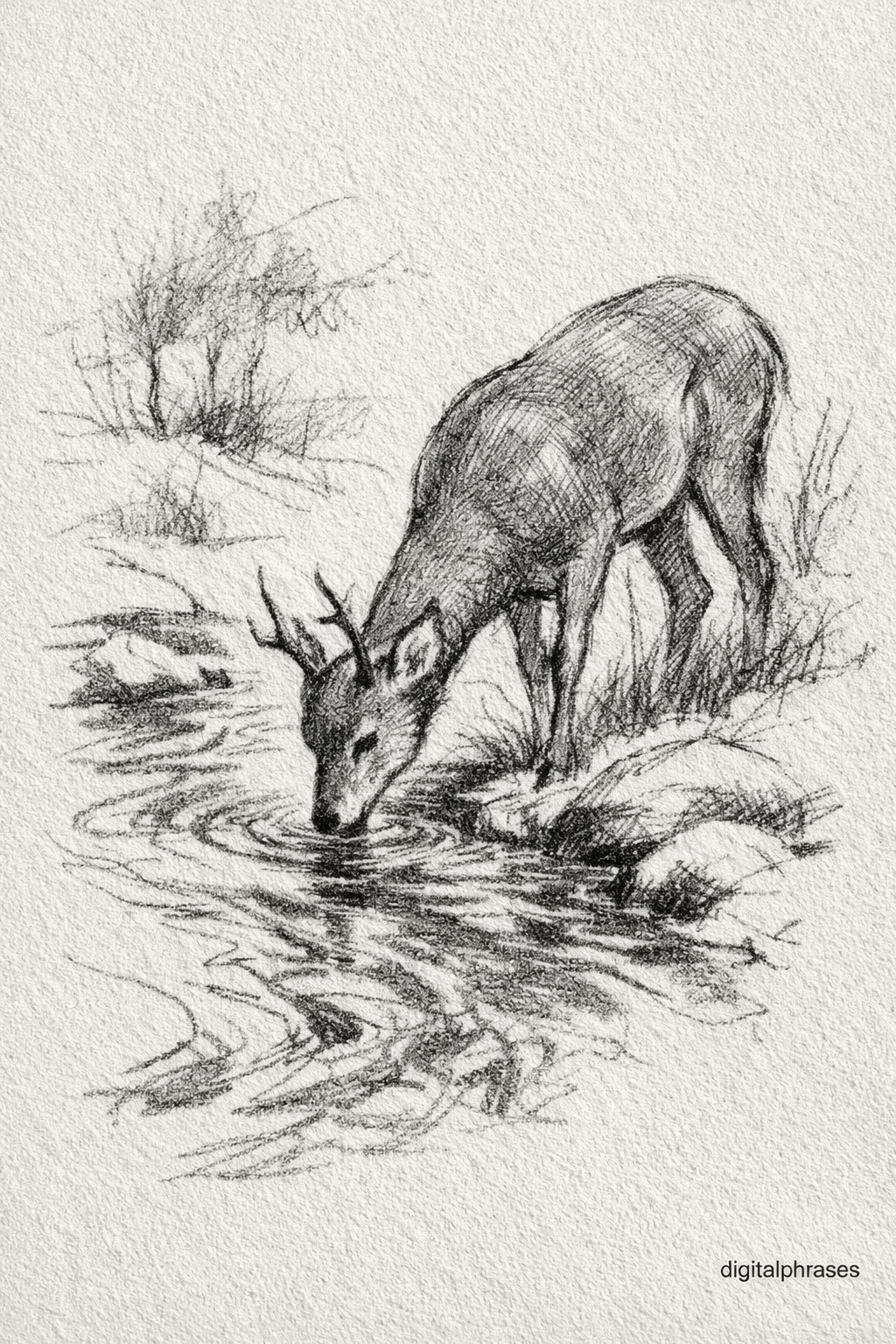
7
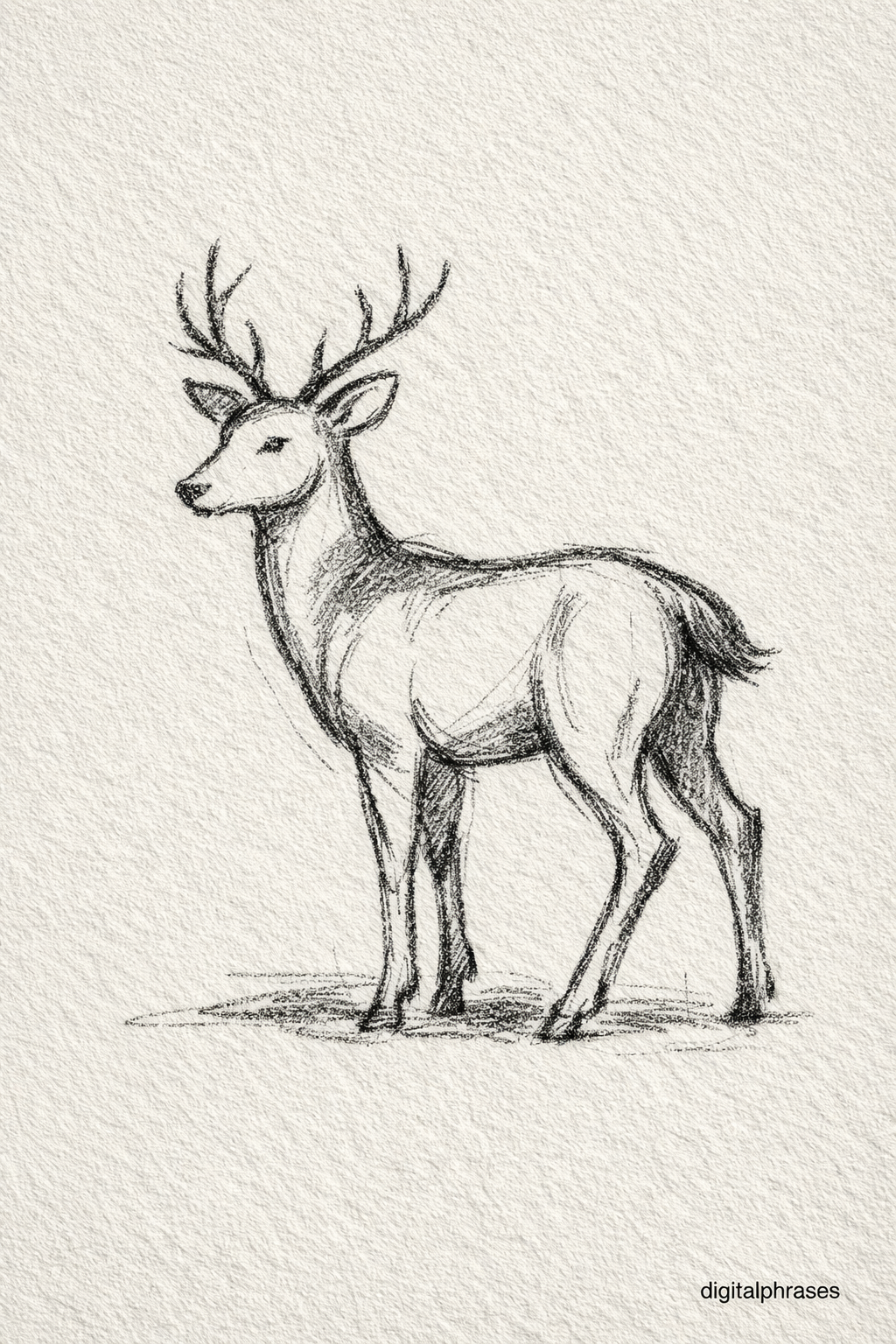
8
9
10
11
12
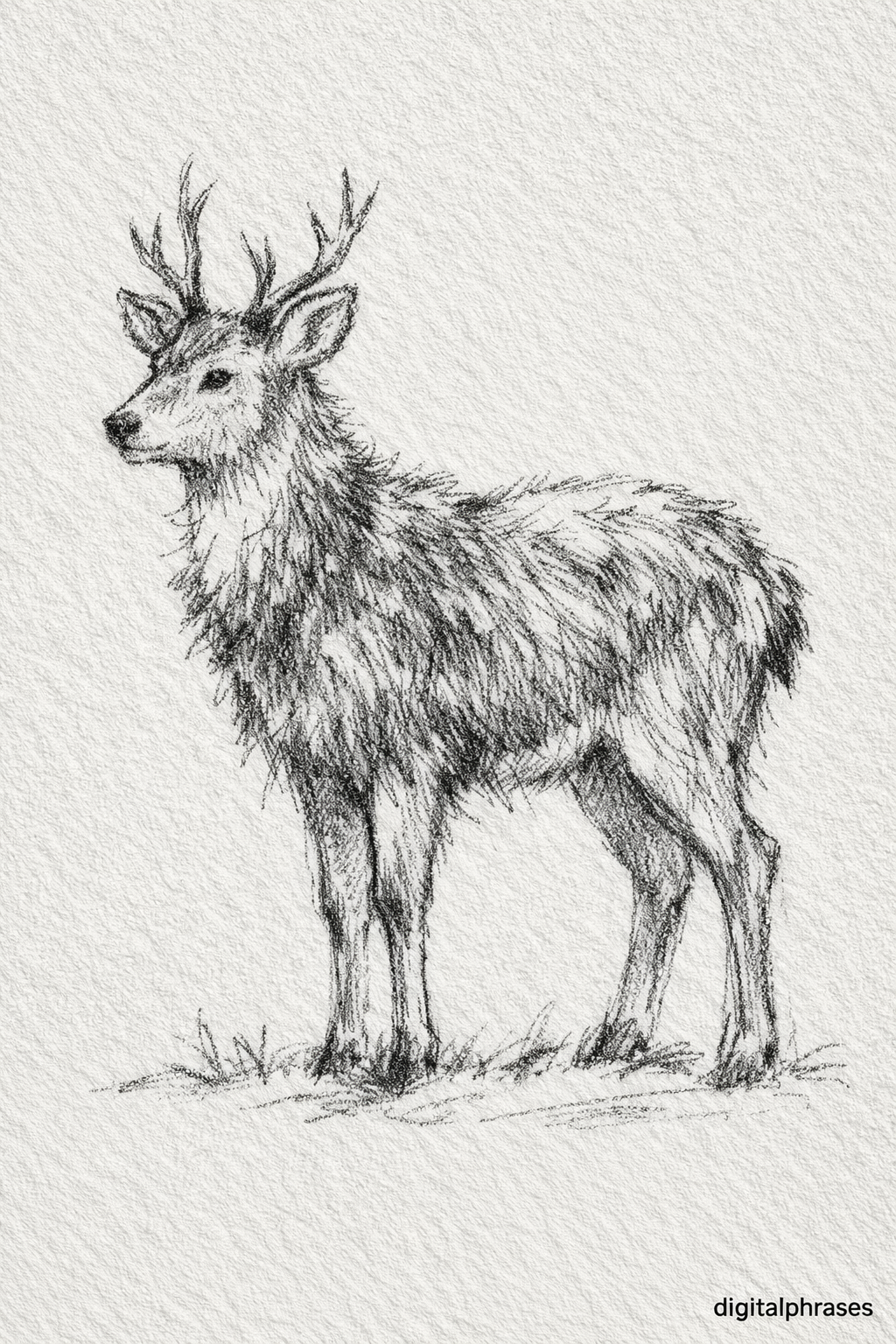
13
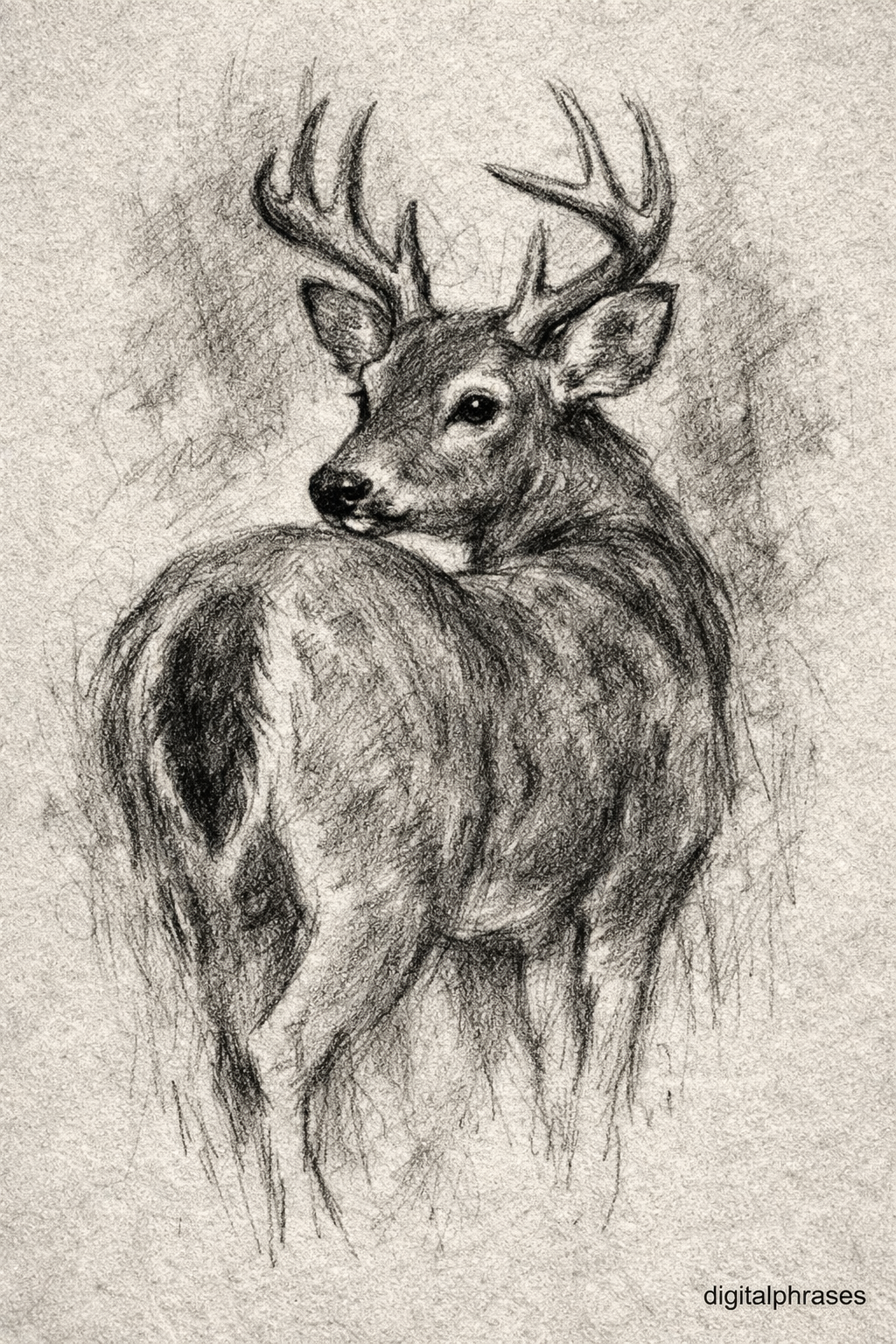
14
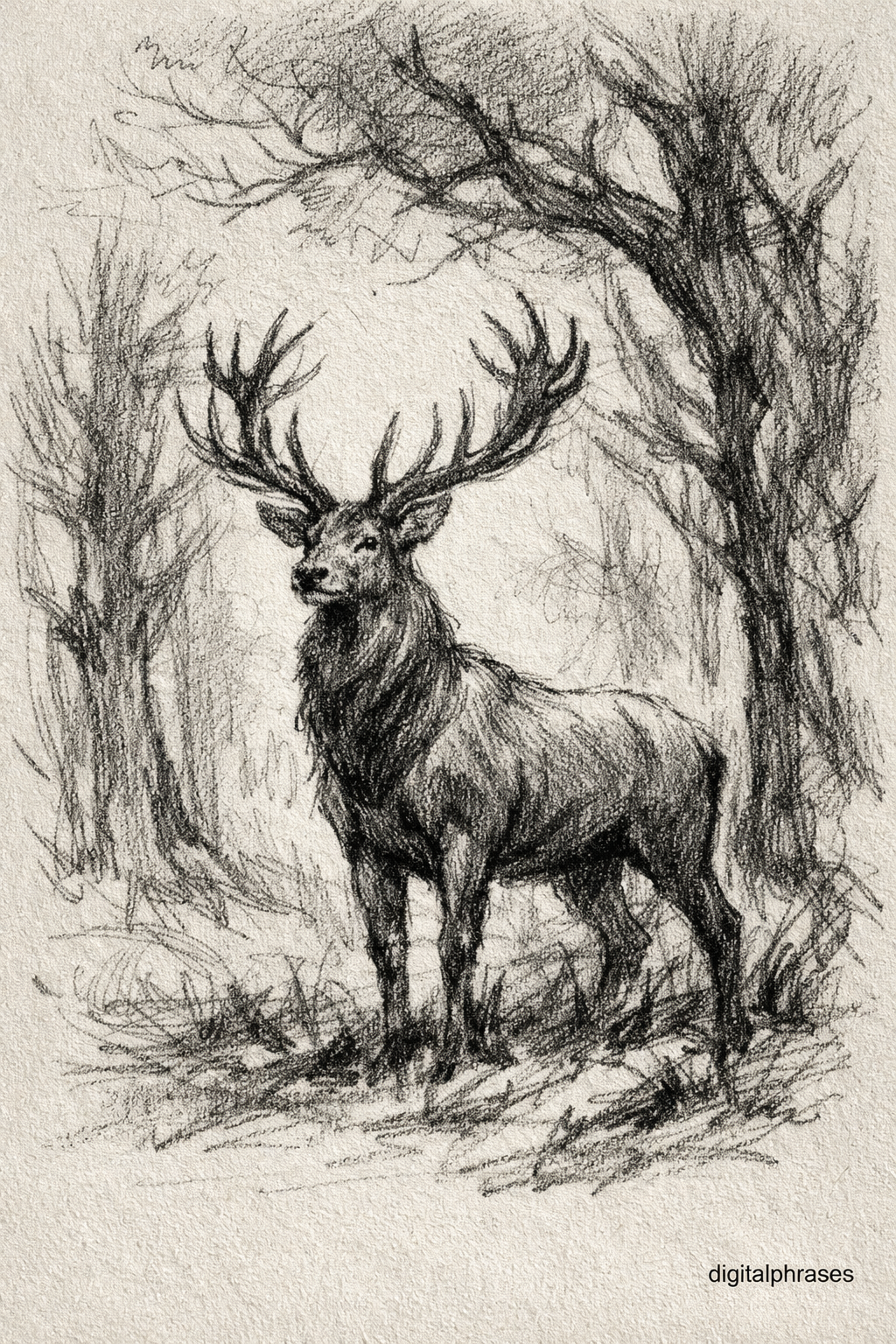
15
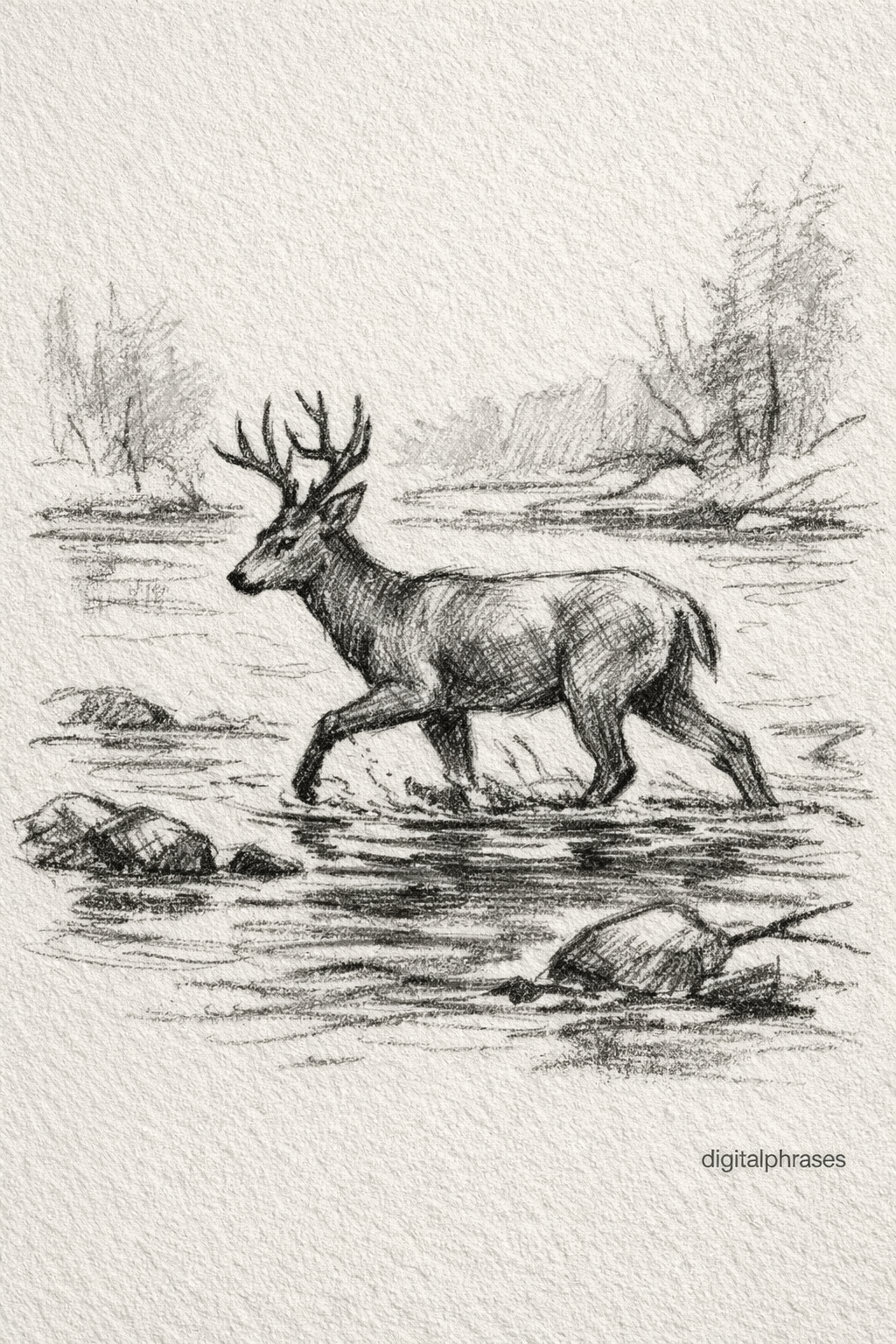
16
17
18
19
20
21
22
23
24
25
26
27
Tips For Drawing a Deer
Start with Simple Shapes
Begin your deer drawing by sketching basic geometric shapes instead of focusing on details right away.
Use circles for the head and torso, and connect them with simple lines to establish the neck and body position. Add straight lines for the legs and small ovals for the joints. This approach helps you create accurate proportions and makes it easier to adjust the pose before committing to finer details.
By building a strong foundation with simple shapes, you can avoid common mistakes and achieve a more balanced, natural-looking deer.
Study Deer Anatomy and Proportions
Understanding the structure of a deer is essential for creating realistic artwork. Spend some time observing reference photos and noting key features such as the long legs, slender neck, large ears, and graceful body shape.
Pay attention to how the legs bend and how the head connects to the neck. Learning these anatomical details will improve the accuracy of your drawings and help you capture the elegant appearance that makes deer such fascinating subjects.
Focus on the Eyes and Facial Features
The eyes are often the most expressive part of a deer drawing. Carefully place the eyes on the head and make sure they are proportional to the rest of the face. Add subtle details around the nose, mouth, and ears to bring the animal to life.
Deer typically have soft, gentle expressions, so avoid overly harsh lines. Spending extra time refining facial features can significantly enhance the overall character and realism of your artwork.
Use Light and Layered Shading
Shading adds depth and dimension to your deer drawing. Start with light pencil strokes and gradually build darker tones where shadows naturally occur, such as under the neck, along the legs, and beneath the body.
Observe the direction of the light source and shade consistently throughout the drawing. Layering your shading slowly allows you to create smooth transitions and realistic textures without making the image appear too heavy or flat.
Add Fur Texture and Natural Details
Once the basic form and shading are complete, enhance your drawing by adding fur texture and environmental details. Use short, controlled pencil strokes that follow the direction of the fur growth.
Vary the length and density of the strokes to create a more natural appearance.
You can also include elements such as grass, trees, or a forest background to provide context and make the composition more engaging. Small details help transform a simple sketch into a polished and visually appealing piece of art.