Flamingo Drawing Ideas
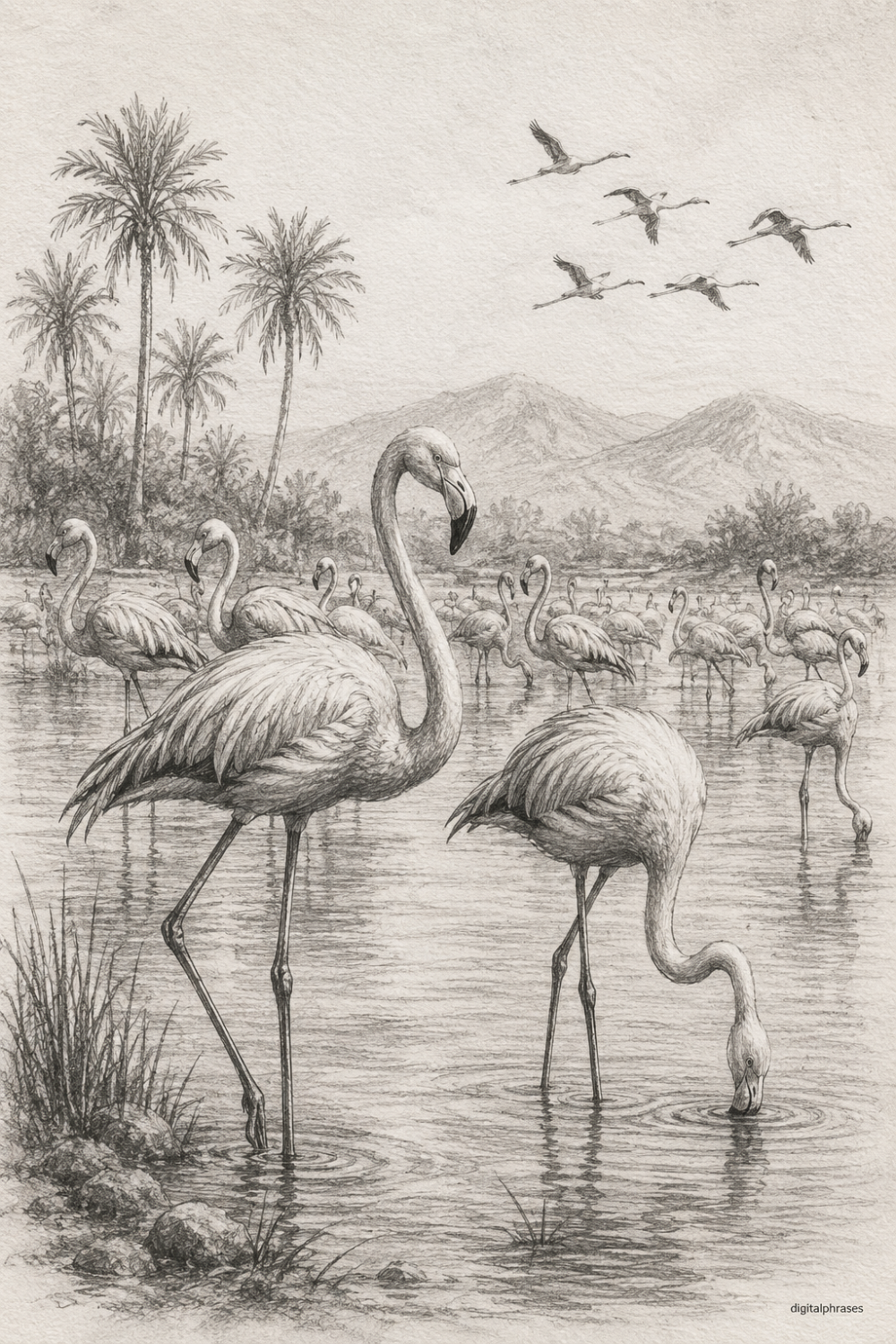
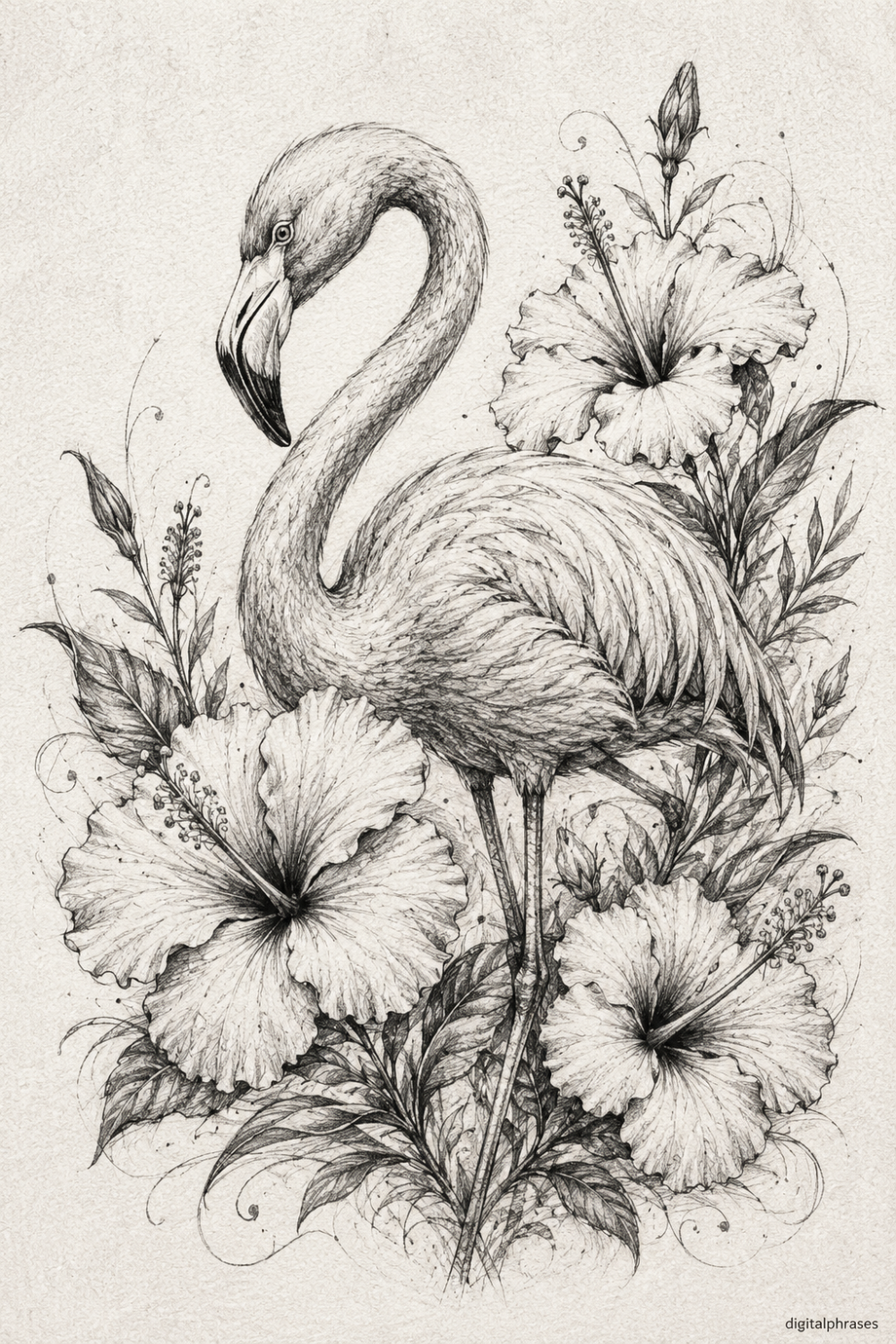
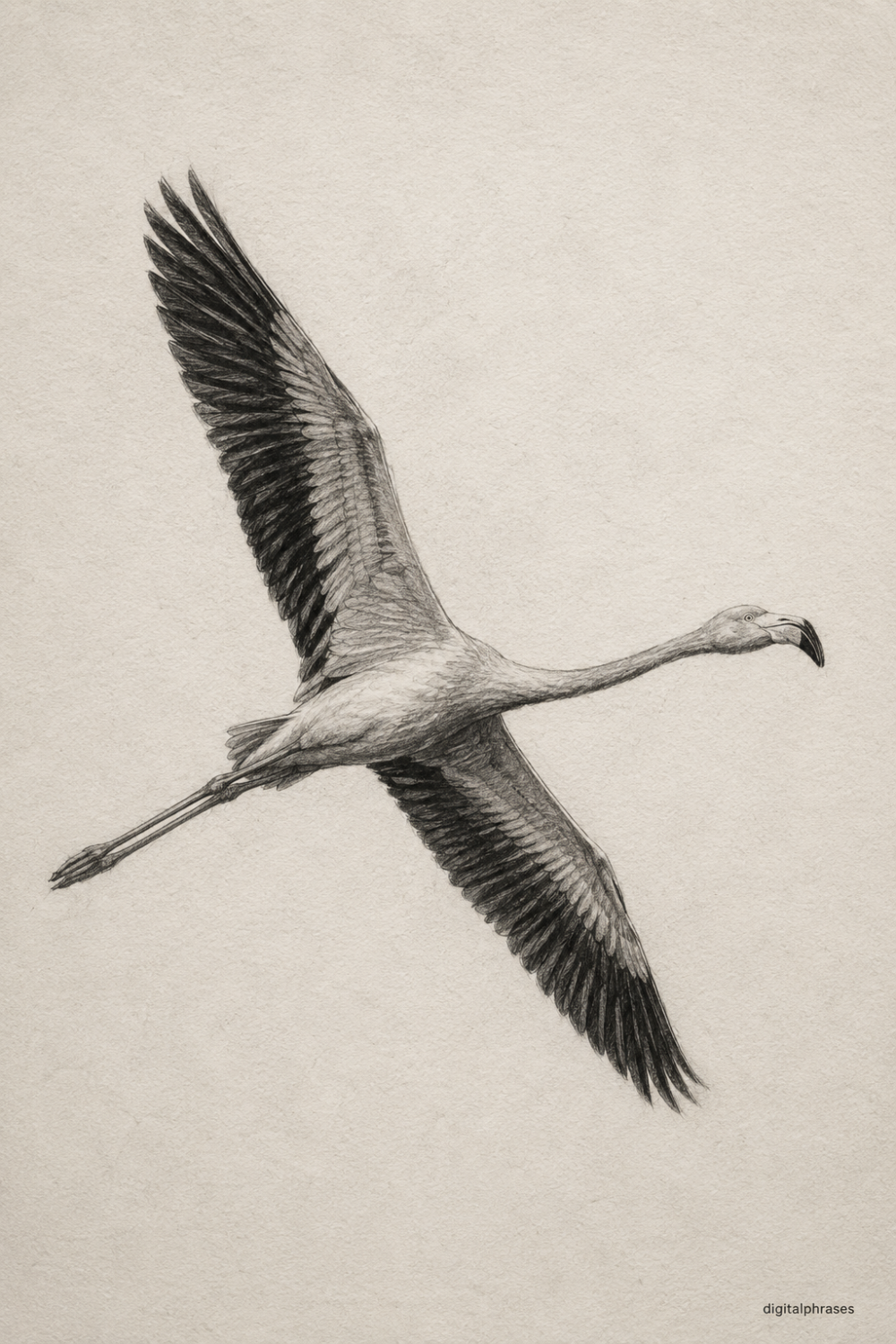
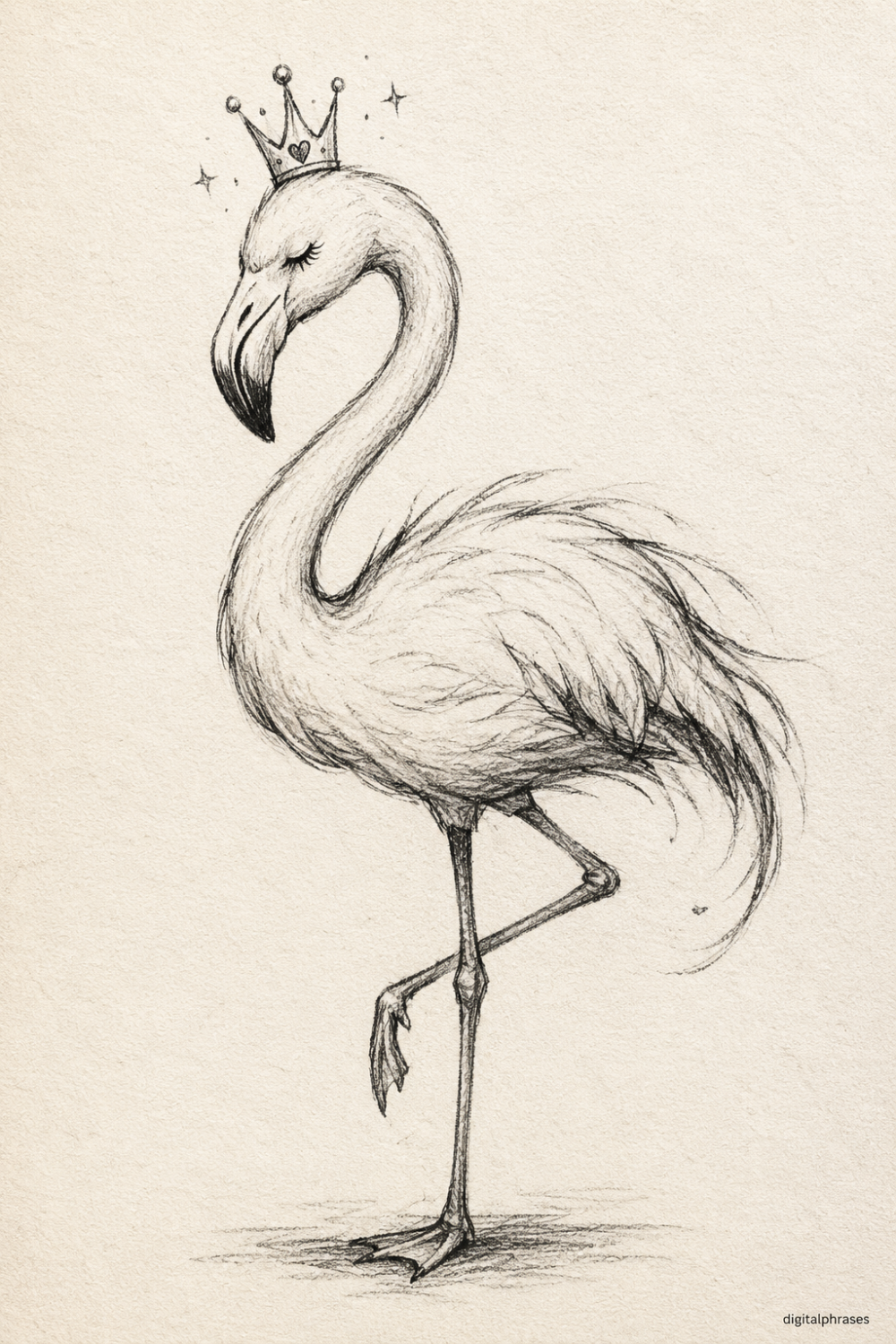
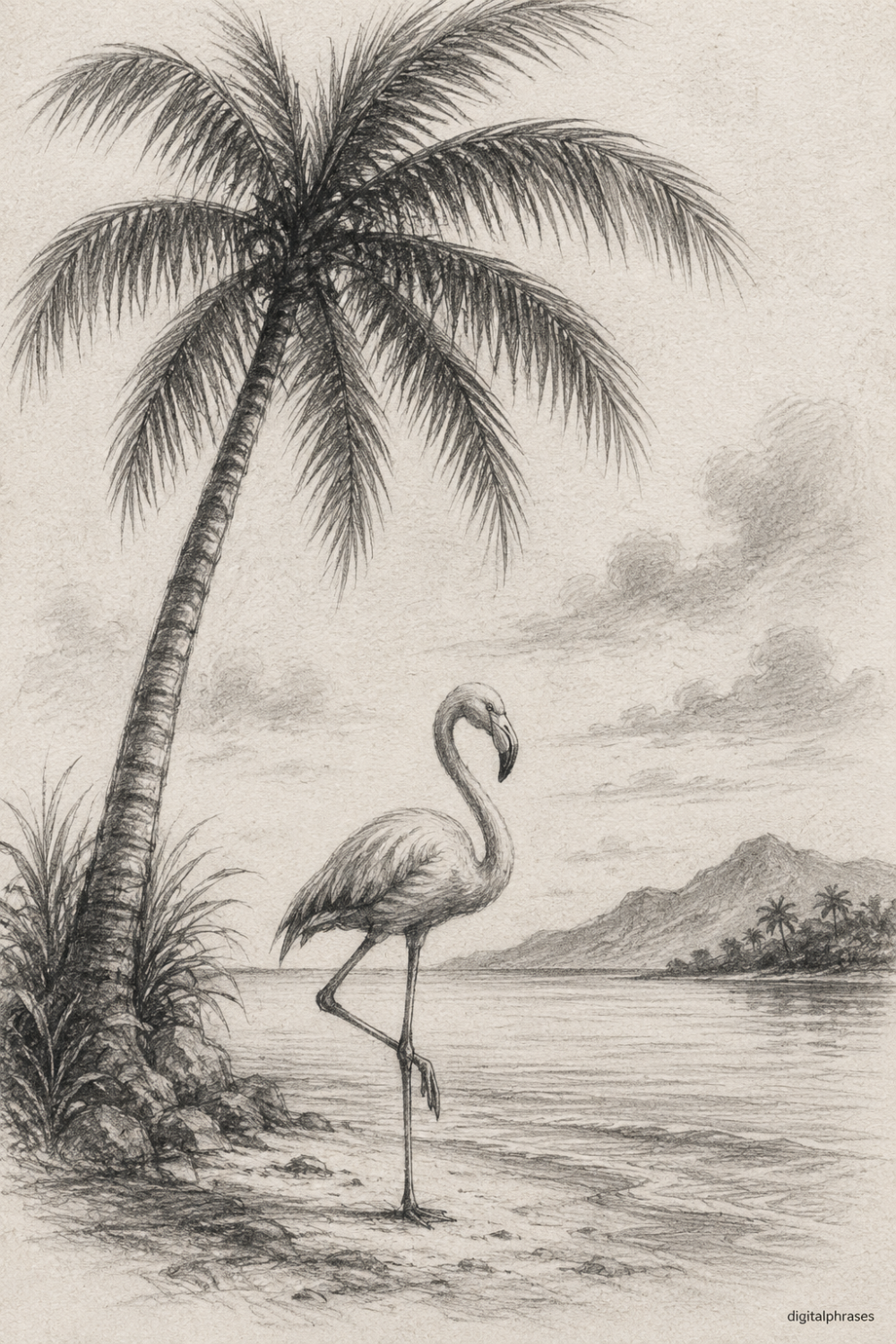
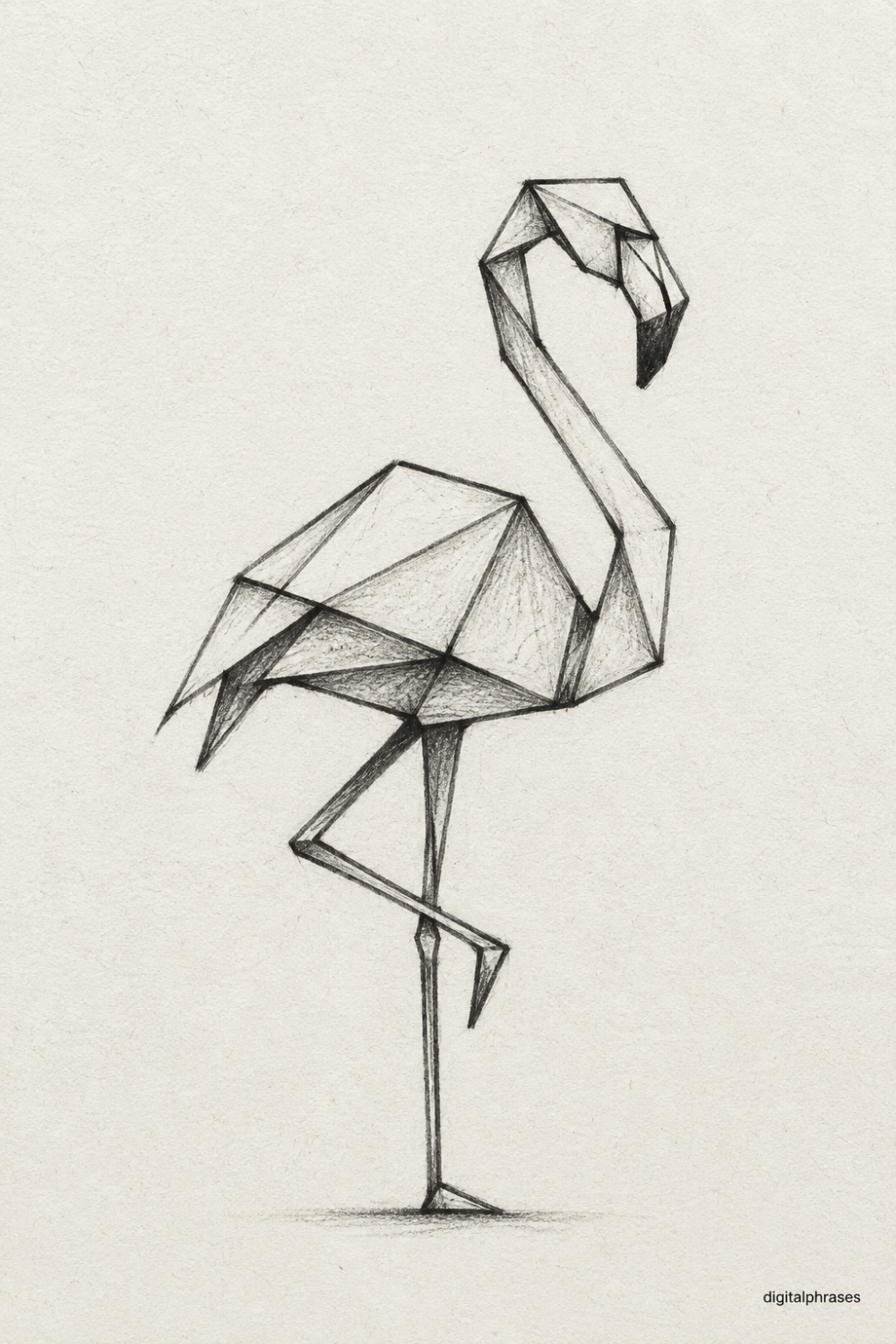
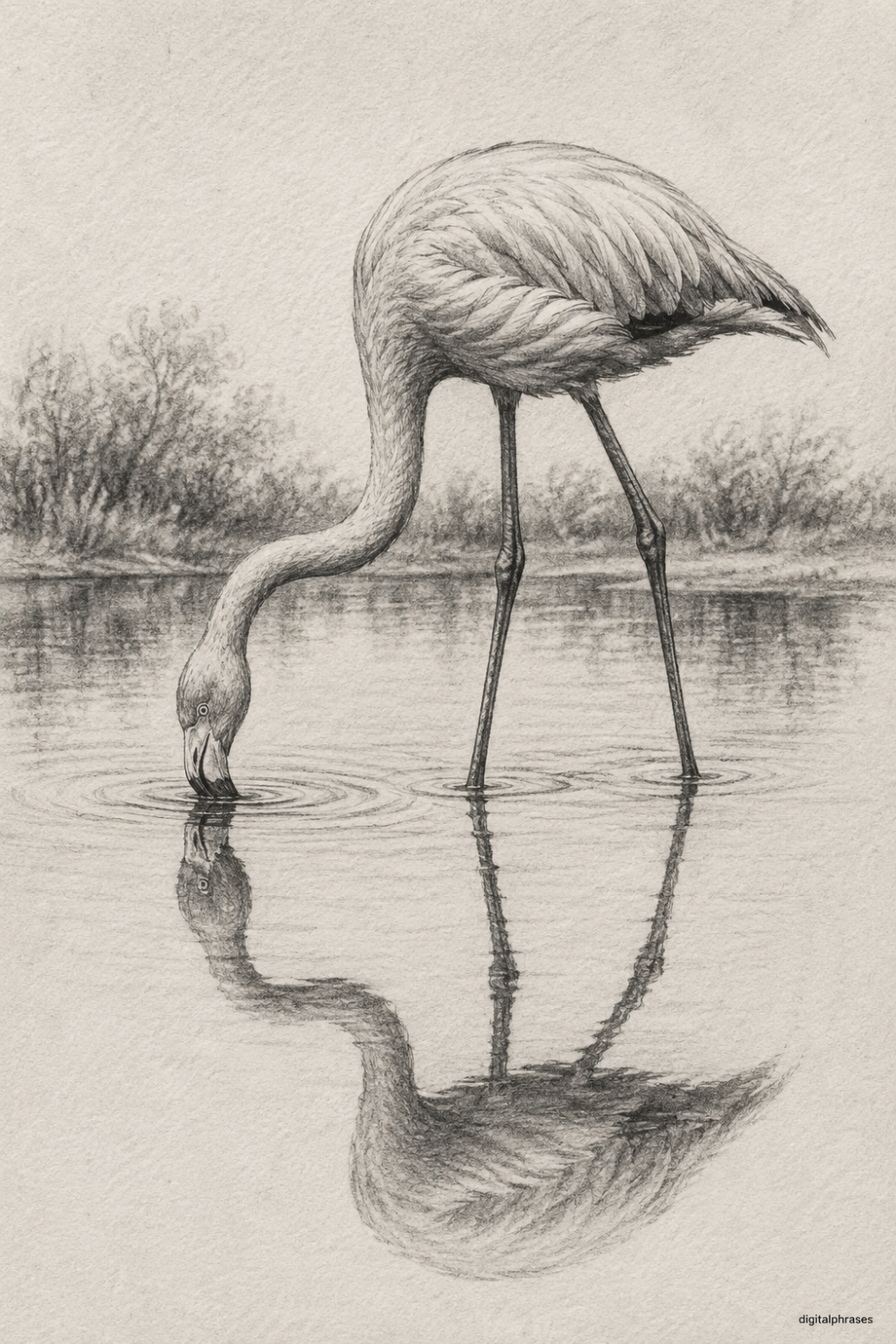
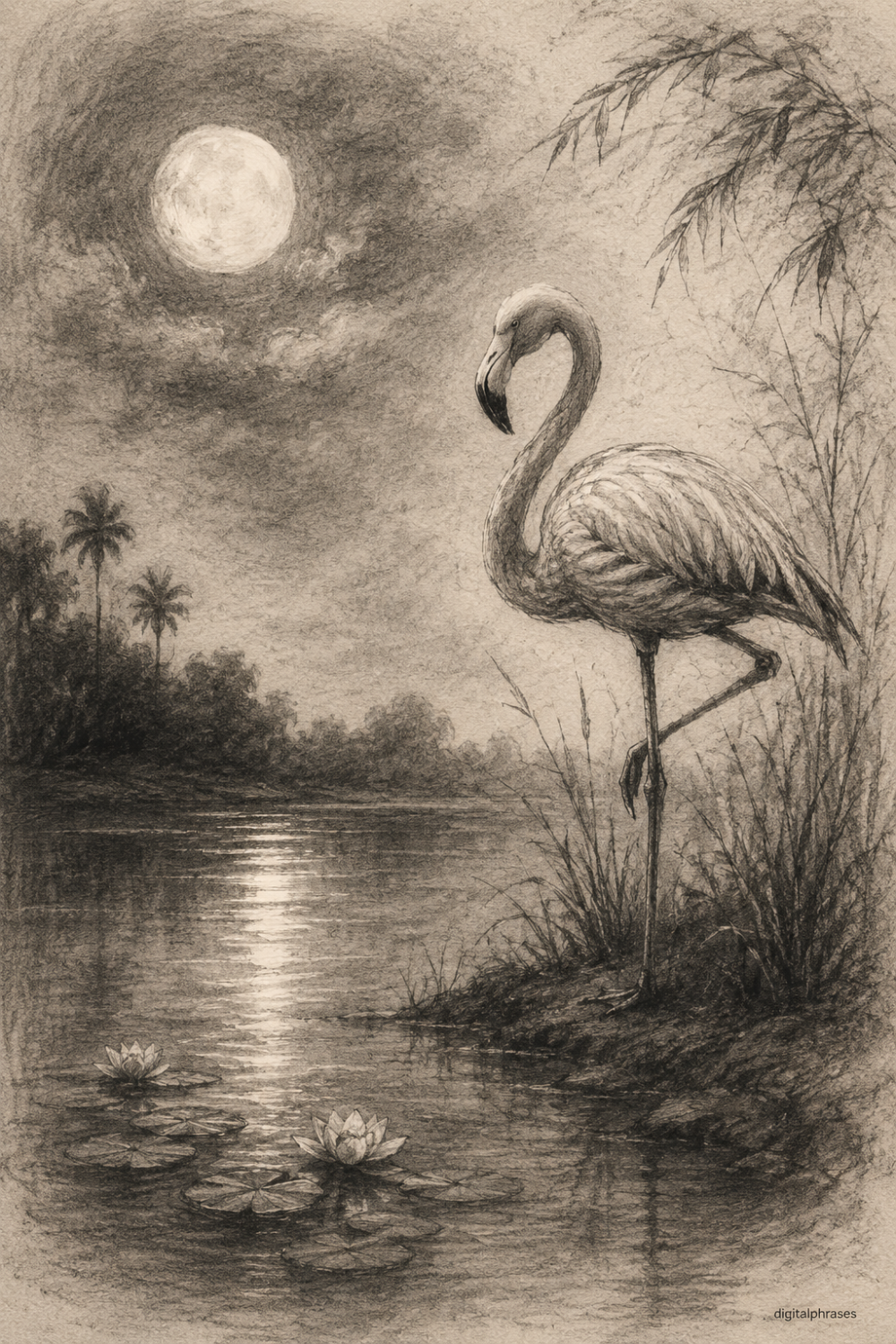
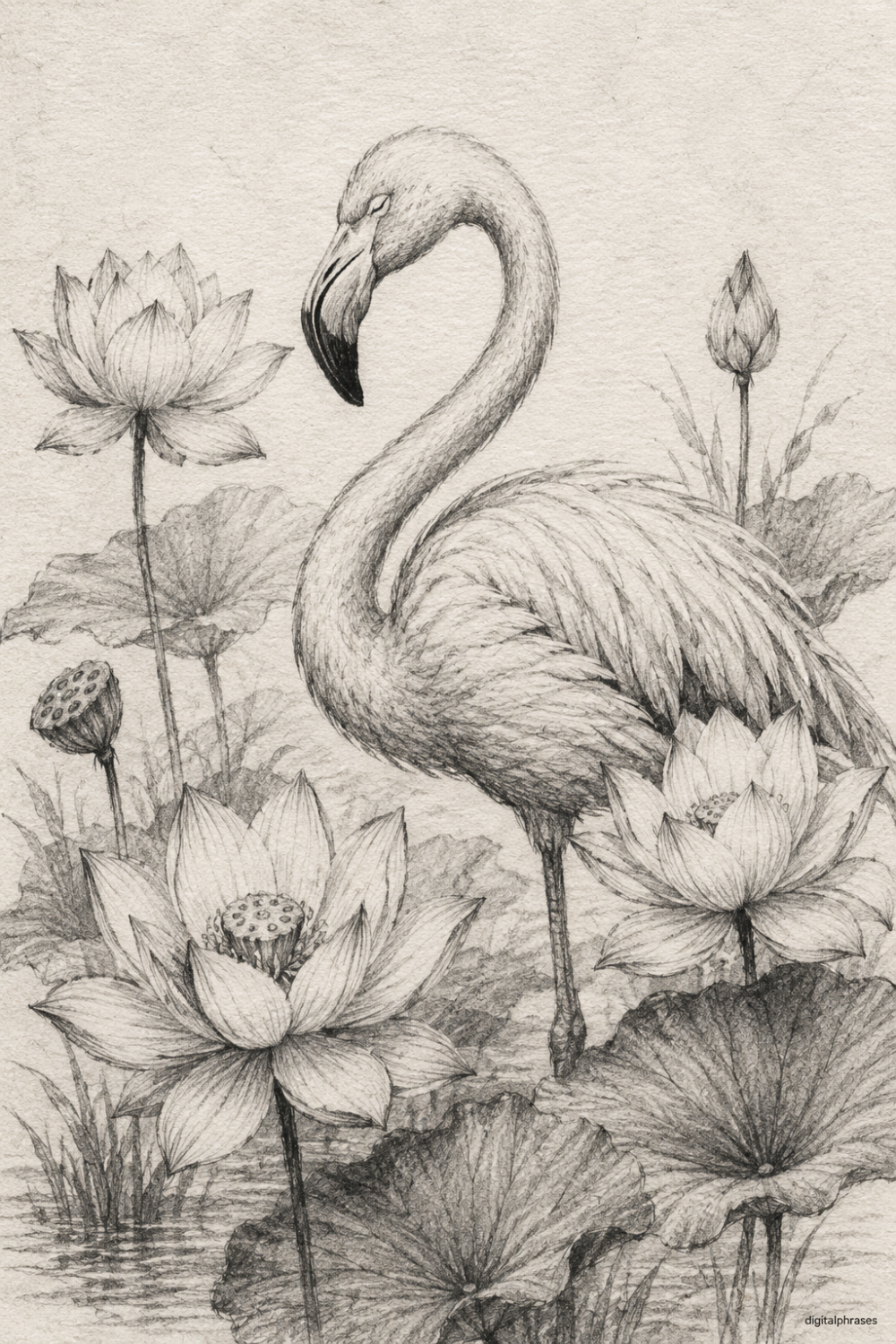
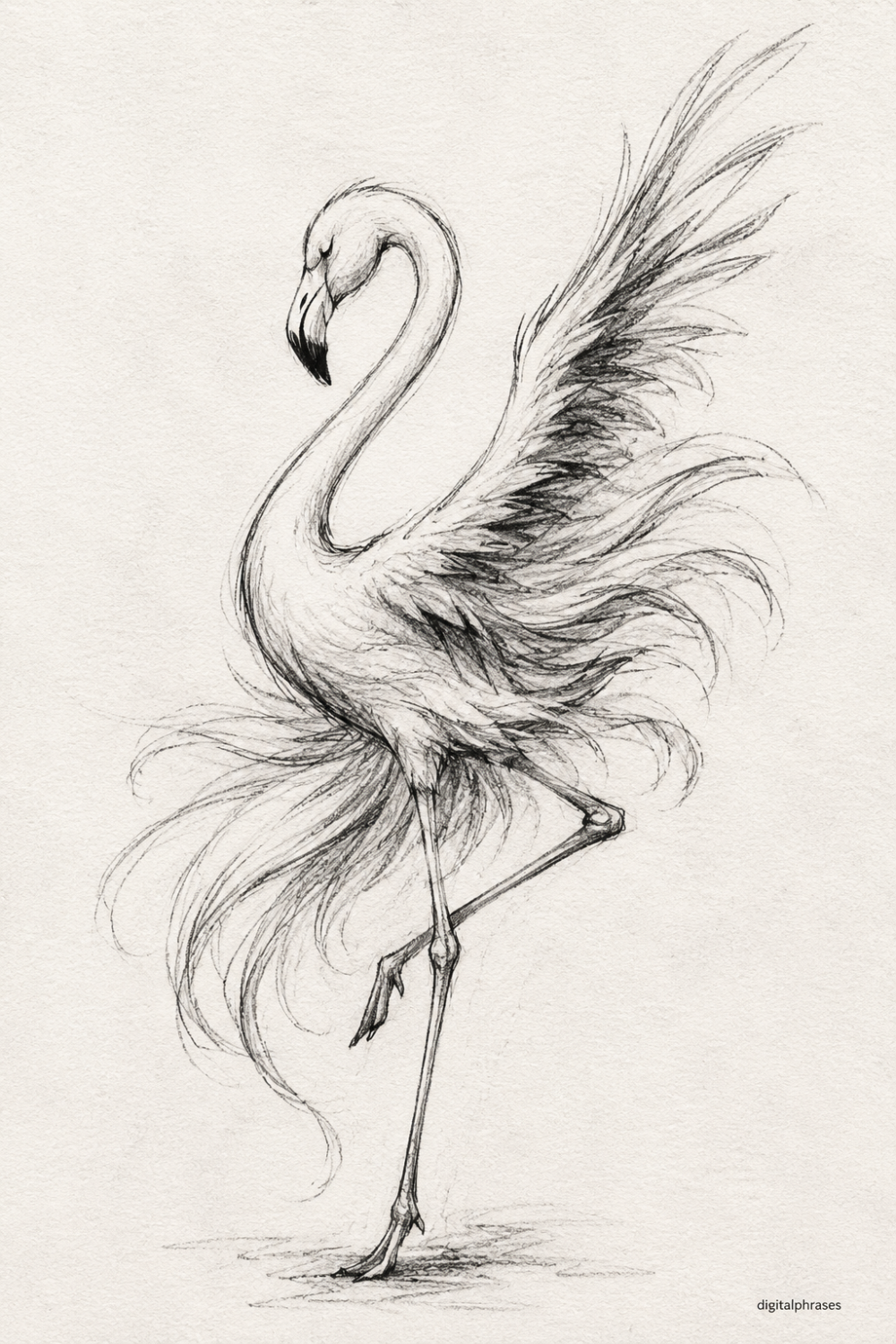
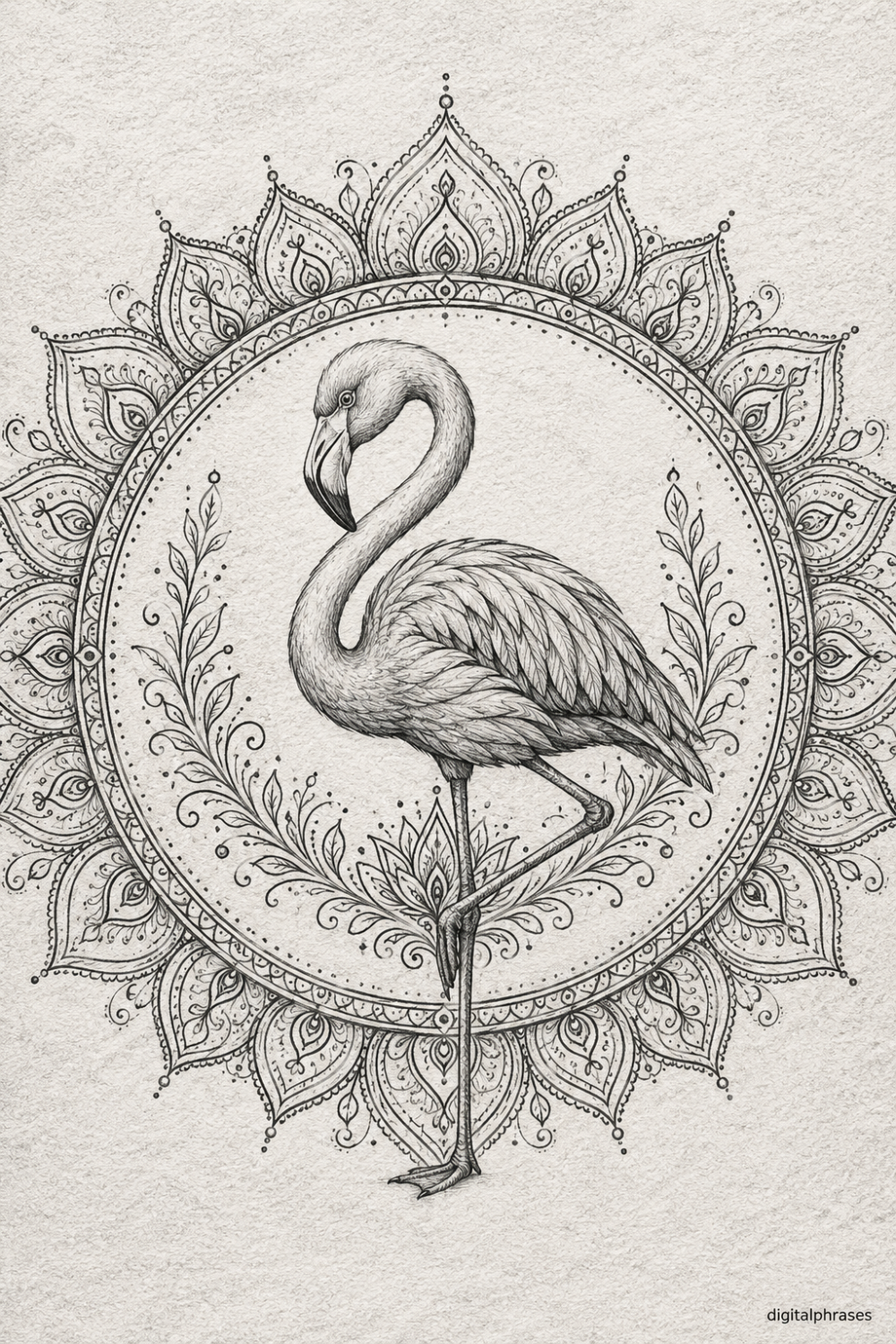
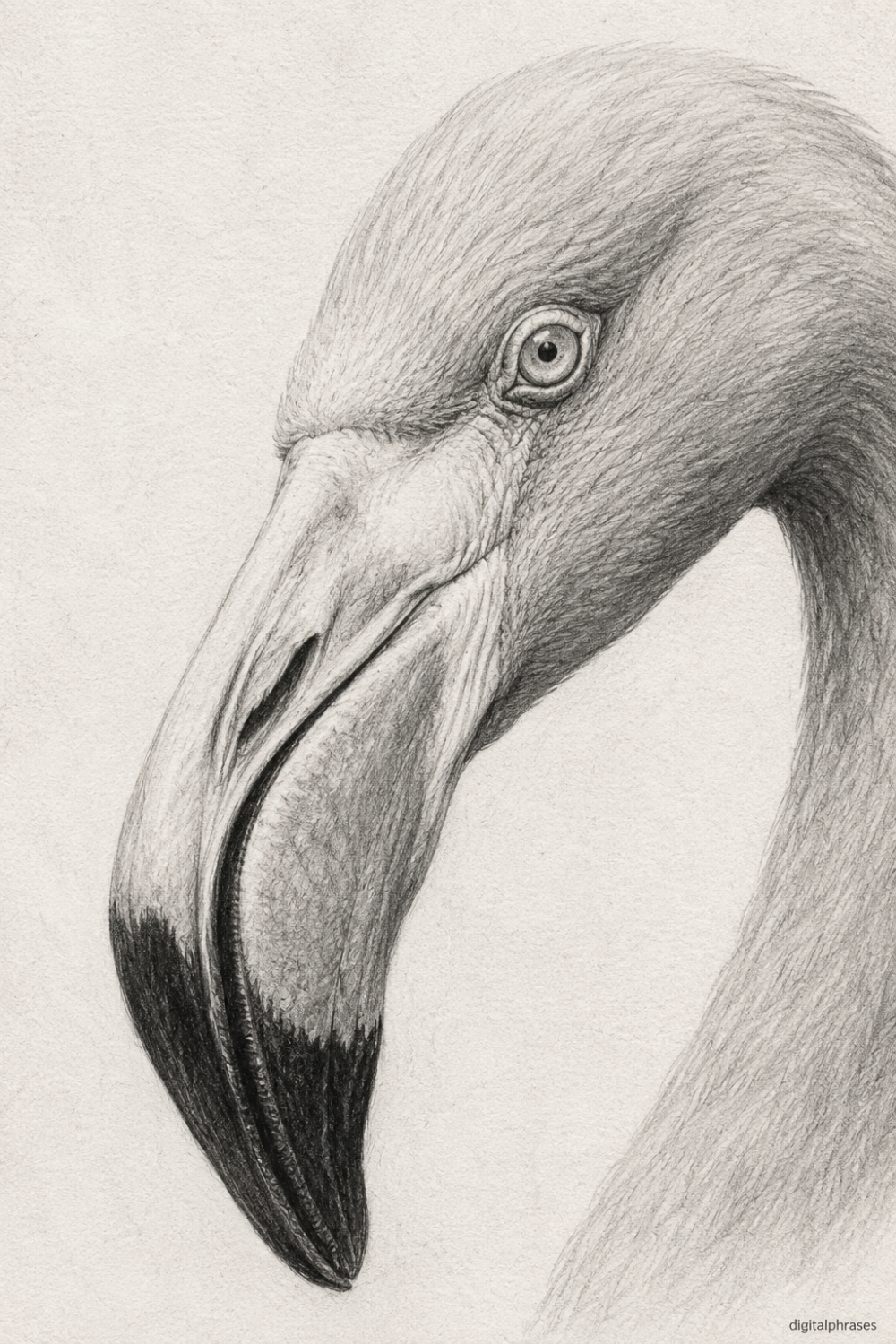
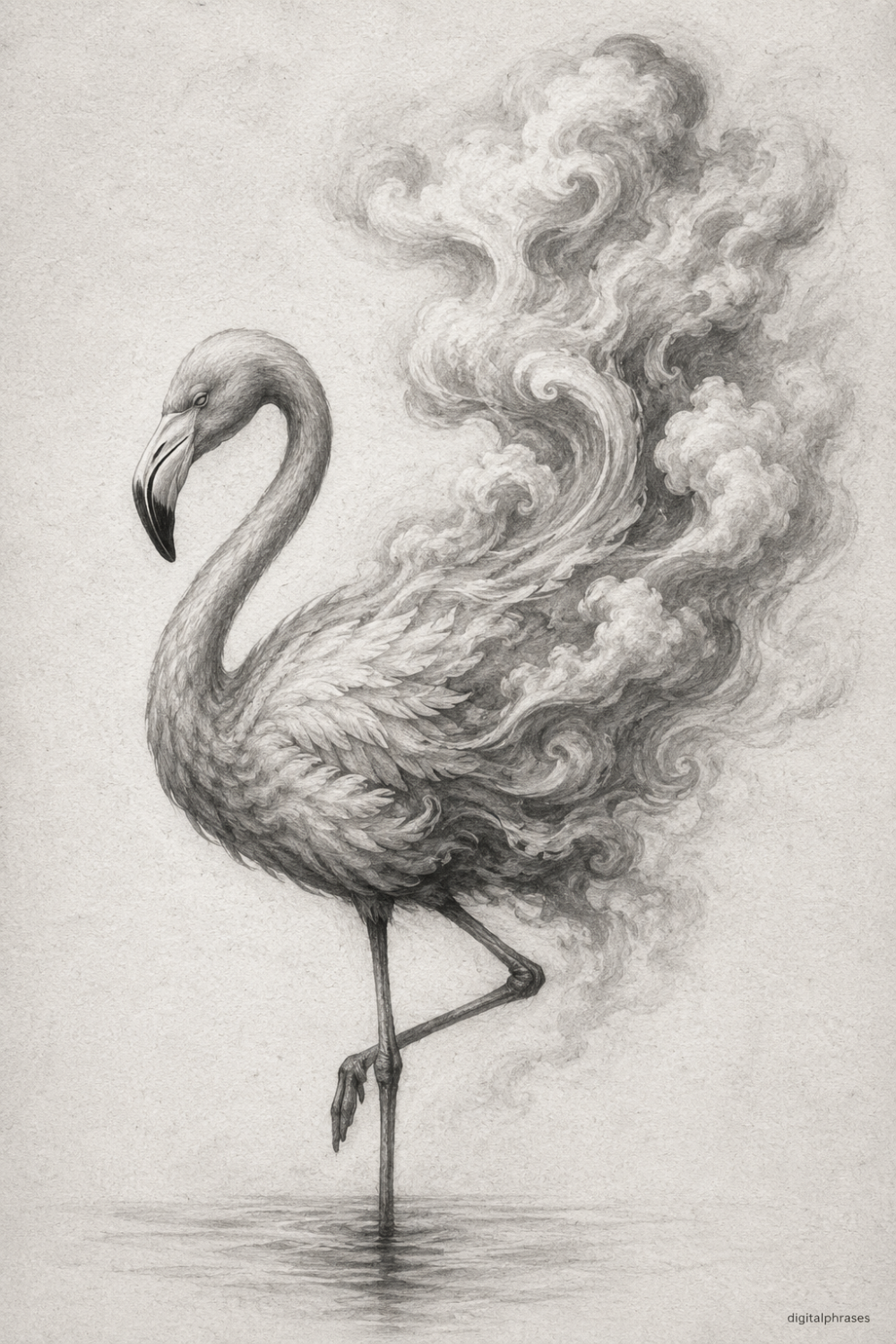
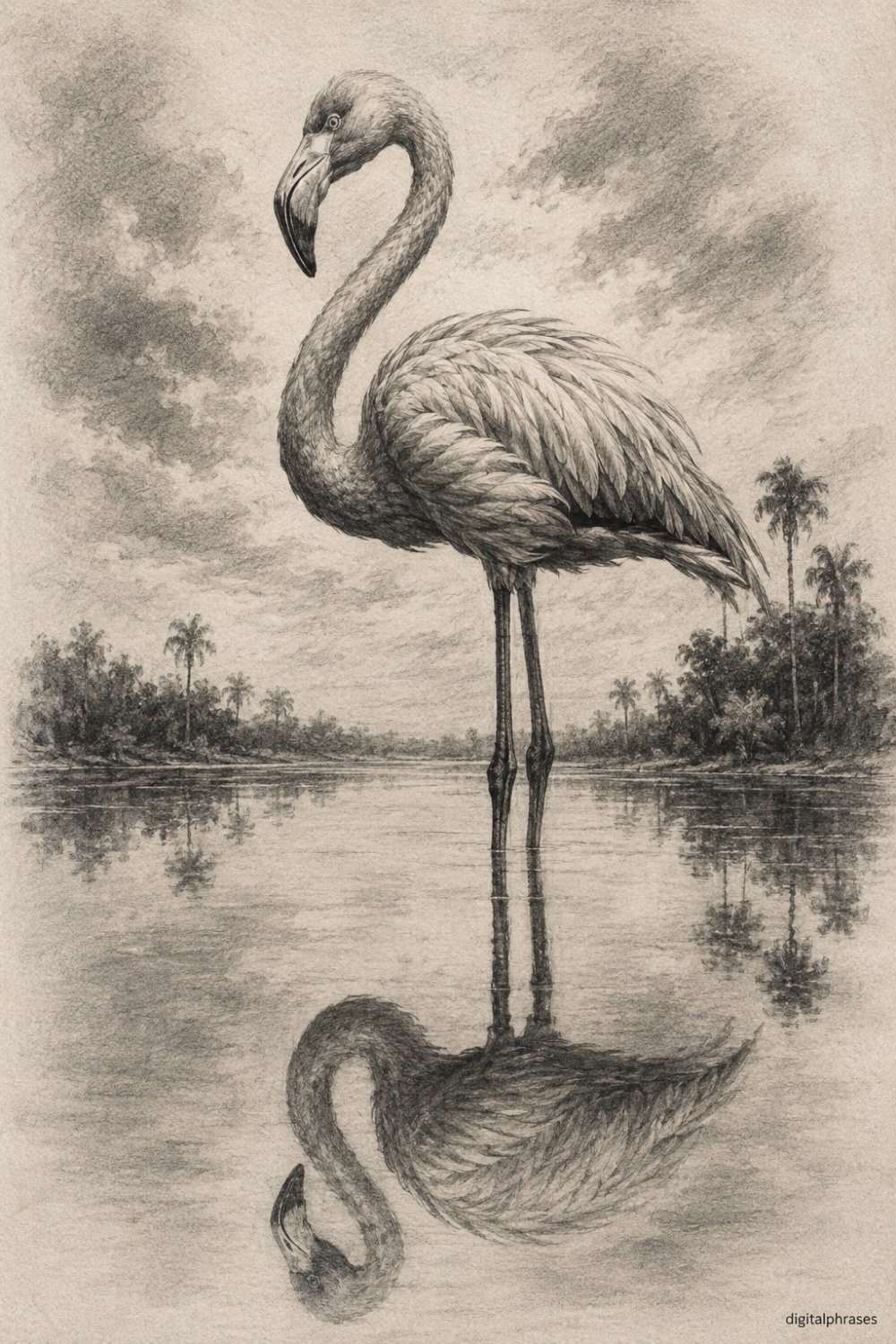
Flamingos are one of the most elegant and recognizable birds in the world. With their long legs, curved necks, and bright pink feathers, they make a fun and inspiring subject for artists of all skill levels. Whether you’re looking for a quick sketch, a cute cartoon design, or a more detailed drawing challenge, there are plenty of creative ways to bring these beautiful birds to life on paper.
In this collection of flamingo drawing ideas, you’ll find simple and enjoyable inspirations to help spark your creativity and improve your drawing skills.
Flamingo Drawing Ideas
1
2
3
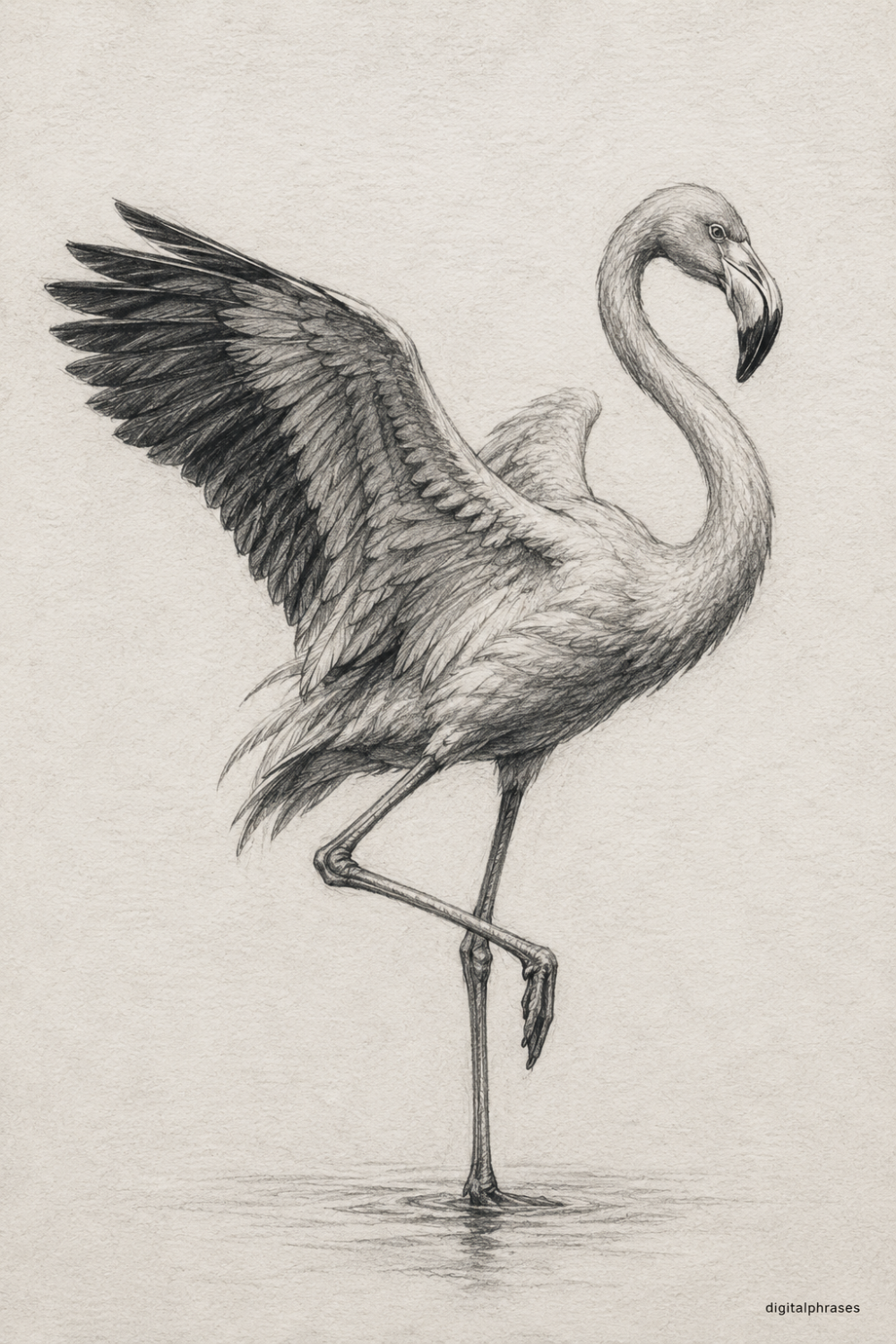
4
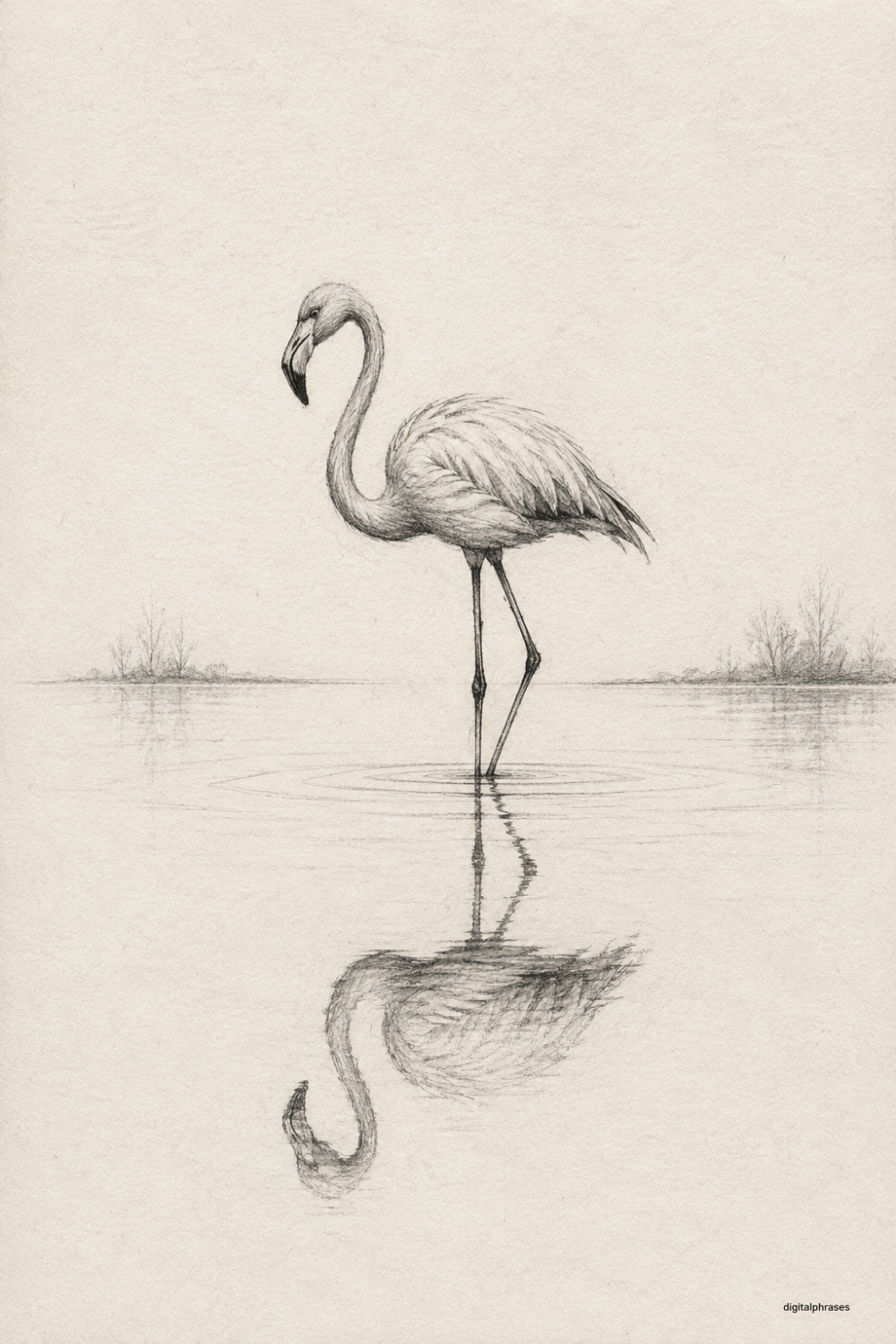
5
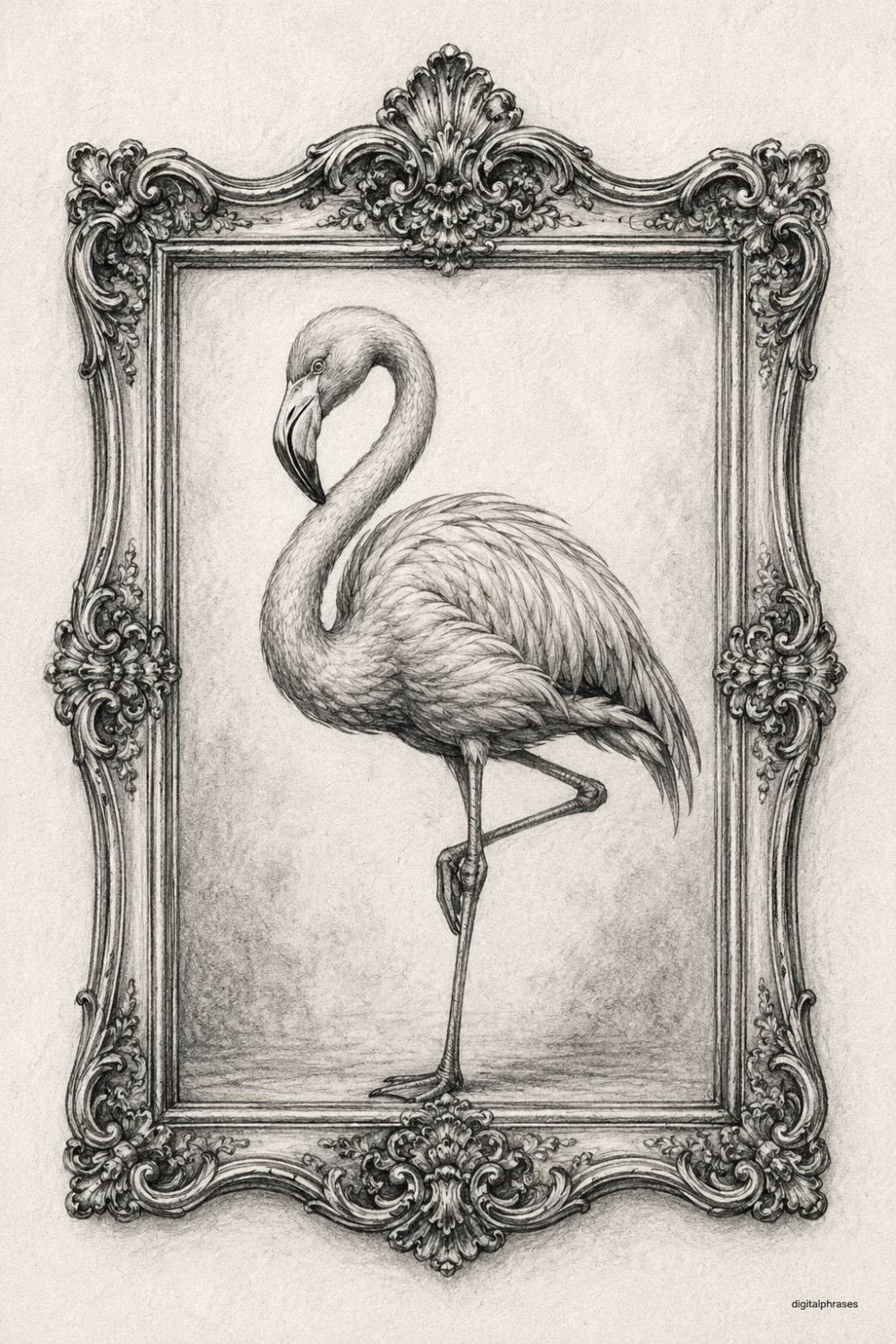
6
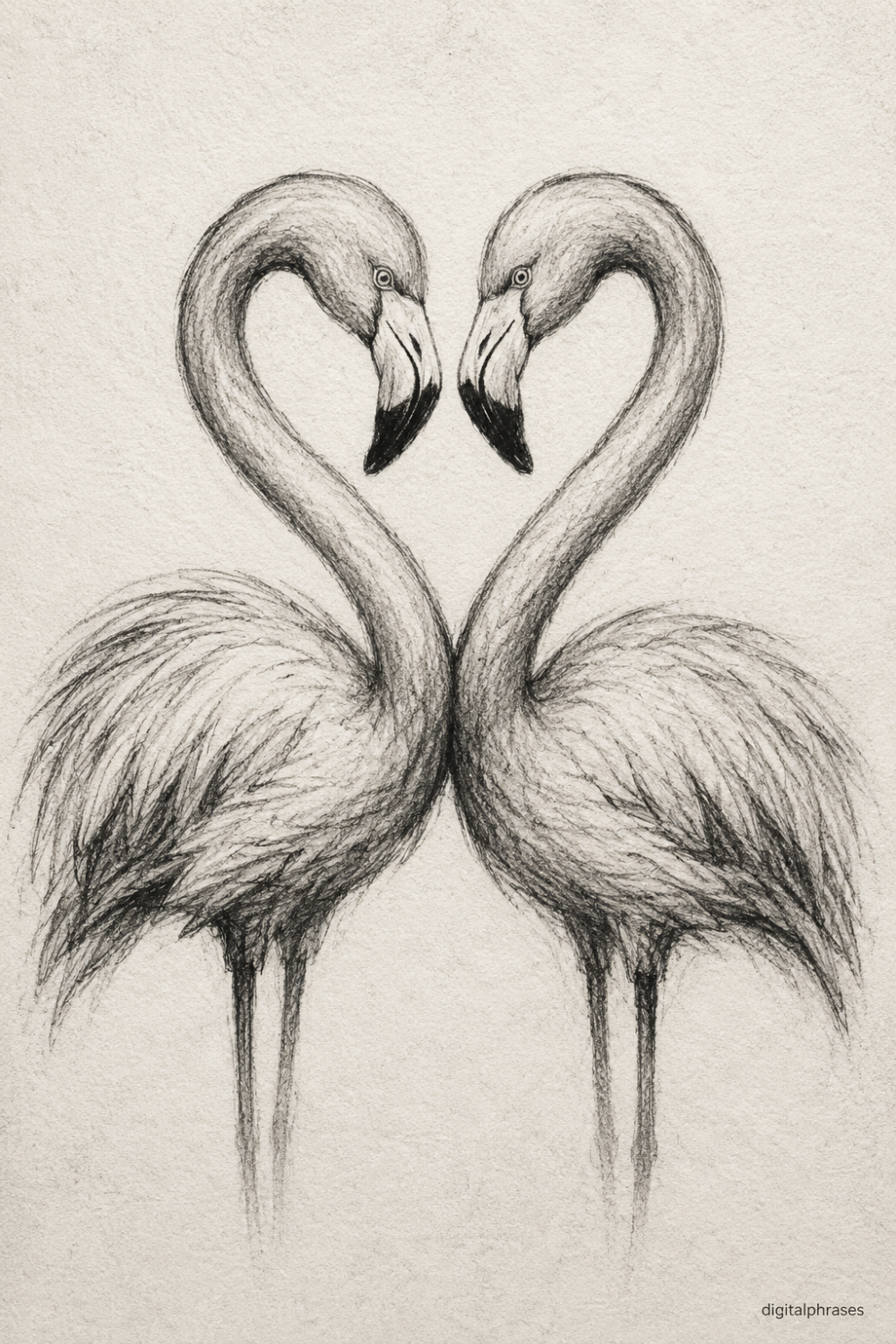
7
8
9
10
11
12
13
14
15
16
17
18
19
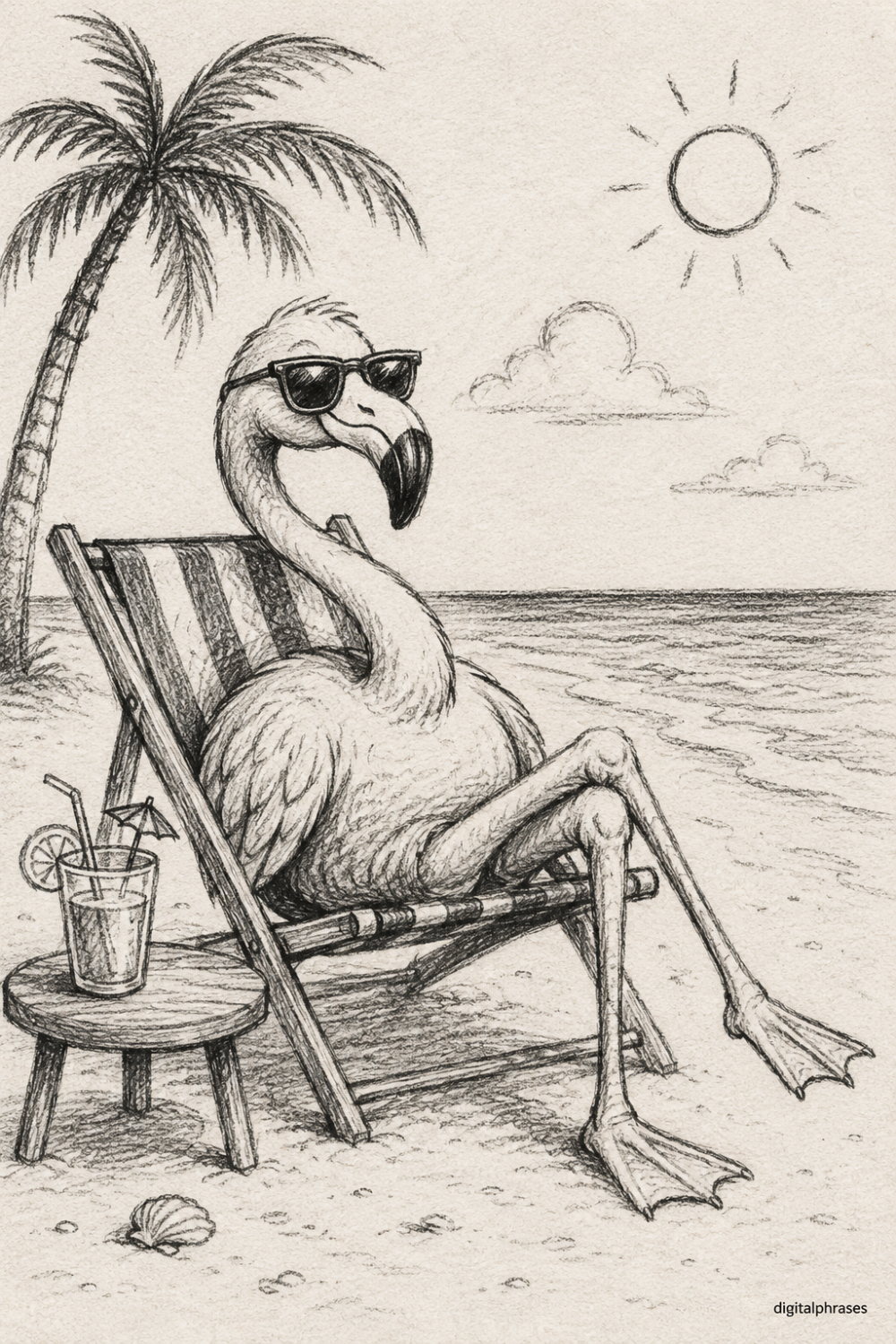
20
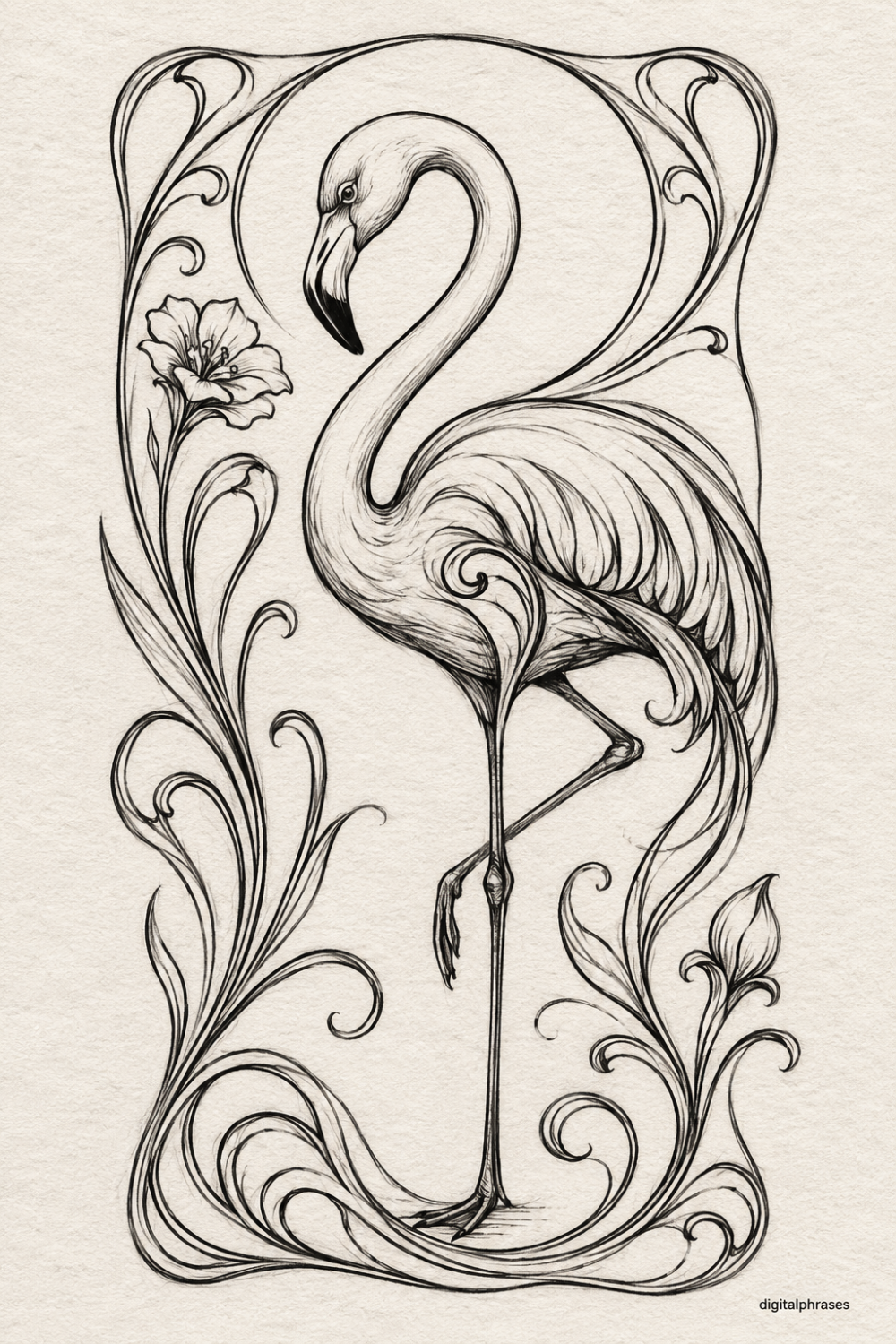
21
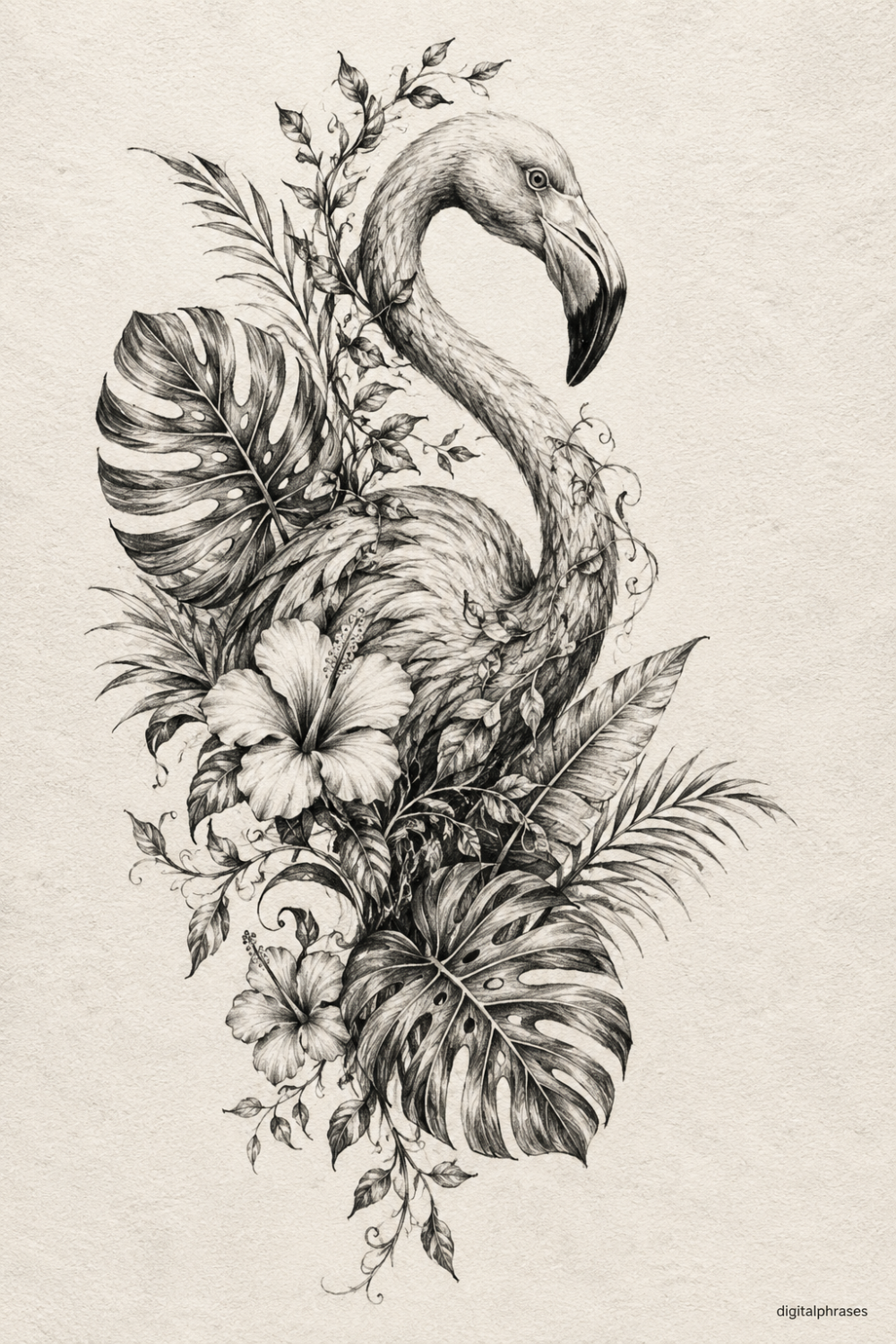
22
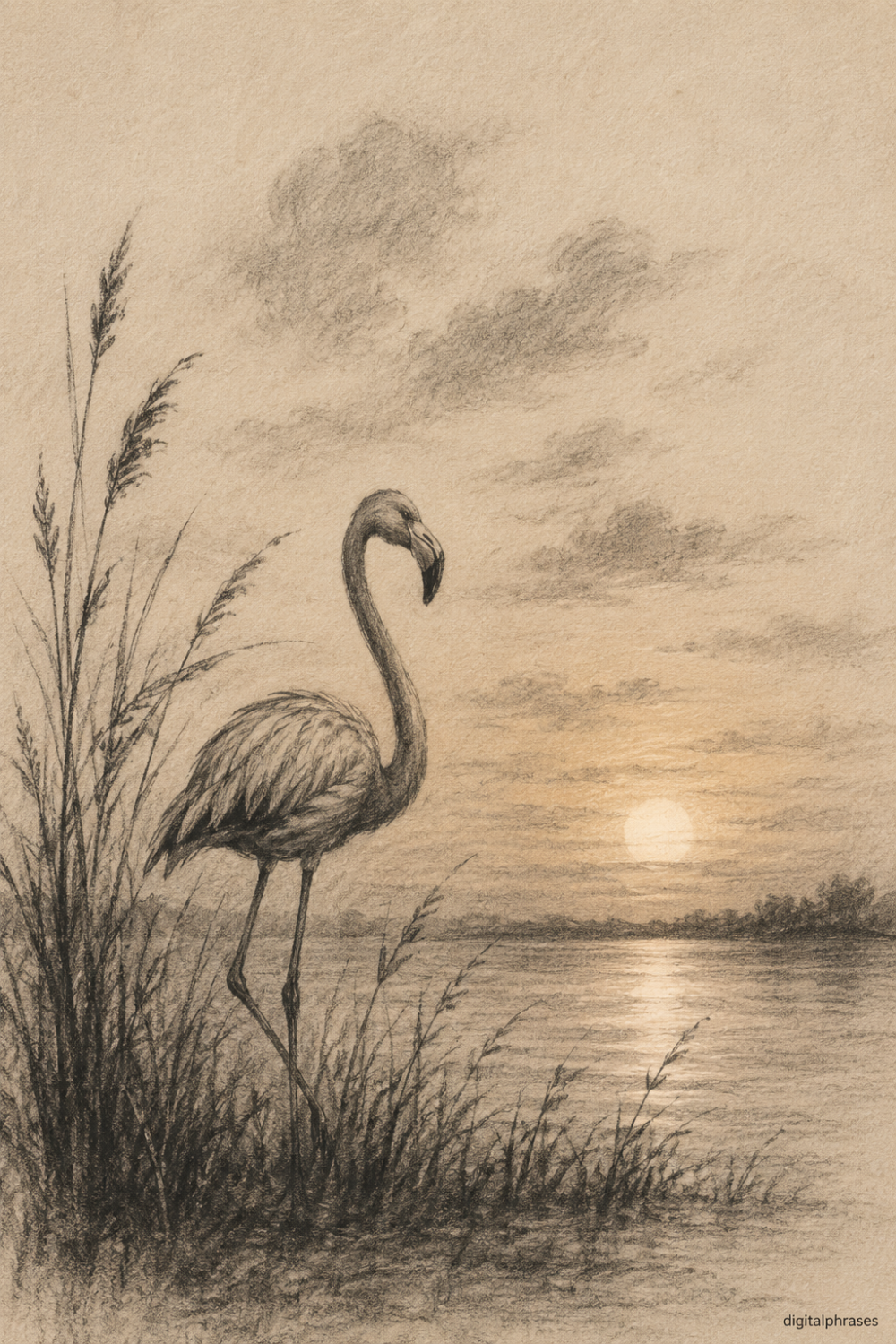
23
24
Tips For Drawing a Flamingo
Start with Simple Shapes
Before drawing the details of a flamingo, sketch the basic shapes that form its body. Use an oval for the body, a small circle for the head, and long curved lines for the neck and legs. This simple framework helps you establish the bird’s proportions and posture before adding feathers and finer details. Beginning with shapes also makes it easier to correct mistakes early in the drawing process.
Focus on the Signature Curved Neck
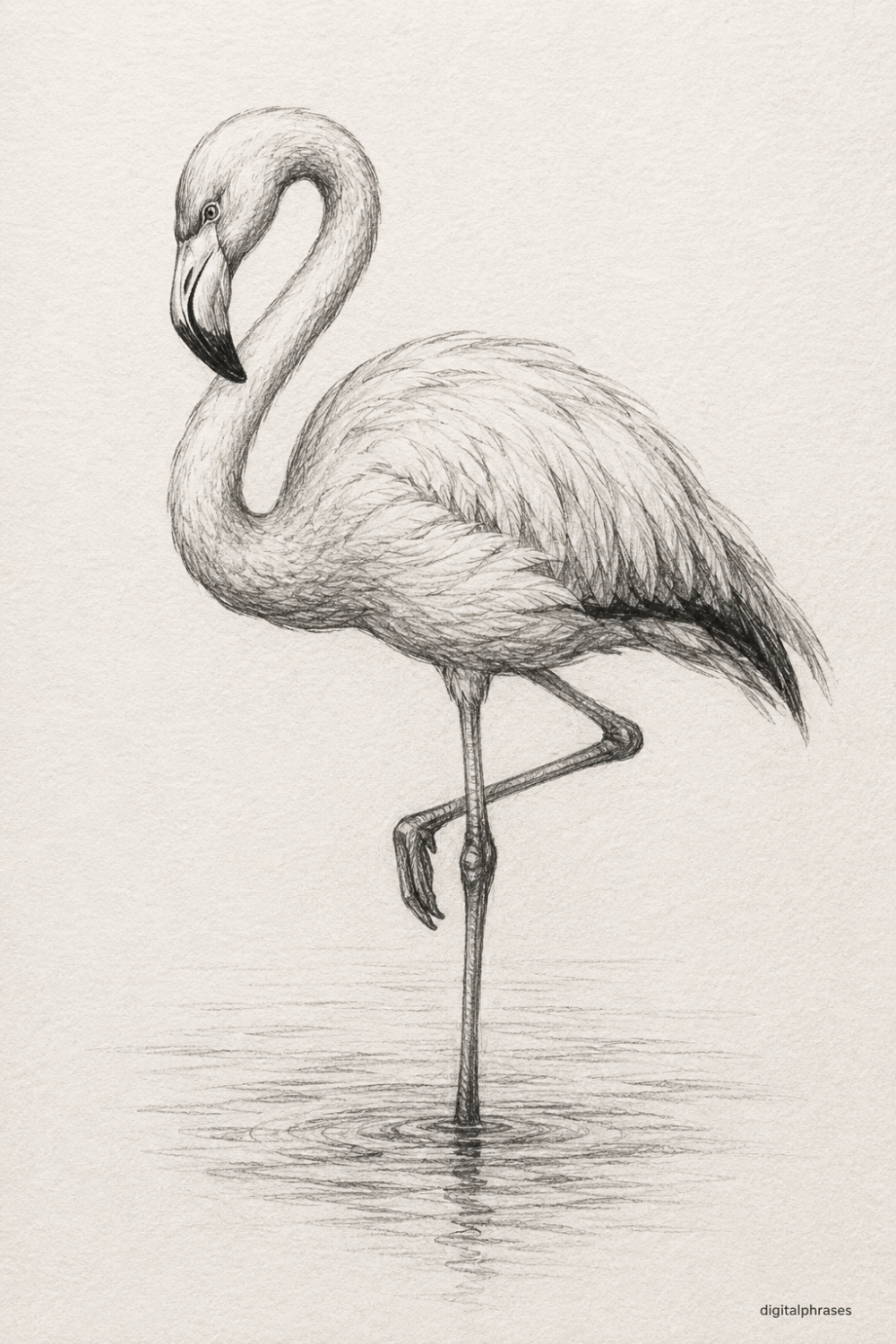
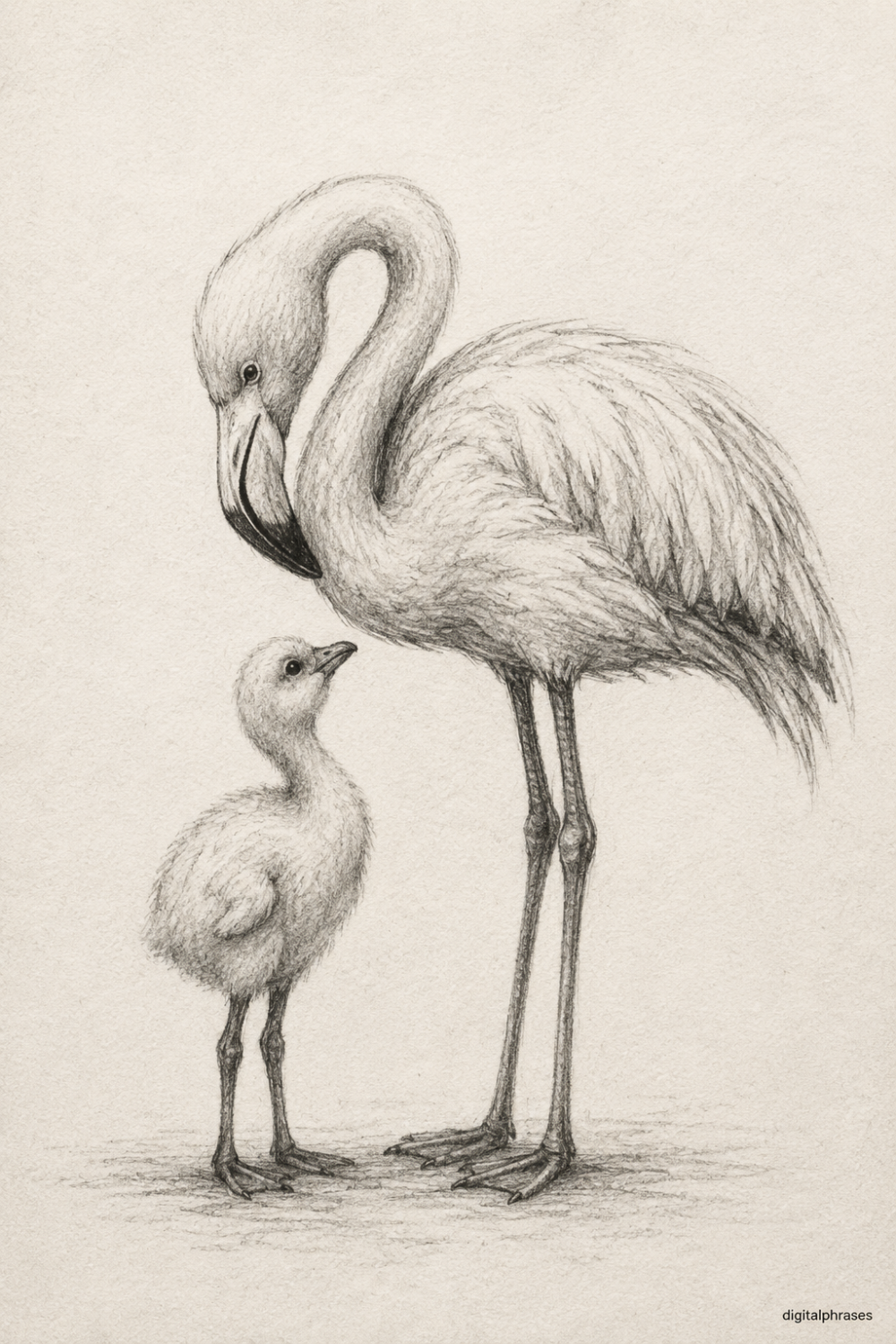
One of the most recognizable features of a flamingo is its long, elegant neck. Instead of drawing a stiff line, create a smooth S-shaped curve that looks natural and graceful. Observe reference photos to understand how flamingos hold their necks in different poses. A well-drawn neck can instantly make your flamingo sketch look more realistic and expressive, even if the rest of the drawing remains simple.
Pay Attention to the Legs
Flamingos are famous for their incredibly long, thin legs. When drawing them, use light lines at first to establish their length and position. Remember that the leg bends backward at the joint, which can sometimes confuse beginners. Keeping the legs proportionate to the body is important because they contribute significantly to the bird’s unique appearance. Practicing different standing poses can help improve your understanding of flamingo anatomy.
Add Feather Details Gradually
Once the main outline is complete, begin adding feather textures. Avoid drawing every feather individually. Instead, use short, gentle strokes to suggest layers and texture, especially around the wings and lower body. This approach keeps the drawing clean while still creating depth and realism. Focus on areas where feathers overlap, as these sections often provide the most visual interest and dimension.
Use Shading to Create Depth
Shading can transform a flat flamingo sketch into a more lifelike drawing. Identify the direction of your light source and add darker tones to areas that naturally fall into shadow, such as beneath the wings, around the neck curves, and under the body. Build shadows gradually using light pencil strokes rather than pressing hard immediately. Smooth, subtle shading helps emphasize the flamingo’s elegant form and gives the artwork a polished, professional appearance.