Squirrel Drawing Ideas
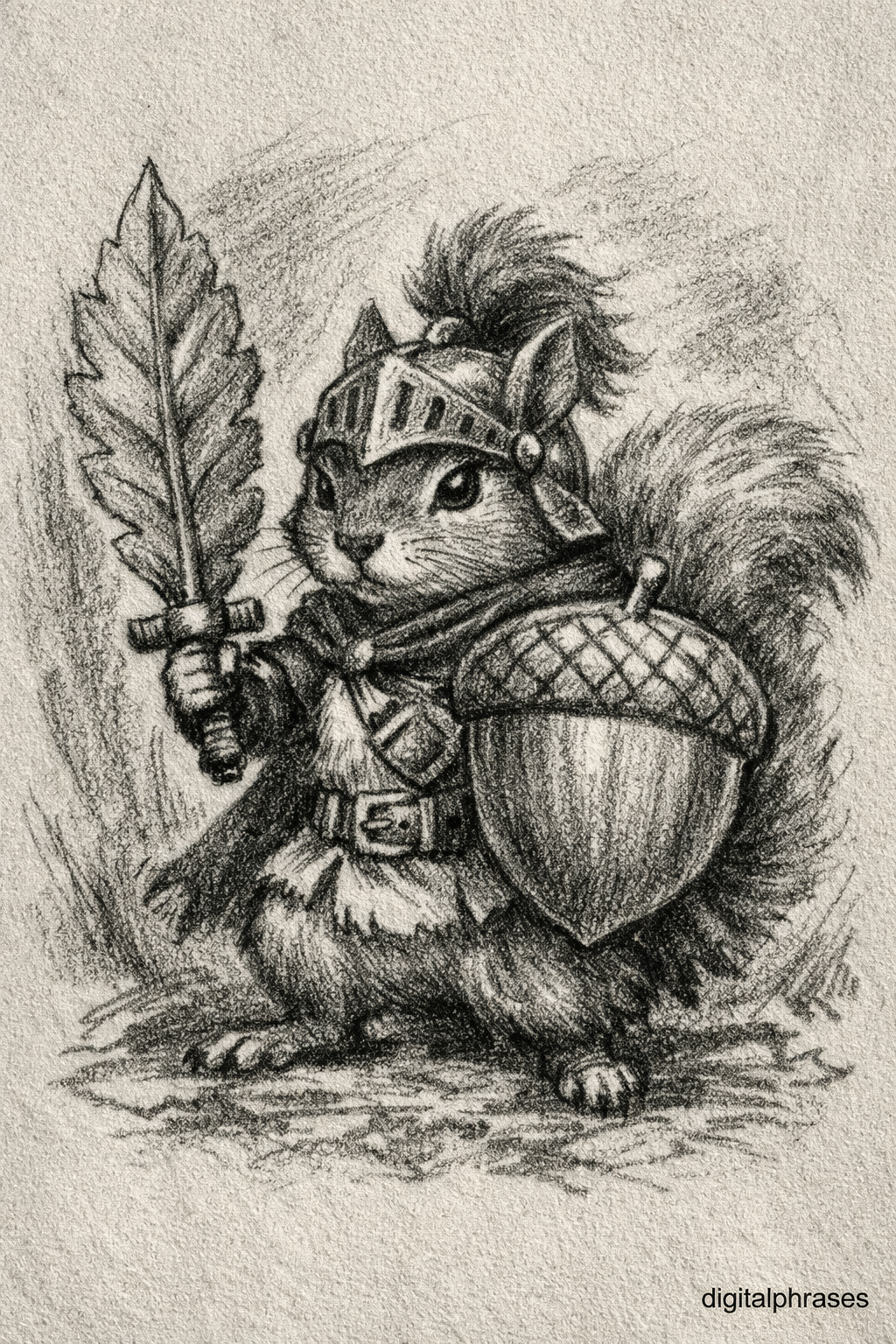
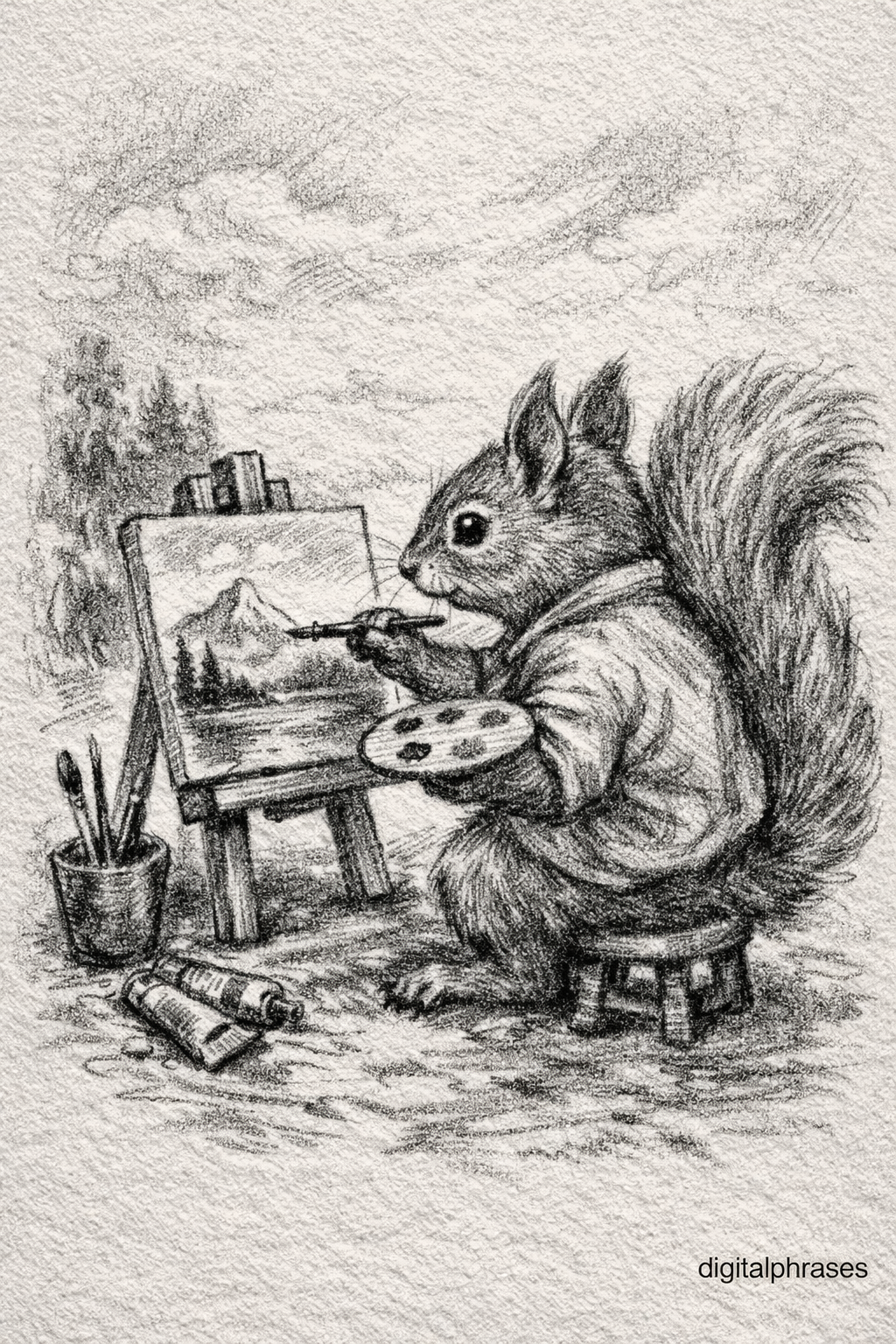
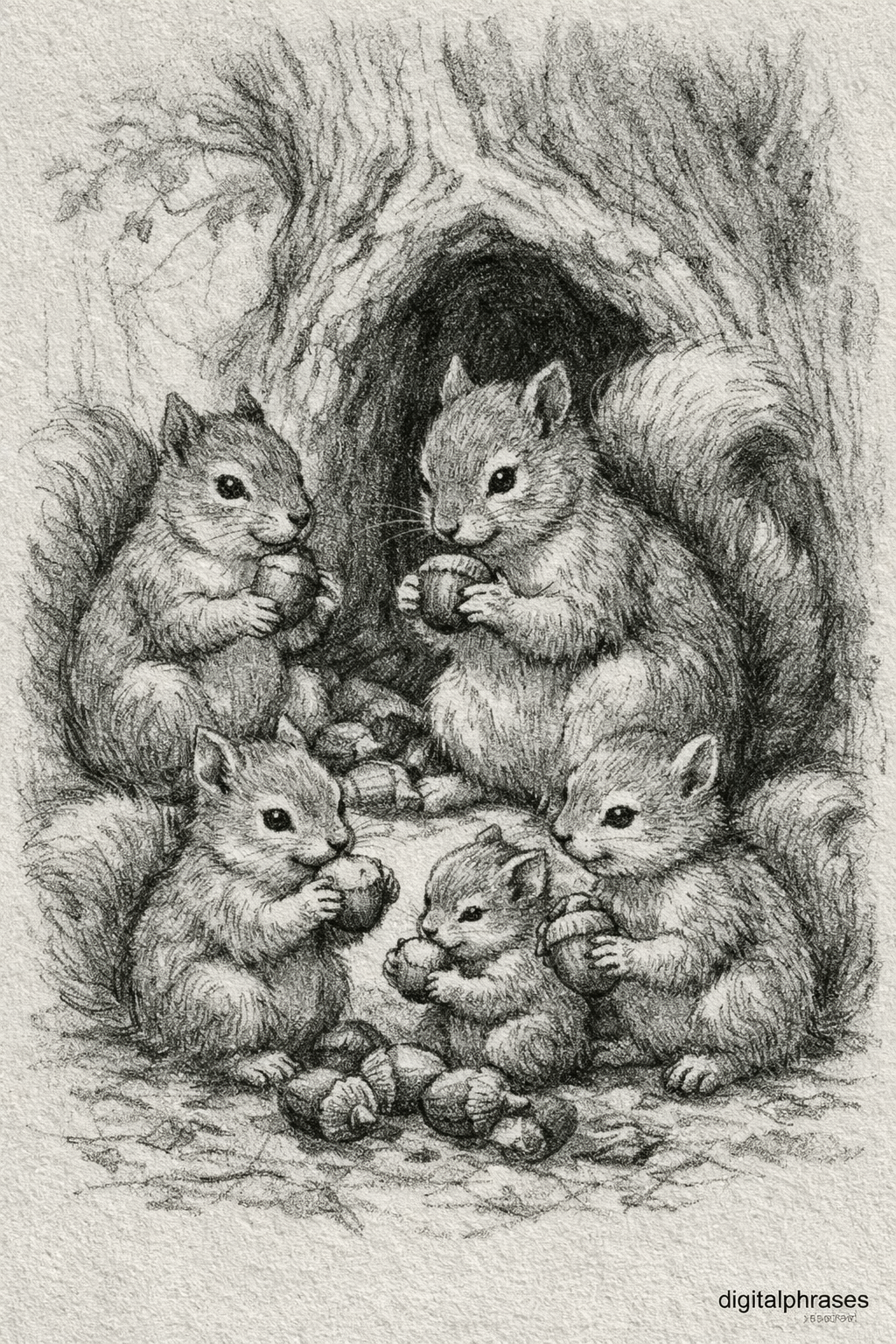
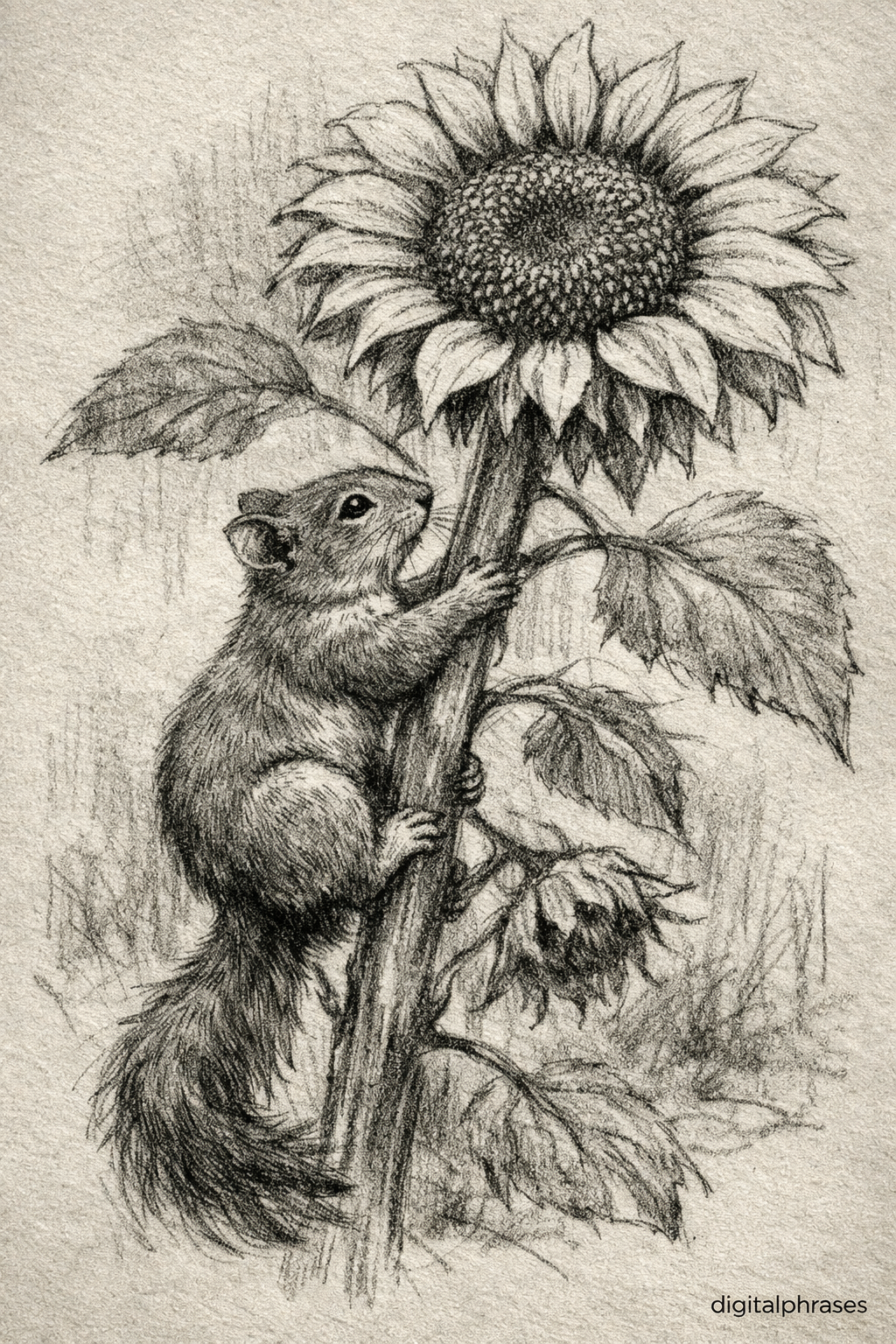
Squirrels are fun, energetic animals that make great drawing subjects for artists of all skill levels. Whether you enjoy creating cute cartoon sketches or realistic wildlife art, squirrels offer plenty of inspiration with their fluffy tails, playful poses, and curious personalities.
In this collection of squirrel drawing ideas, you’ll find simple and creative concepts to help spark your imagination and make your next drawing session more enjoyable.
Squirrel Drawing Ideas
1
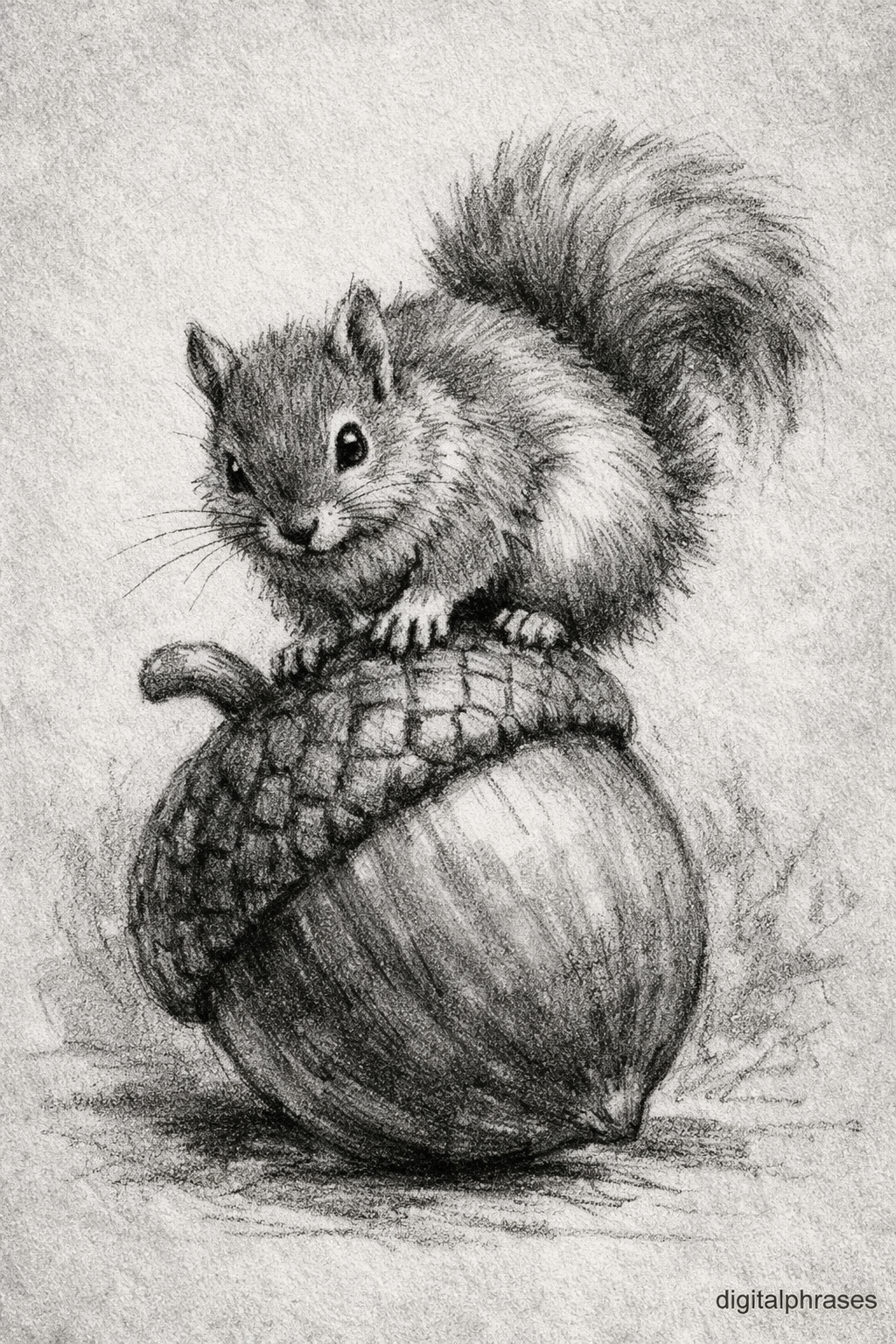
2
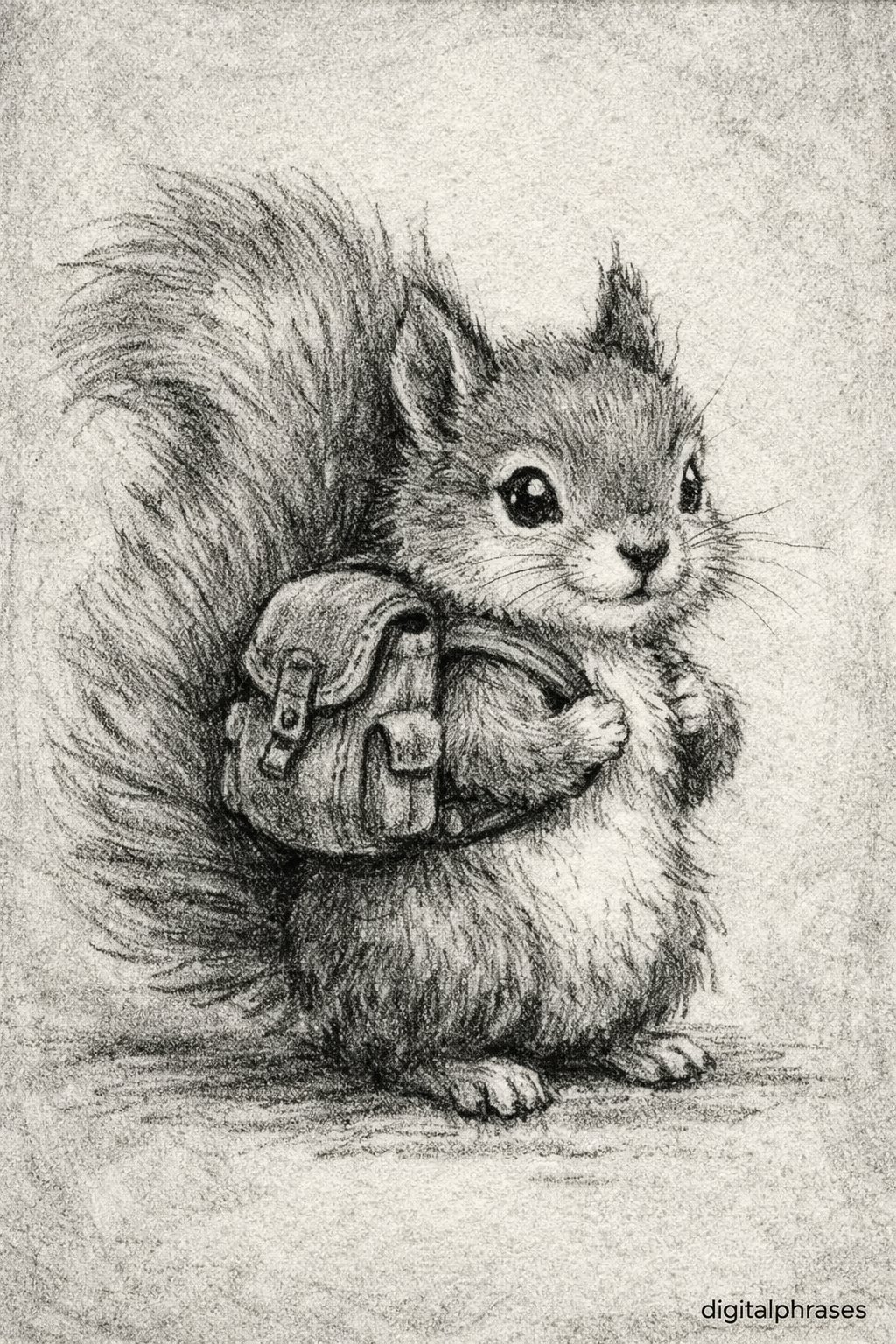
3
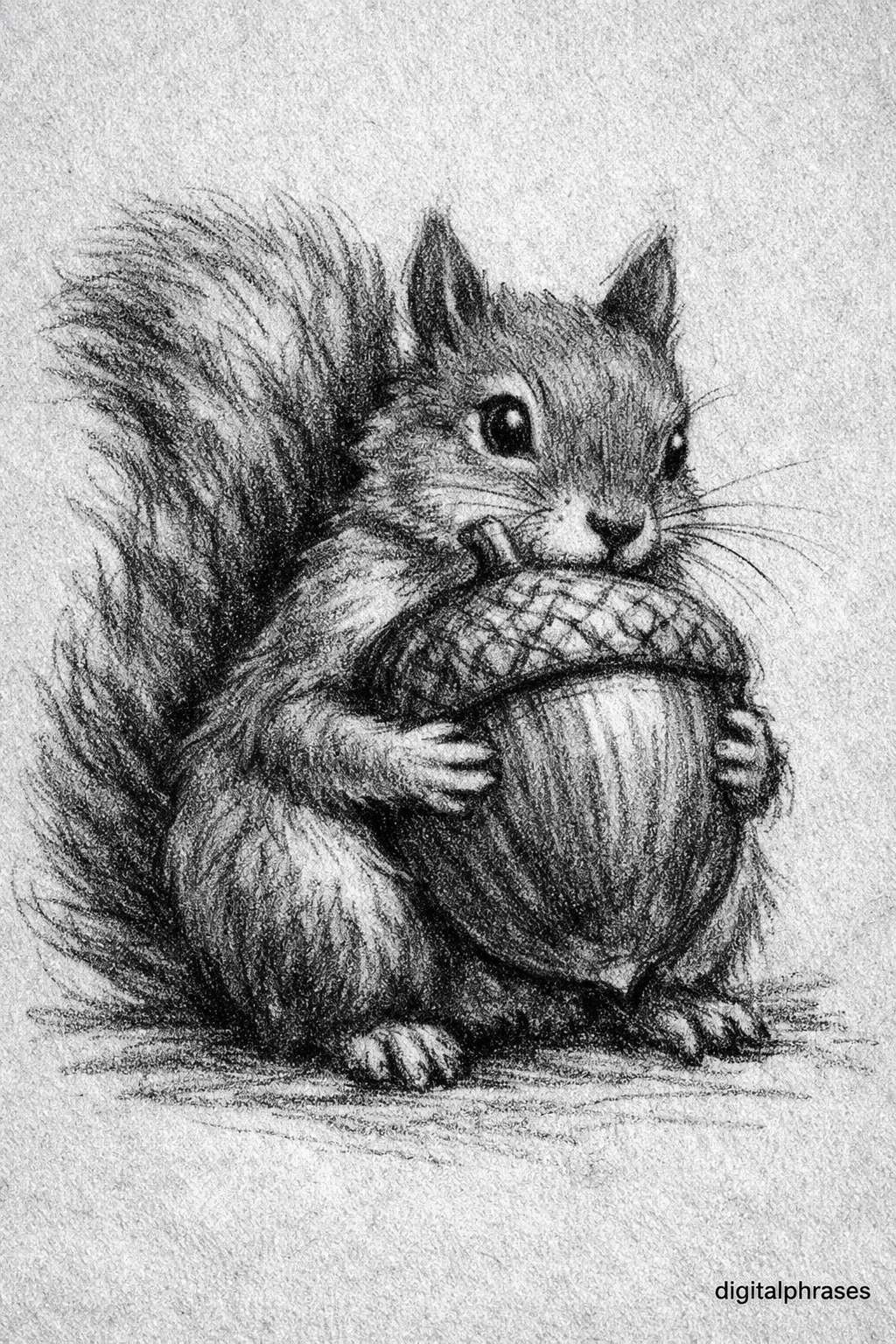
4
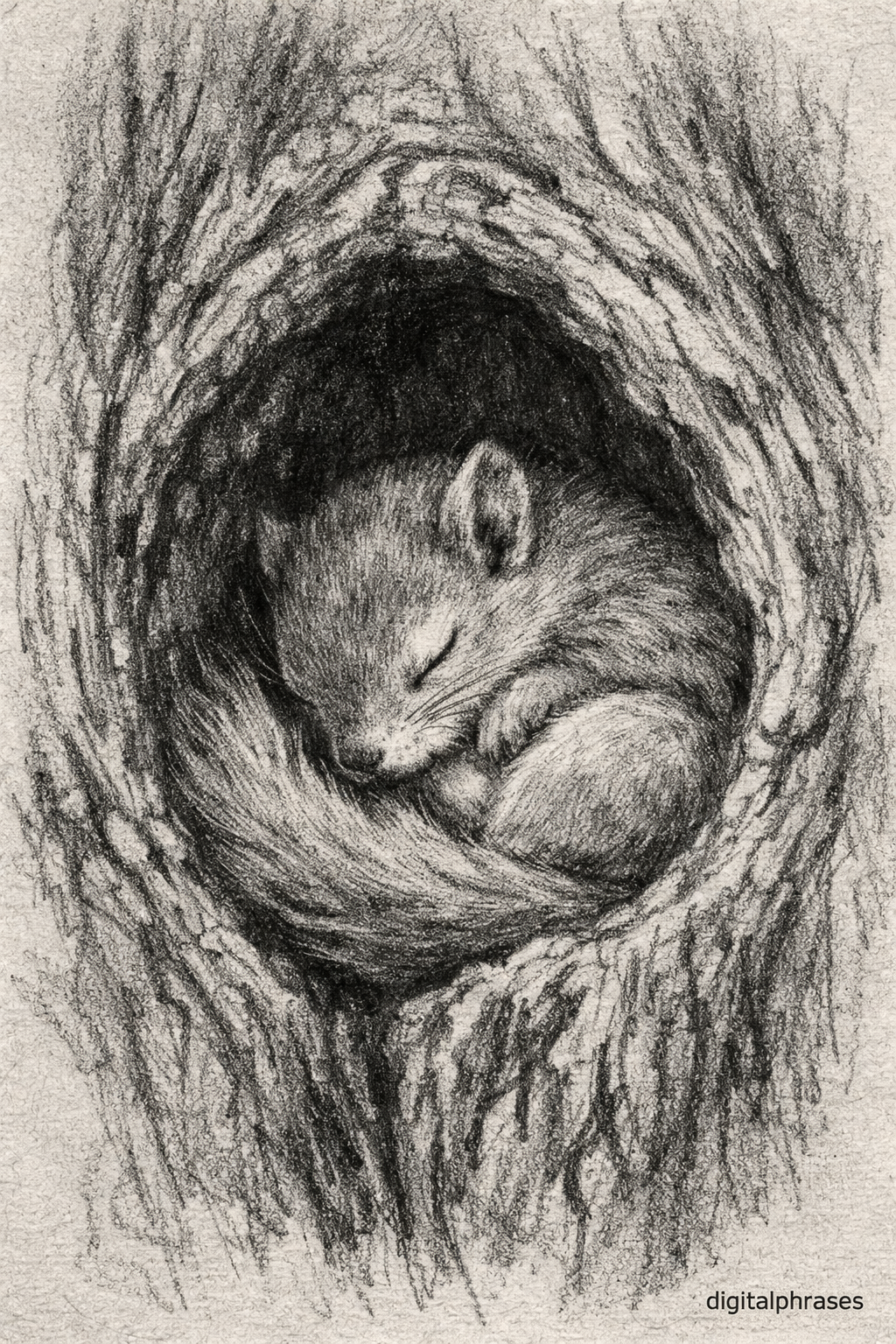
5
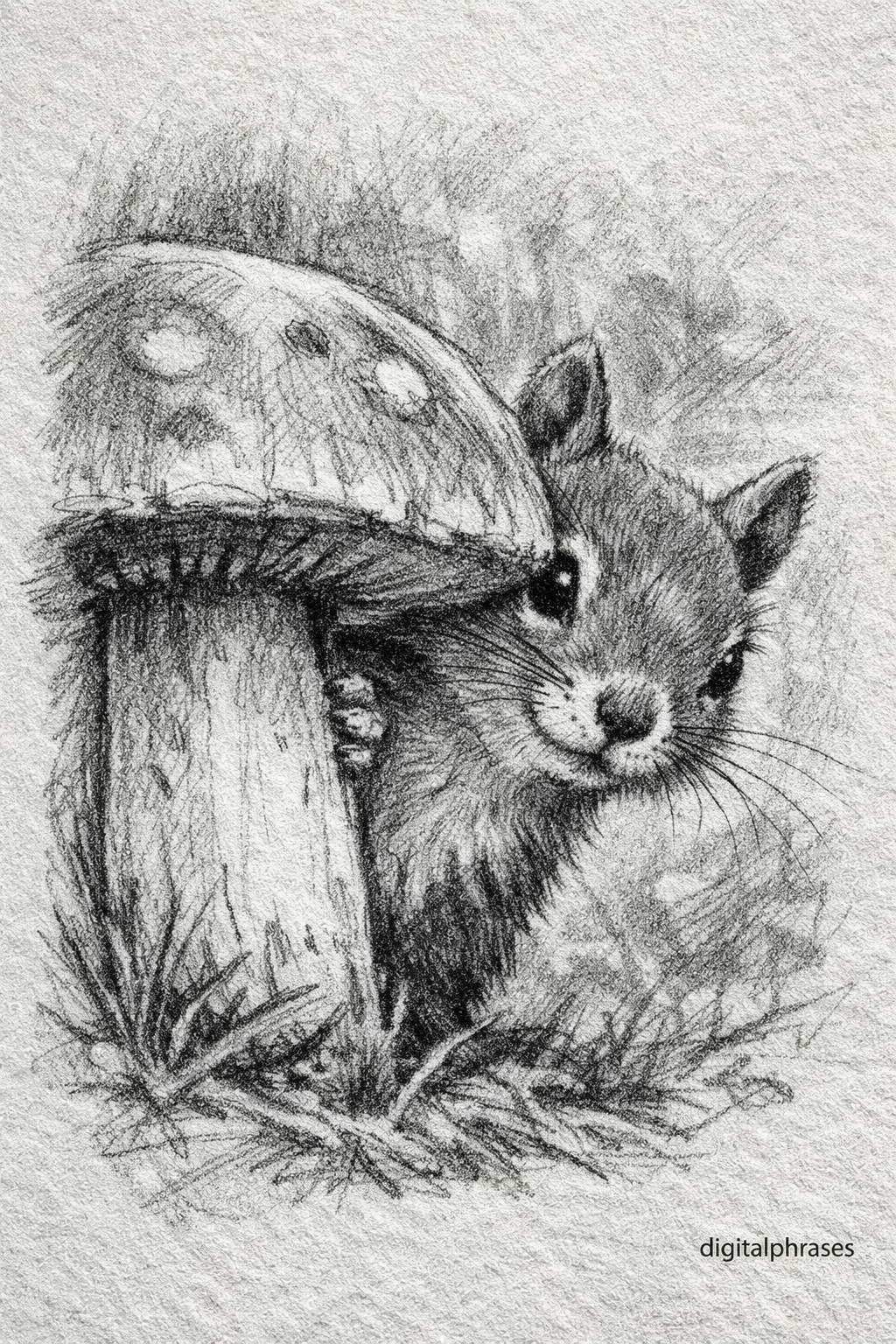
6
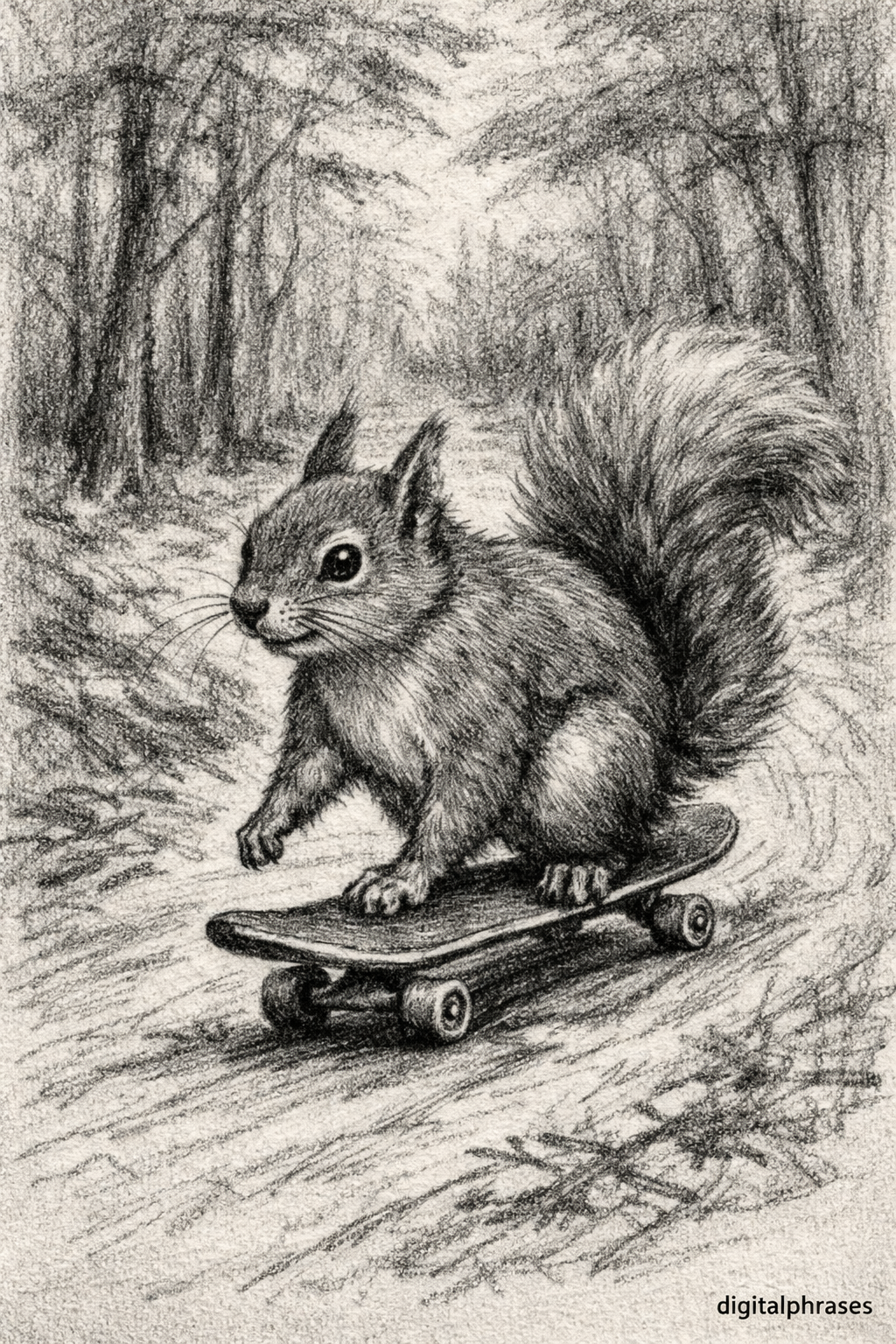
7
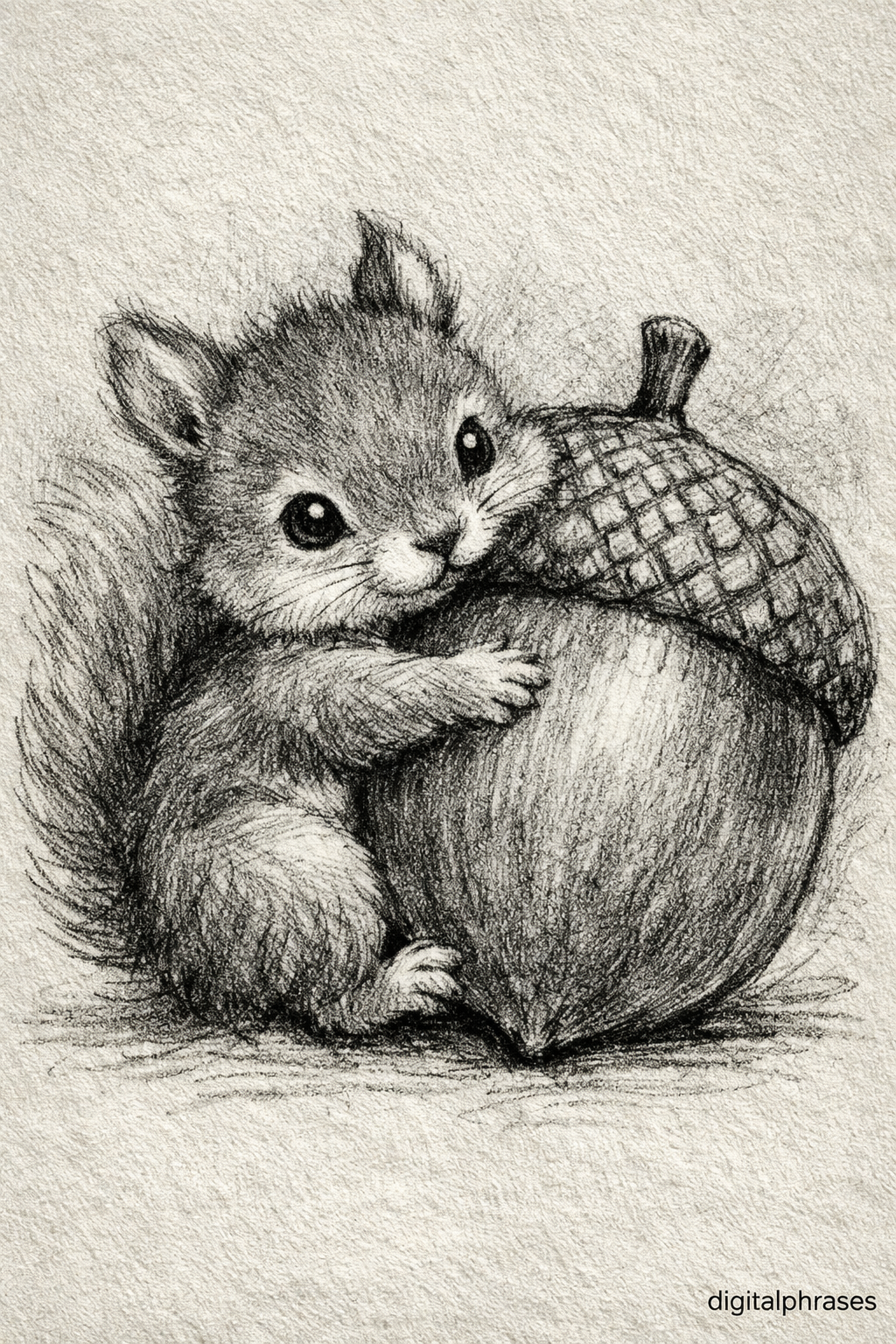
8
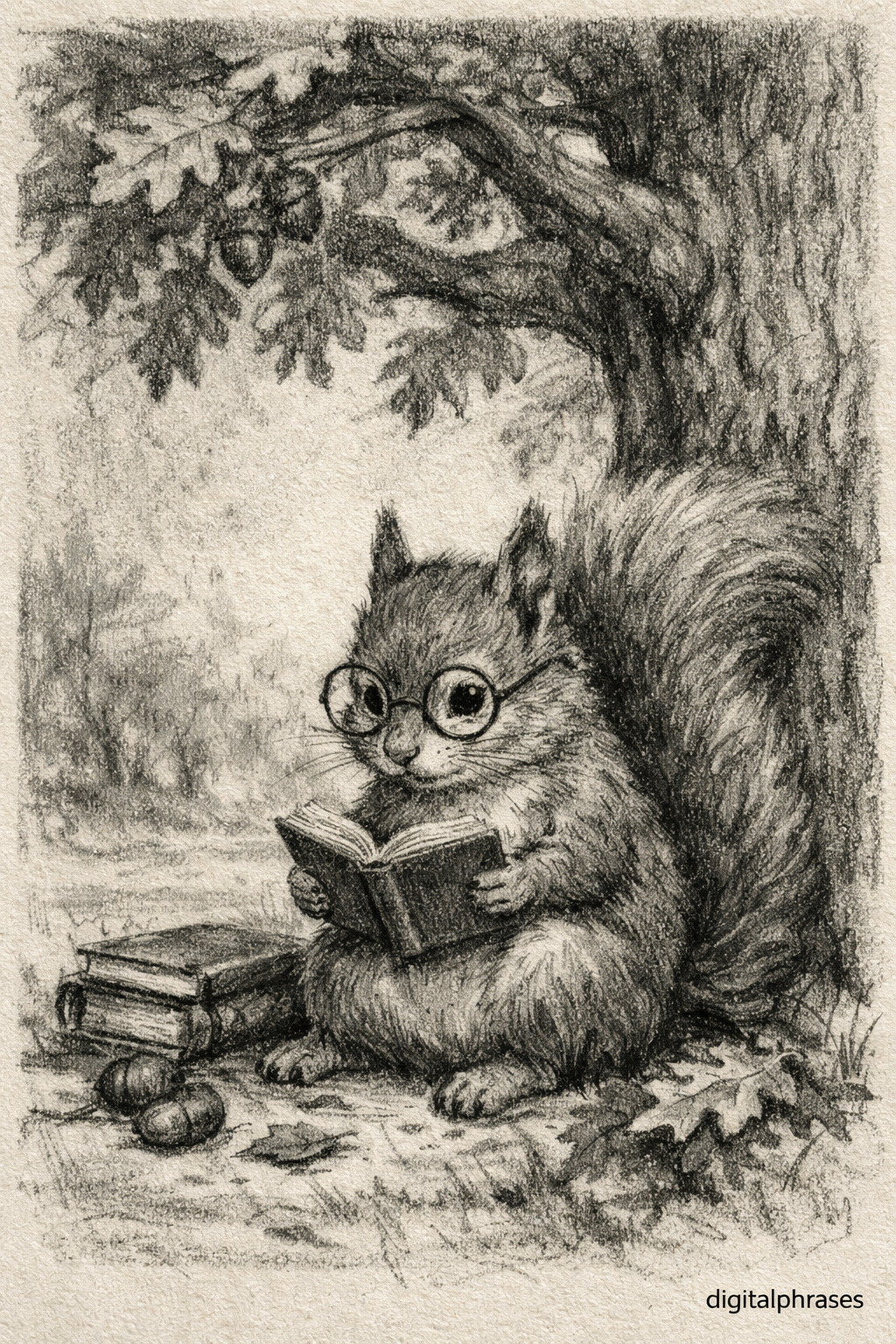
9
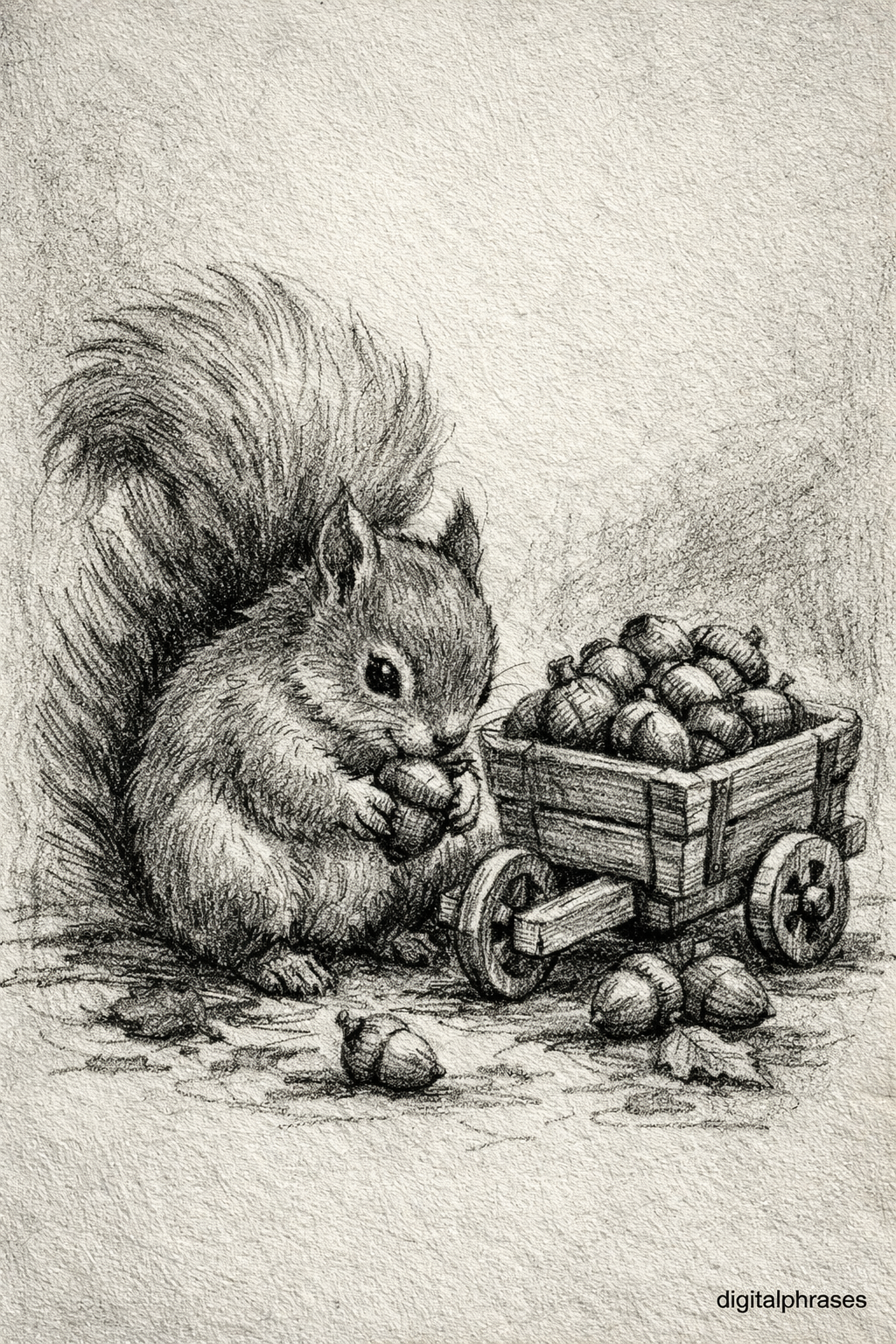
10
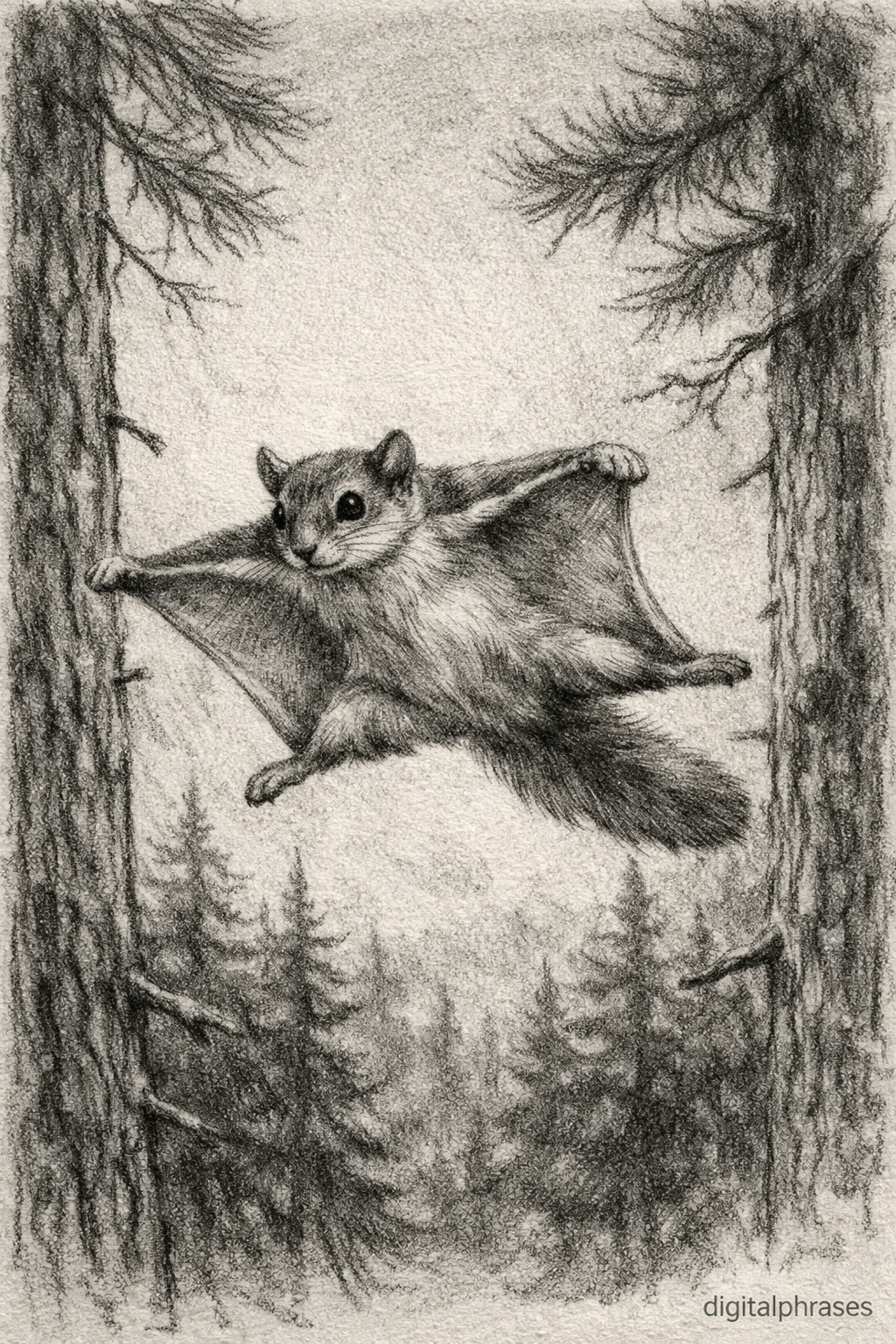
11
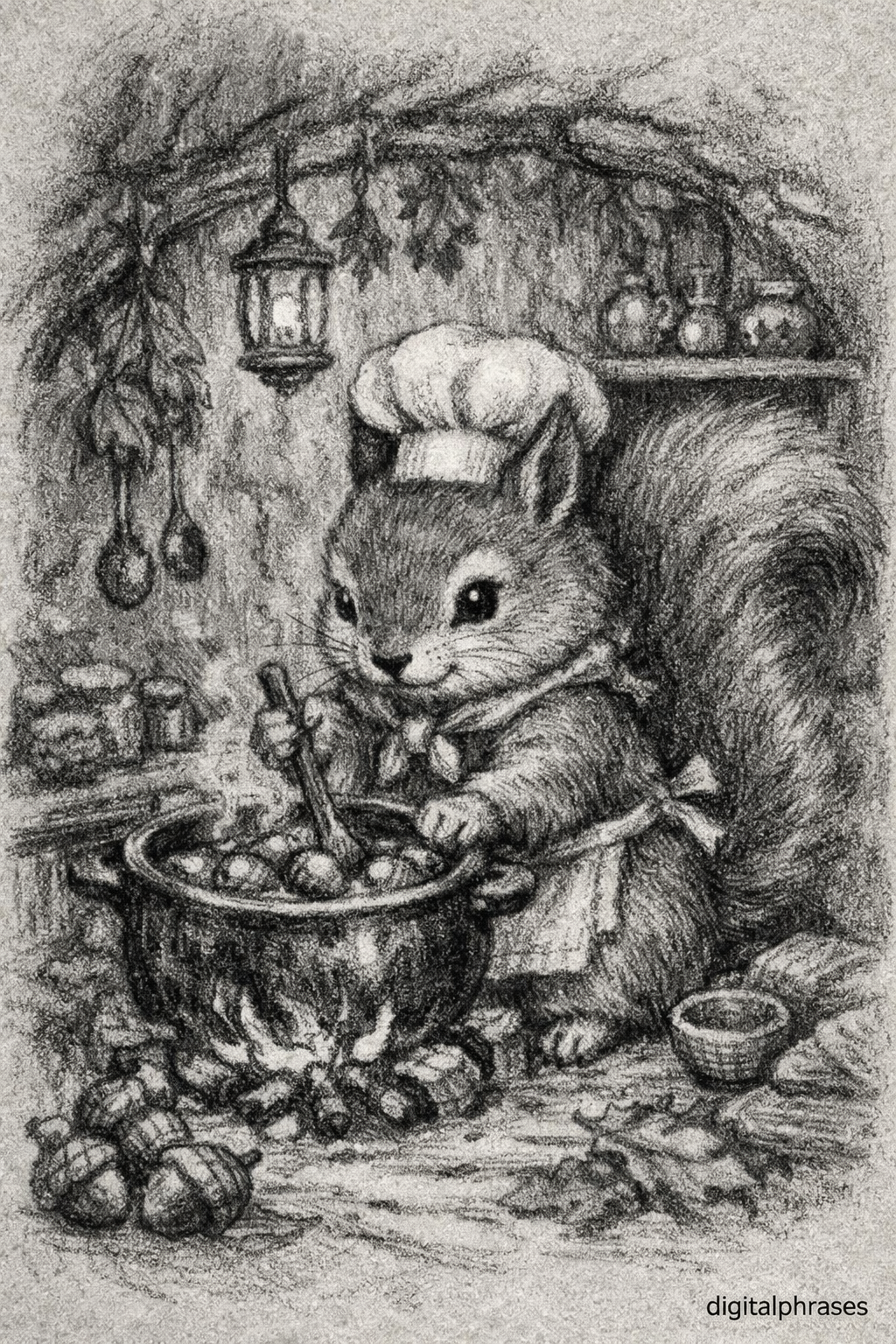
12
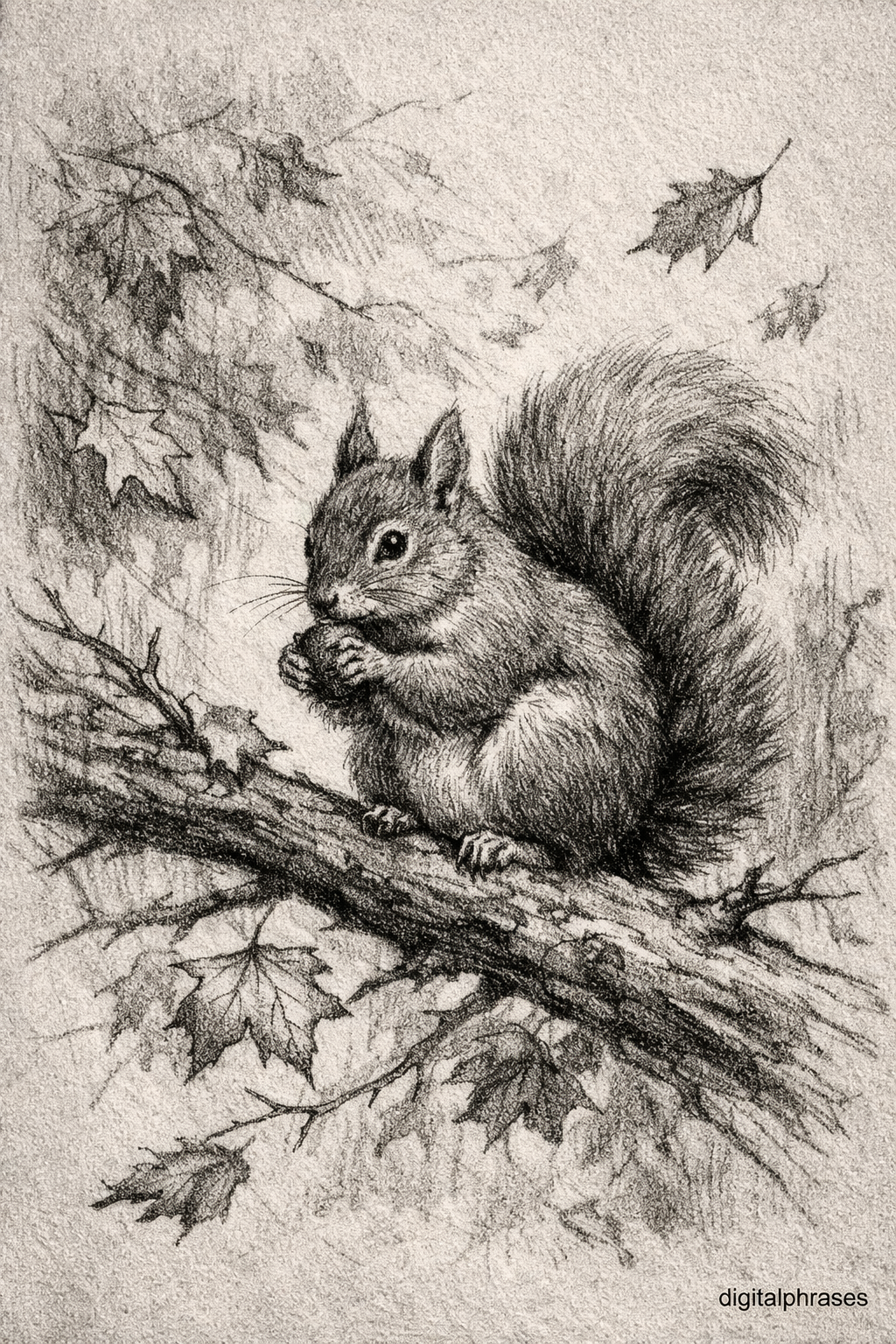
13
14
15
16
17
18
19
20
21
22
23
24
25
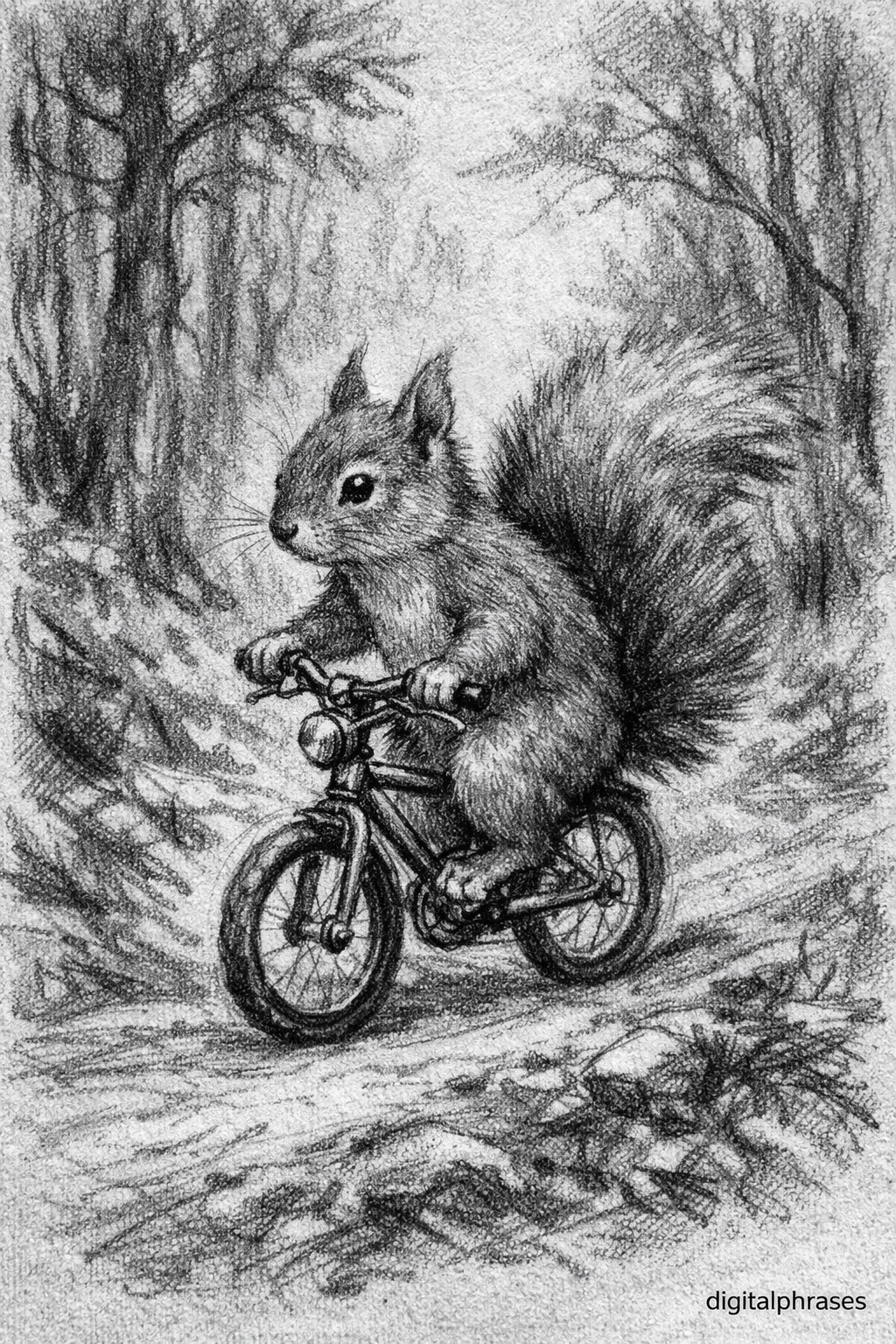
26
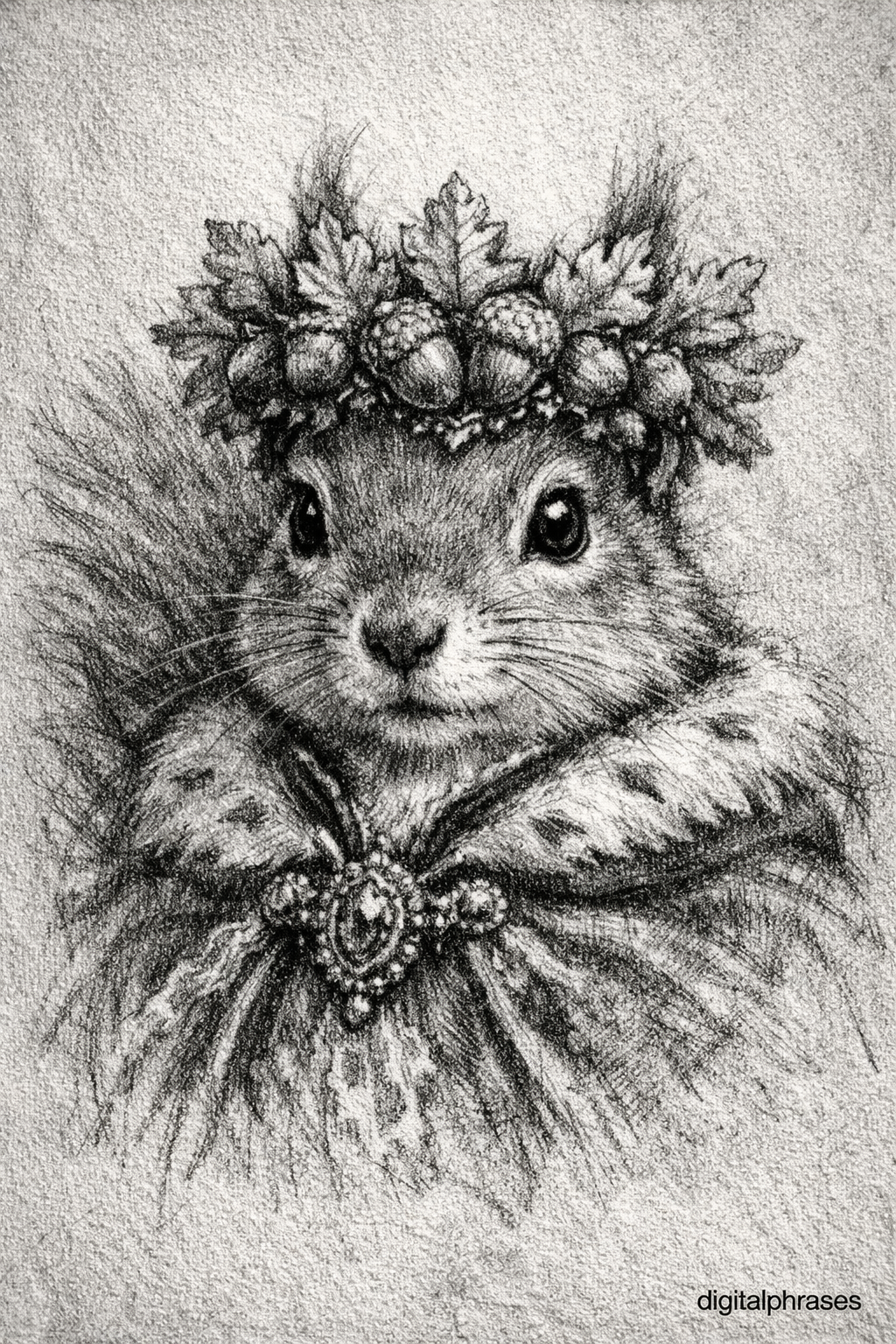
27
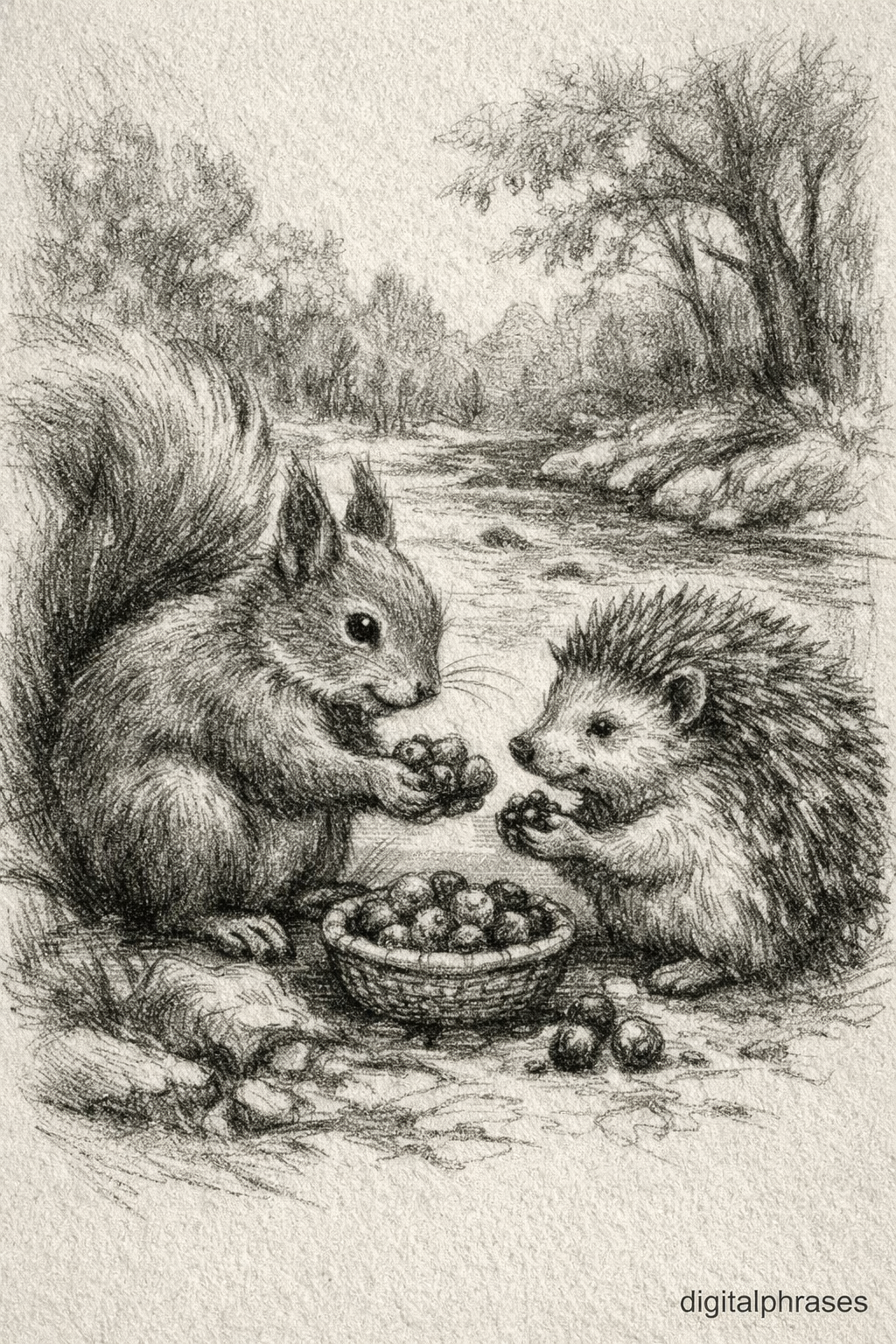
28
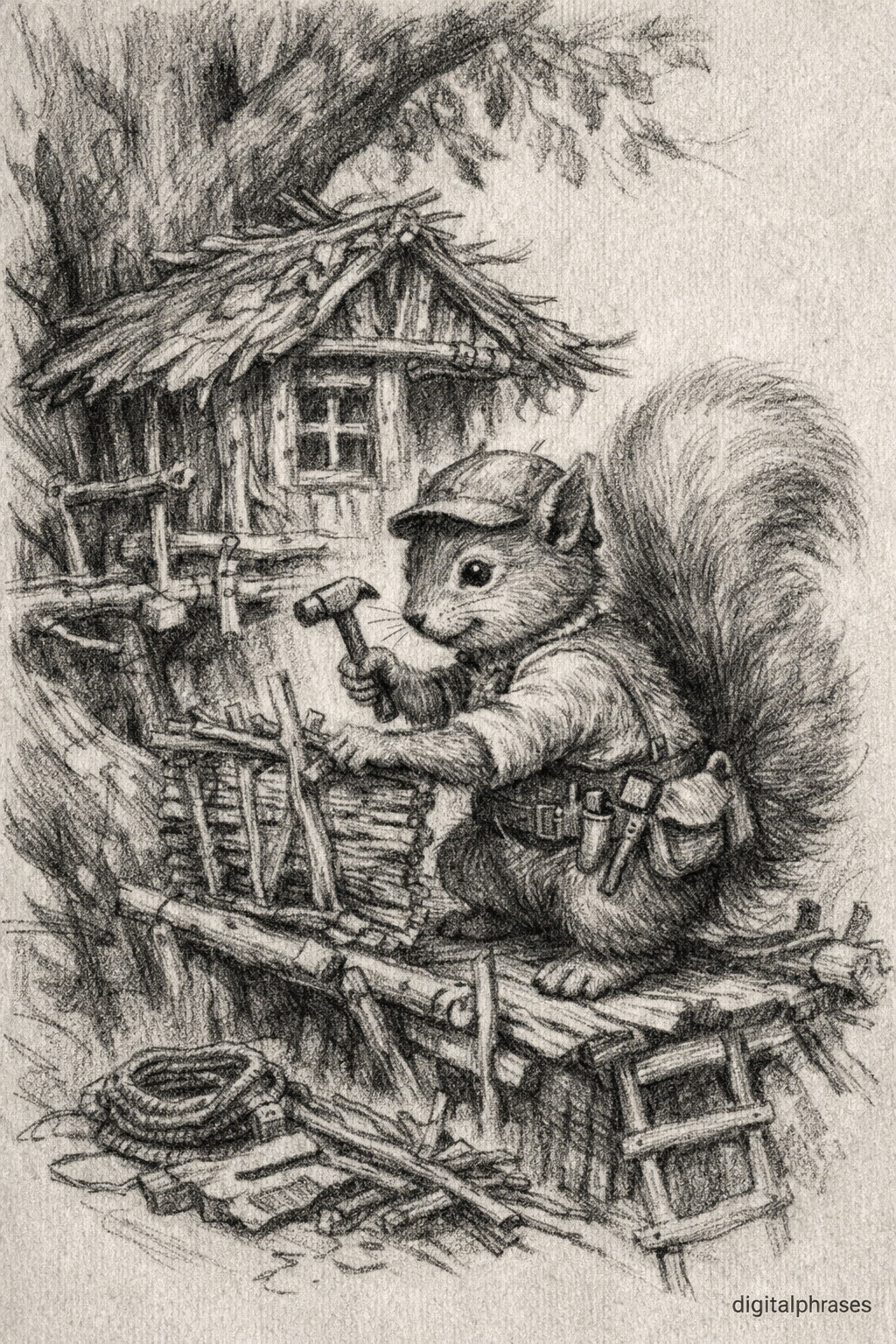
29
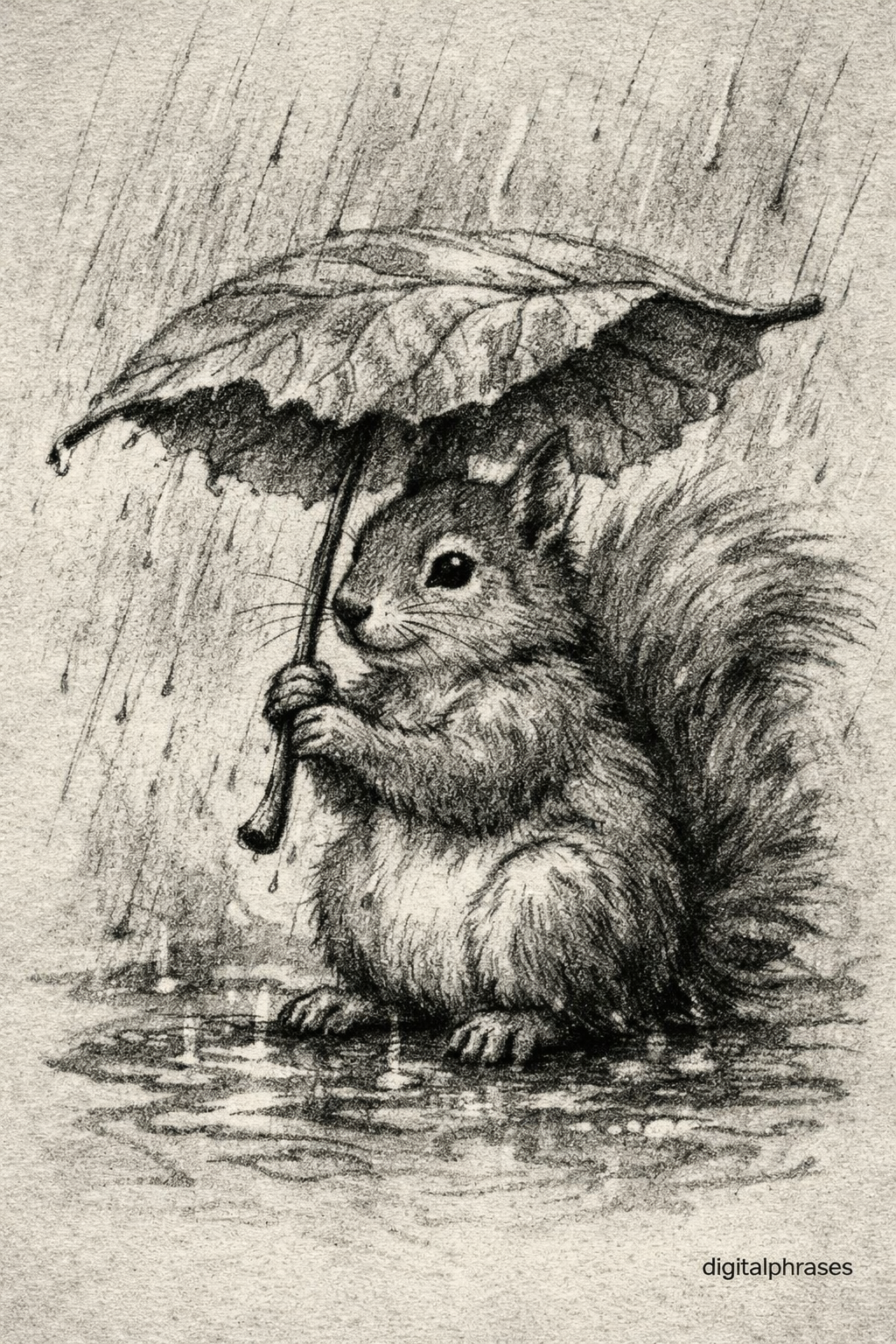
30
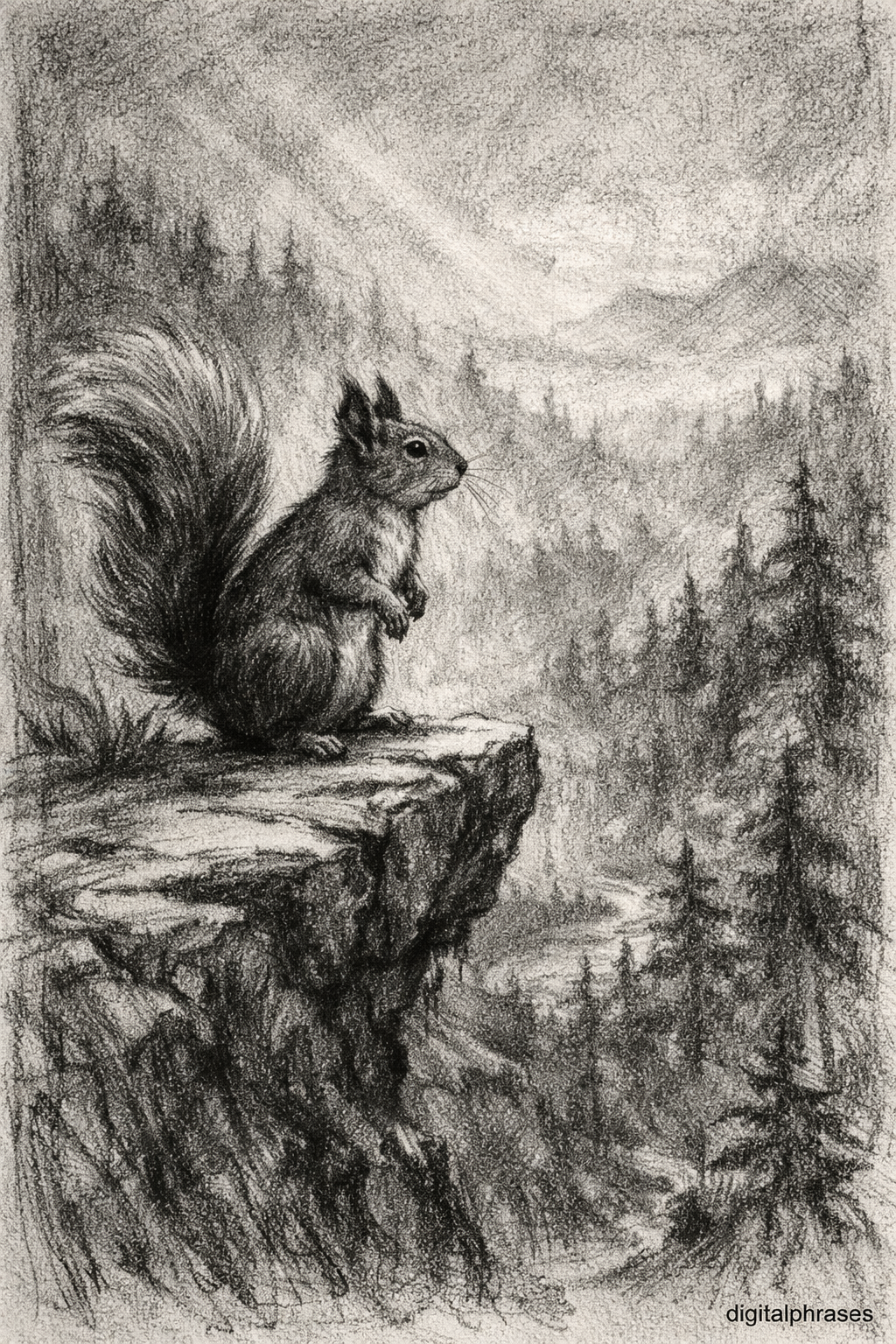
Tips on Drawing a Squirrel
Start with Simple Shapes
When drawing a squirrel, begin by sketching basic shapes to build the body structure. Use circles for the head and body, ovals for the legs, and a curved shape for the tail. This approach helps you establish proper proportions before adding details.
Don’t worry about making everything perfect at this stage. Light, loose lines make it easier to adjust the drawing as you go.
Once you’re happy with the overall shape, you can refine the outline and add more features. Starting with simple forms makes the process less intimidating and helps create a balanced, natural-looking squirrel.
Pay Attention to the Tail
A squirrel’s tail is one of its most recognizable features. It is usually large, fluffy, and almost as long as the body itself.
When drawing the tail, avoid creating a stiff outline. Instead, use soft, flowing lines to suggest volume and texture. Observe how the tail curves and moves with the squirrel’s posture. Whether the squirrel is sitting, climbing, or running, the tail often adds movement and personality to the drawing.
Spending extra time on this feature can make your artwork instantly more recognizable and visually appealing.
Study Real Squirrel Poses
Looking at reference photos can greatly improve your squirrel drawings. Squirrels are active animals that often sit upright, climb trees, hold food, or leap between branches.
Studying these natural poses helps you understand their body language and proportions. Pay attention to how the legs bend, how the head tilts, and how the tail balances the body.
Using references doesn’t limit creativity—it helps you create more believable and engaging artwork. Even a quick glance at real squirrel images can reveal details you might otherwise overlook.
Add Fur with Light Strokes
Instead of drawing every single hair, use short, light strokes to suggest the texture of fur. Focus on areas where the fur appears fluffiest, such as the tail, chest, and cheeks.
Vary the direction of your strokes to match the natural growth of the fur.
This technique creates a softer and more realistic appearance without making the drawing look cluttered. Building texture gradually also gives you better control over shading and depth.
Use Shading to Create Depth
Shading can transform a flat sketch into a more lifelike drawing. Identify where the light source is coming from and add darker tones to the areas that fall in shadow. Common shadow areas include beneath the belly, around the legs, and under the tail.
Blend your shading smoothly while leaving lighter areas for highlights. This contrast helps define the squirrel’s shape and makes the drawing appear more three-dimensional. Even simple shading techniques can significantly improve the overall quality of your artwork.