How To Draw a Pineapple
Here are the simple and easy steps to draw a pineapple.
Step-by-Step Instructions to Draw a Pineapple
Step 1: Start with the basic shape
First, draw a simple vertical oval in the center of your page. Don’t worry about perfection—this is just a guideline for the body of the pineapple. Keep your lines light so you can adjust them later if needed.

Step 2: Add the crown (top leaves)
Now, at the top of the oval, begin sketching the leaves. Draw a few long, pointed shapes extending upward. These should look like spiky petals or elongated triangles. At this stage, keep them simple—just a few leaves to establish the structure.
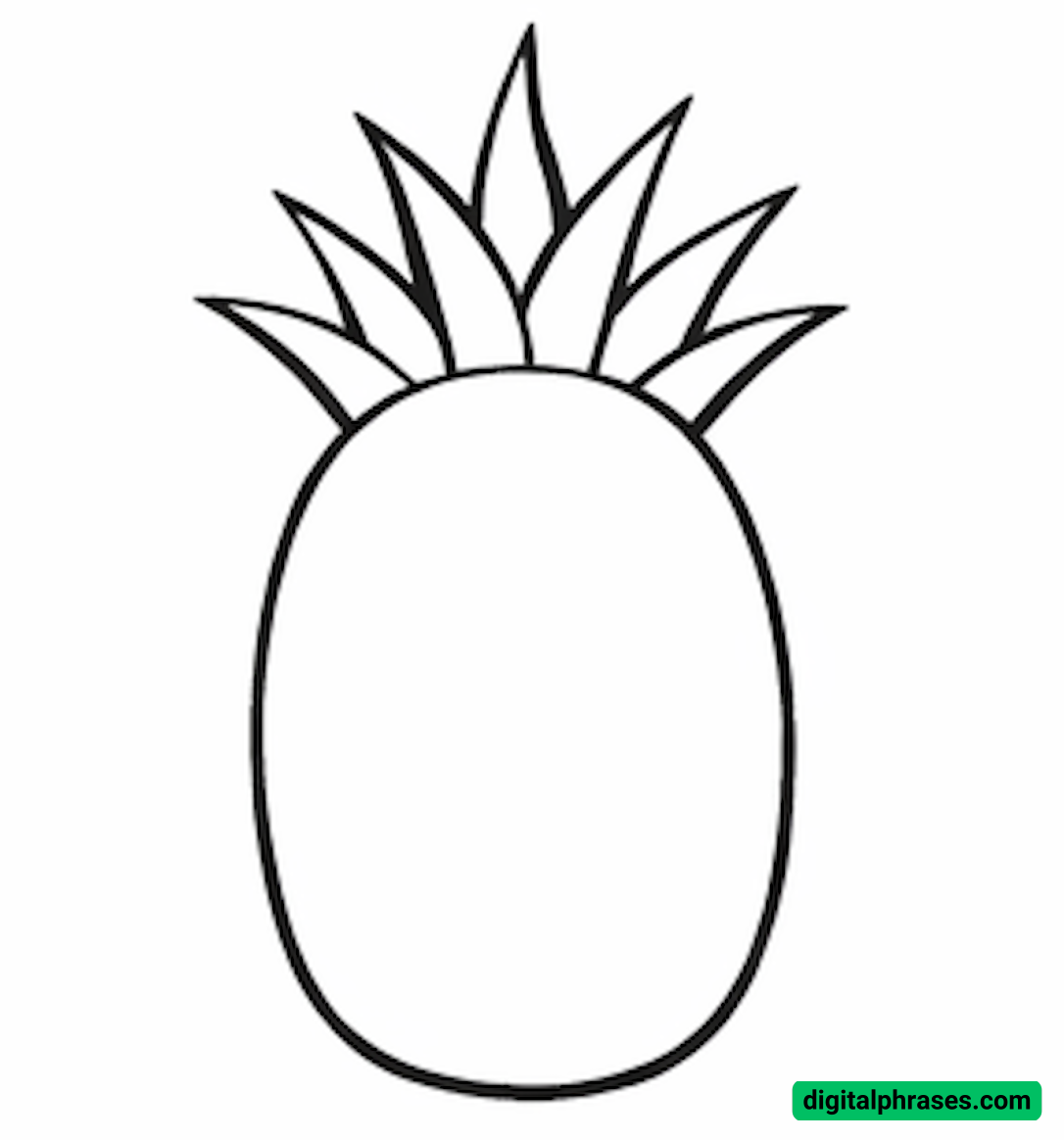
Step 3: Build up the leaf details
Next, add more leaves around the initial ones to make the crown fuller and more natural. Vary the direction and length slightly so it doesn’t look too uniform. The top should now resemble a spiky, leafy crown sitting firmly on the oval.
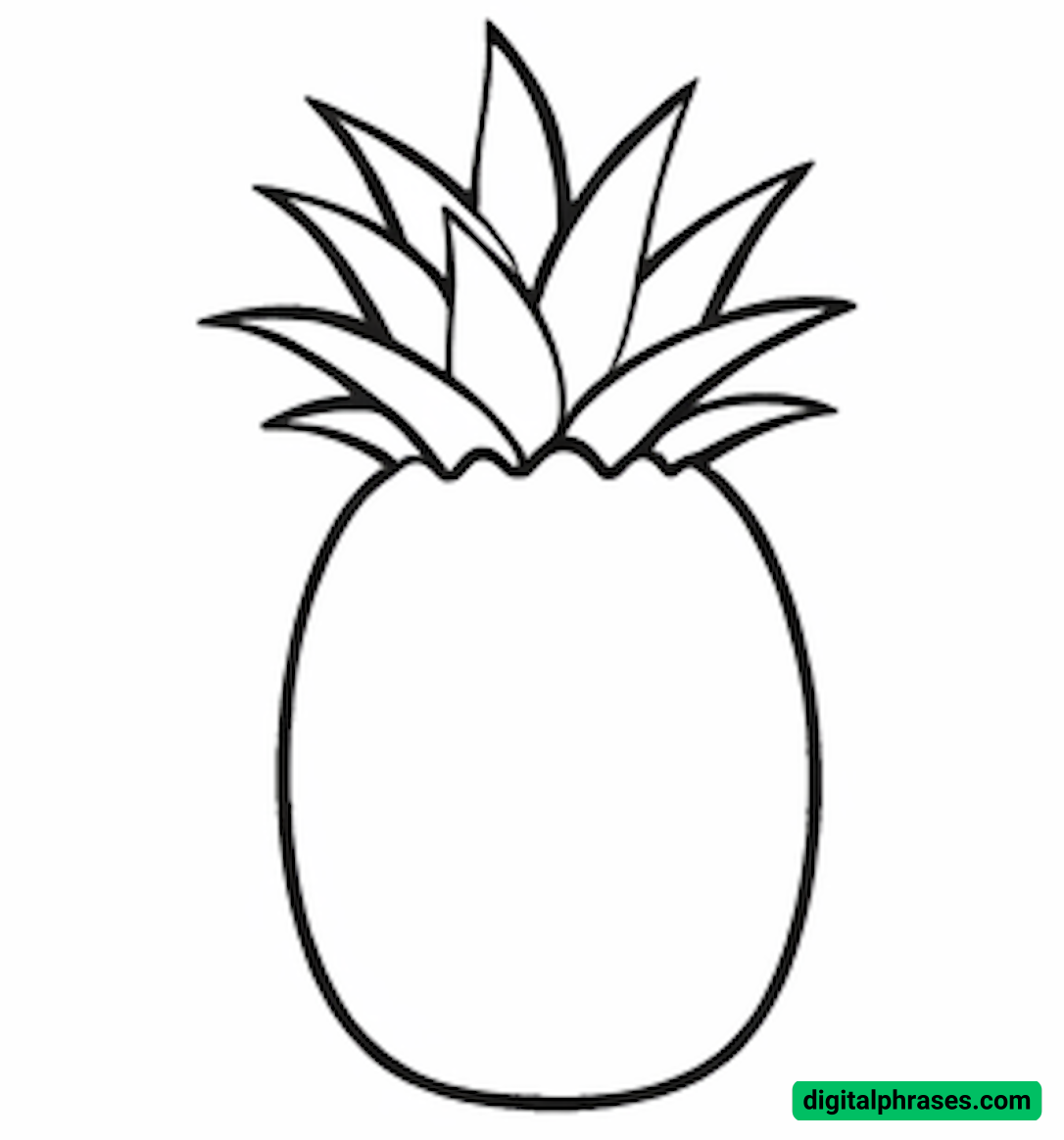
Step 4: Lightly map the surface pattern
Now move to the body. Draw a few diagonal curved lines across the oval in one direction. Then add another set crossing them in the opposite direction. Don’t press too hard—these are just guiding lines to help you place the pineapple’s texture.
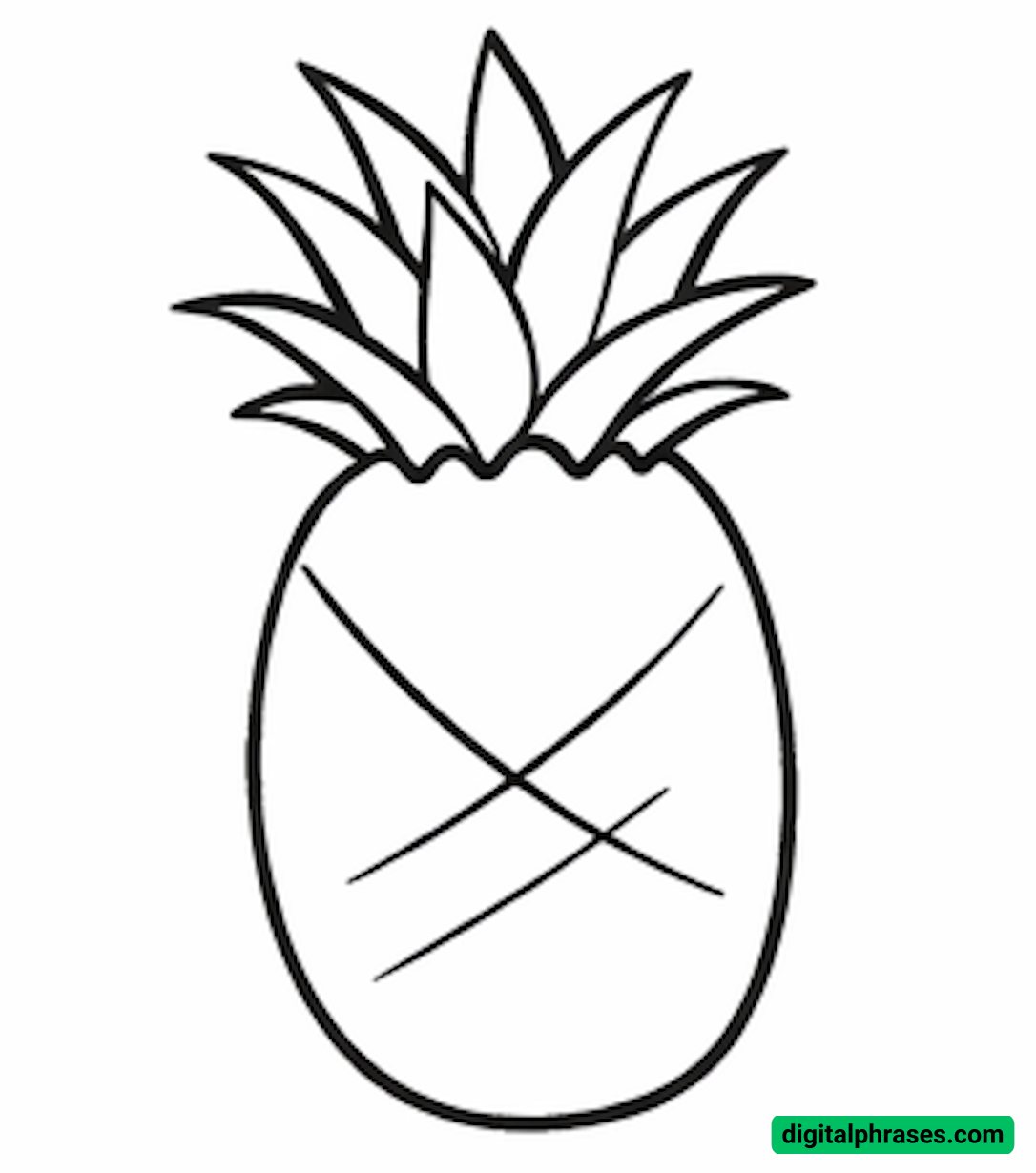
Step 5: Define the diamond pattern
Using the intersecting lines as a guide, start forming diamond shapes across the entire body. This crisscross pattern is essential—it gives the pineapple its distinctive look. Keep spacing relatively even.
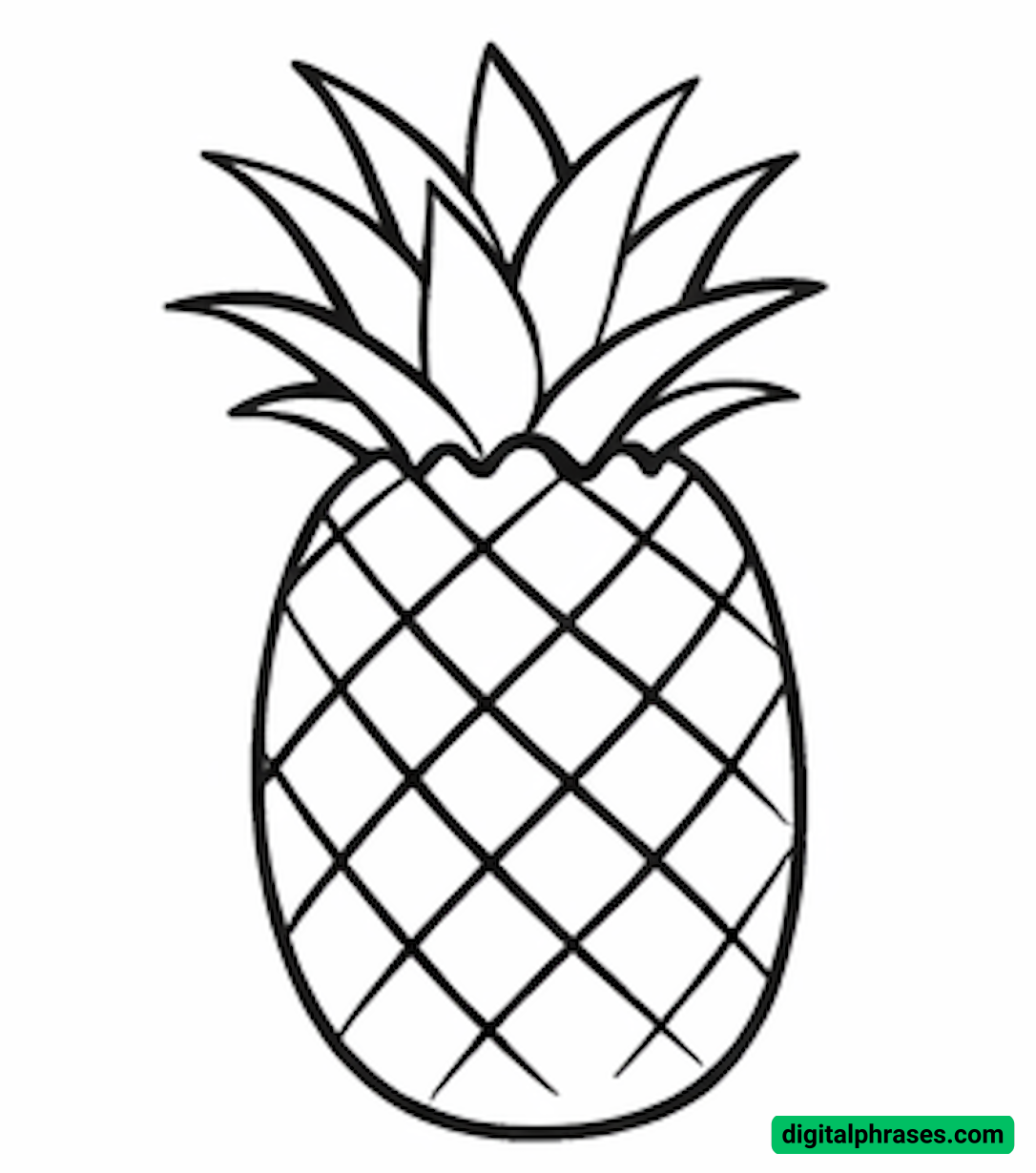
Step 6: Add texture details and final refinement
Inside each diamond shape, add small curved or pointed marks to suggest the rough, spiky surface of the pineapple. You can also refine the outline of the oval and leaves, making them cleaner and more defined.
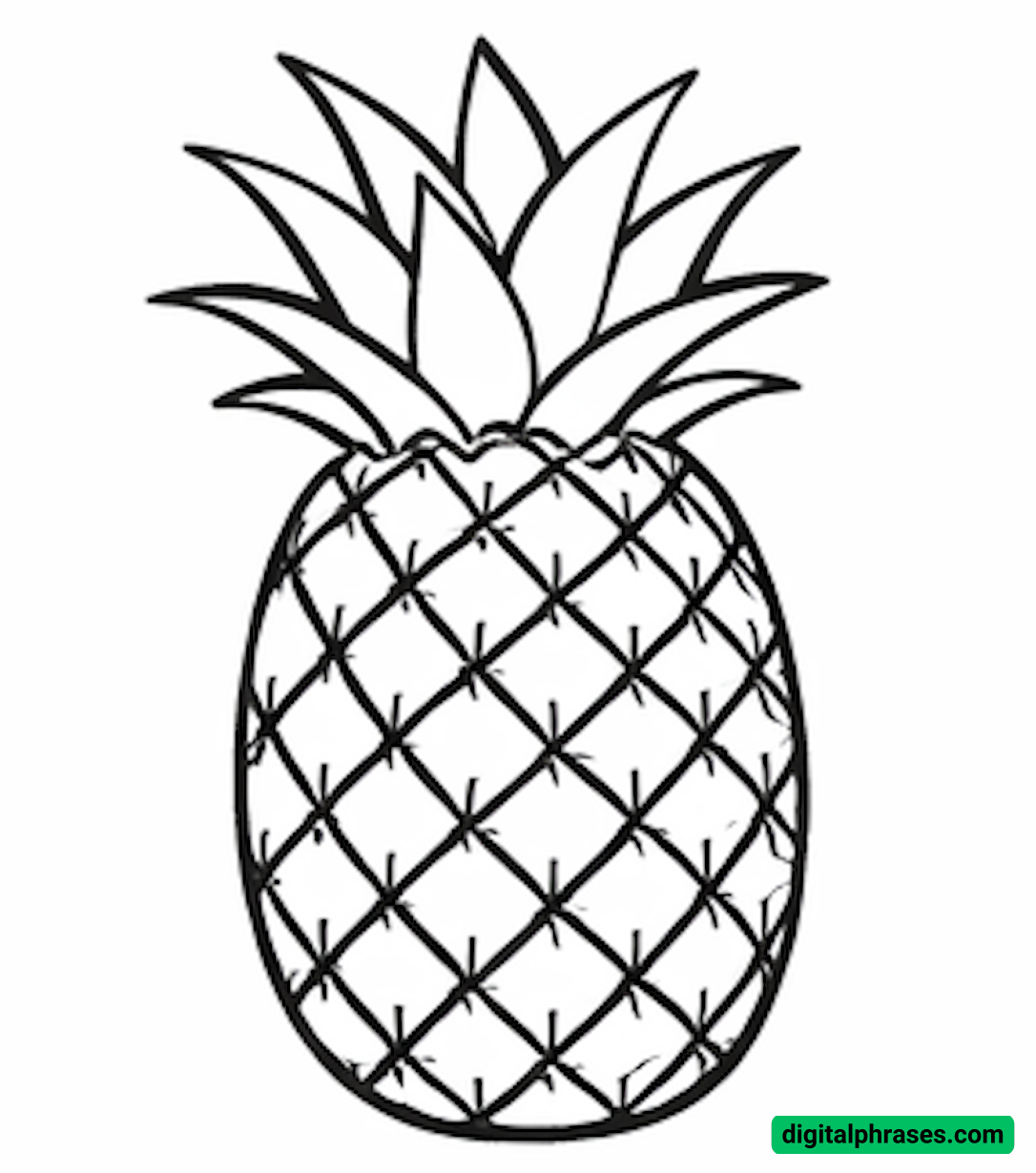
Tips on Drawing a Pineapple
Focus on Getting the Basic Shape Right
When drawing a pineapple, everything starts with the foundation. Make sure you begin with a well-proportioned oval that is slightly taller than it is wide. This shape represents the body of the pineapple and sets the tone for the entire drawing.
If the base is too narrow or too wide, the final result may look off-balance. Keep your initial lines light so you can easily adjust proportions as you refine the sketch. A strong base shape will make every subsequent step easier and more accurate.
Build the Crown Gradually
The leafy top of a pineapple can look complex, but it becomes manageable if you construct it step by step. Start with a few central leaves and then gradually add more around them.
Avoid drawing all the leaves at once. Instead, layer them to create depth and variation. Make sure the leaves point in slightly different directions and vary in length. This prevents the crown from looking stiff or overly symmetrical and gives it a more natural, organic appearance.
Use Guidelines for the Pattern
One of the most distinctive features of a pineapple is its diamond-shaped surface pattern.
Rather than trying to draw each diamond individually from the start, first create a grid using diagonal lines in both directions. These guidelines will help you maintain consistent spacing and alignment across the fruit. Keep these lines light so they can be erased or blended into the final design later. This technique saves time and ensures a more polished result.
Add Texture Thoughtfully
Texture is what brings your pineapple to life. Inside each diamond shape, add small curved or pointed marks to suggest the rough, spiky surface.
Be careful not to overdo it—too much detail can make the drawing look cluttered. Instead, aim for a balanced approach where the texture is visible but not overwhelming. You can also vary the pressure of your pencil to create subtle differences in depth and emphasis.
Refine and Clean Your Drawing
The final step is refinement. Go over your drawing and darken the important outlines while removing unnecessary sketch lines. Pay attention to the edges of the leaves and the clarity of the diamond pattern.
This is also the time to correct any uneven shapes or proportions. A clean, well-defined finish can make even a simple drawing look professional and complete.