How to Draw a Vampire
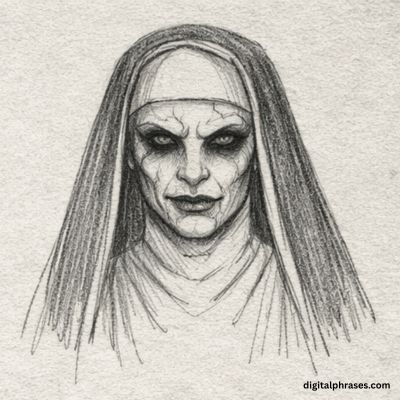
Here’s the process of drawing a vampire.
Step by Step Process of Drawing a Vampire
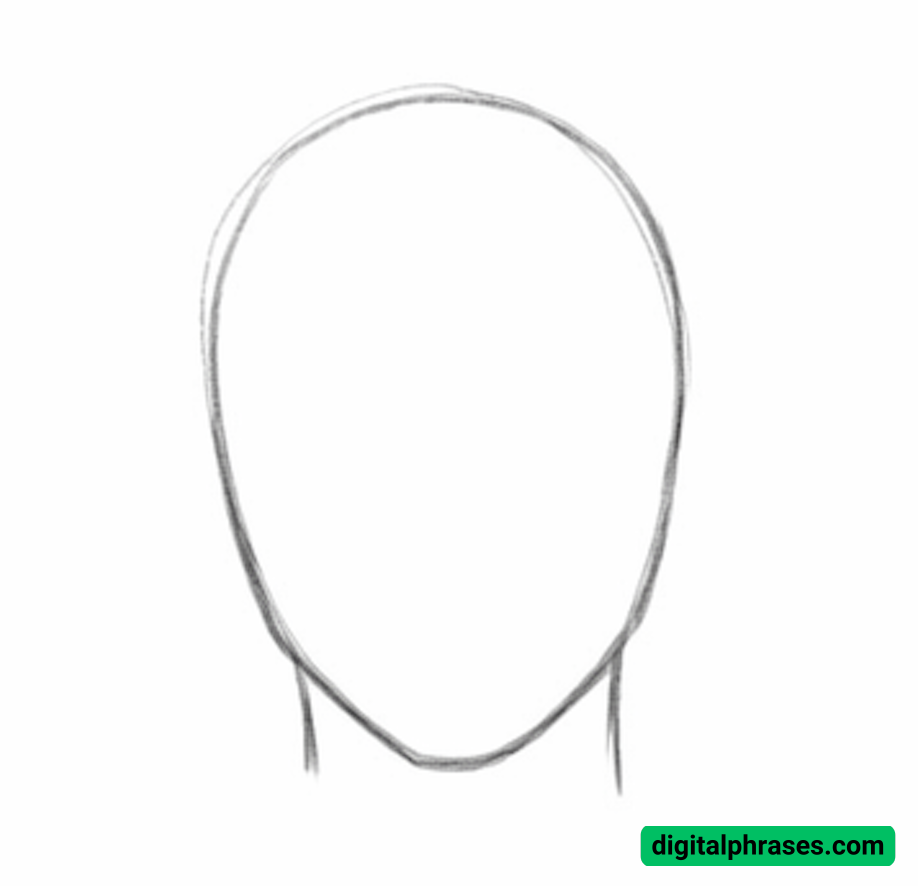
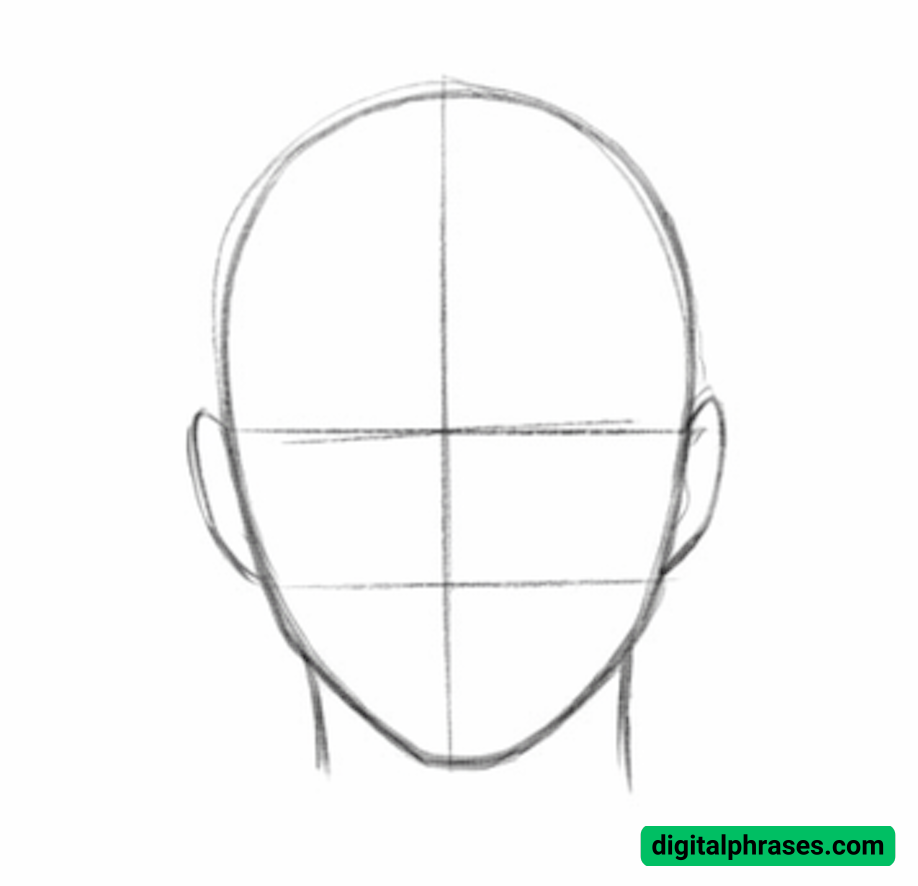
1. Start with the basic face shape
Draw a light oval or slightly angular face. Vampires often look sharp and defined, so you can make the jaw a bit pointed.
2. Add guidelines for features
Draw a vertical line down the center and a horizontal line across the middle to position the eyes, nose, and mouth.
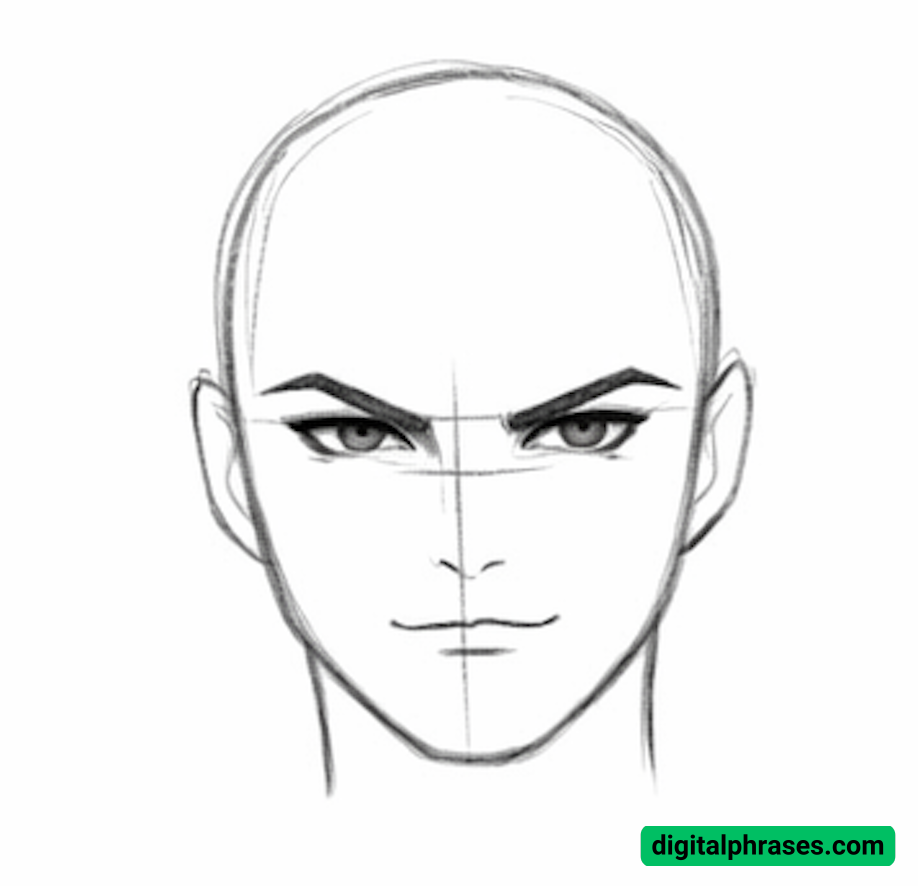
3. Sketch the eyes and eyebrows and nose
Draw narrow, slightly slanted eyes to give a mysterious or sinister look. Add arched or sharp eyebrows for intensity. Draw the nose. Keep the nose simple.
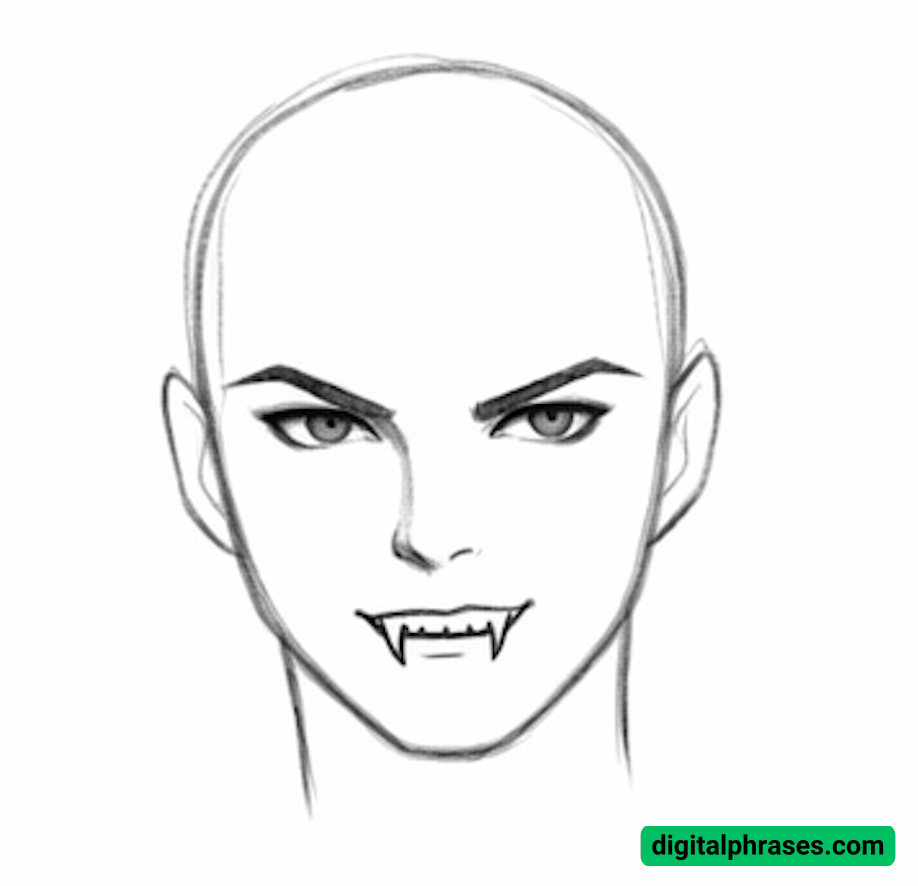
4. Add the fangs
From the mouth, draw slightly parted lips and add two sharp fangs coming down from the upper teeth.
5. Add hair and facial details
Give your vampire dramatic hair—slicked back, messy, or long and flowing. You can also add shadows under the eyes or high cheekbones for a pale, undead look.
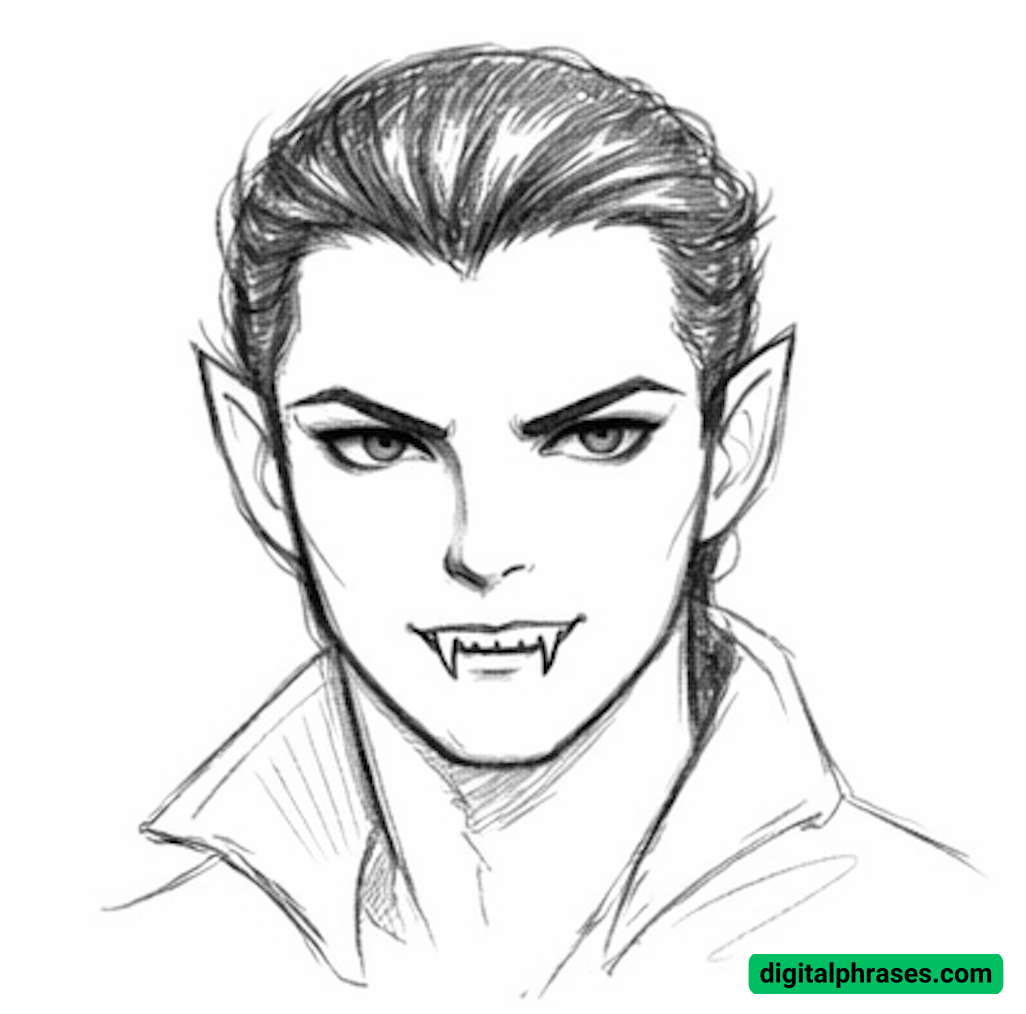
6. Finish with clothing and shading
Sketch a high-collared cape or formal outfit. Add shading around the eyes, under the cheekbones, and around the neck to create a dark, eerie vibe.
Note: I removed the teeth of the vampire (not the fangs) because I did not like it. But you can keep it if you wish.
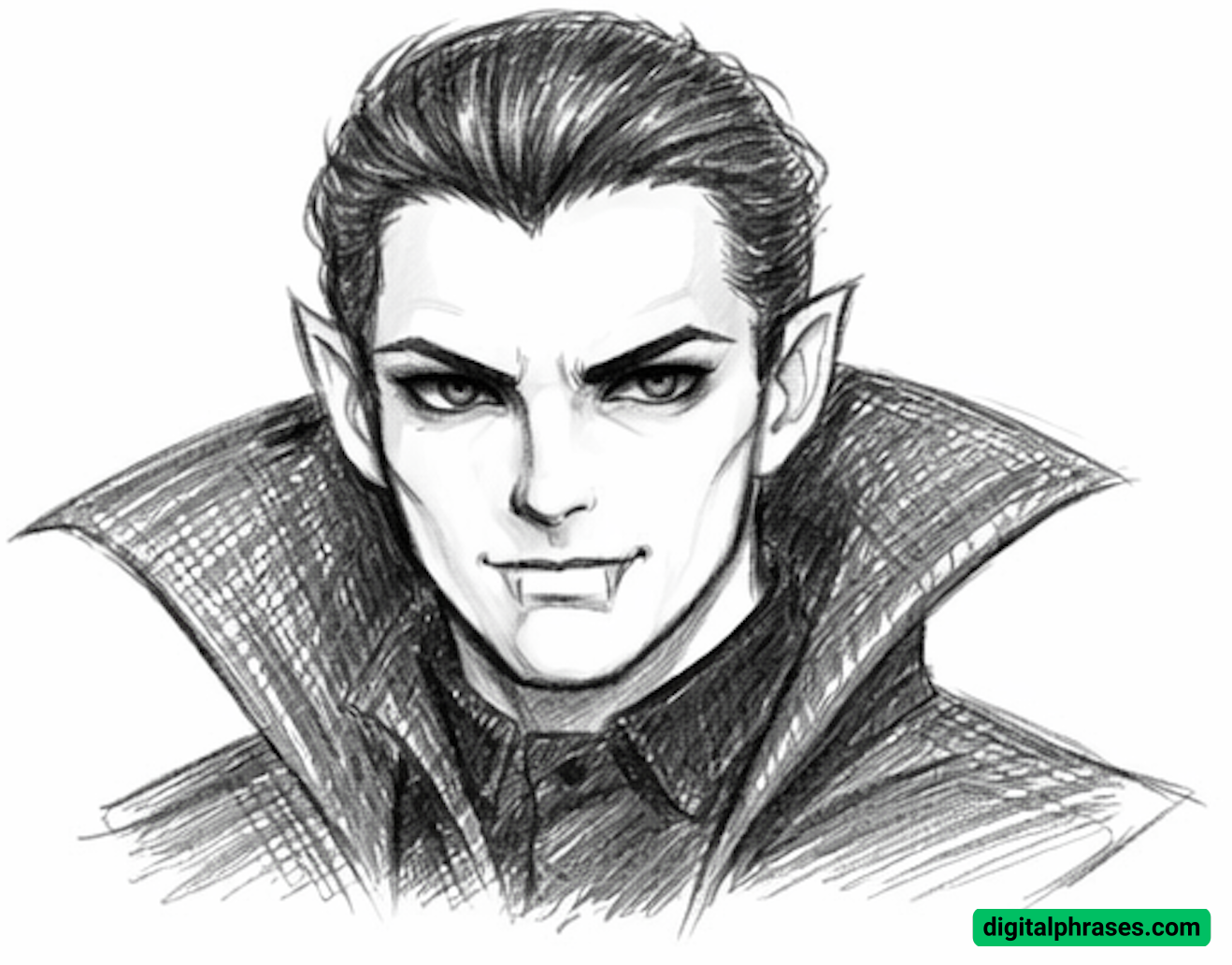
Tips on Drawing a Vampire
Focus on Sharp, Angular Features
A vampire’s face is often defined by sharp, elegant angles rather than soft curves. When sketching, emphasize high cheekbones, a pointed chin, and a narrow jawline. These features create that classic mysterious and slightly dangerous look associated with vampires. Avoid making the face too round, as it can reduce the dramatic effect. Lightly exaggerating these angles can help your drawing stand out and instantly feel more “vampiric.”
Create Intense, Expressive Eyes
The eyes are one of the most important elements in capturing a vampire’s personality. Draw them slightly narrow or elongated to give a piercing, hypnotic gaze. You can experiment with heavy eyelids, dark circles, or sharp eyeliner effects to enhance the mood. The eyebrows should also be expressive—arched or angled brows can make the character look more sinister or powerful. Adding a subtle glare or glow to the eyes can further enhance the supernatural feel.
Highlight the Fangs Subtly
Fangs are a defining trait, but they should be used carefully. Instead of exaggerating them too much, draw small, sharp canines that slightly extend from the upper lip. This keeps the design believable and stylish rather than cartoonish. A slightly open mouth or a smirk can help reveal the fangs naturally. You can also add a tiny hint of shadow or shine to make them look more realistic.
Use Dramatic Hair and Clothing
Vampires are often portrayed as elegant and dramatic, so their hairstyle and clothing should reflect that. Think of slicked-back hair, long flowing locks, or even slightly messy but stylish looks. For clothing, high collars, capes, or formal attire like suits and dresses work very well. These elements not only enhance the character’s personality but also add visual interest to your drawing.
Add Depth with Shading and Contrast
Shading plays a crucial role in bringing your vampire to life. Use darker tones around the eyes, under the cheekbones, and along the neck to create a hollow, eerie effect. Strong contrast between light and shadow can give your drawing a more dramatic and gothic atmosphere. You can also keep the skin relatively pale while darkening the surroundings to make the vampire stand out. This contrast helps reinforce the supernatural and mysterious vibe.