Water Lily Drawing Ideas
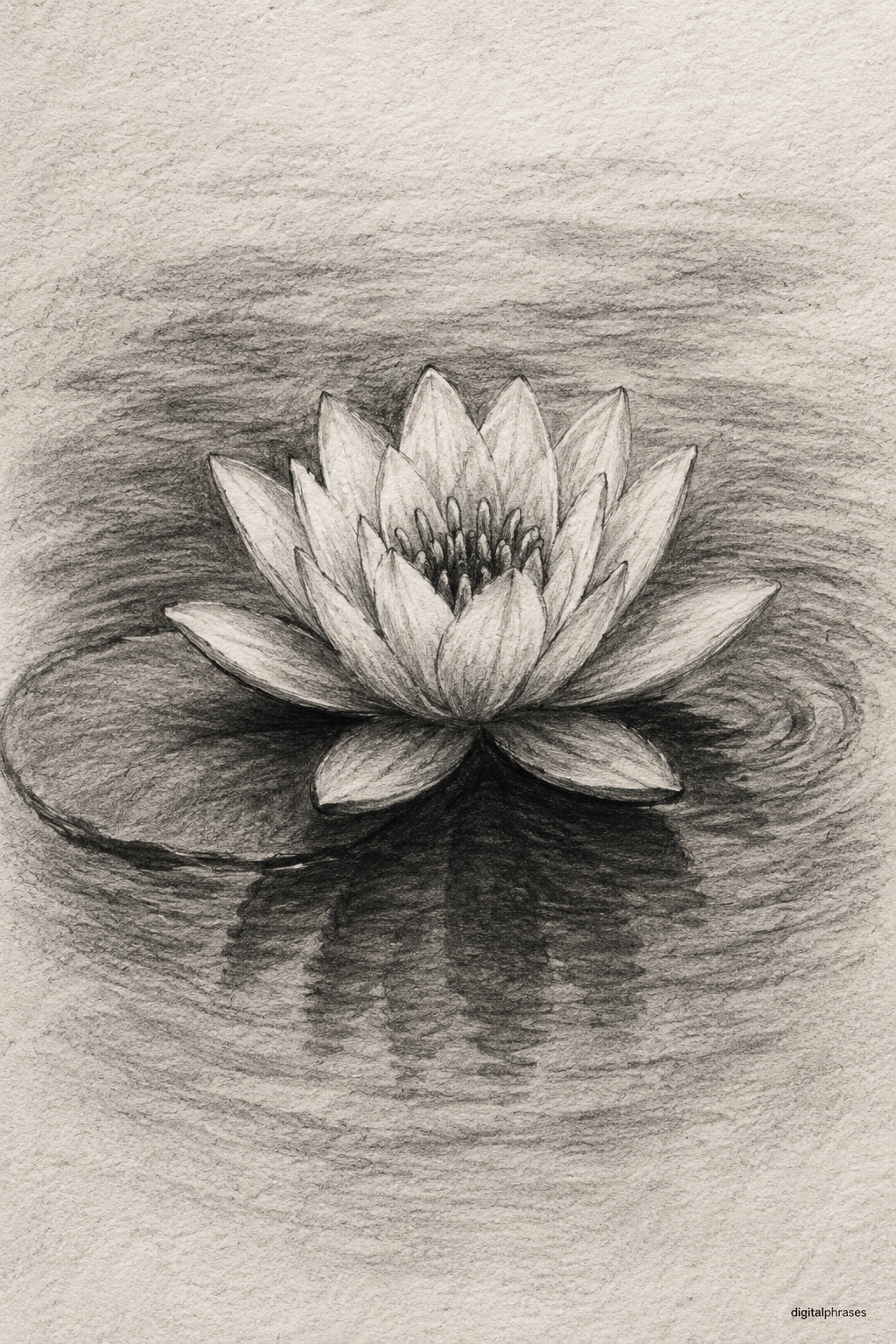
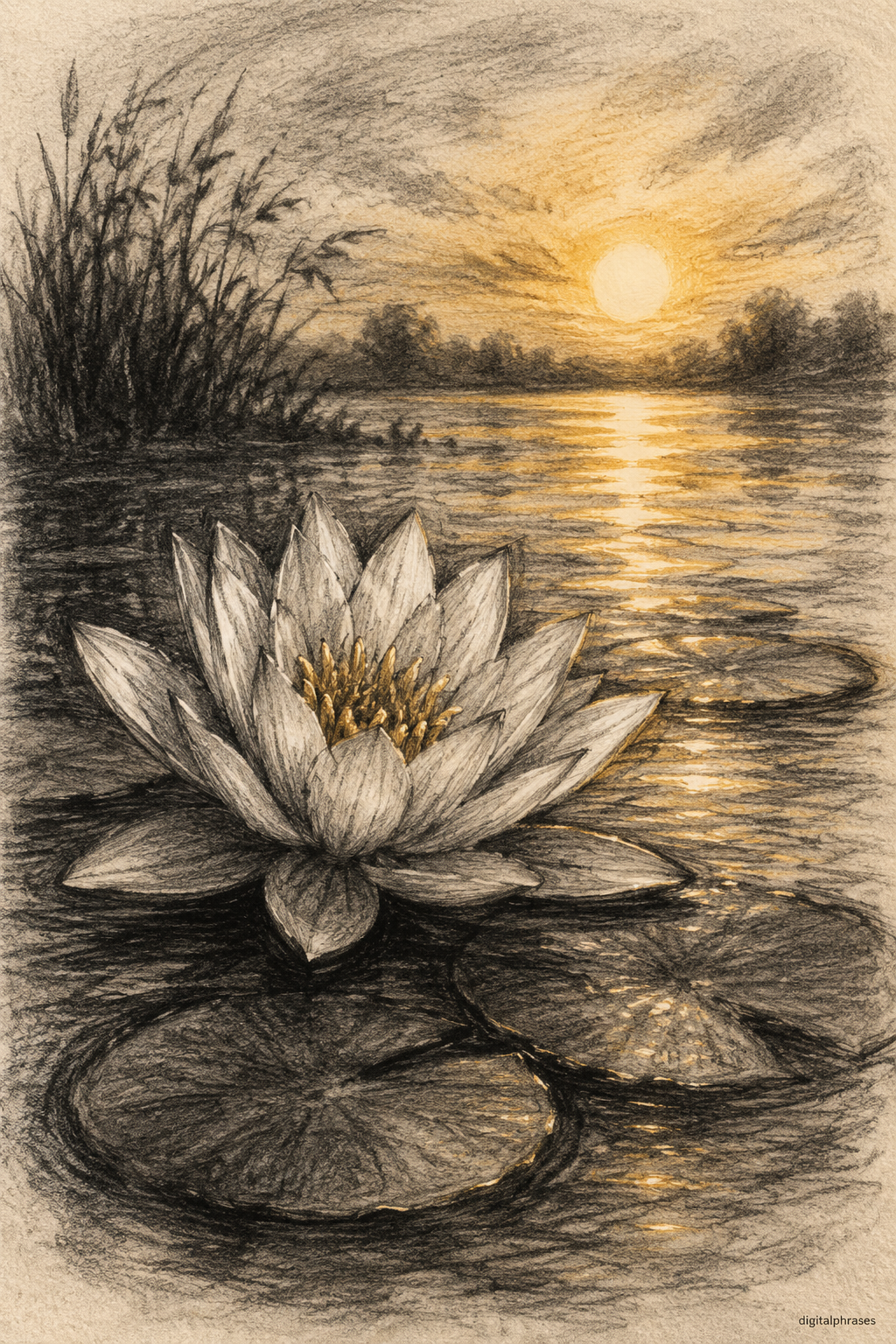
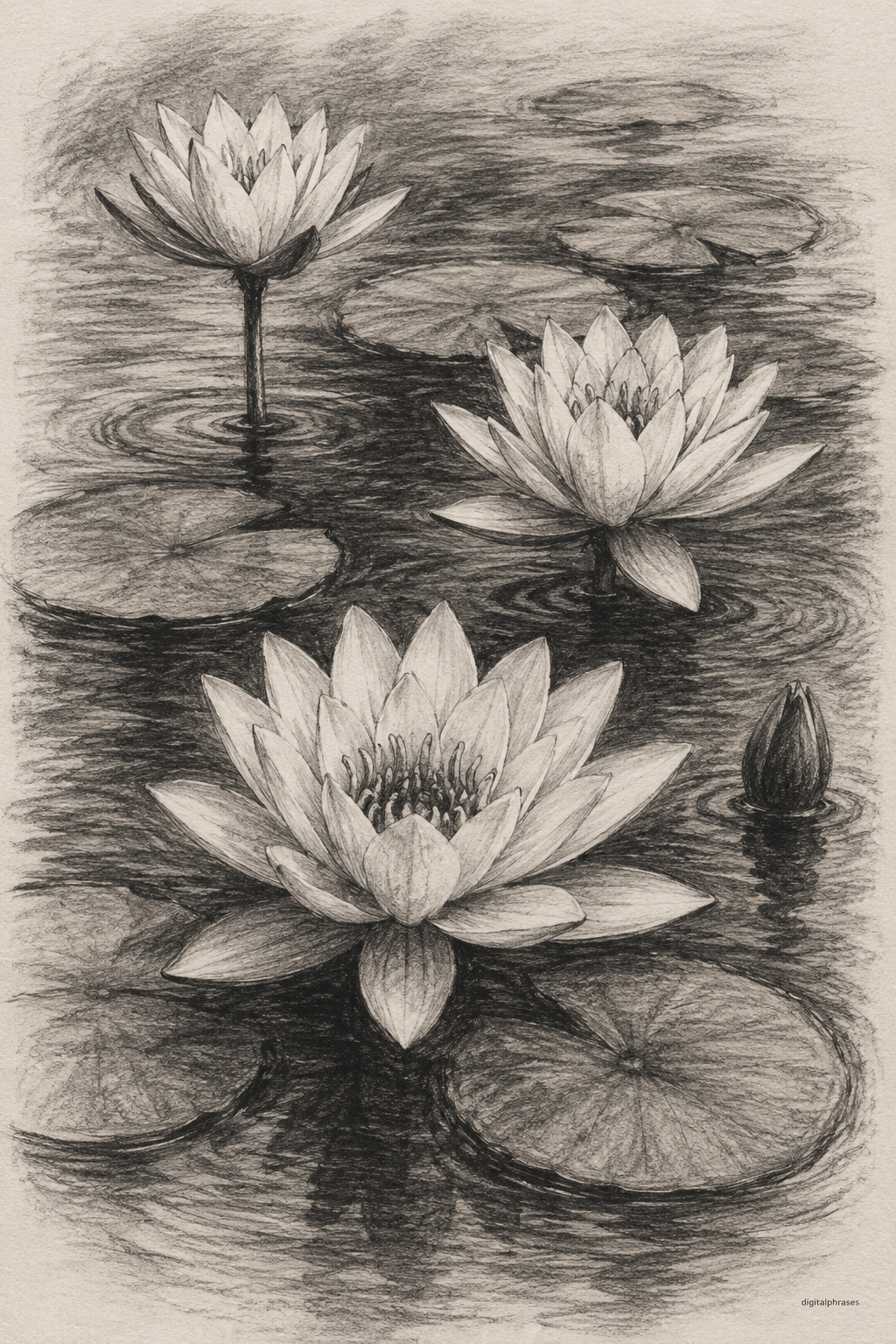
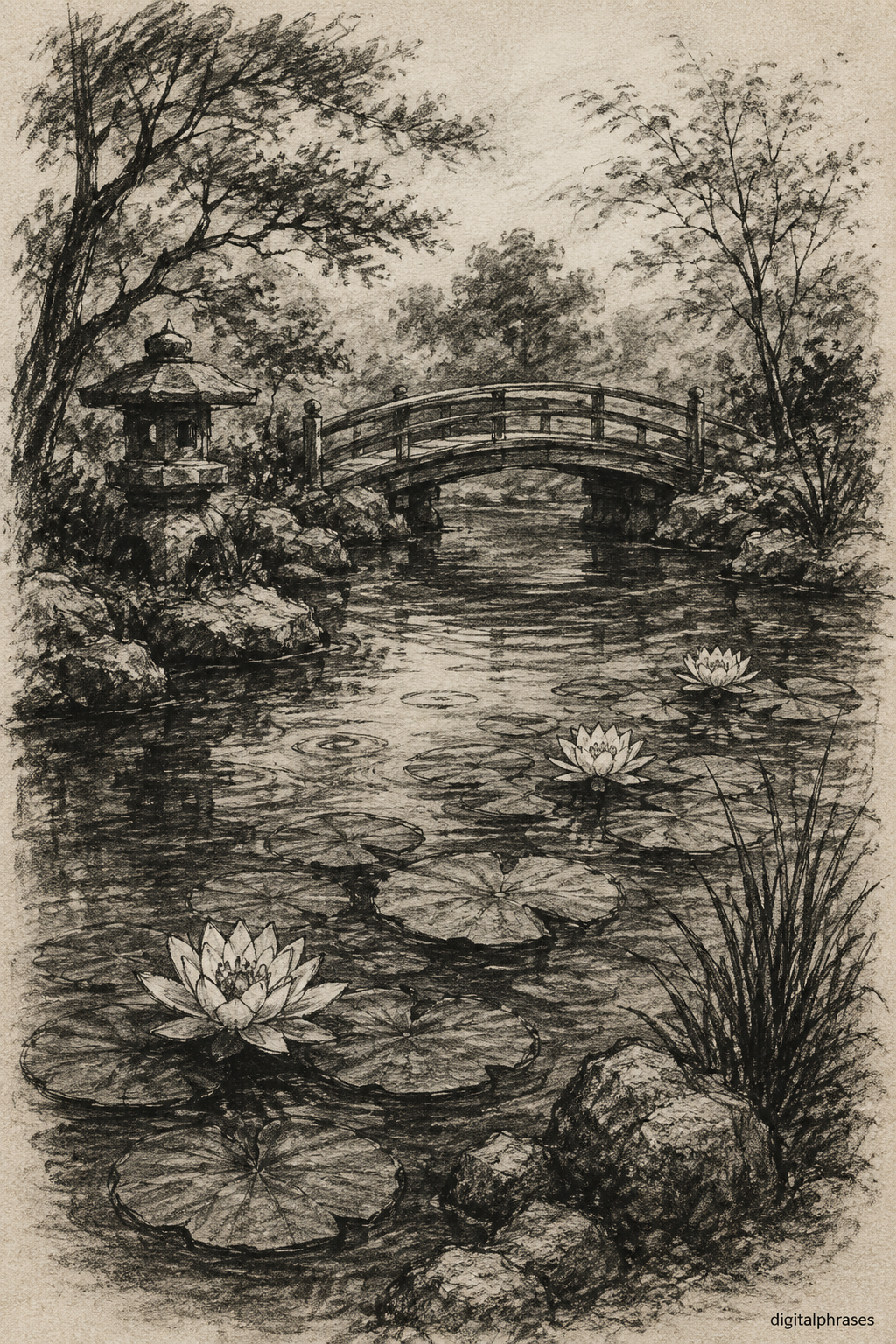
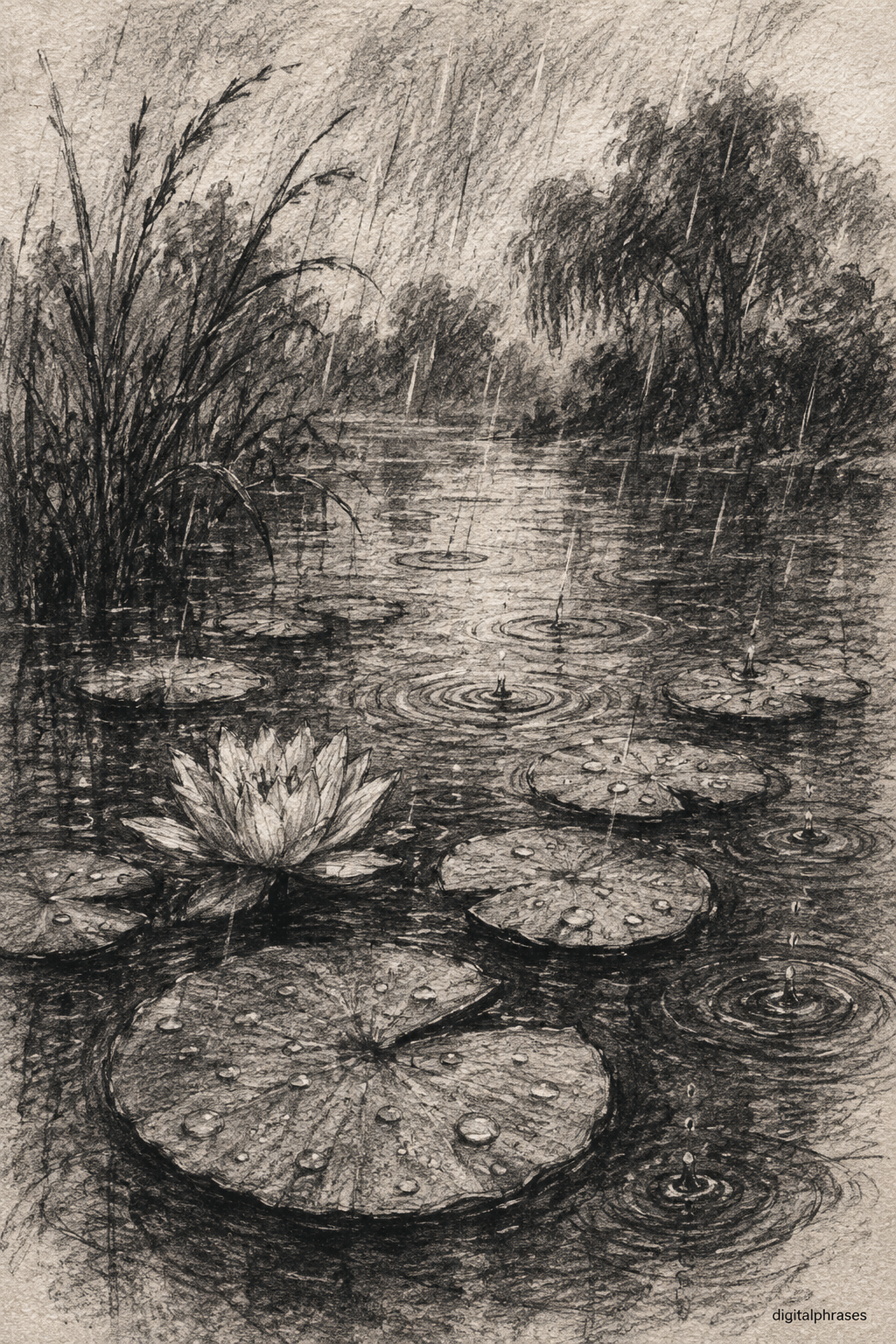
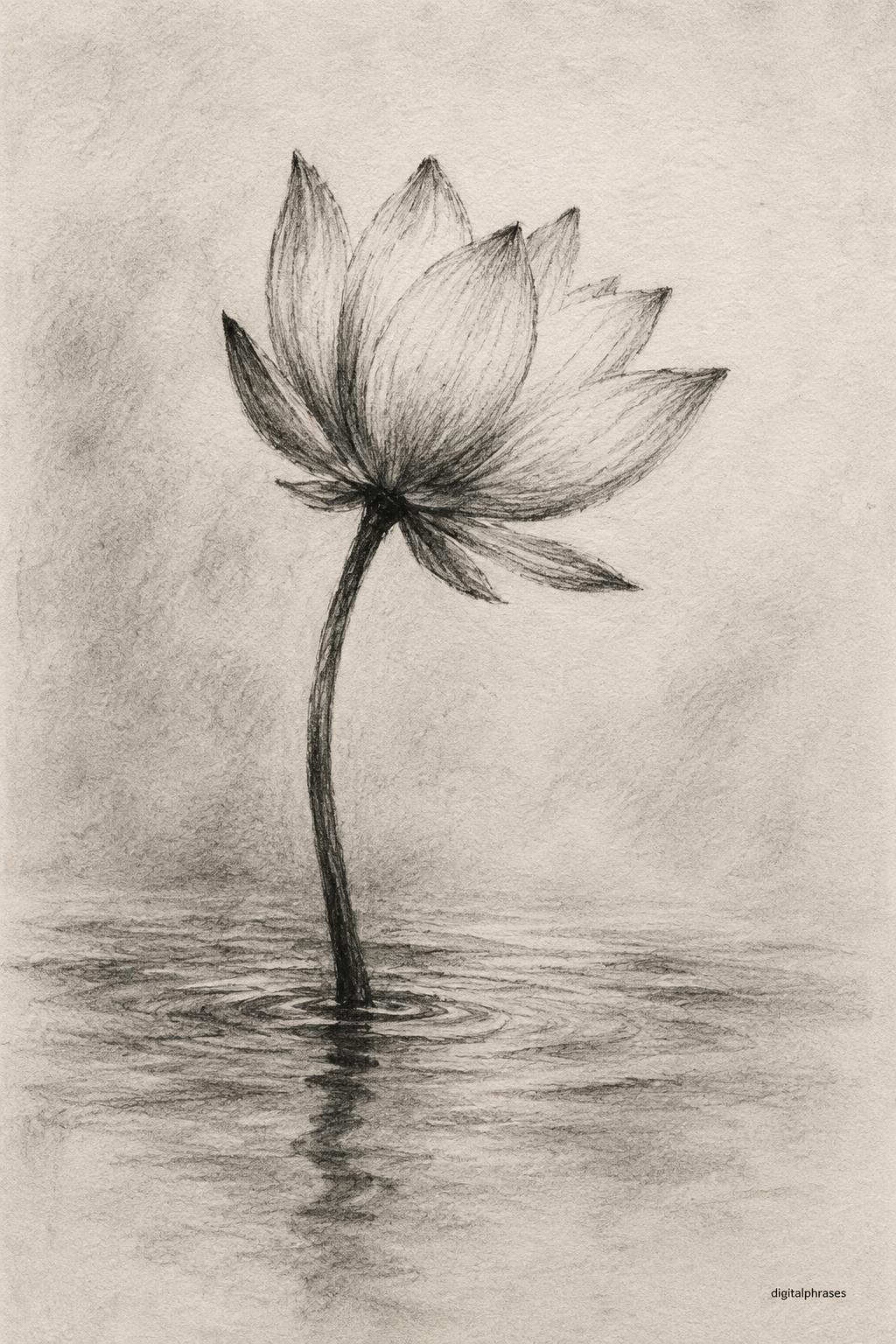
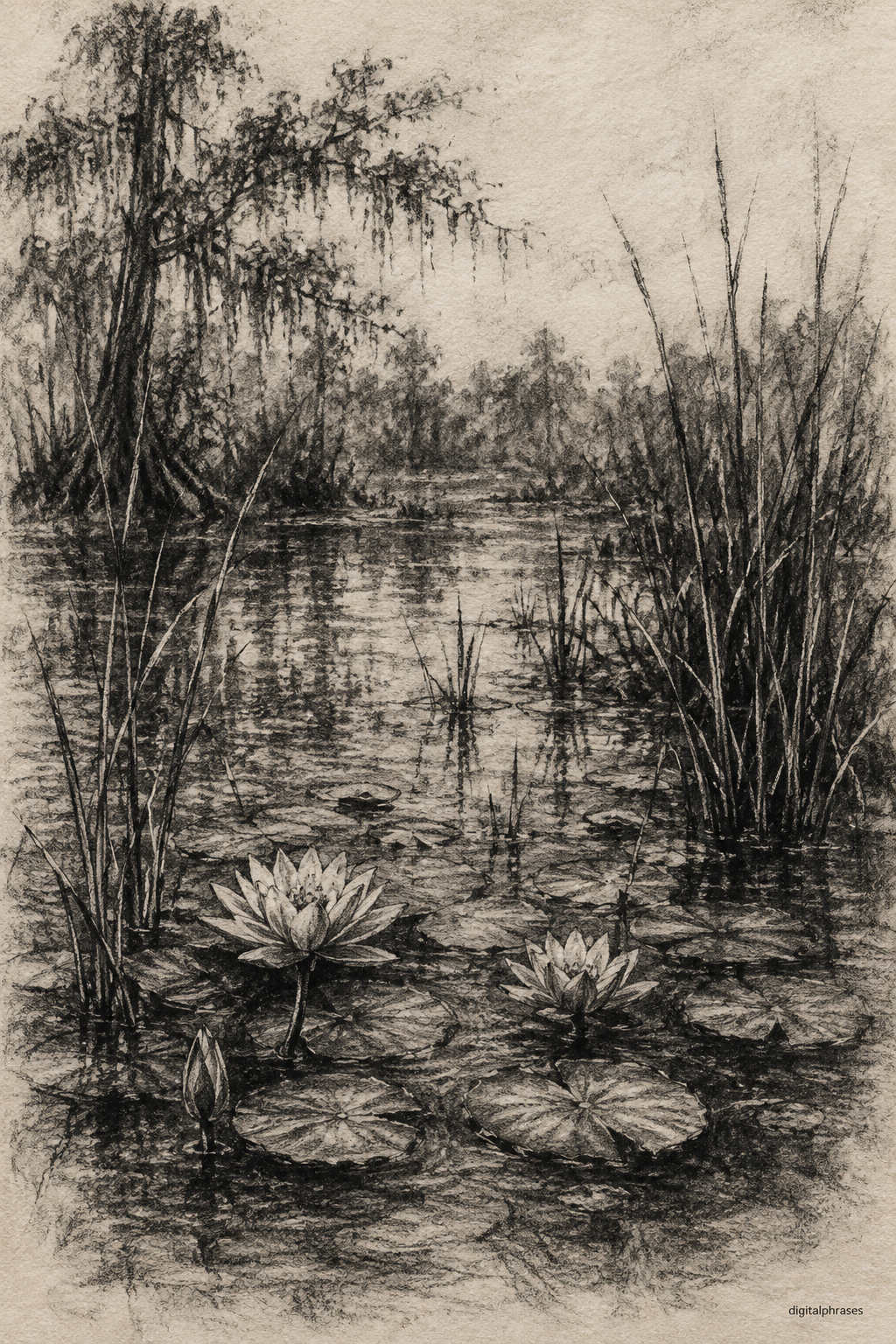
Water lilies are a lovely subject to draw because they can be as simple or as detailed as you want. Their rounded petals, floating leaves, and calm pond setting make them great for beginners, but they also give experienced artists plenty of room to play with shading, color, and composition.
In this list, you’ll find these water lily drawing ideas that are easy to adapt to your own style, whether you want something quick and minimal or a more finished floral sketch.
Water Lily Drawing Ideas
1
2
3

4
5
6
7
8

9
10
11
12
13

14
15
16
17

18
19
20

Tips For Drawing Water Lilies
Start With Simple Petal Shapes
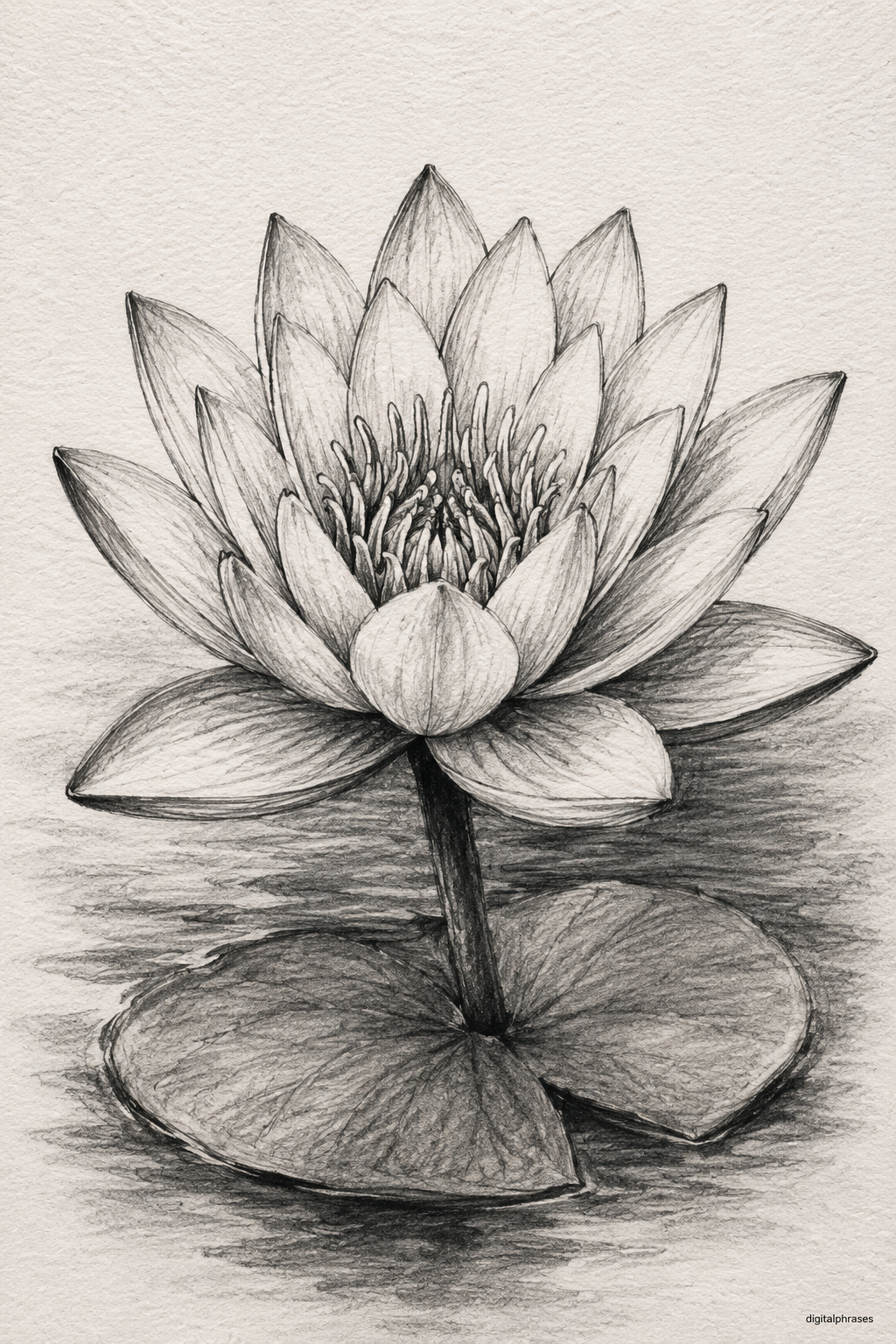
Water lilies may look detailed at first, but they become much easier to draw when you break them into simple shapes. Begin with the center of the flower, then sketch the petals around it using long oval or teardrop shapes. Try not to make every petal identical. Some can be wider, shorter, curved, or partly hidden behind others. This gives the flower a more natural look. Keep your first lines light so you can adjust the shape as the drawing develops.
Pay Attention to the Flower’s Layers
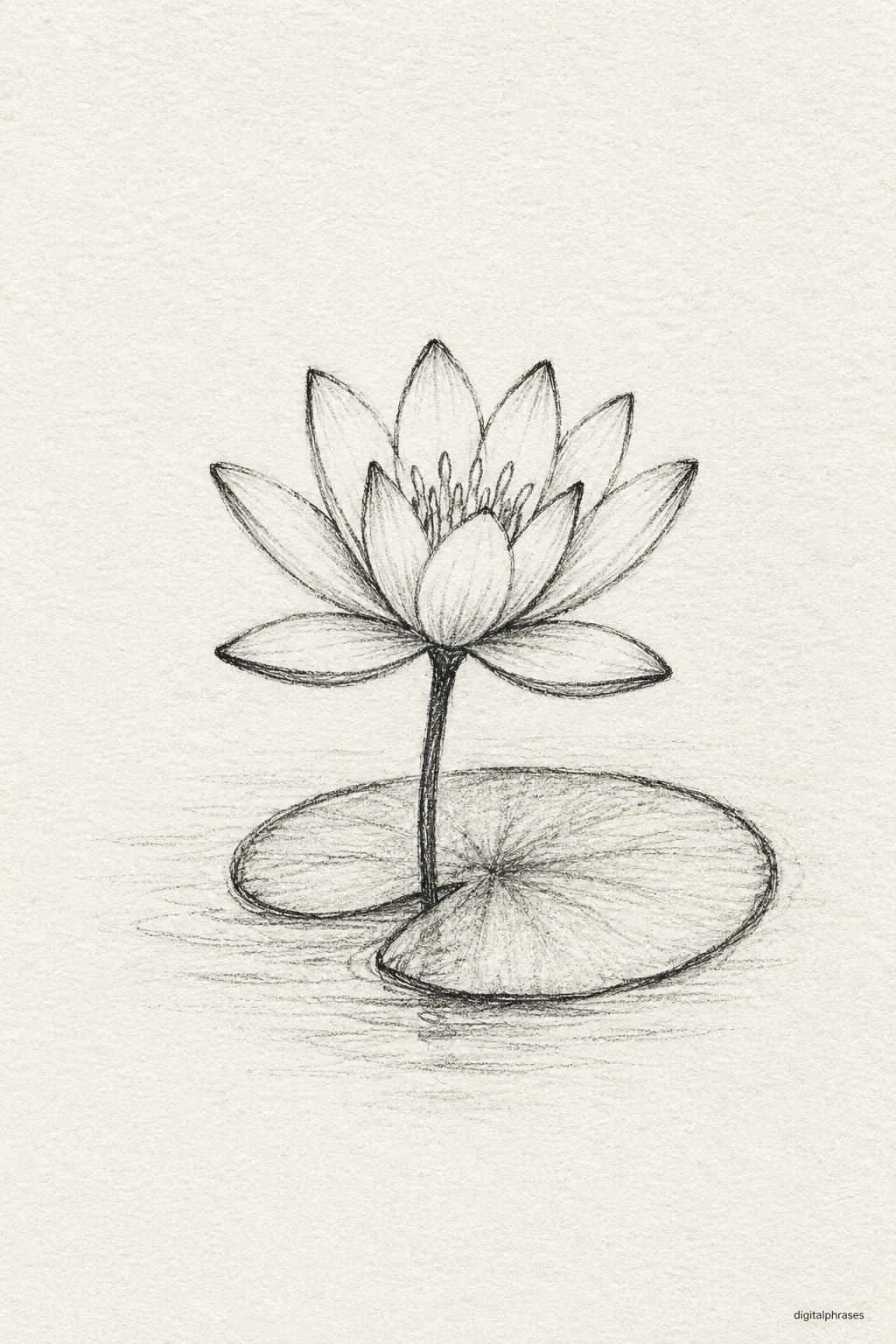
One of the most important parts of drawing a water lily is showing how the petals overlap. Water lilies often have several layers, with smaller petals near the center and larger petals spreading outward. Draw the front petals first, then add petals behind them. Make sure some petals tuck under others instead of all sitting side by side. This simple layering makes the flower feel fuller and more realistic, even if your drawing style is simple.
Add Lily Pads for Context
A water lily looks more complete when it is shown floating on or near lily pads. Lily pads are usually round or oval with a small cut or notch on one side. You do not need to make them perfect circles. Slightly uneven edges can make them look more organic. Place one or two lily pads around the flower to create a peaceful pond setting. You can also add light water lines around them to show that they are floating.
Use Shading to Create Depth
Shading helps separate the petals and makes your water lily look less flat. Add darker shading near the base of each petal, where it connects to the center or sits under another petal. Keep the outer tips lighter to suggest softness and light. You can also shade under the flower and lily pads to show a gentle shadow on the water. Even a small amount of shading can make the drawing feel more polished and three-dimensional.
Try Different Angles and Styles
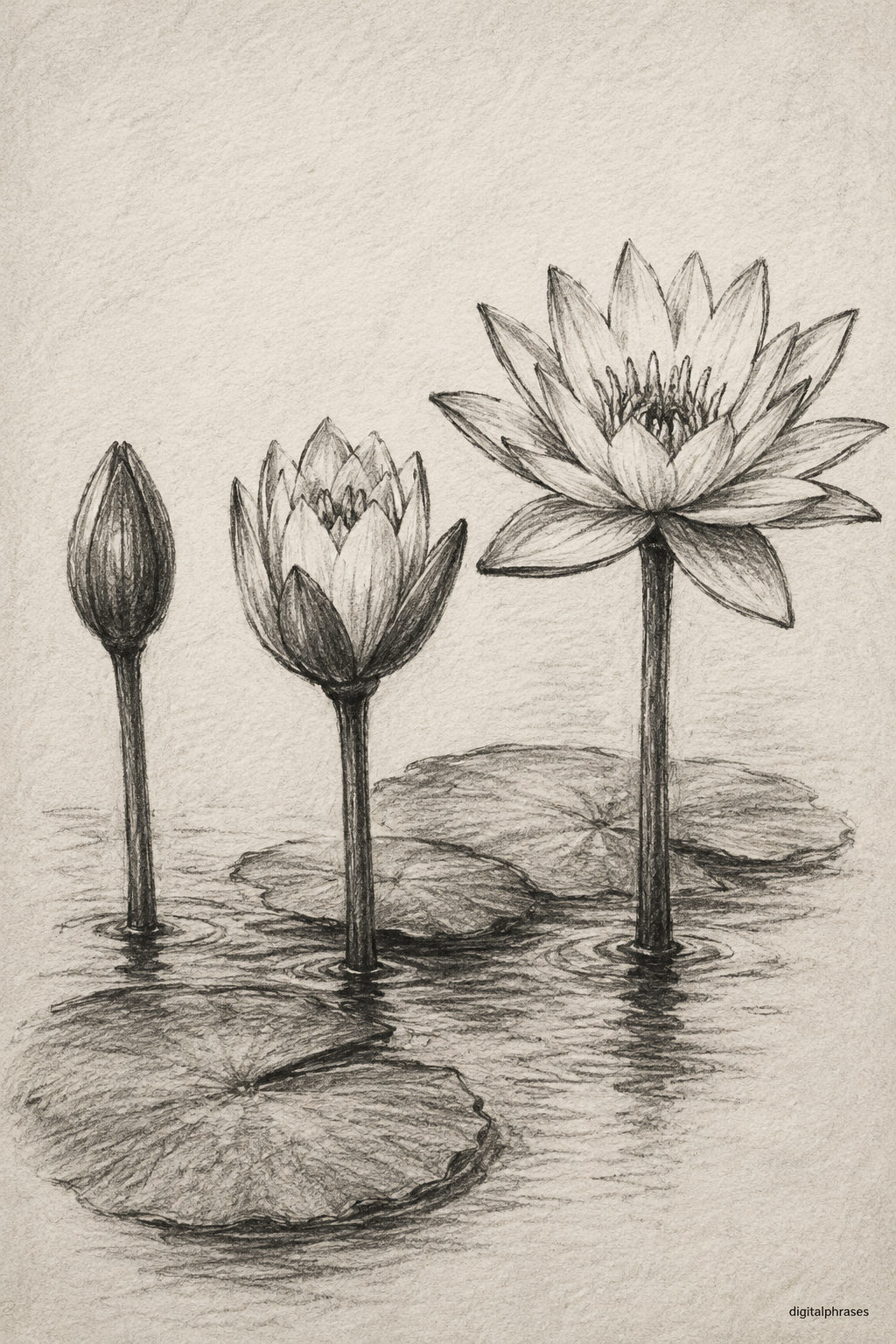
Do not limit yourself to one front-facing flower. Water lilies can be drawn from above, from the side, half-open, fully open, or as a simple outline. Trying different angles will help you understand the flower better and make your drawings more interesting. You can also experiment with styles, such as realistic pencil sketches, soft watercolor looks, bold ink outlines, or cute doodles. The more variations you try, the easier it becomes to create your own water lily designs.