30 Car Drawing Ideas
Cars are one of the most fun and versatile subjects to draw. Whether you like sleek sports cars, classic vintage models, or everyday vehicles, there’s always something new to try.
This list of car drawing ideas is meant to spark your creativity—no pressure to be perfect, just simple ideas you can enjoy and build your skills with over time.
1
2
3
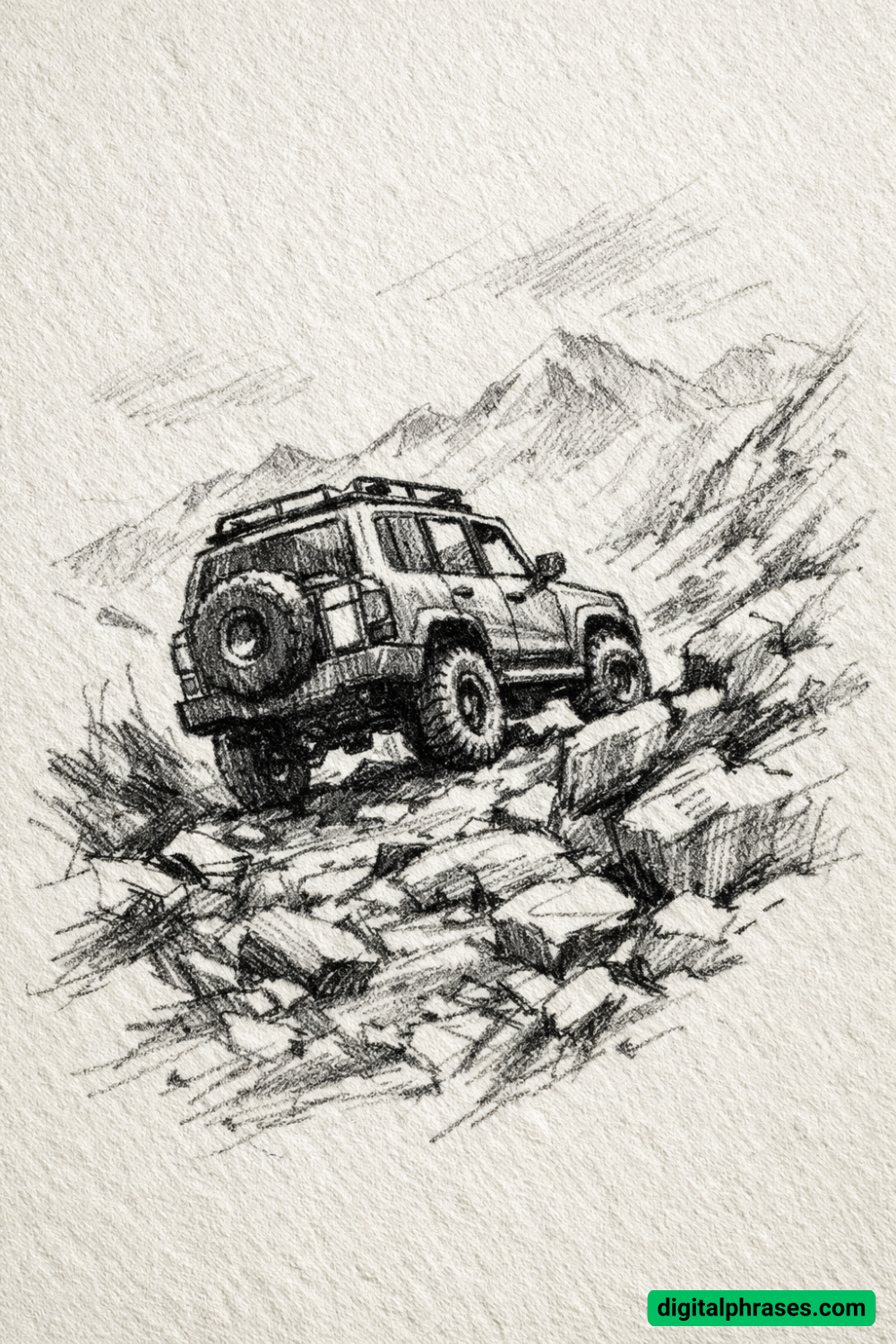
4
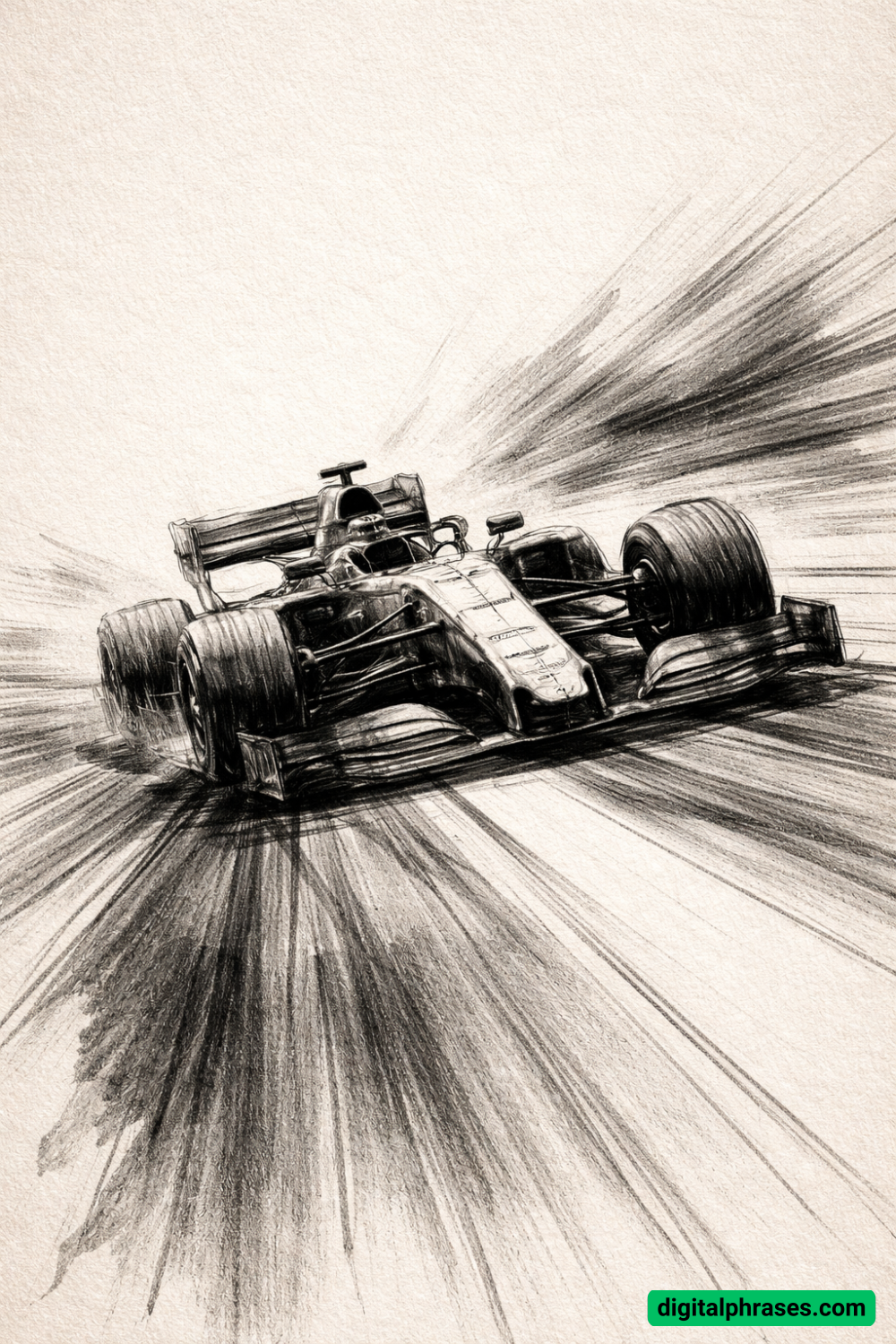
5
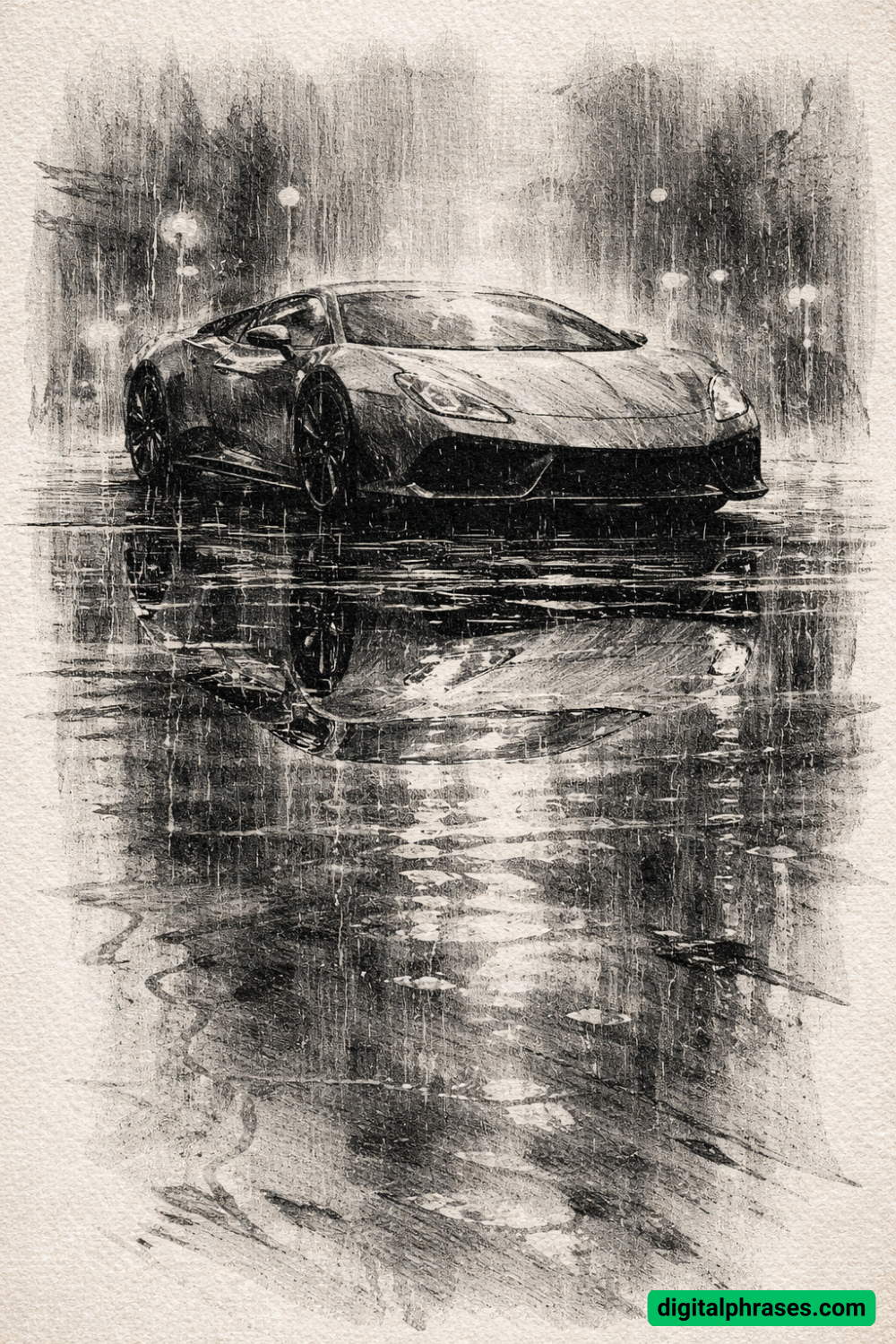
6
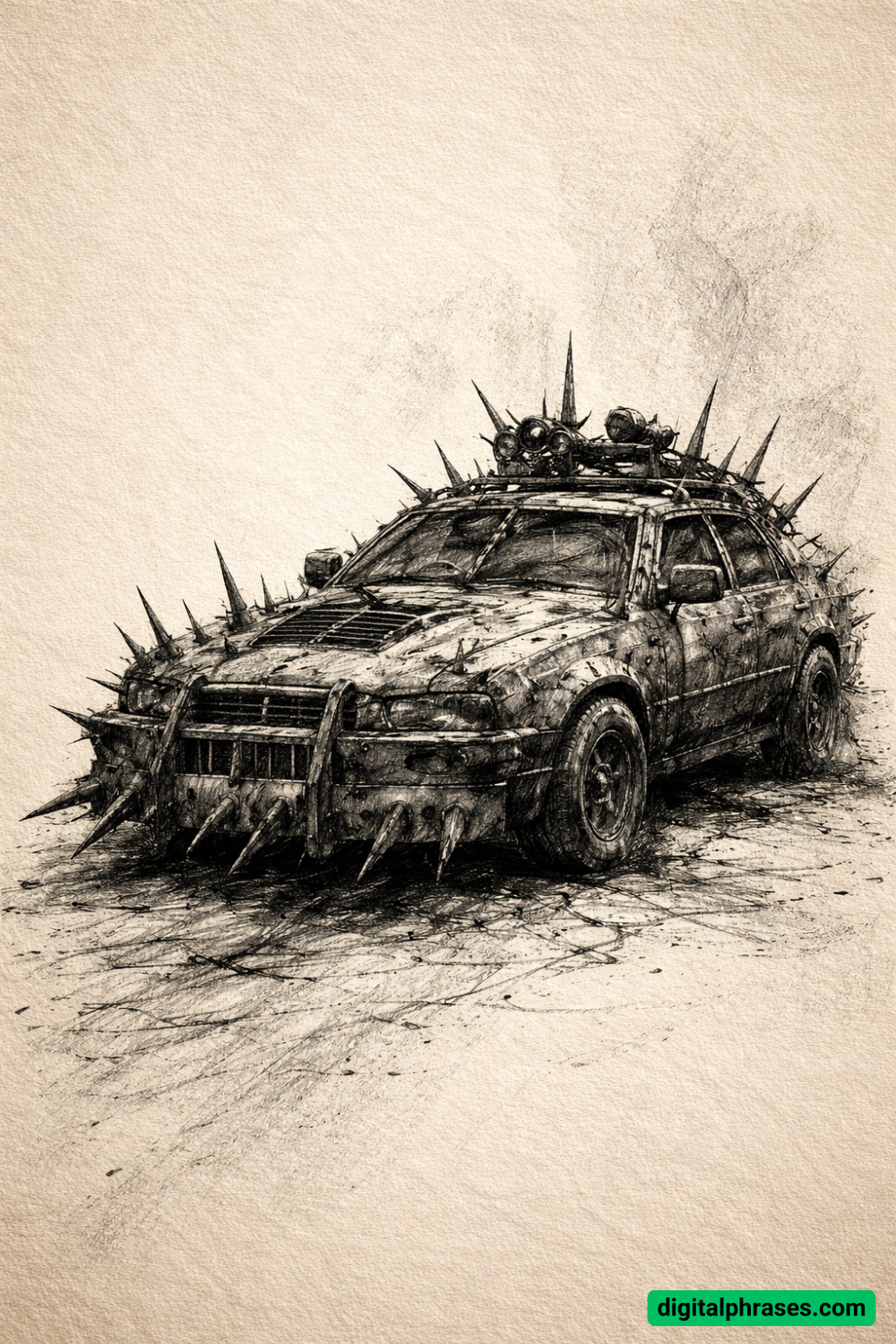
7
8
9
10
11
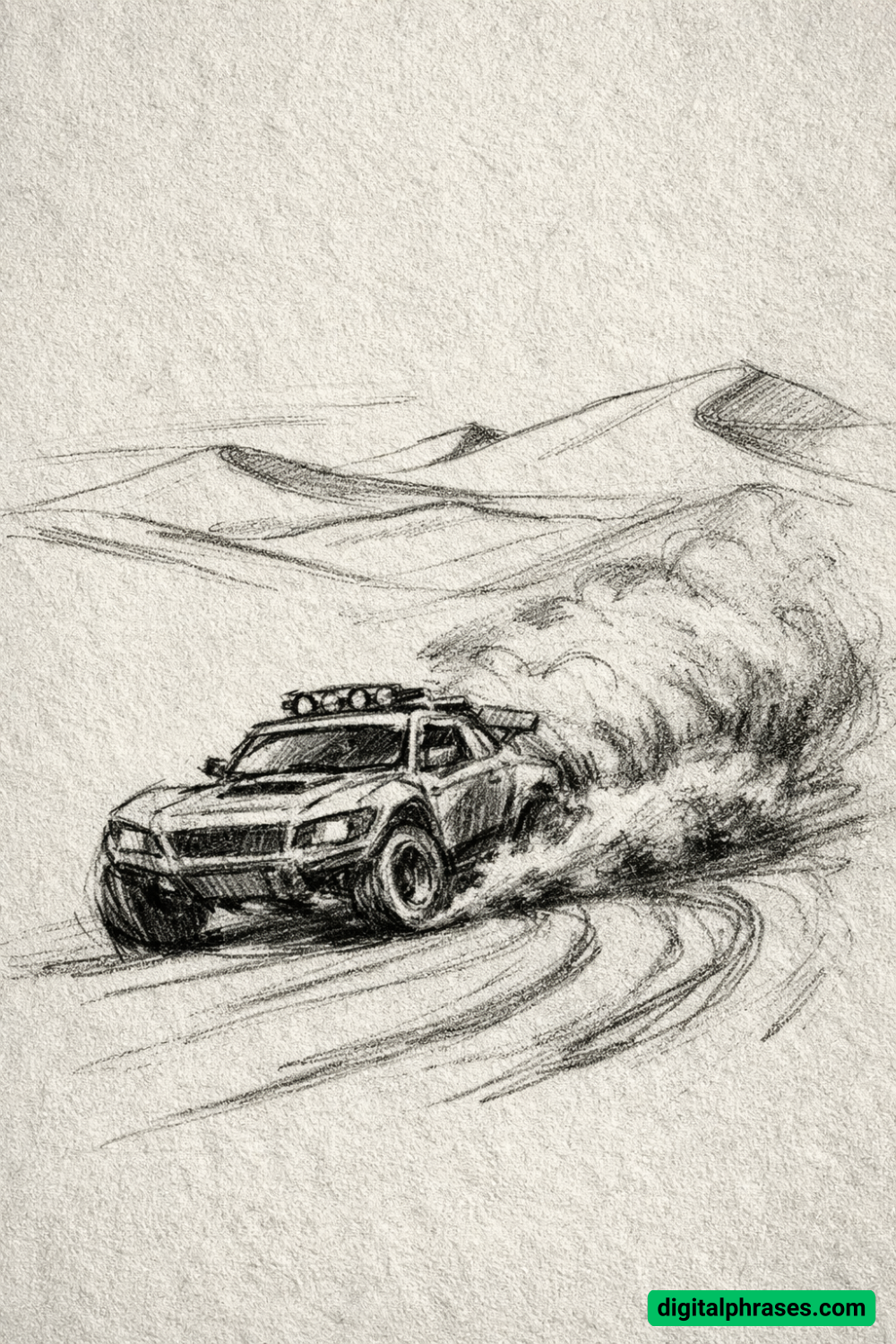
12
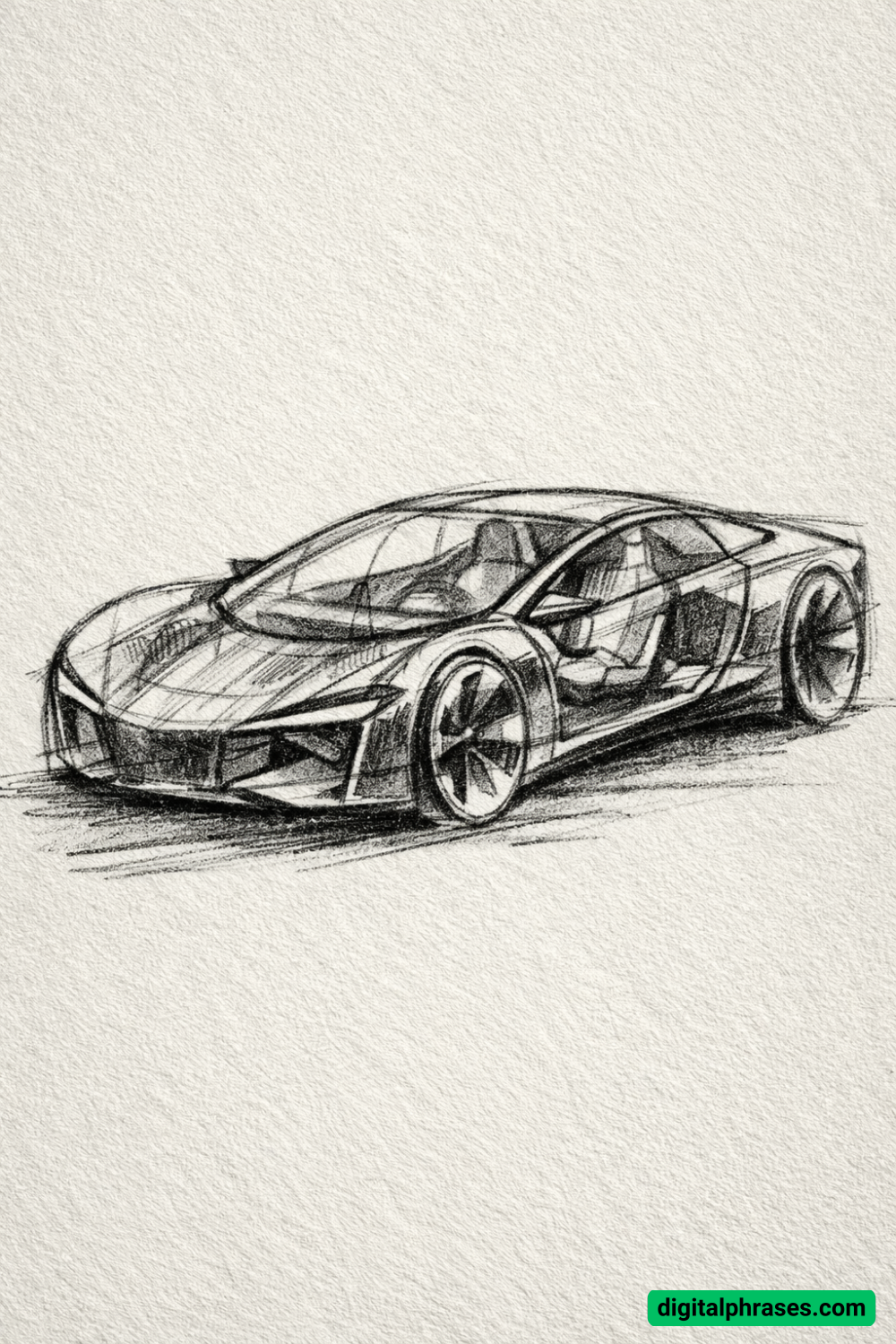
13
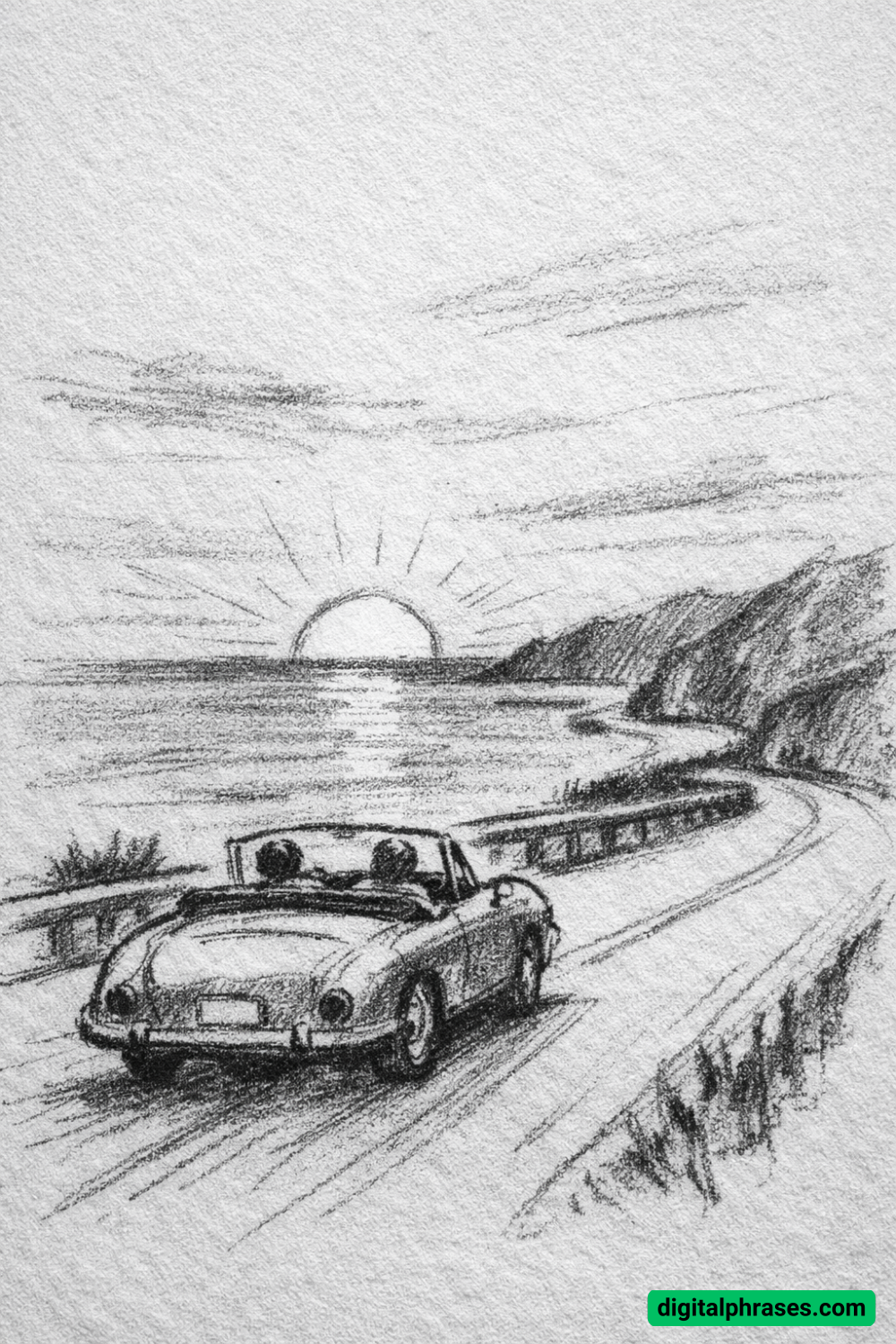
14
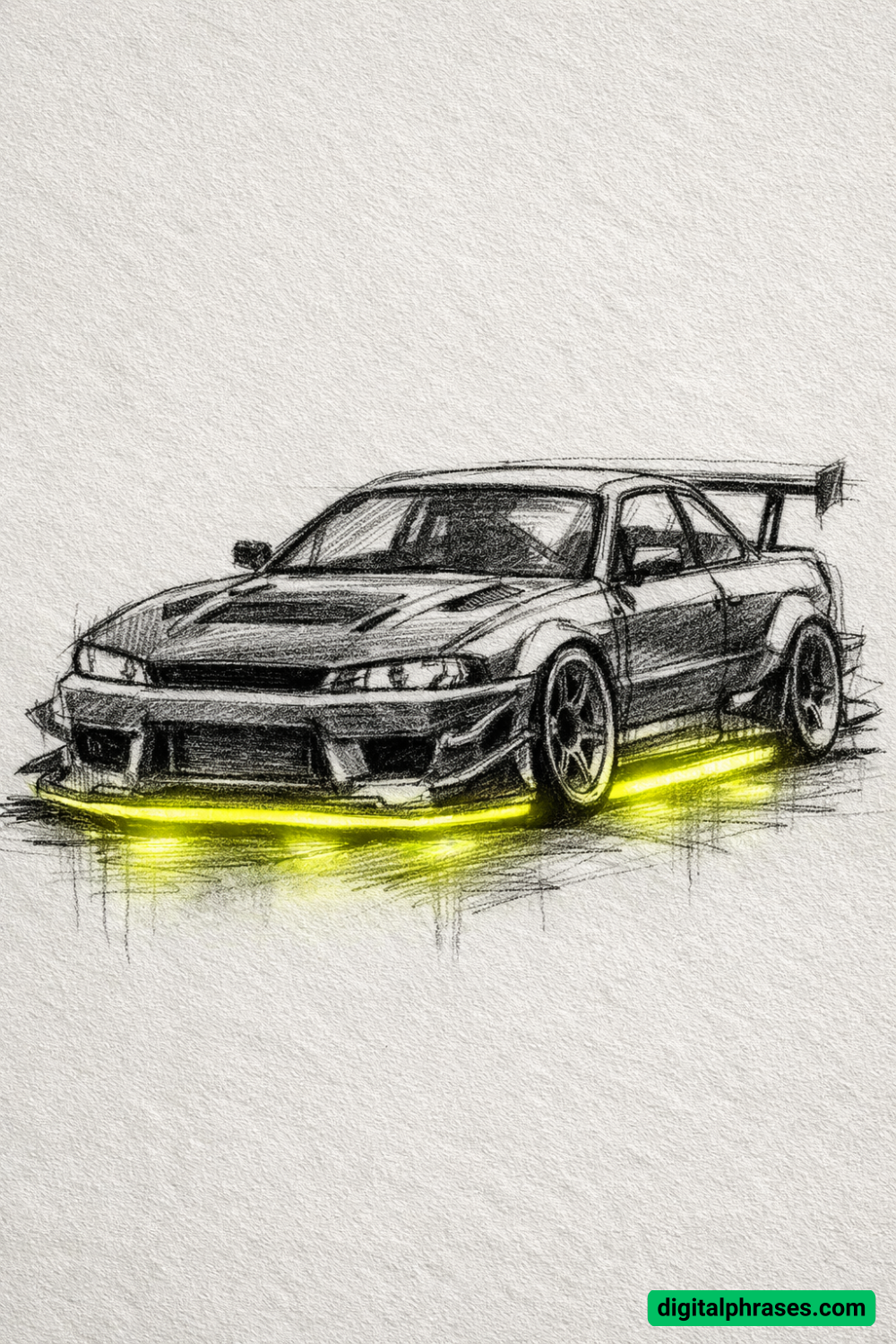
15
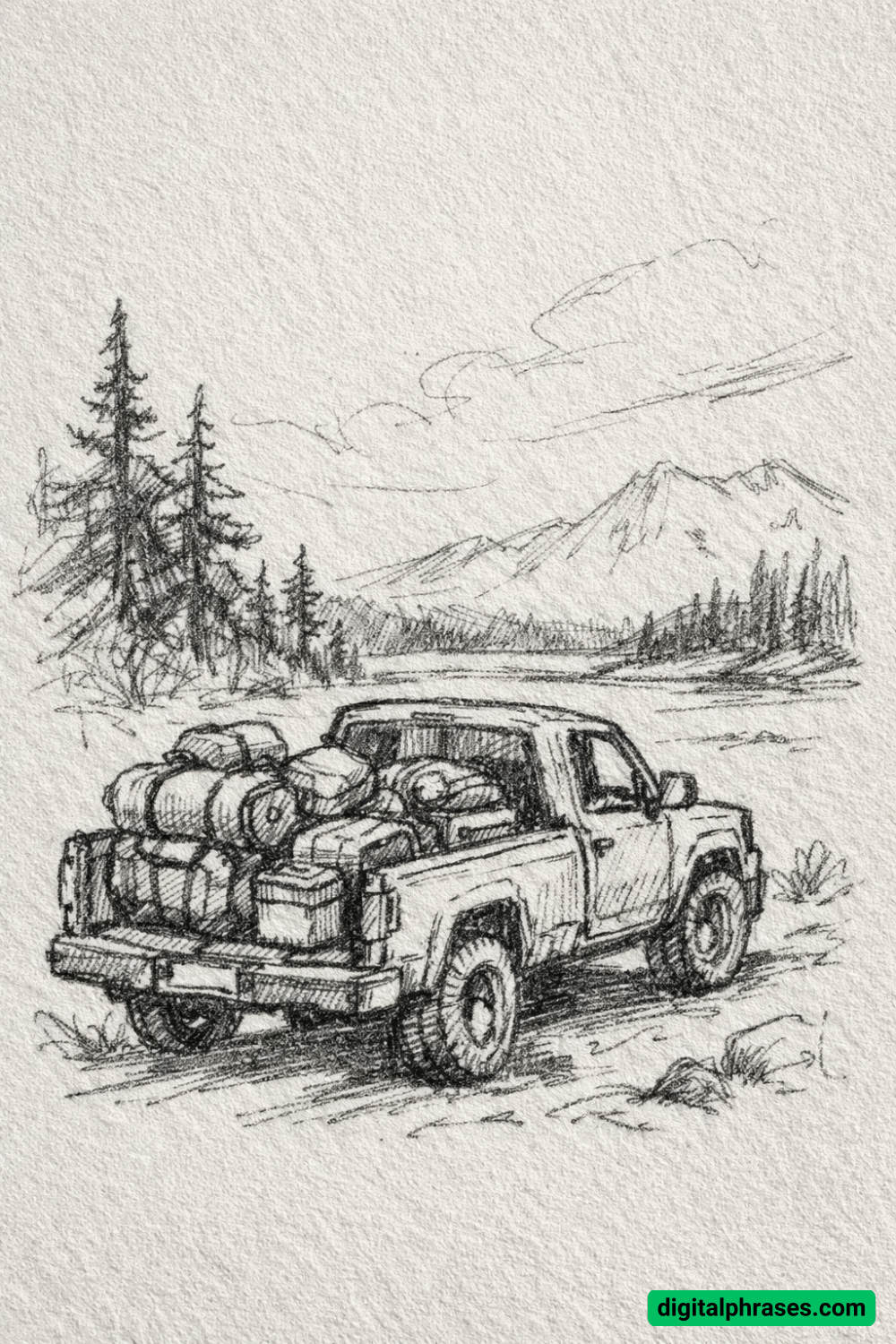
16
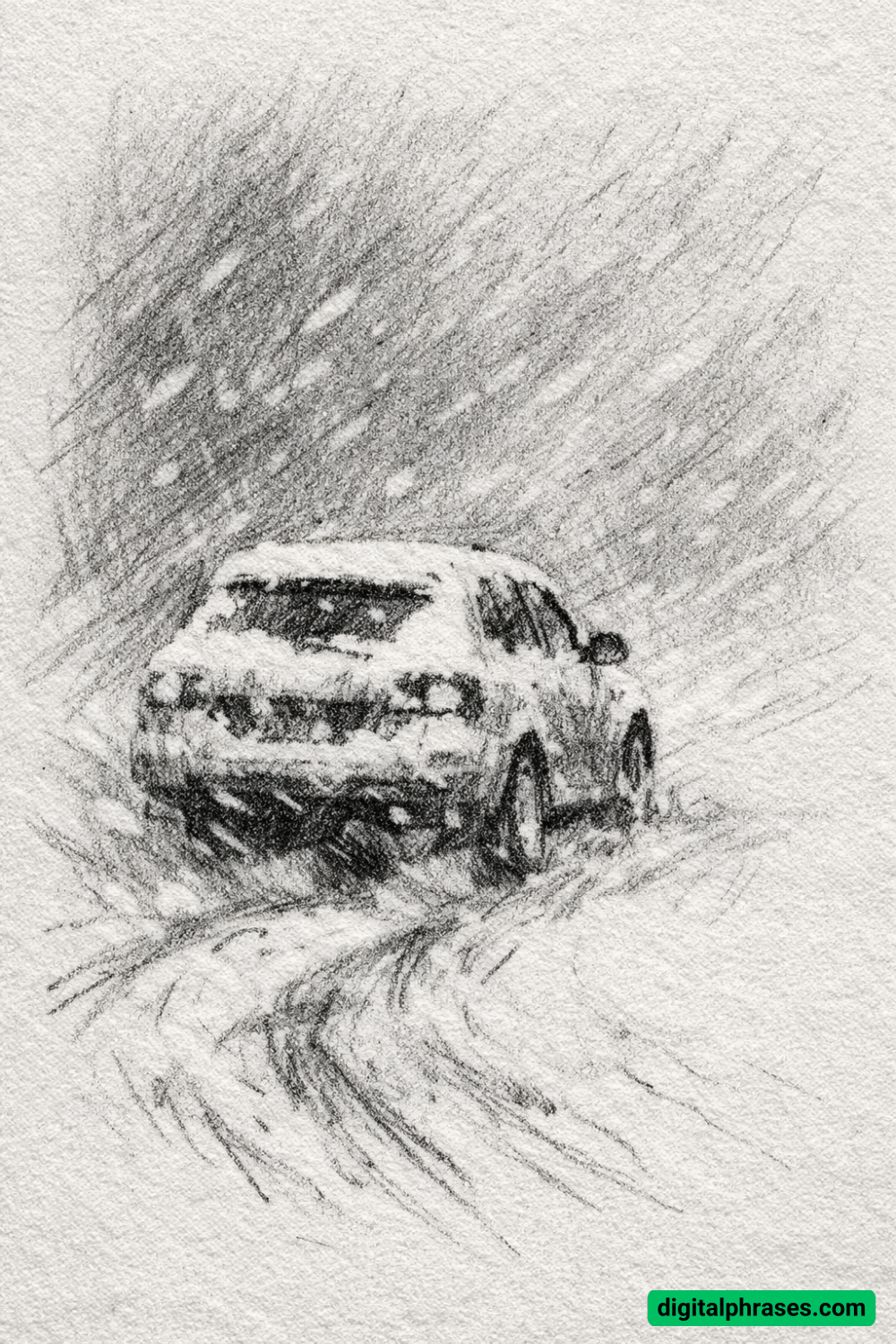
17
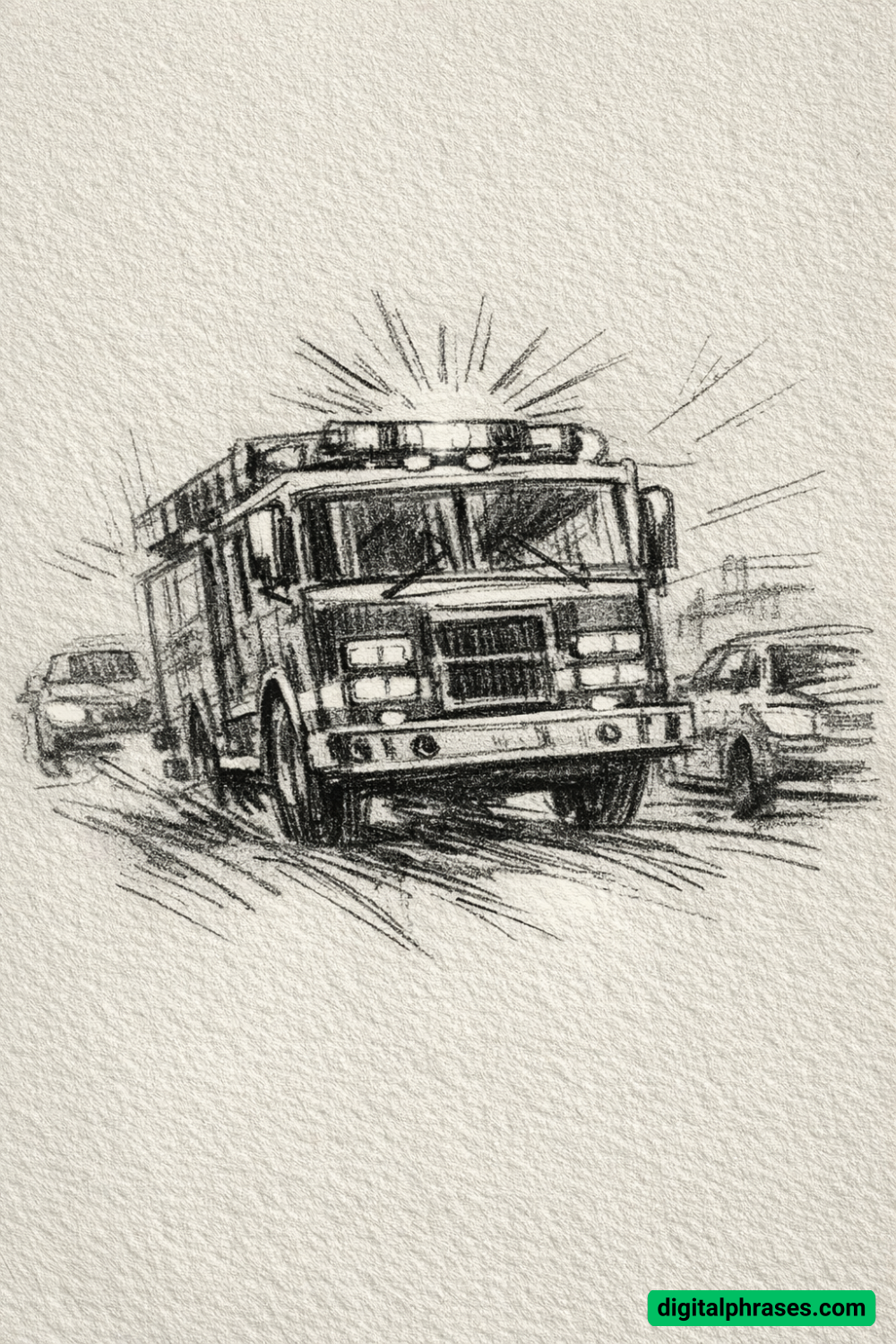
18
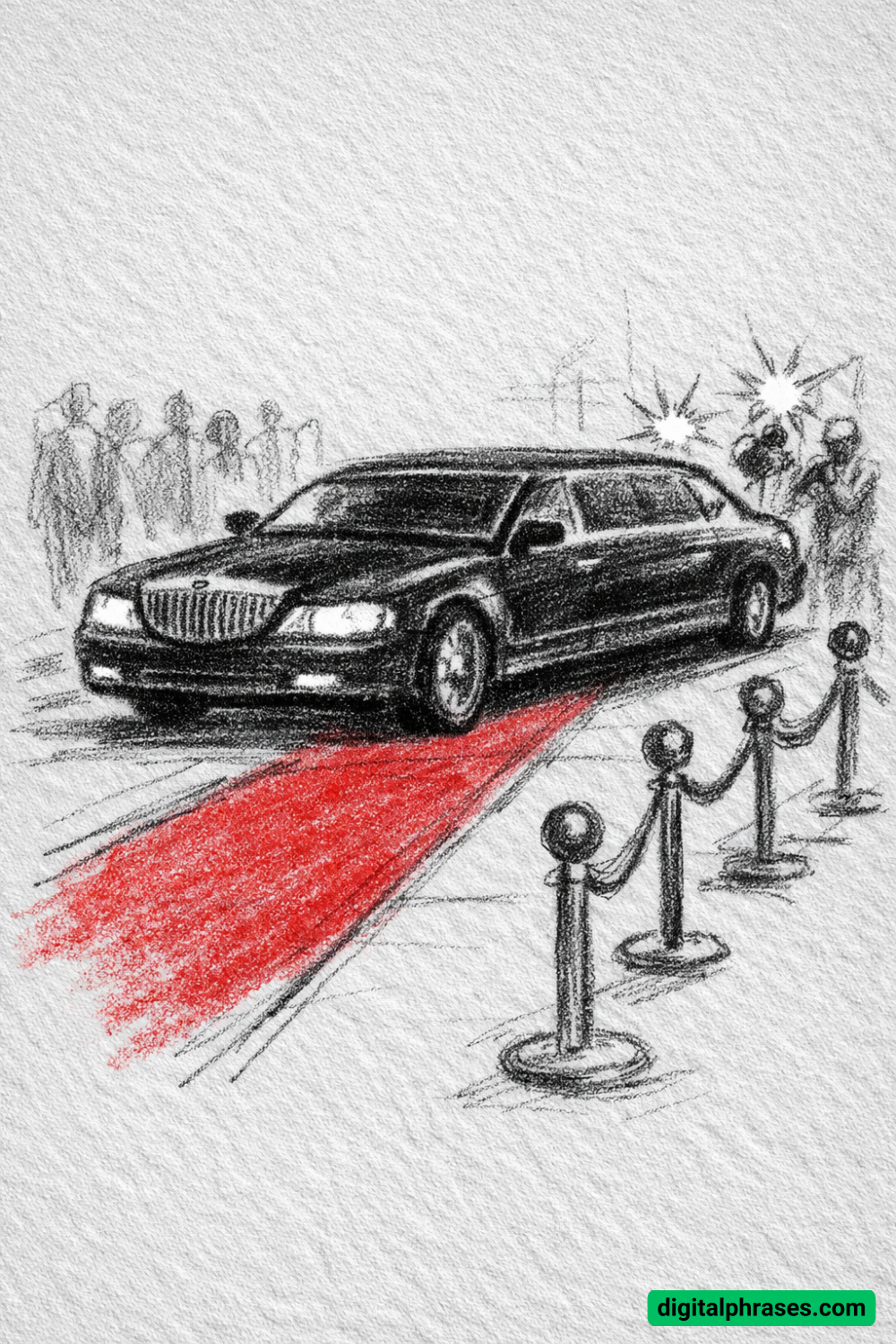
19
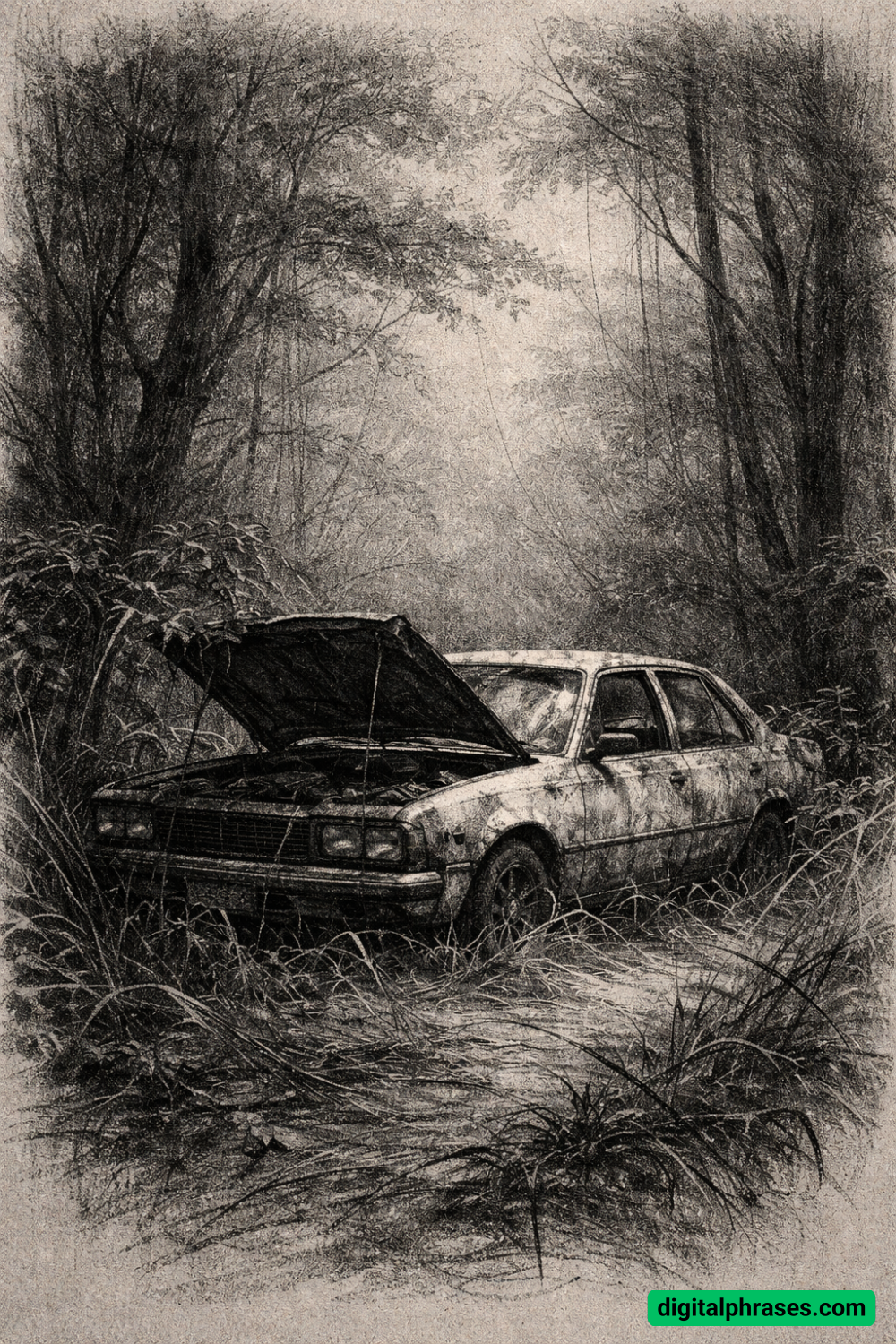
20
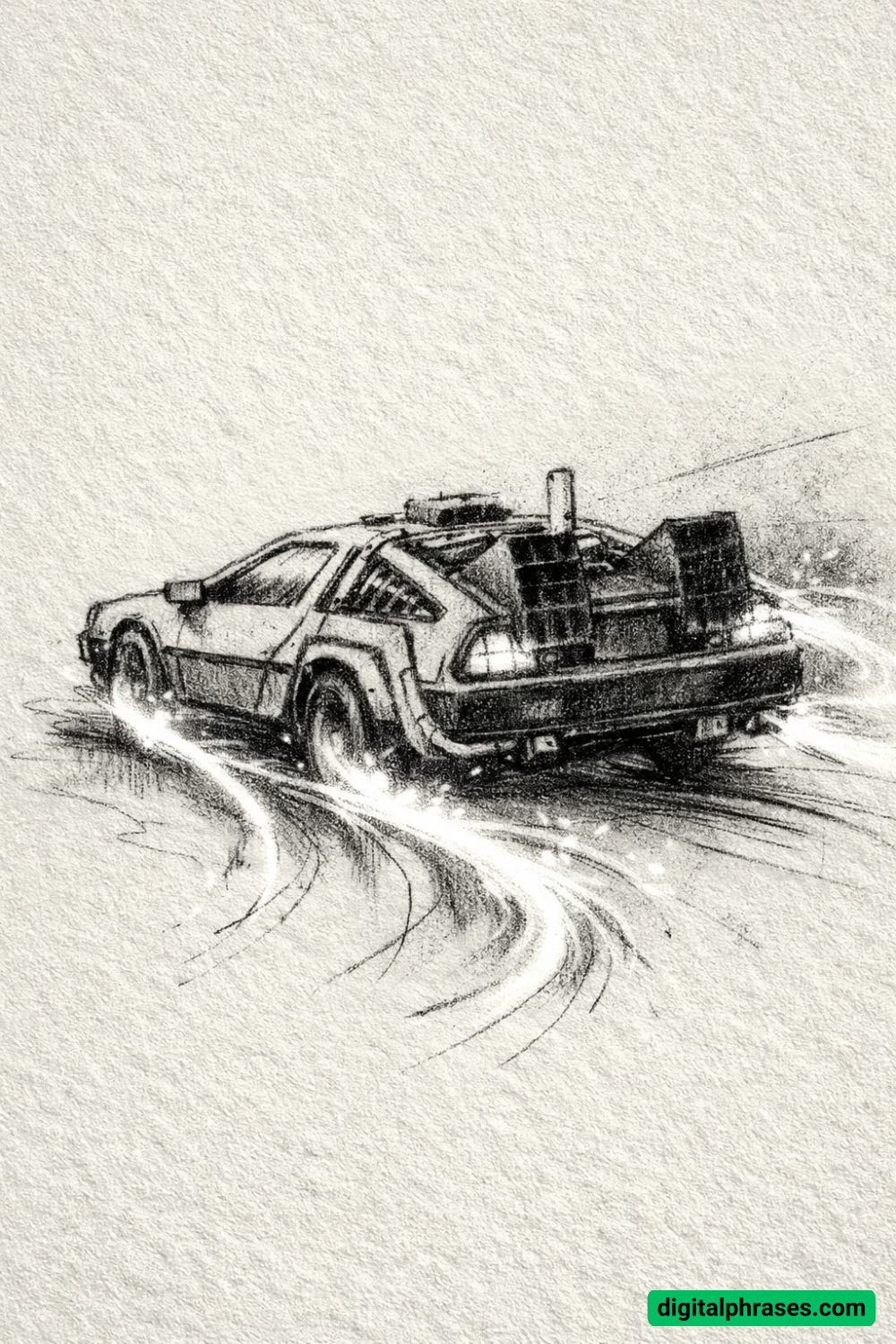
21
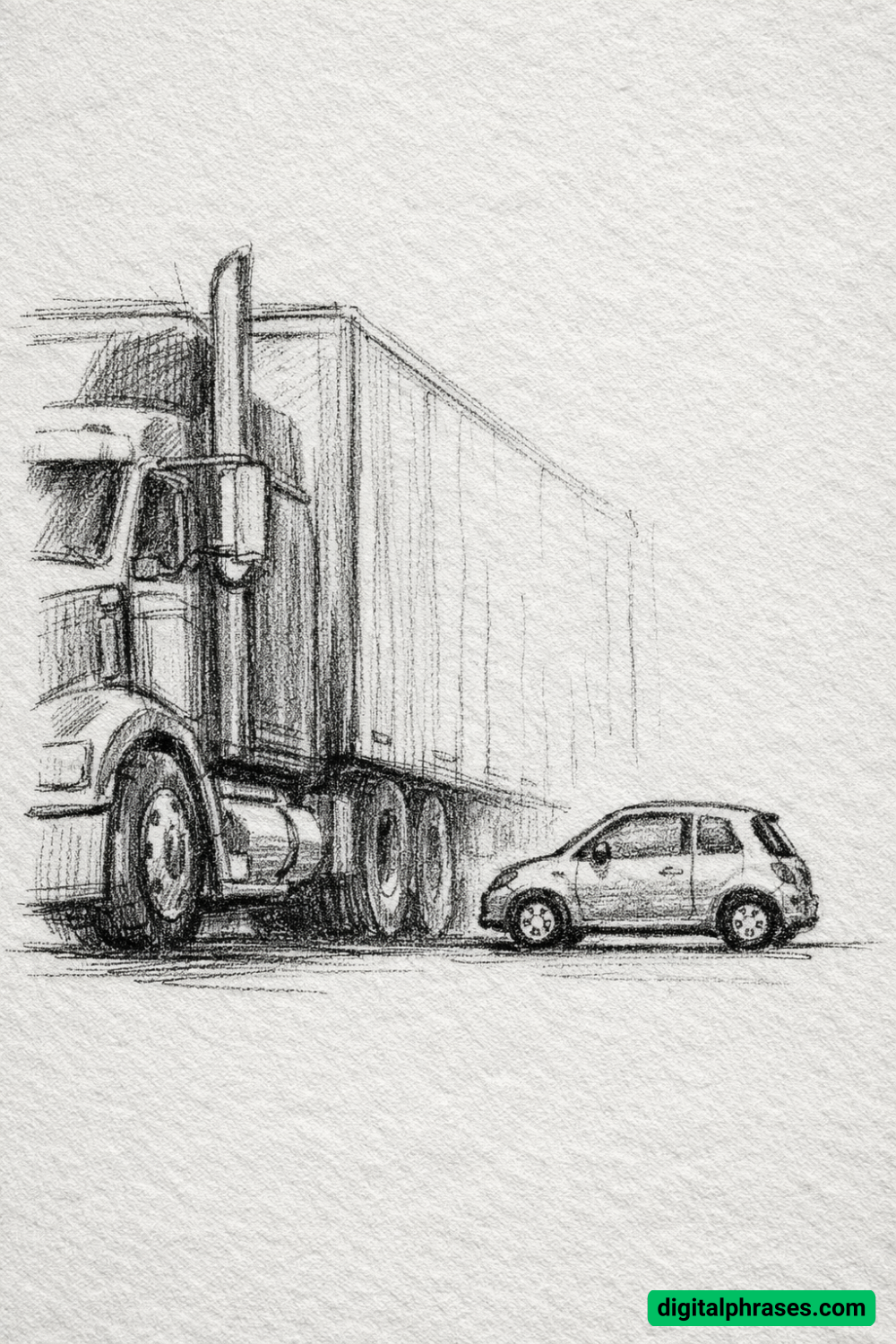
22
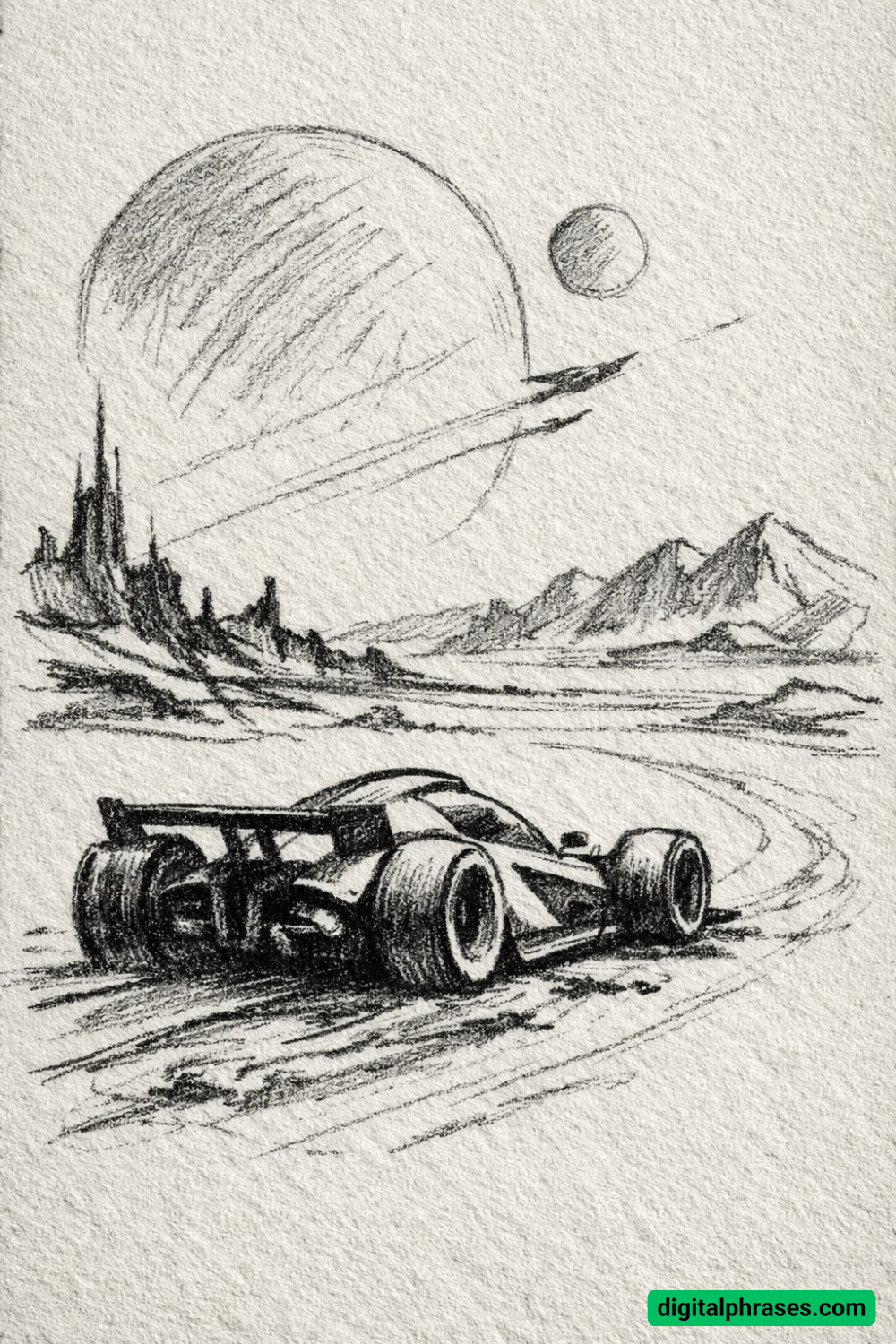
23
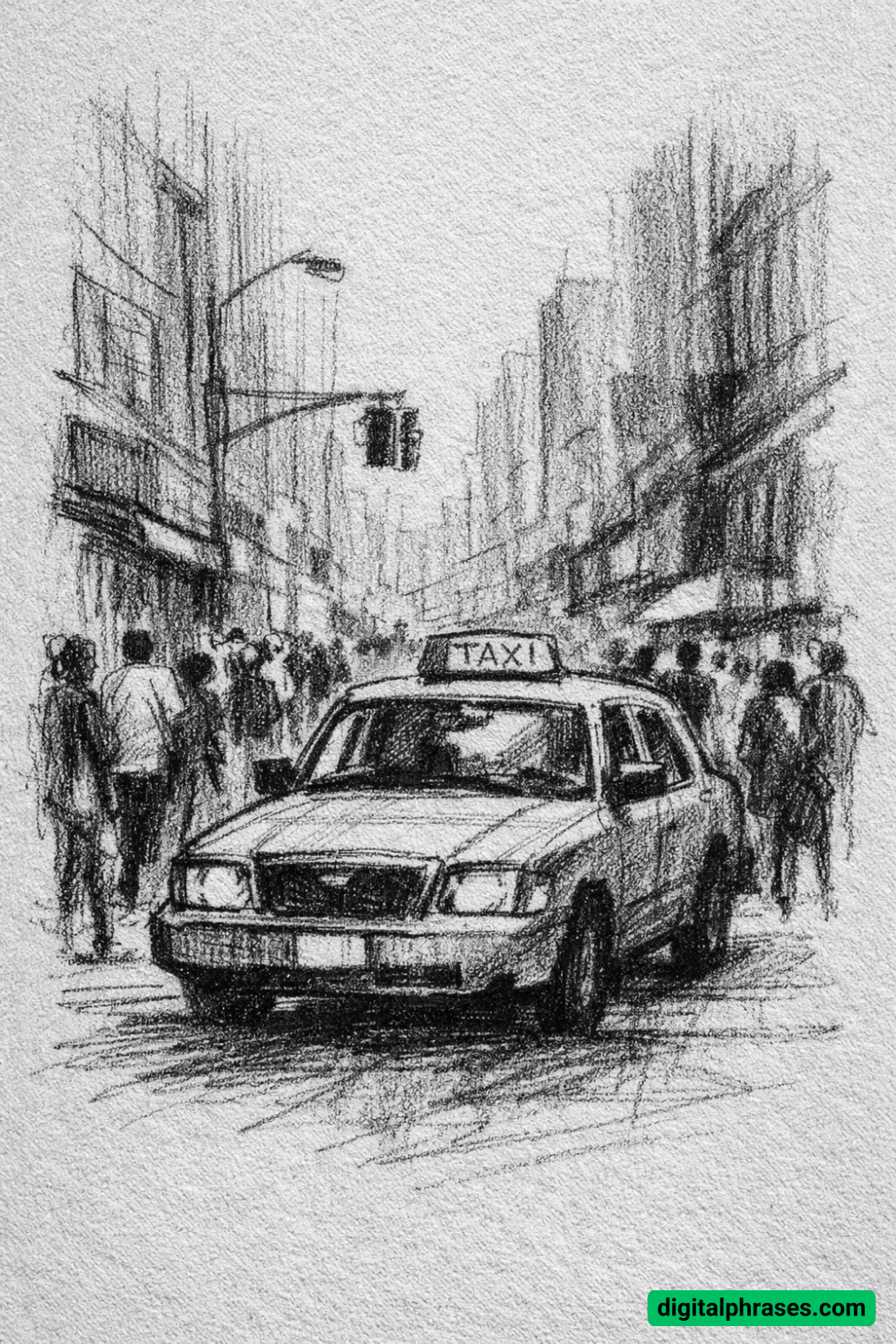
24
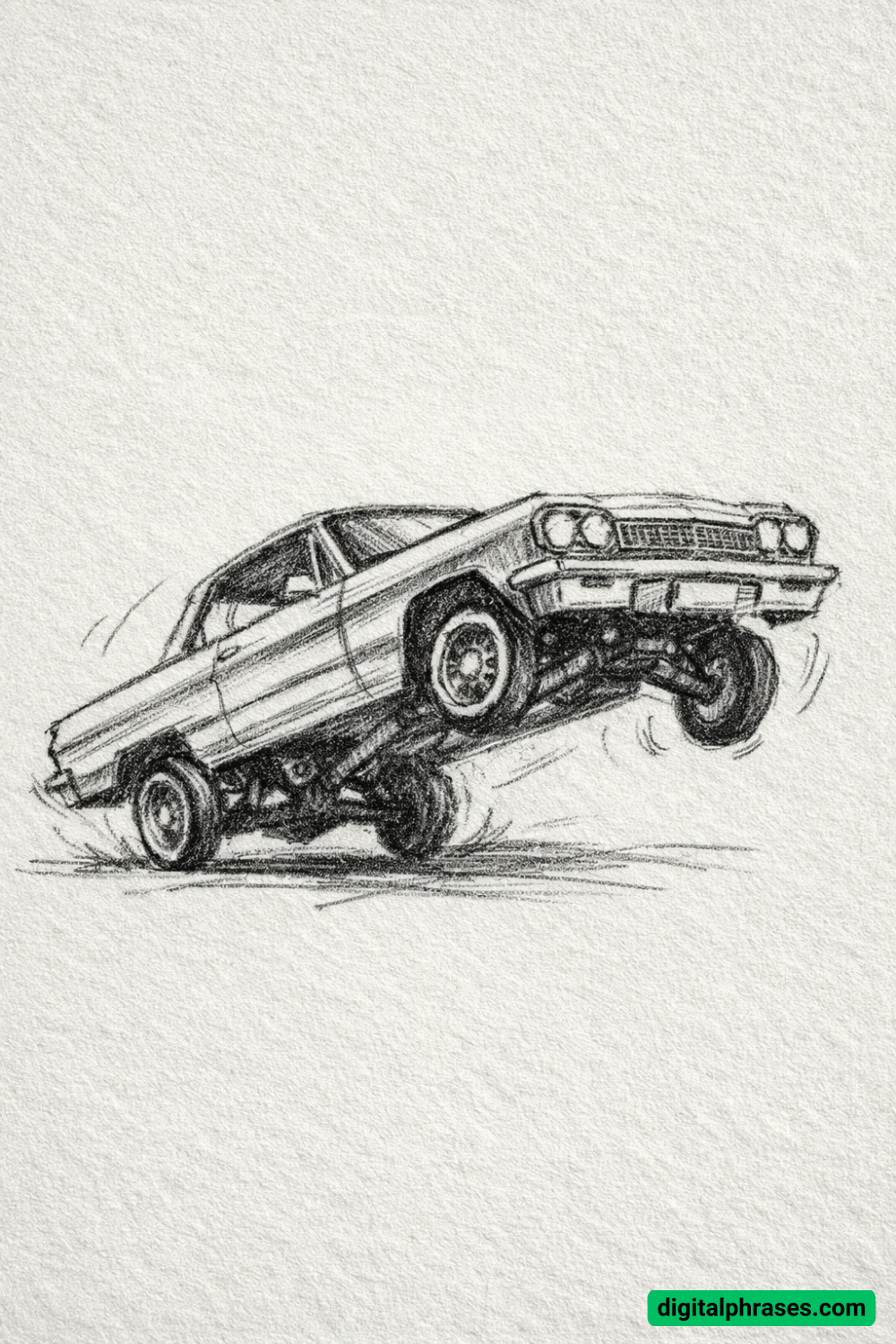
25
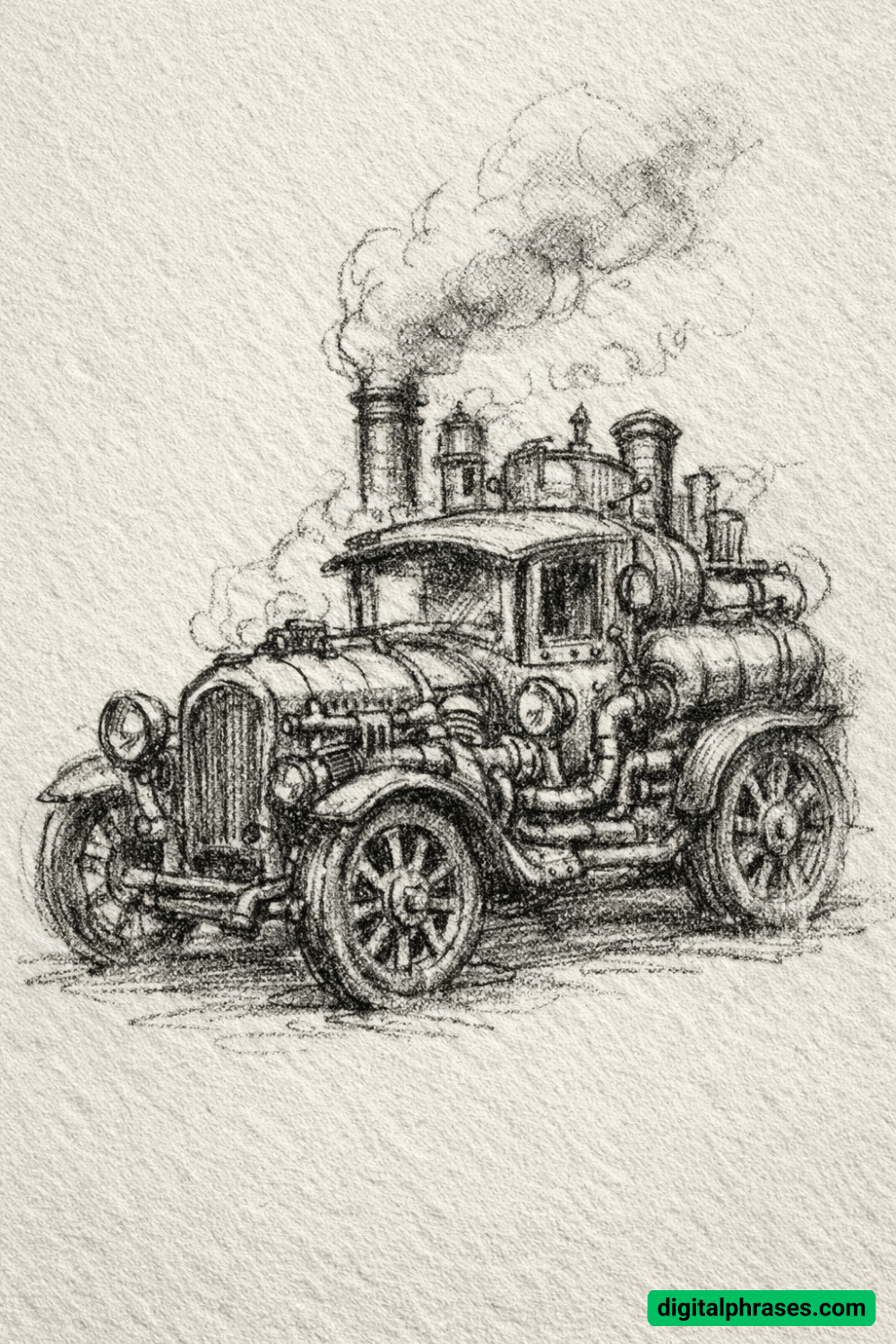
26
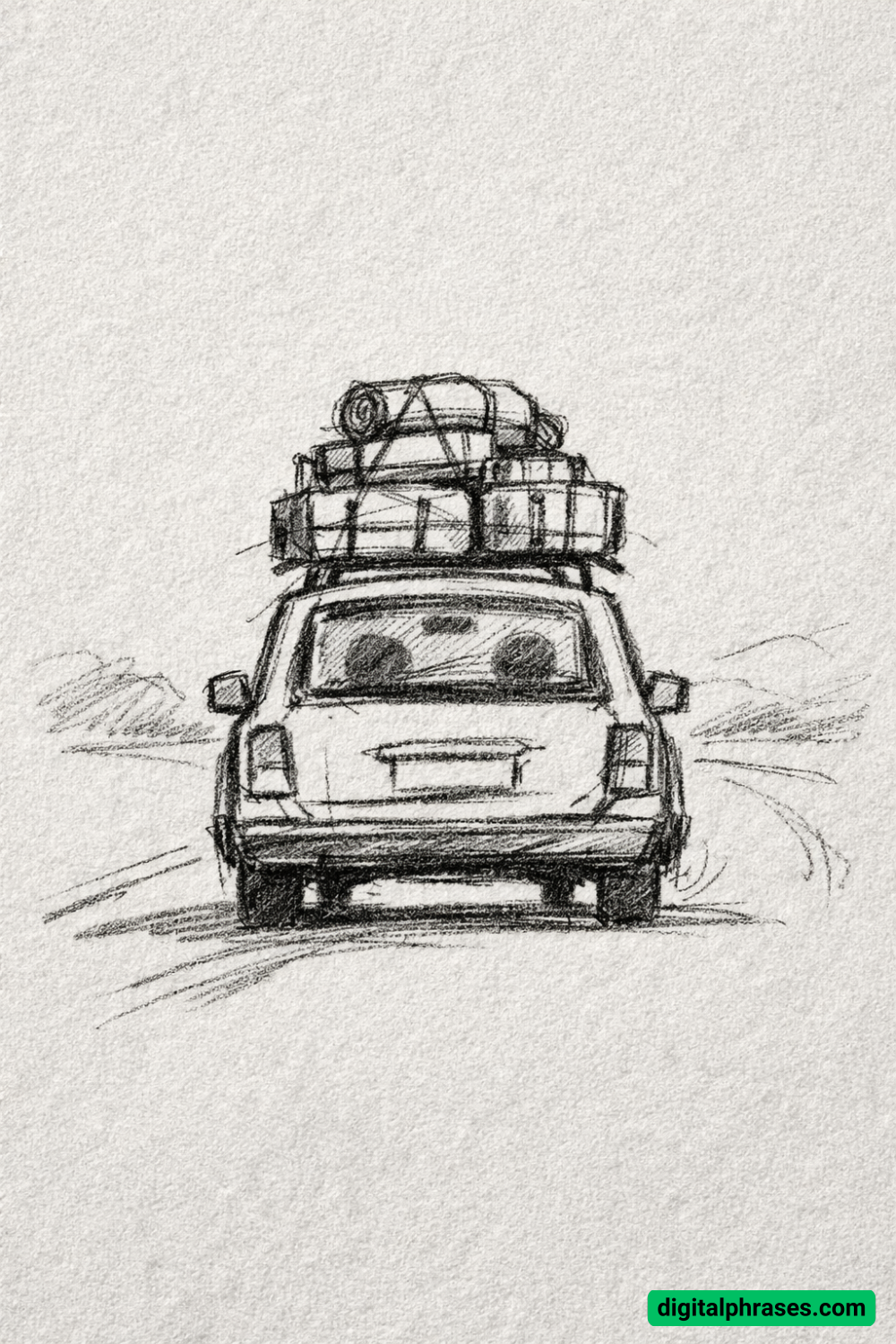
27
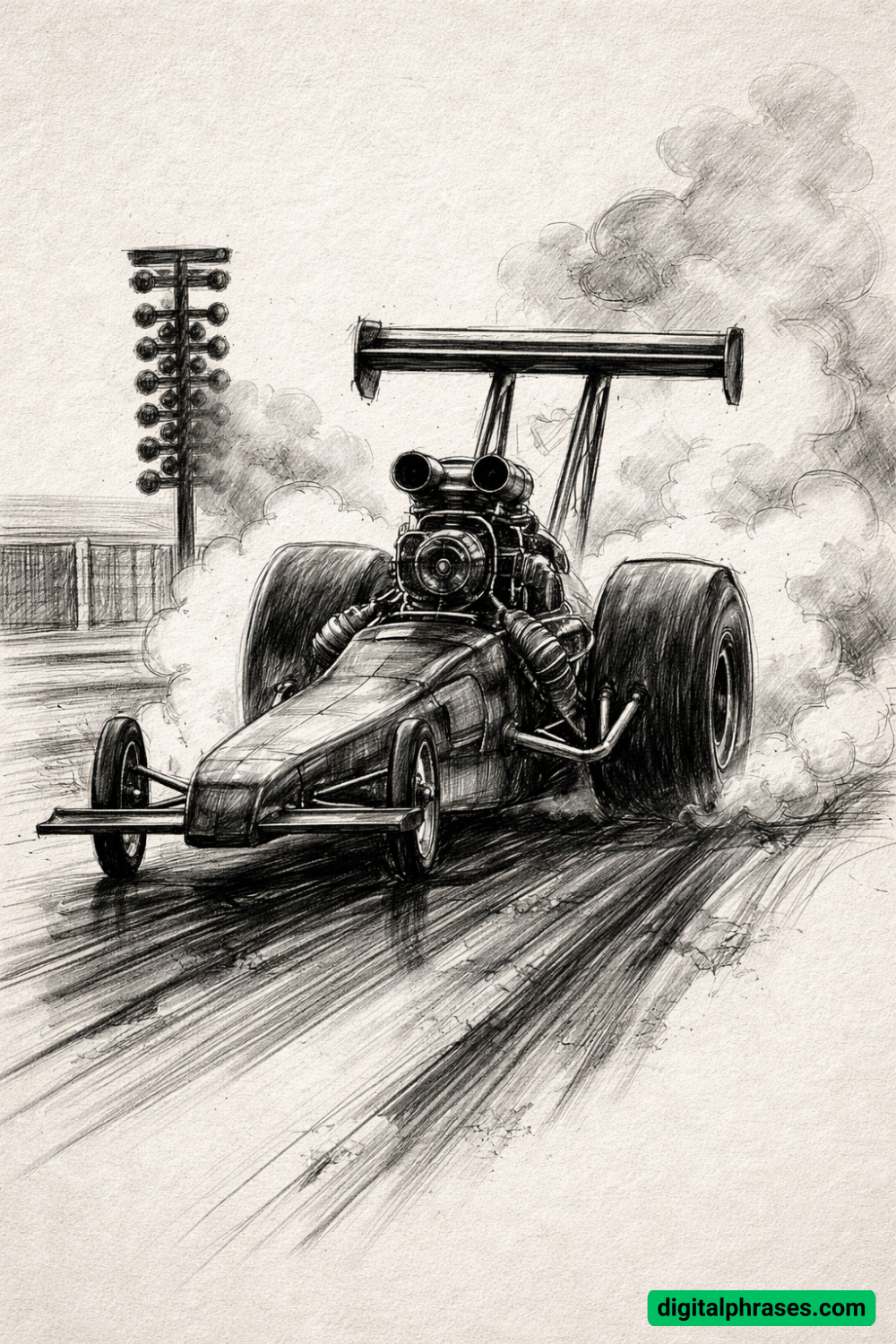
28
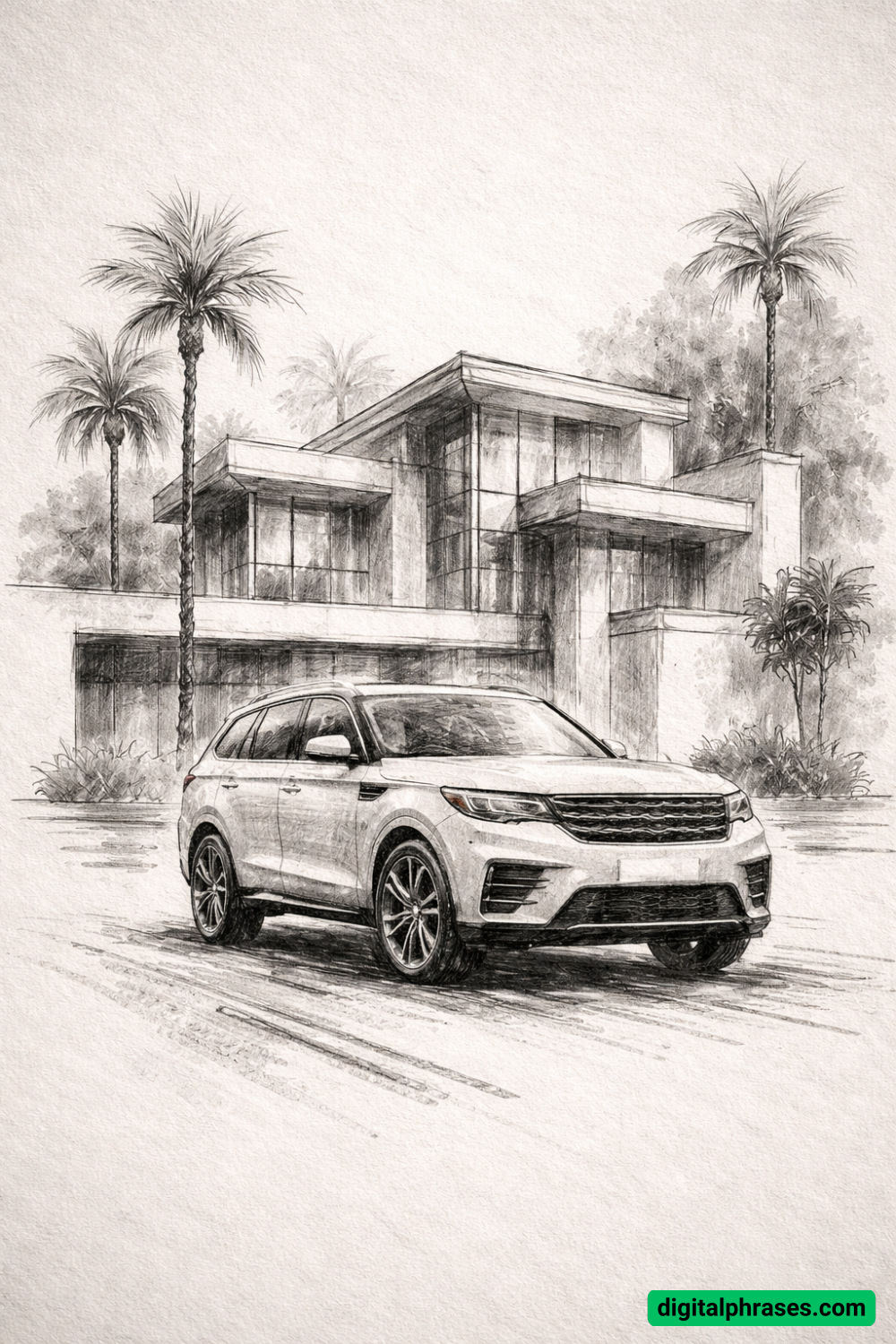
29
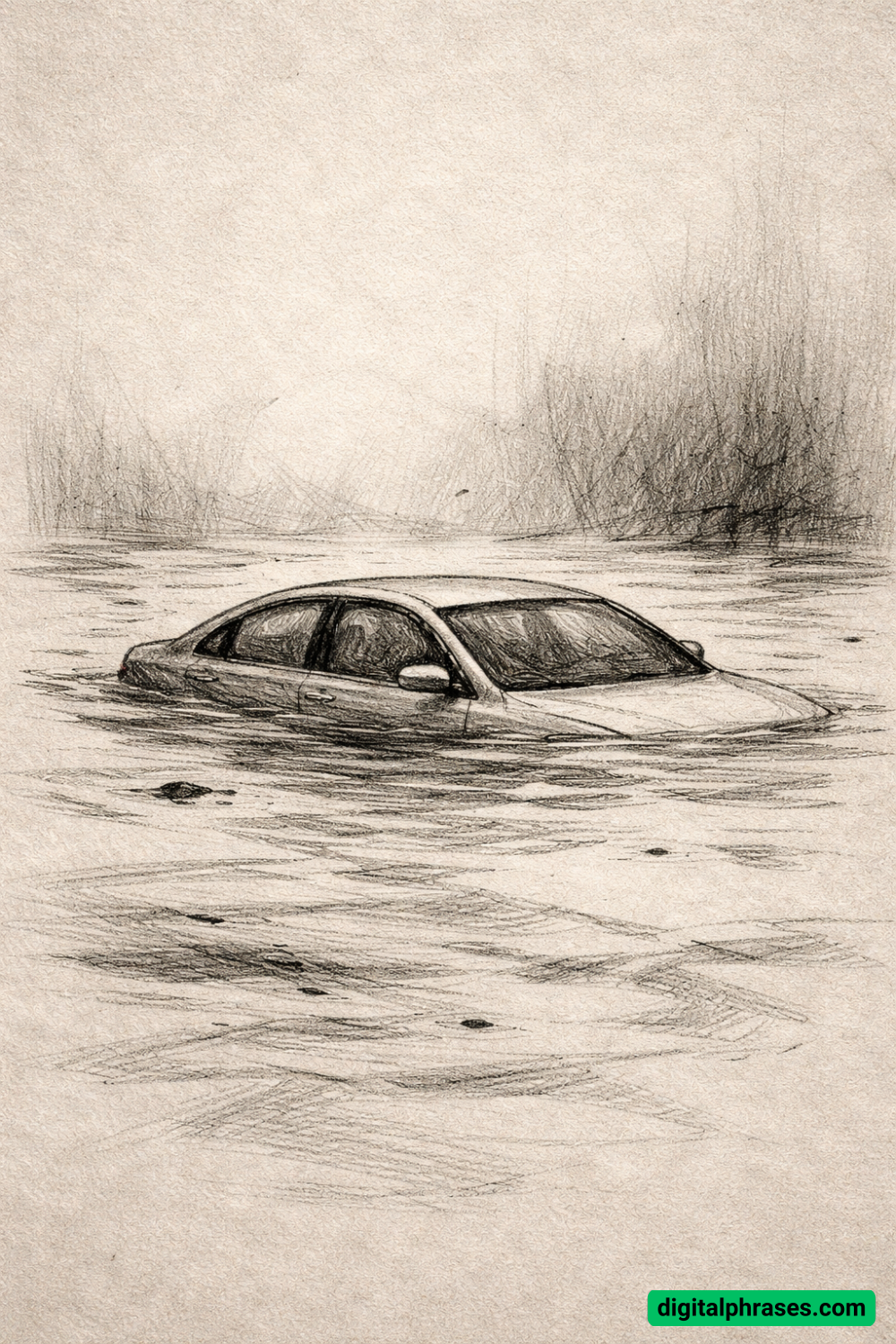
30
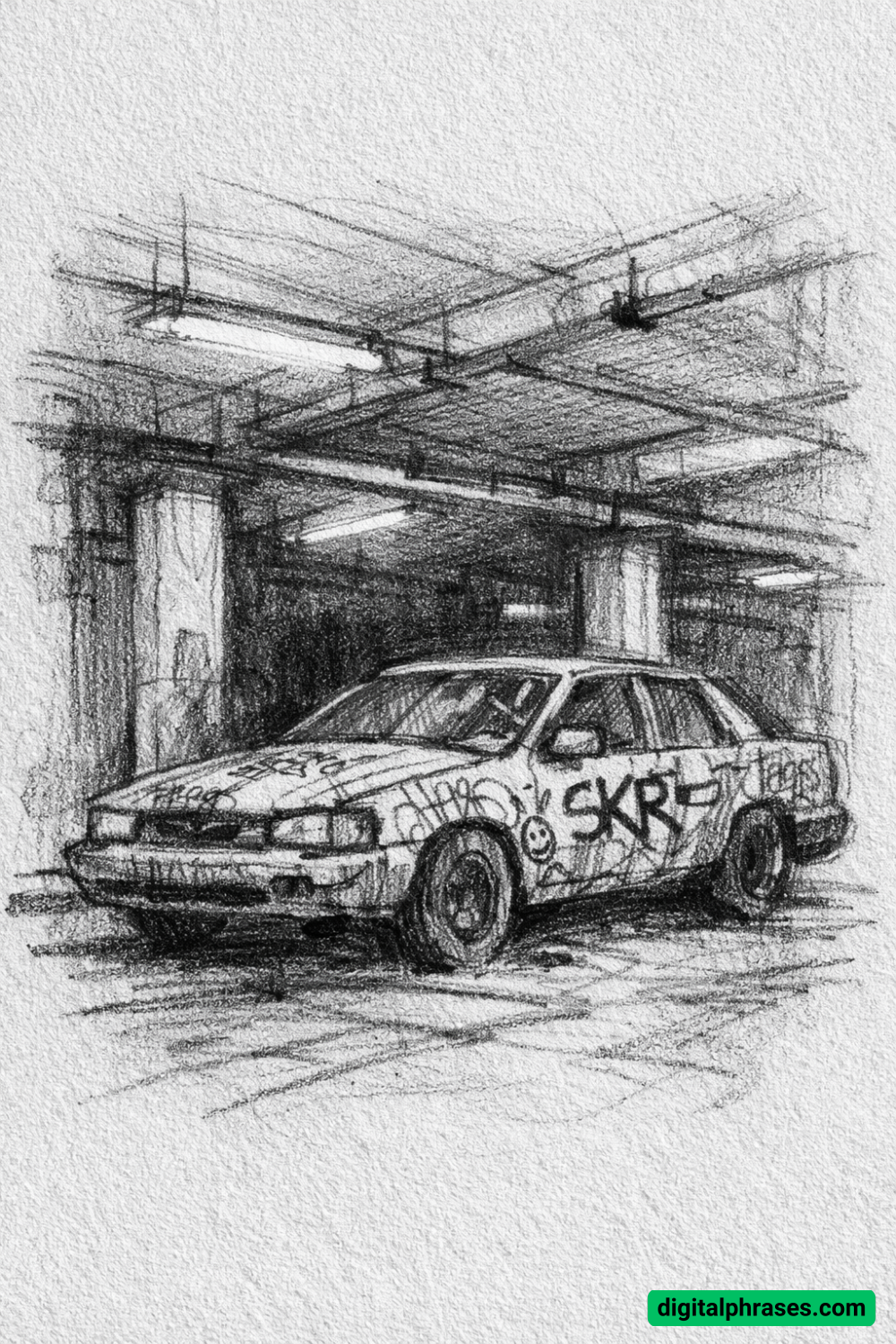
Tips on Drawing Cars
Start with Basic Shapes
Before jumping into details, break the car down into simple shapes like rectangles, circles, and ovals.
Most cars can be sketched as a long rectangle for the body, with smaller shapes for the roof and wheels. This approach helps you get the proportions right early on. Instead of worrying about making it look perfect, focus on placement and balance.
Once the base structure looks good, you can slowly refine the shape and add curves. This step makes the whole process less overwhelming and gives you a strong foundation to build on.
Focus on Proportions and Perspective
Getting the proportions right is key to making your car look realistic. Pay attention to how long the body is compared to the height, and how big the wheels are in relation to the car.
Perspective also plays a big role—cars often look more dynamic when drawn at an angle rather than from the side. Try practicing simple perspective techniques, like drawing guidelines that angle toward a vanishing point. This will help your car feel more three-dimensional and less flat.
Study Real Cars
One of the best ways to improve is by observing real cars. Look at photos or even cars around you and notice the details—how the headlights are shaped, how the windows curve, and how light reflects off the surface.
Every car has its own design language, so studying different types will expand your understanding. You don’t need to copy exactly, but using references will help you draw more believable and detailed cars.
Add Details Gradually
It’s tempting to jump straight into drawing things like headlights, grills, and rims, but adding details too early can make things messy. Instead, build your drawing step by step. Start with the main shape, refine the outline, and then slowly add details.
This way, each part fits naturally into the overall design. Small details like door handles, mirrors, and panel lines can make a big difference, but they should come after the structure is solid.
Practice Shading and Highlights
Shading is what brings your car drawing to life. Cars have smooth, reflective surfaces, so light and shadow play a big role in how they look.
Try to imagine where the light source is coming from and shade accordingly. Use softer shading for curved surfaces and darker tones for areas in shadow. Adding highlights—small bright areas—can make the car look shiny and realistic. Even simple shading techniques can greatly improve the overall depth and appeal of your drawing.