Elephant Drawing Ideas
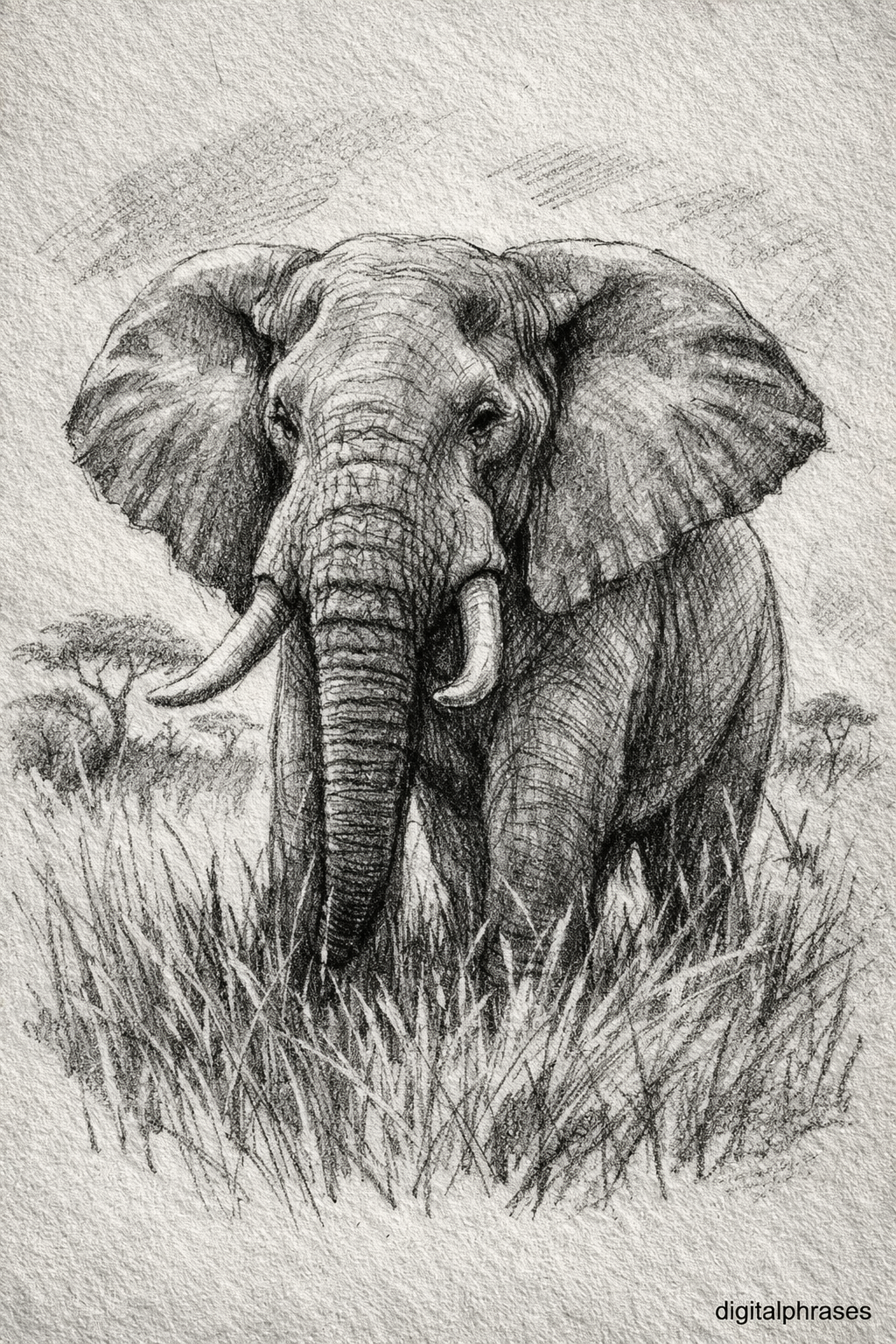
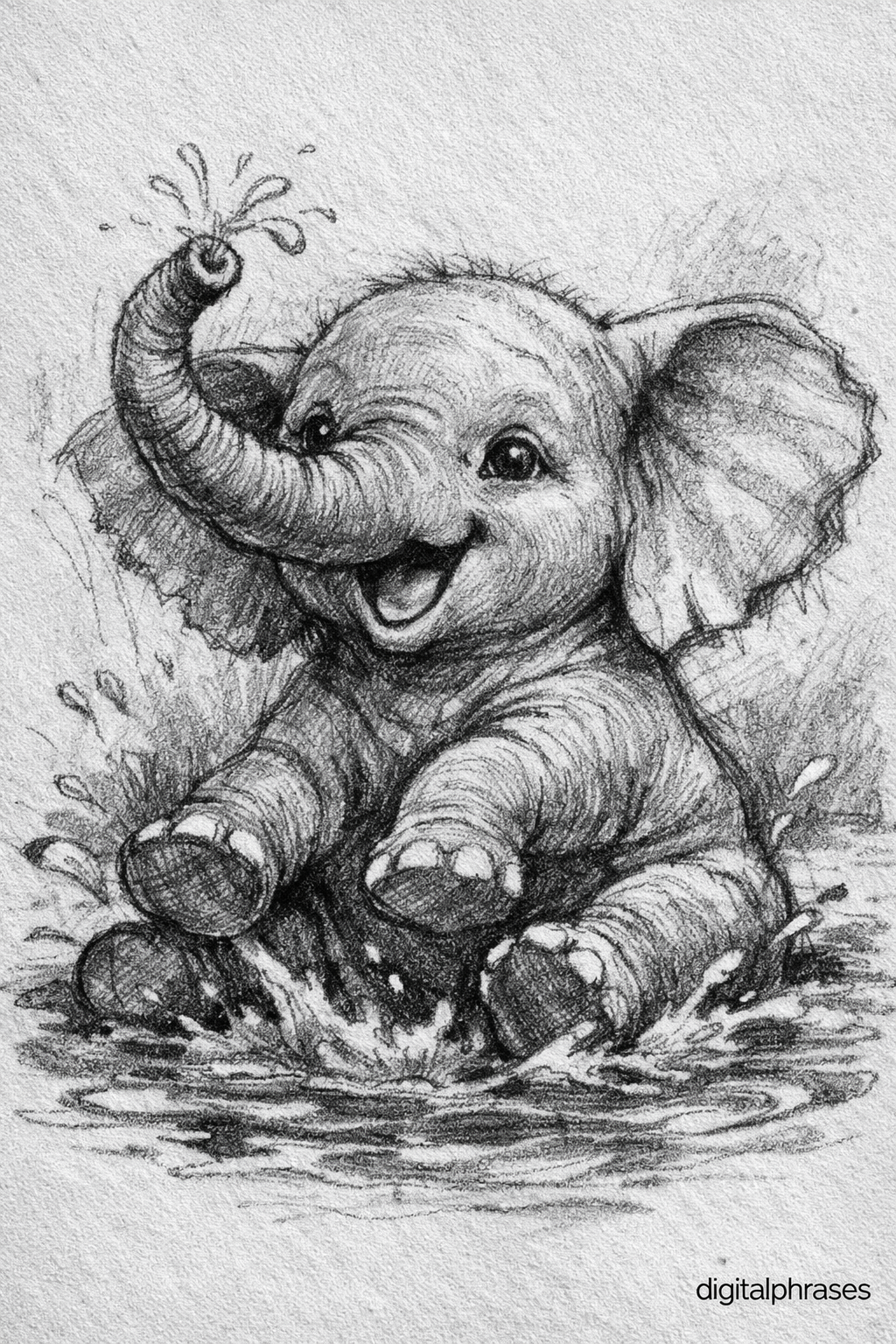
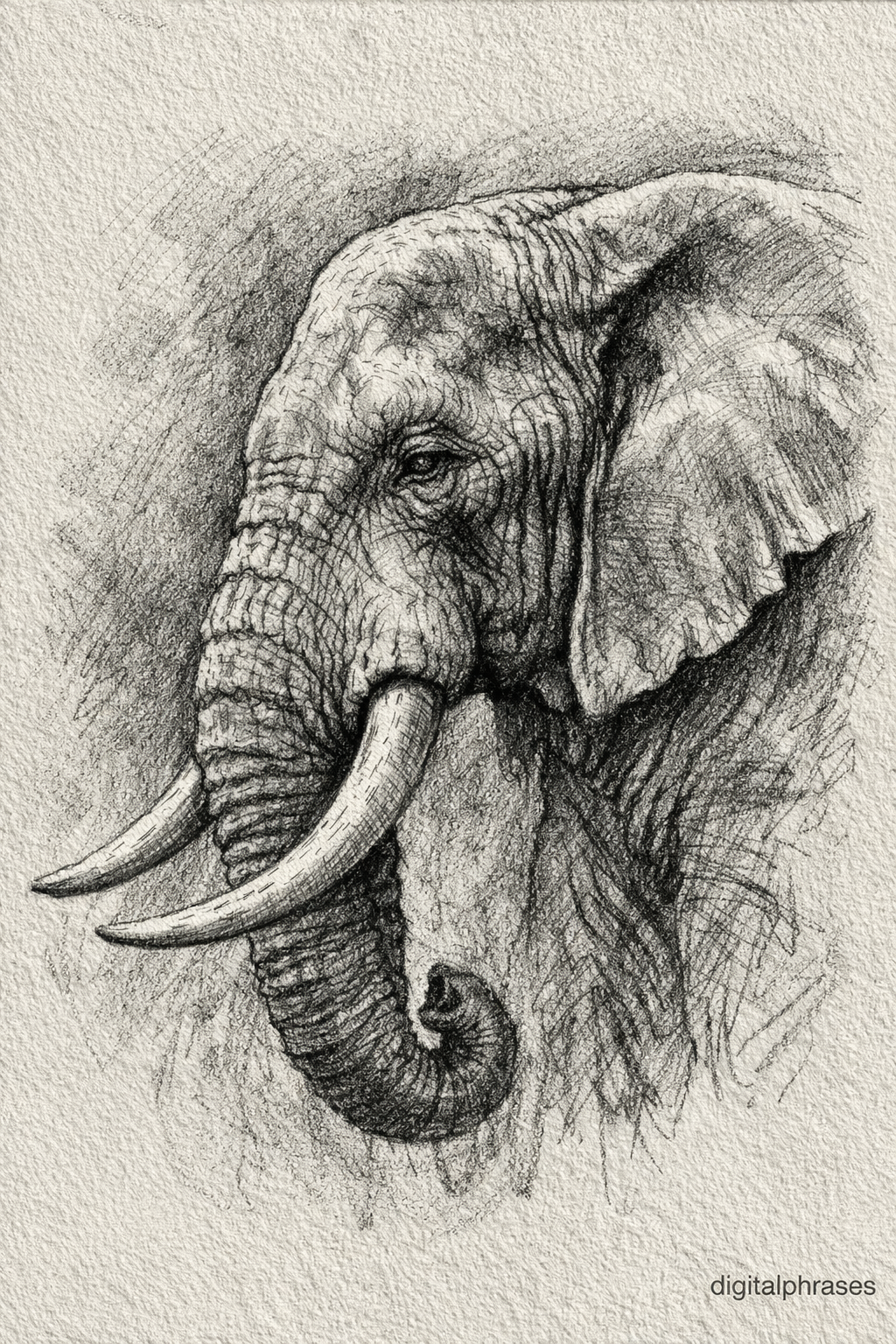
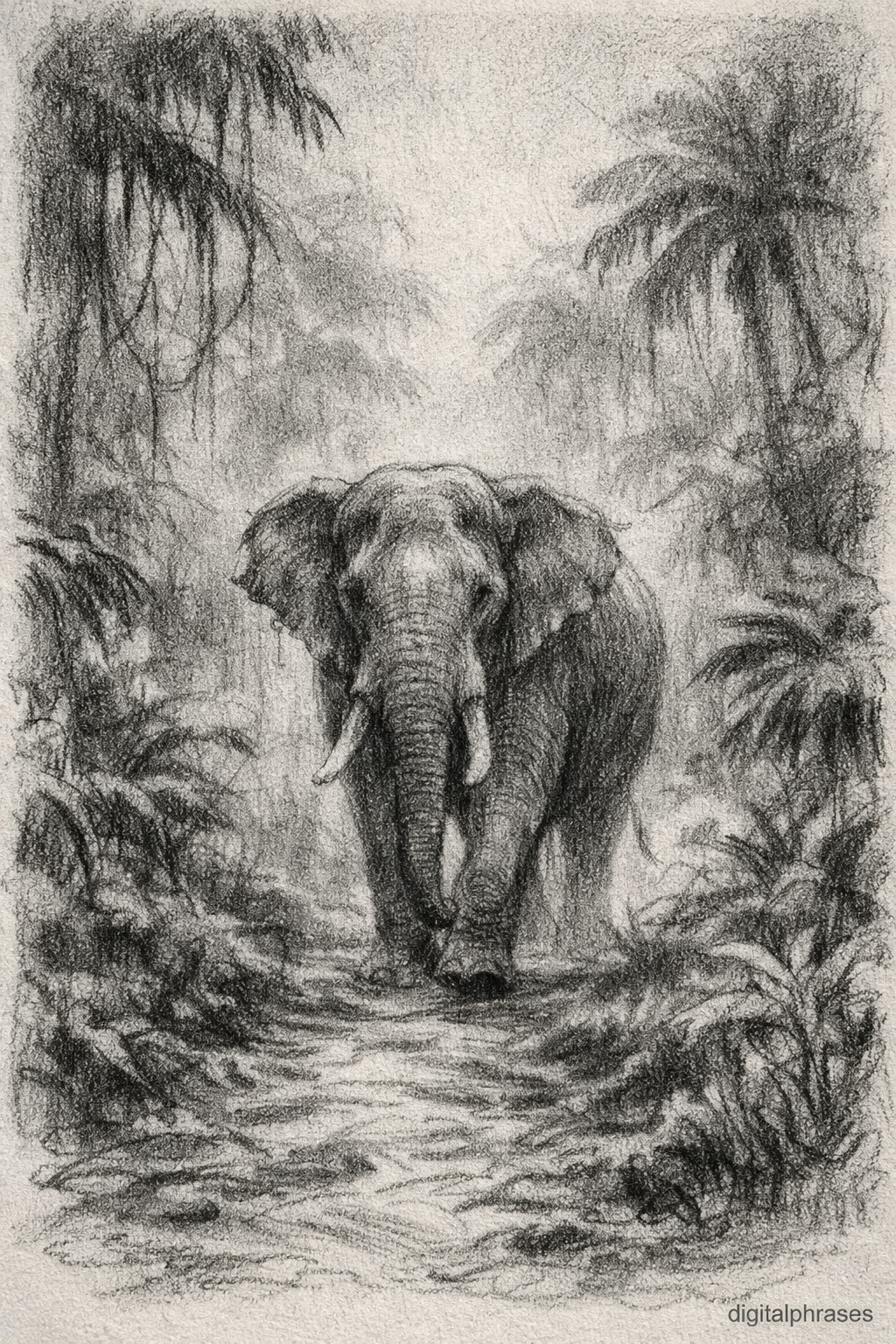
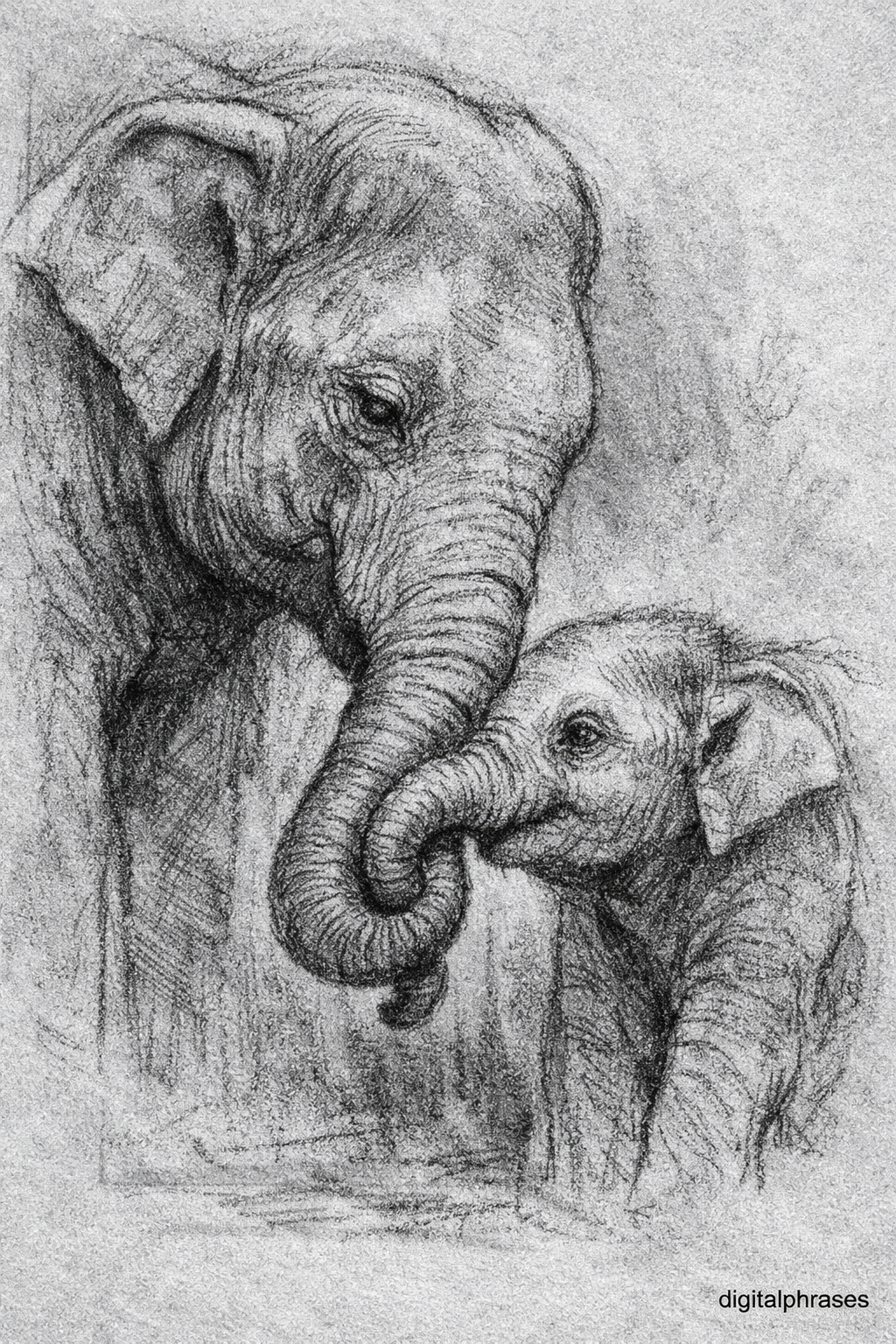
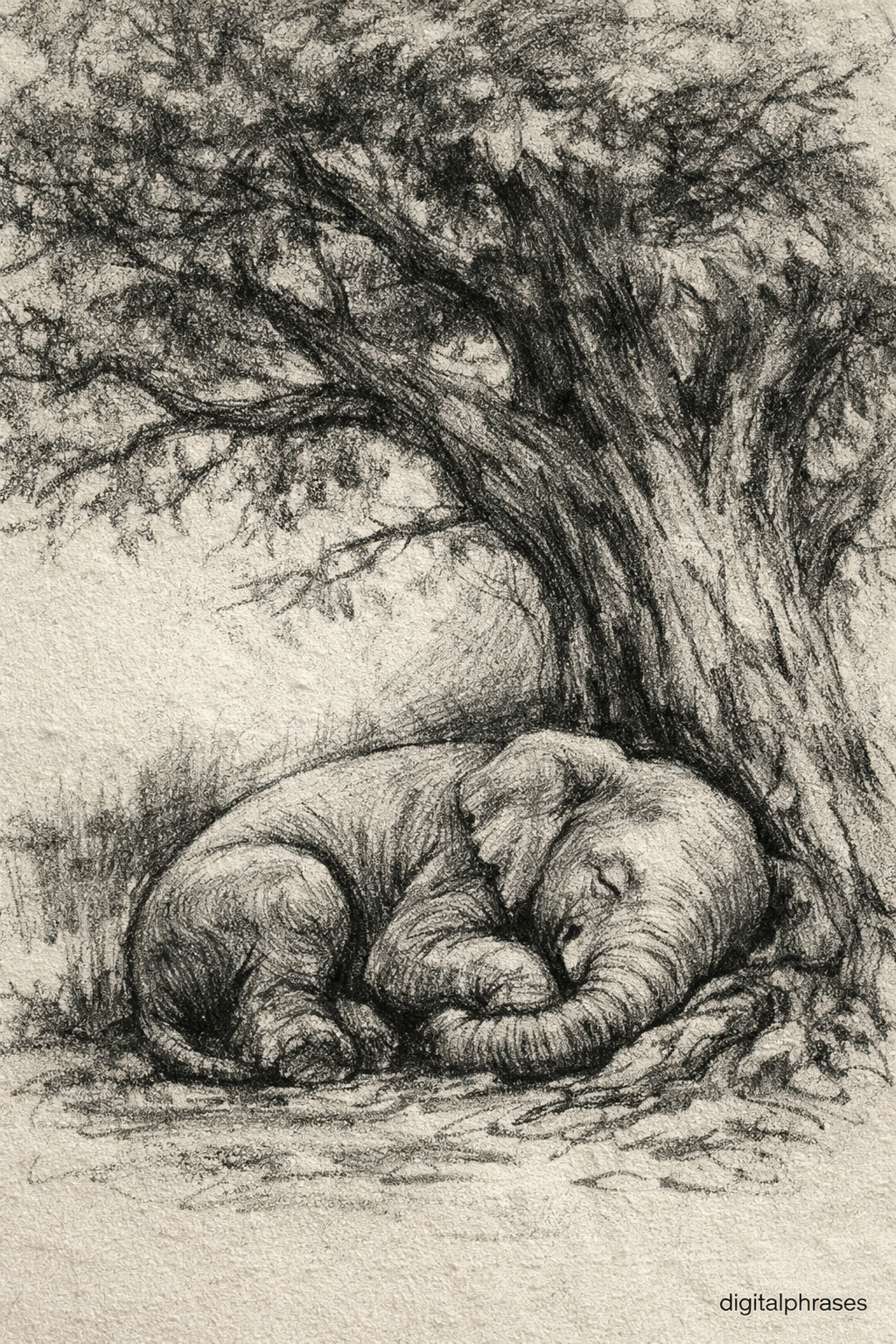
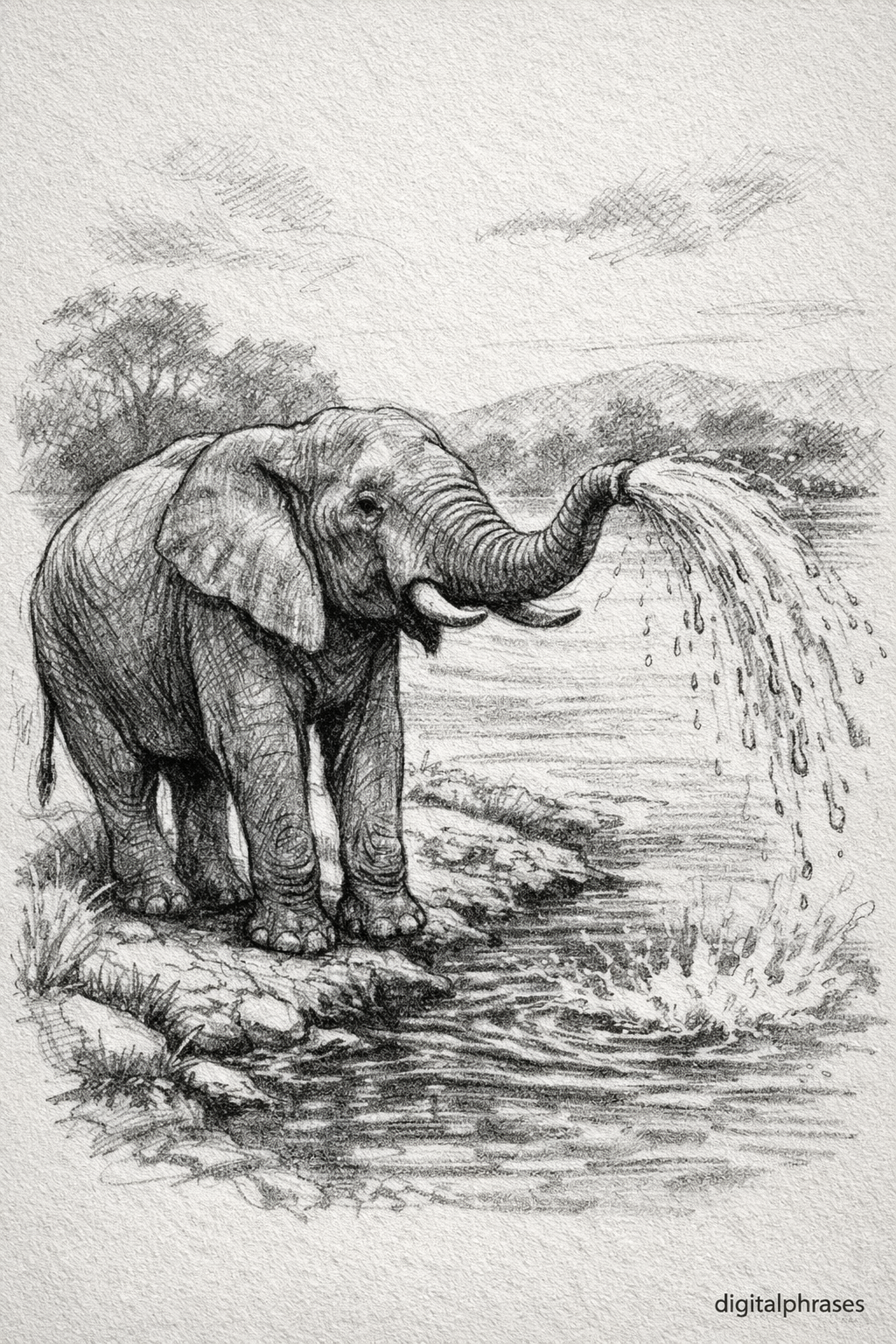
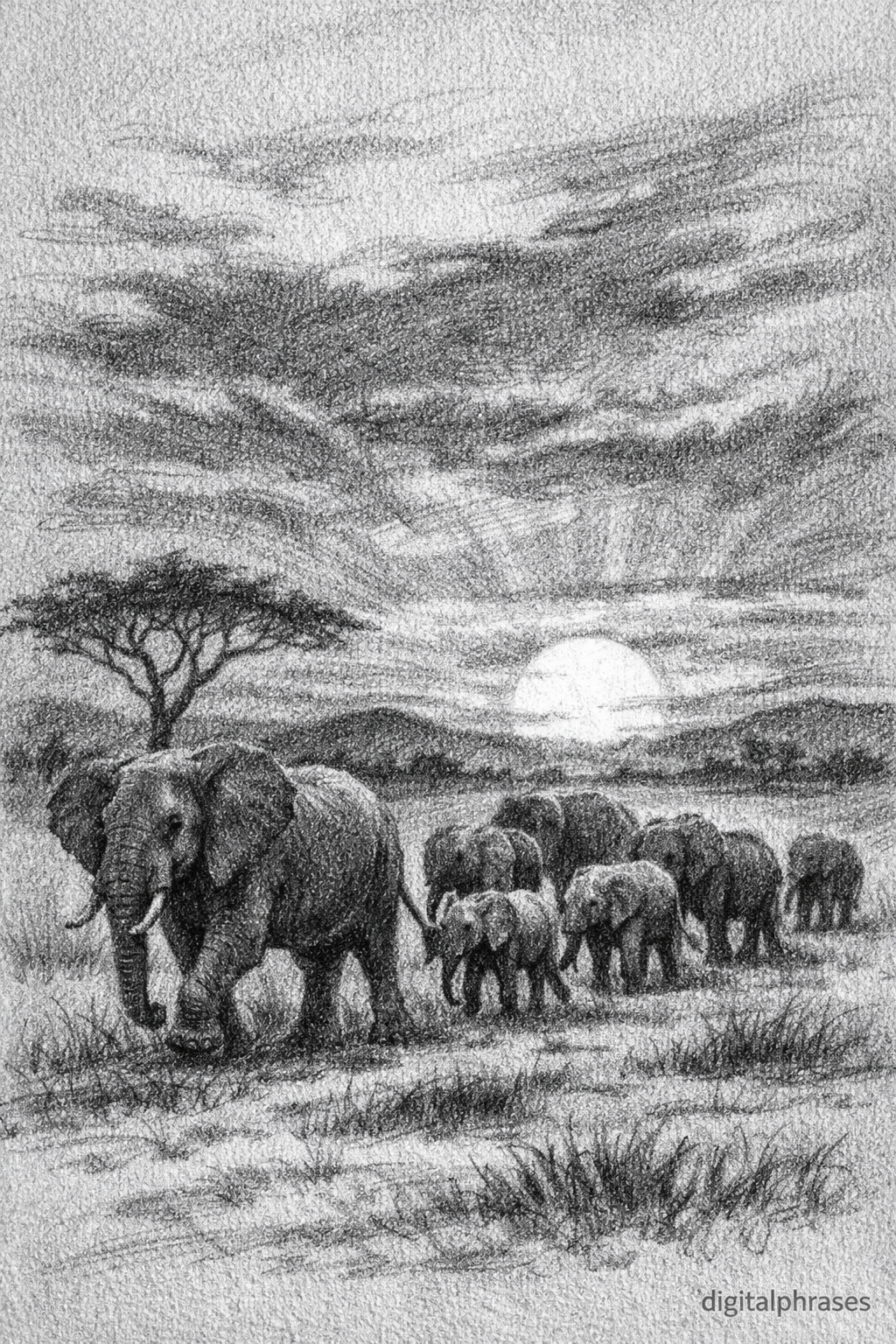
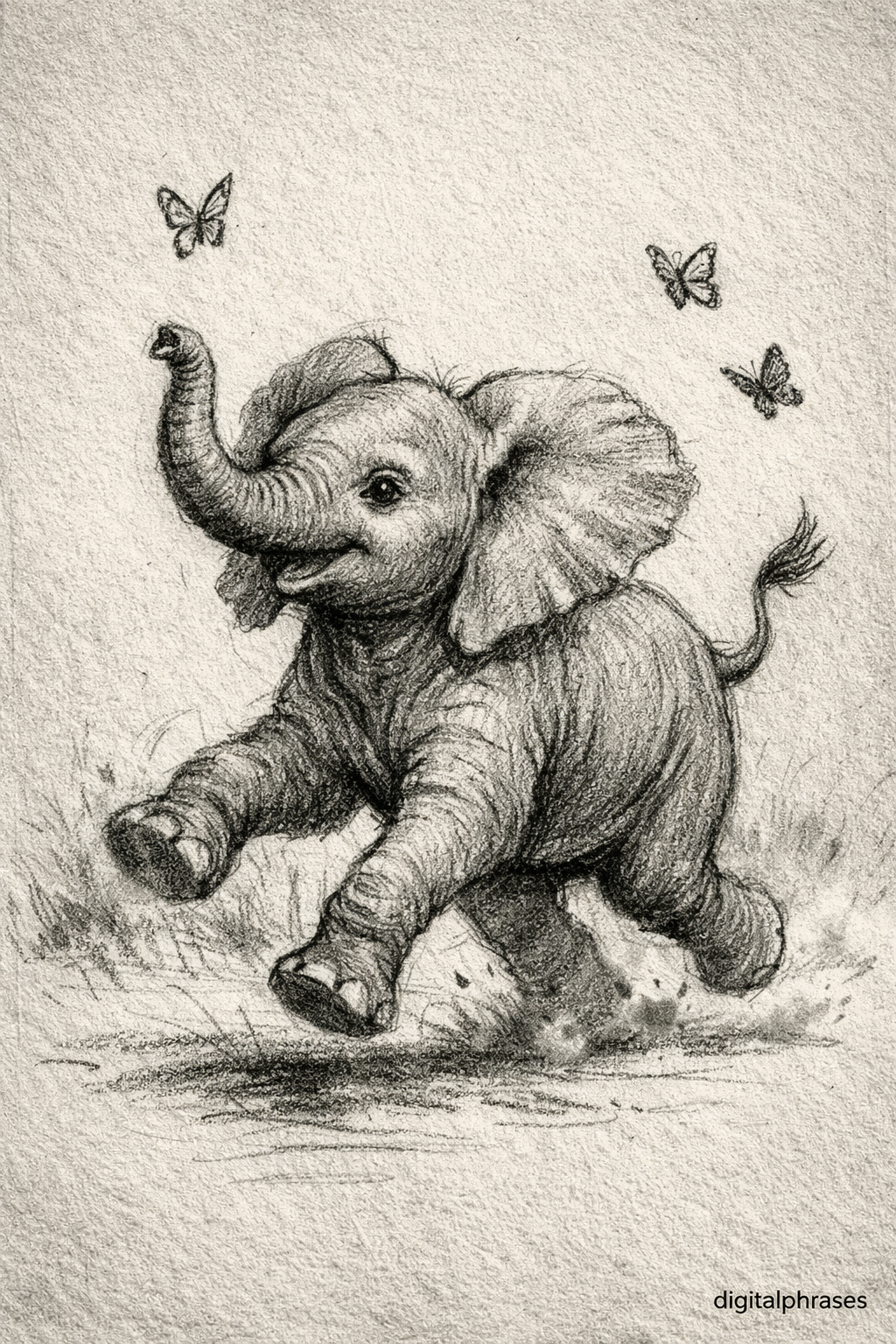
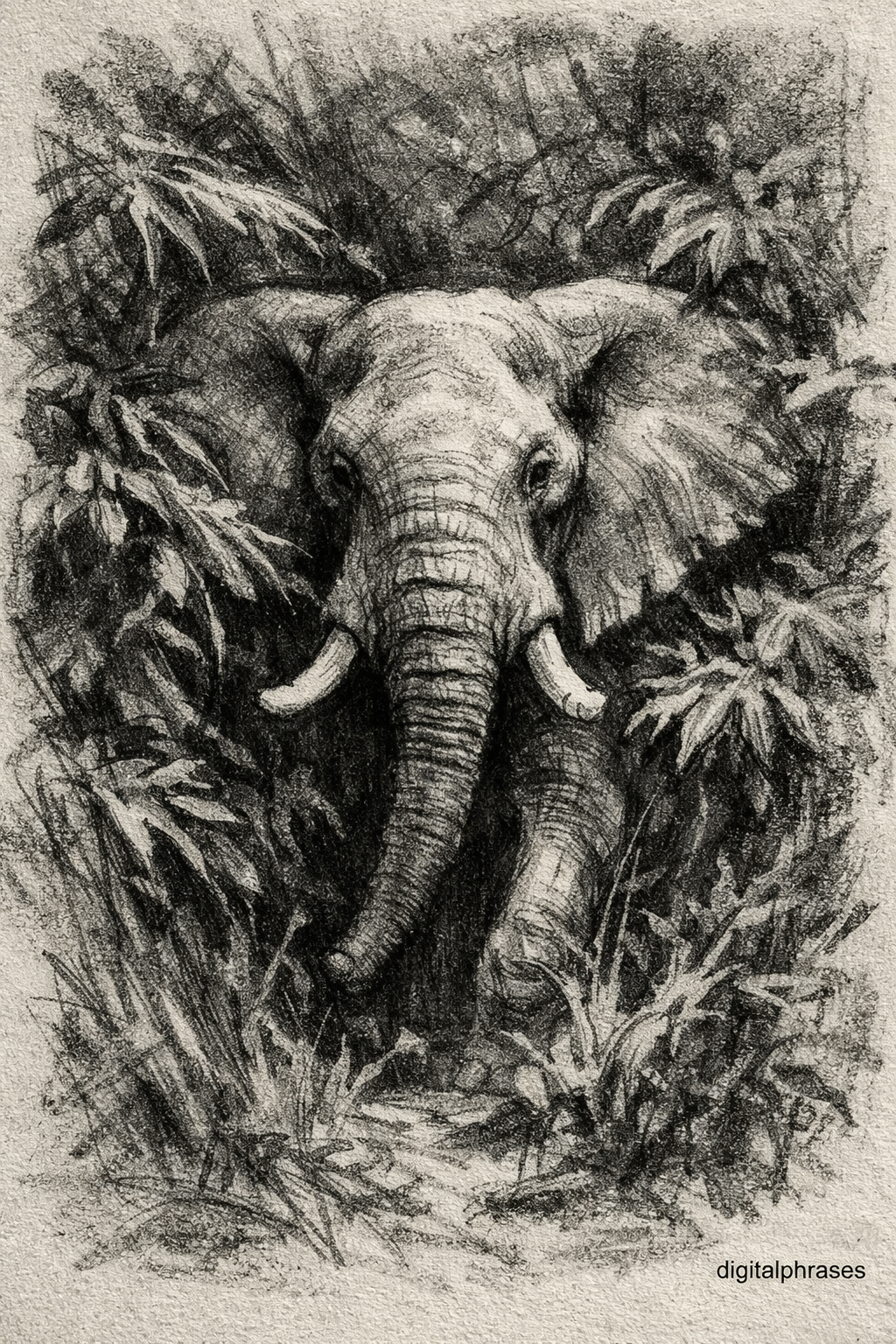
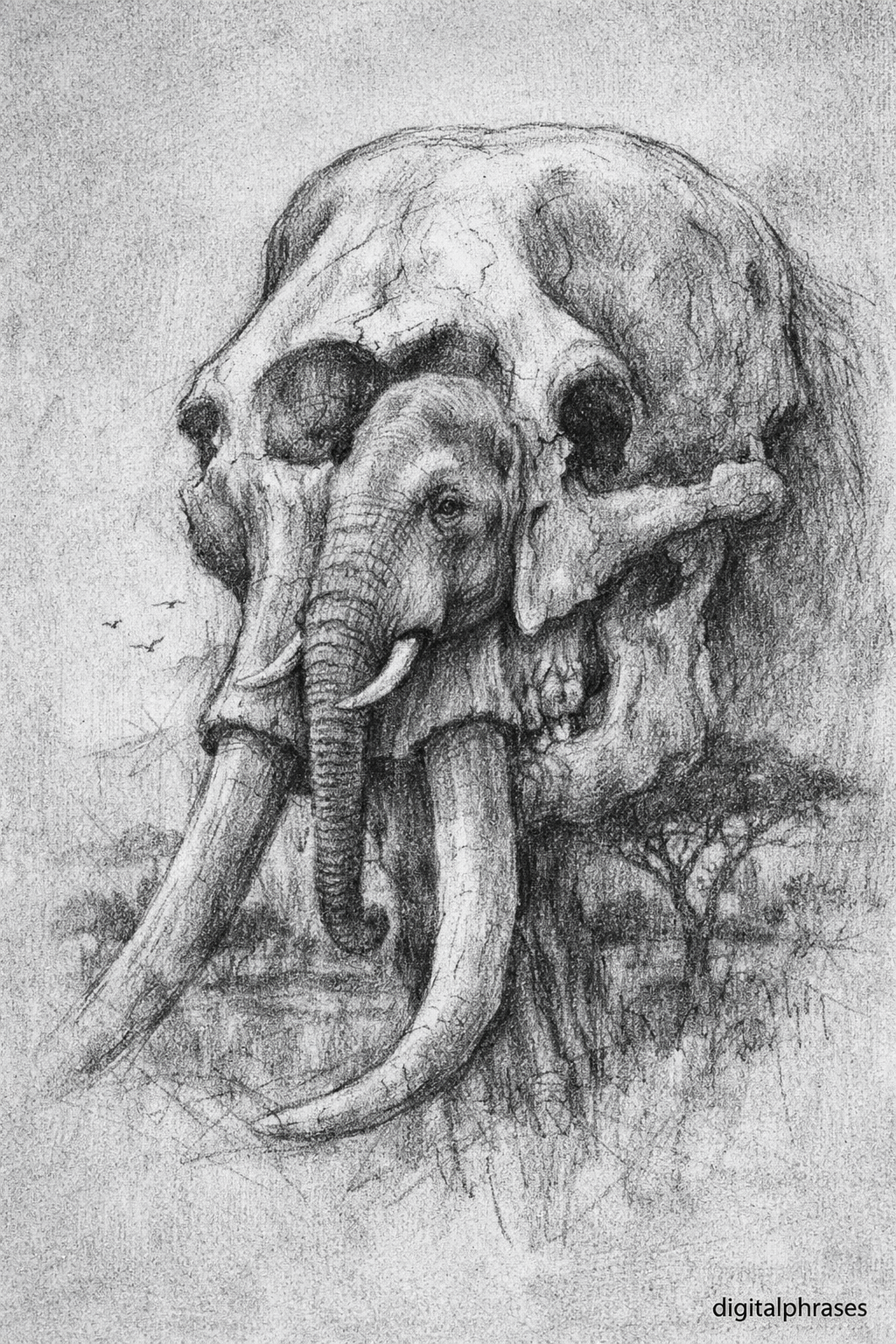
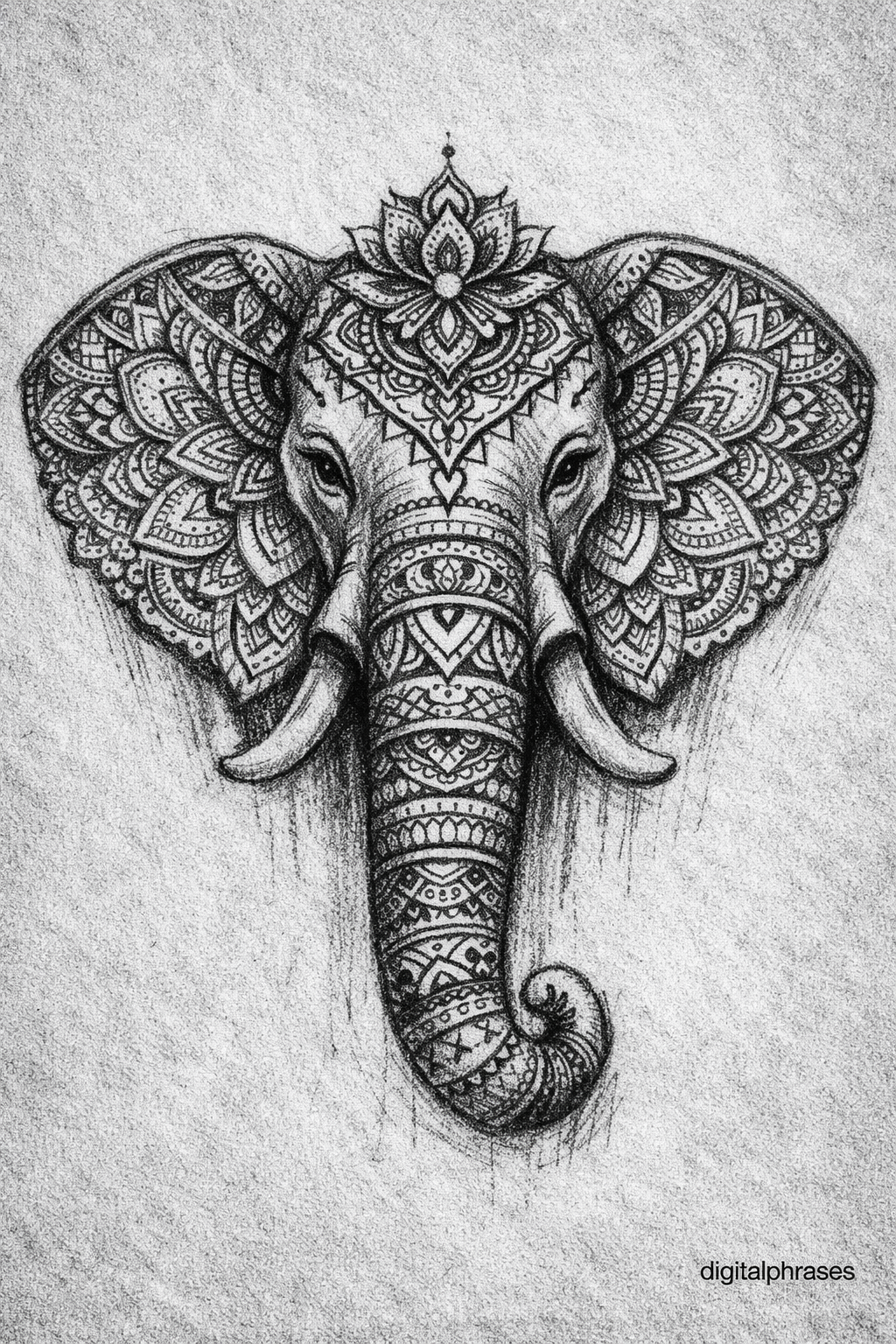
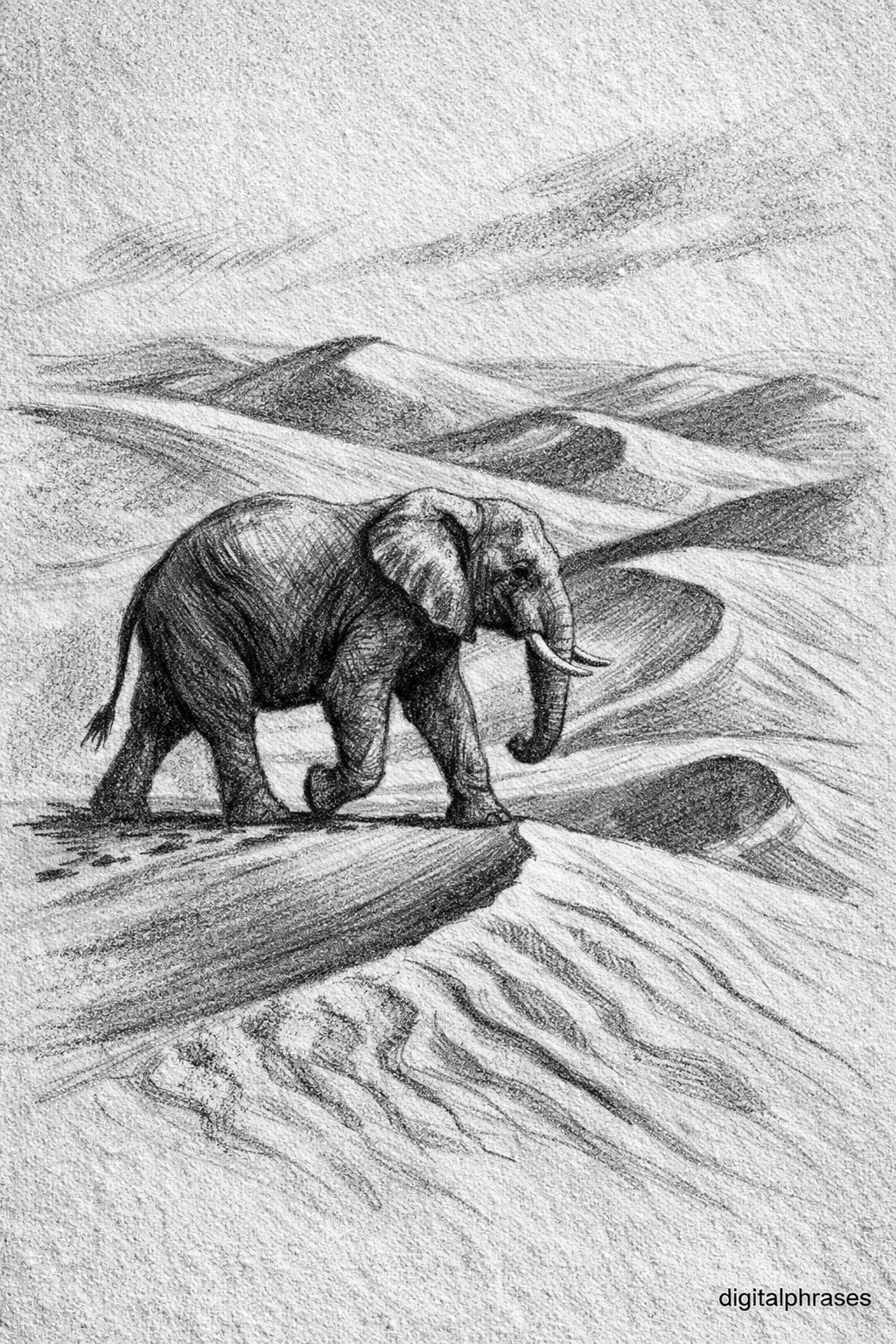
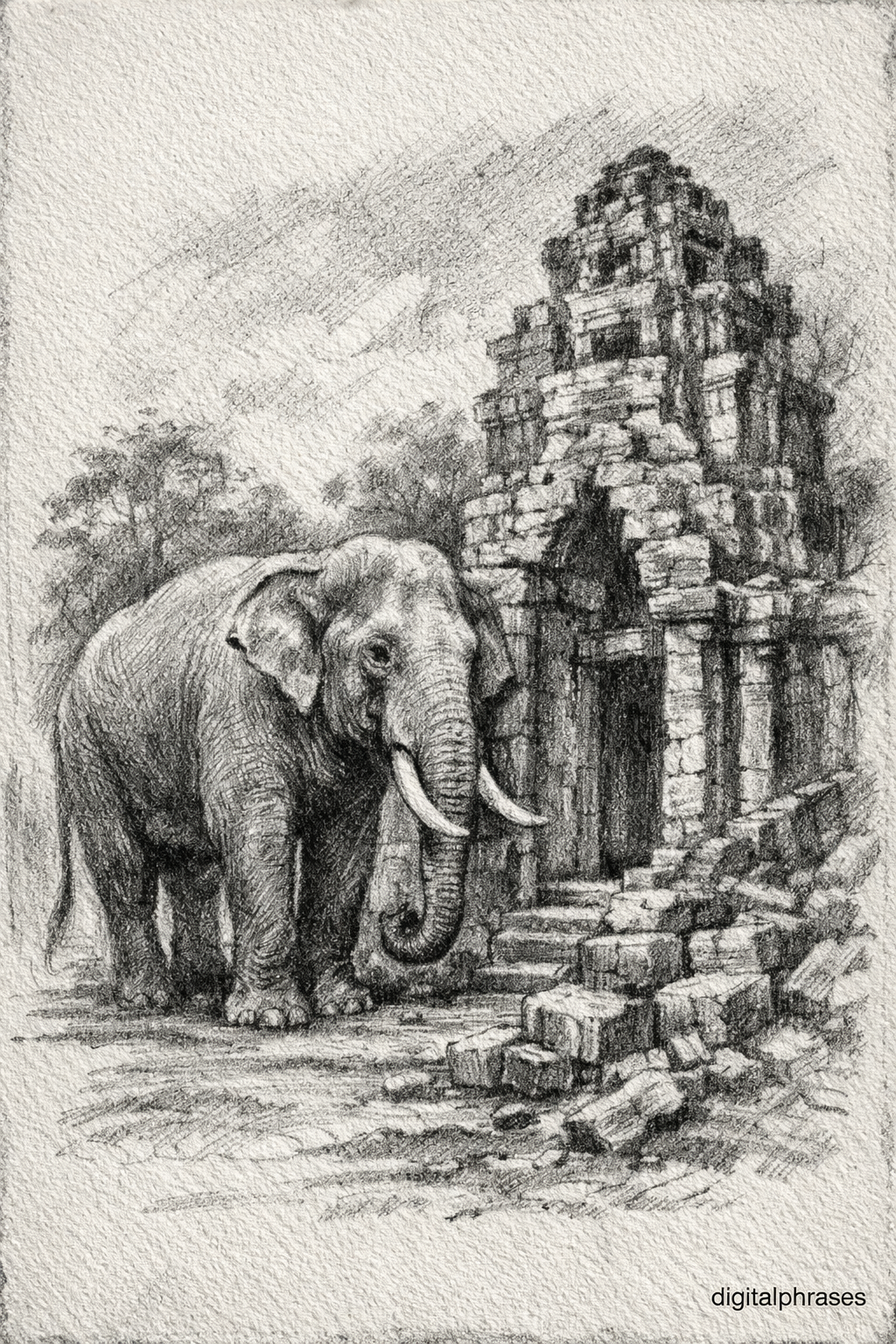
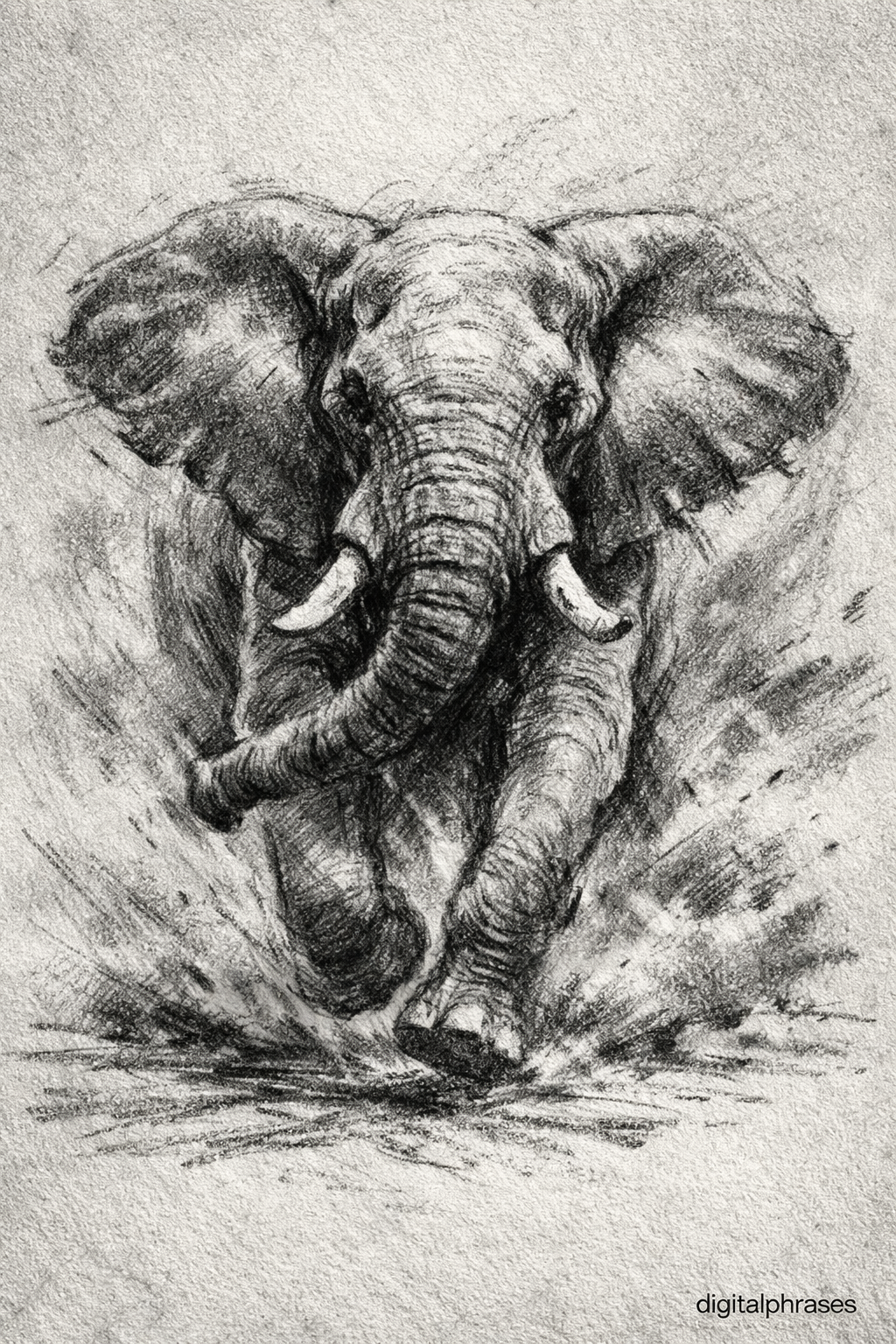
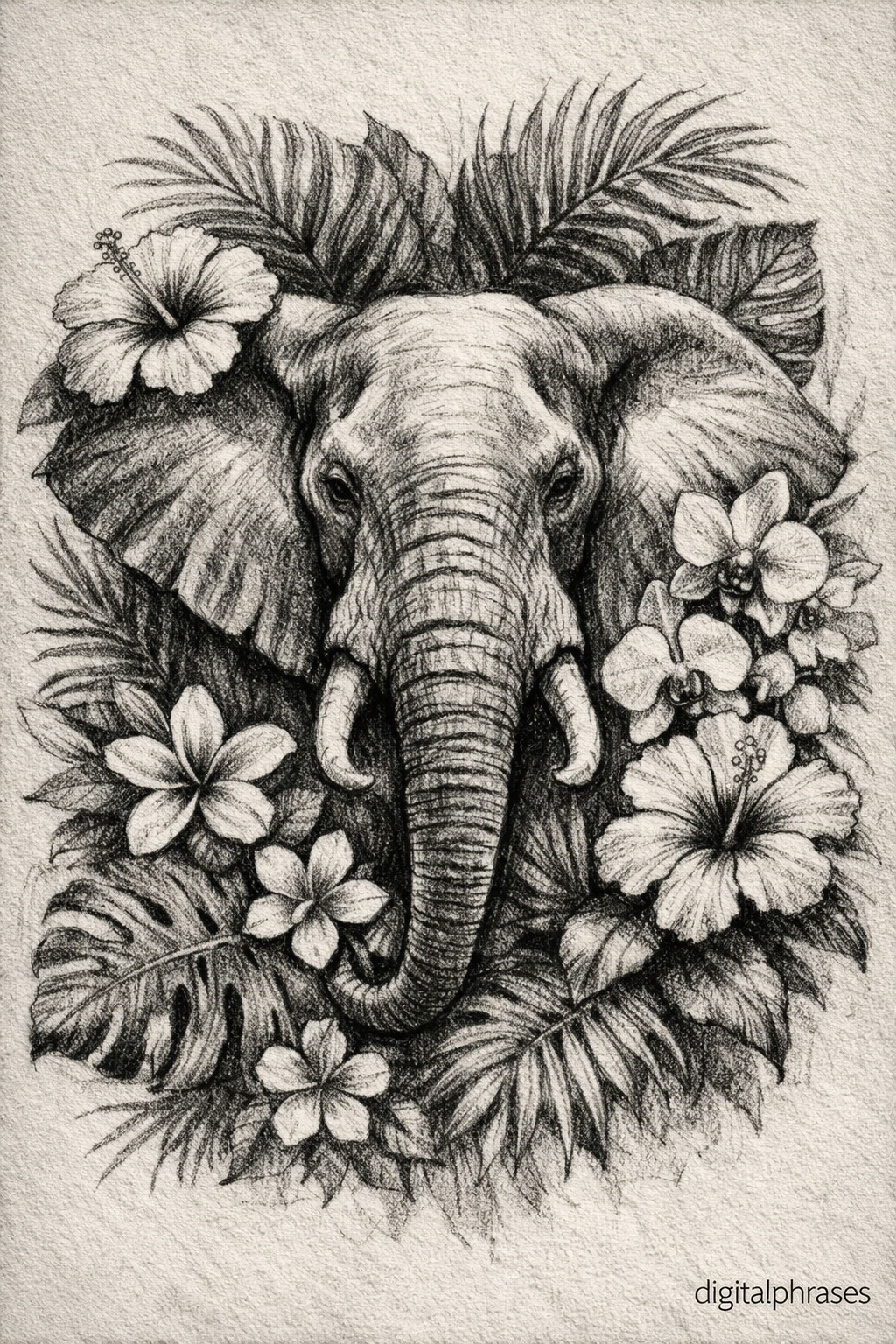
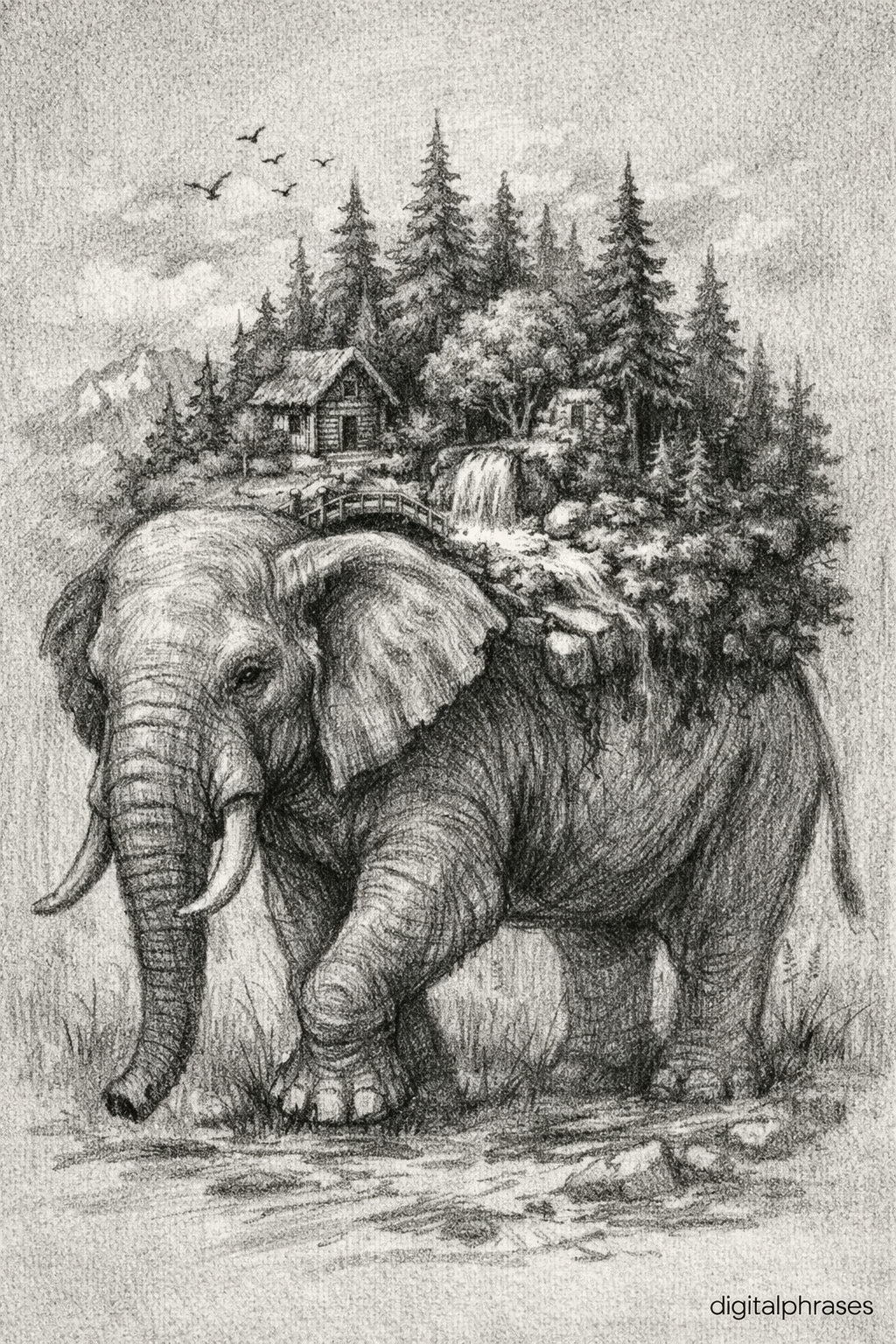
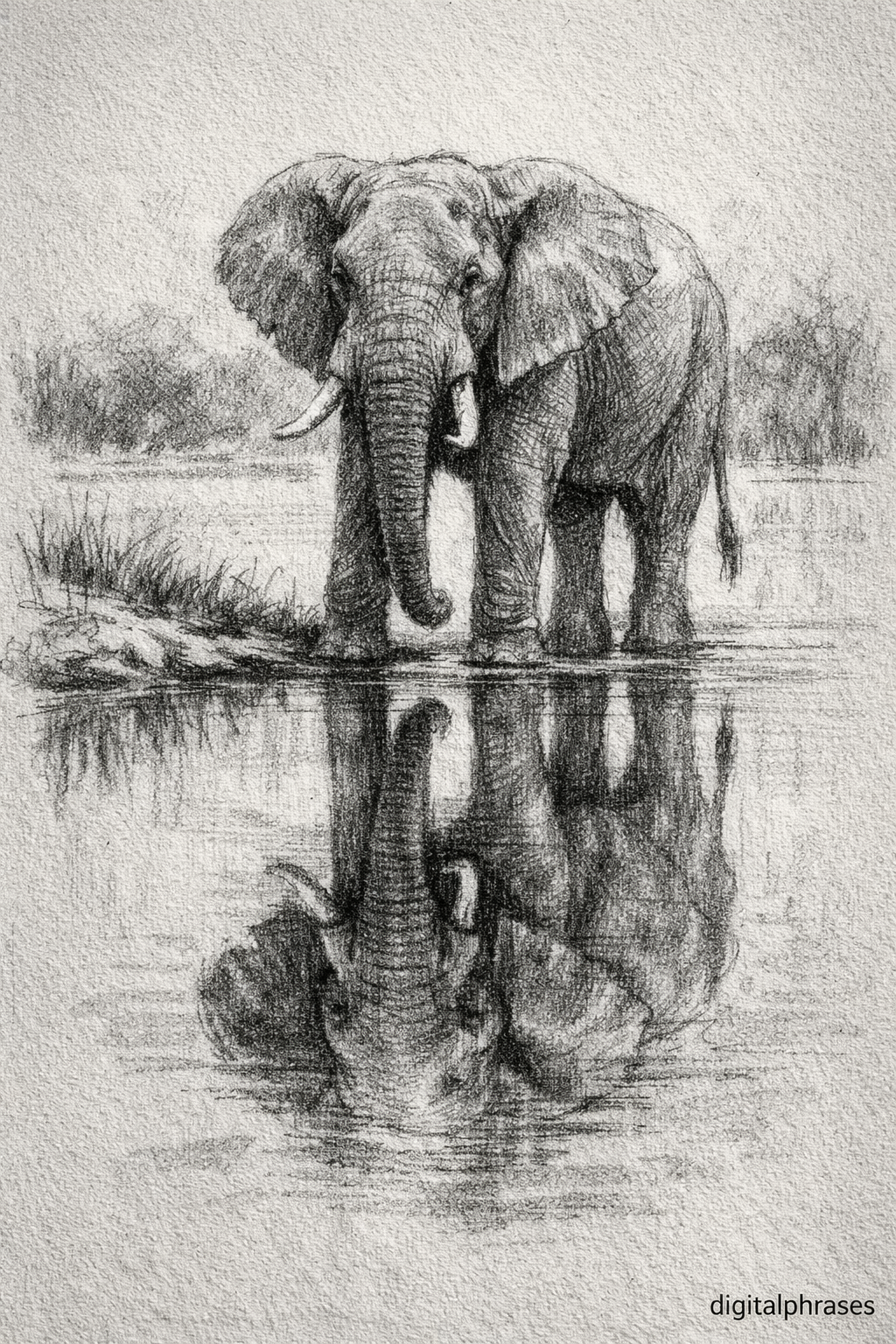
Elephants are one of the most fascinating animals to draw. Their large ears, long trunks, and gentle expressions make them a favorite subject for artists of all skill levels.
Whether you’re a beginner looking for easy sketches or an experienced artist searching for fresh inspiration, these elephant drawing ideas can help spark your creativity. From cute cartoon elephants to realistic wildlife portraits, you’ll find plenty of simple and fun concepts to try.
Grab your pencil and explore these elephant drawing ideas to create your next masterpiece.
Elephant Drawing Ideas
1
2
3
4
5
6
7
8
9
10
11
12
13
14
15
16
17
18
19
20
21
22
23
24
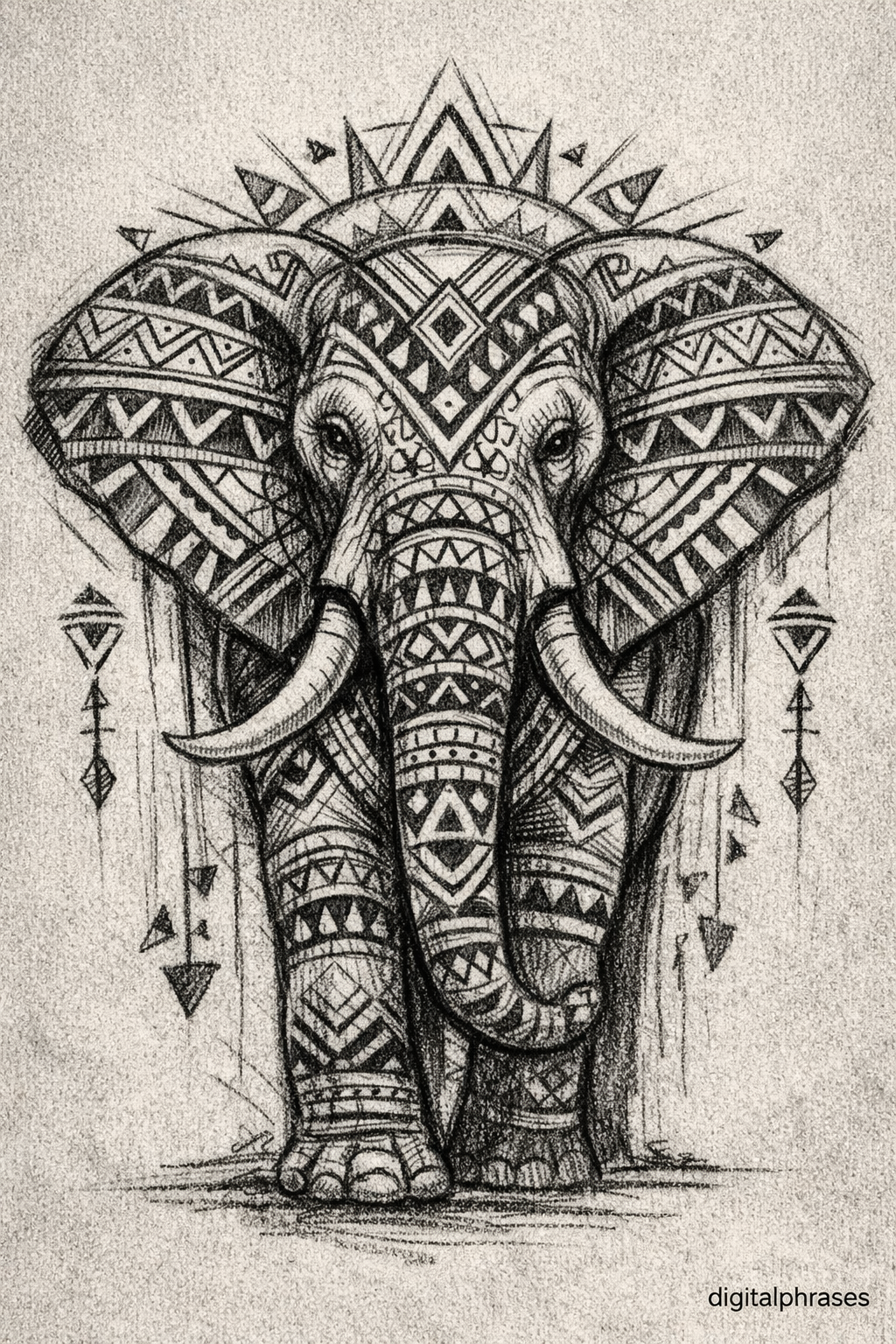
25
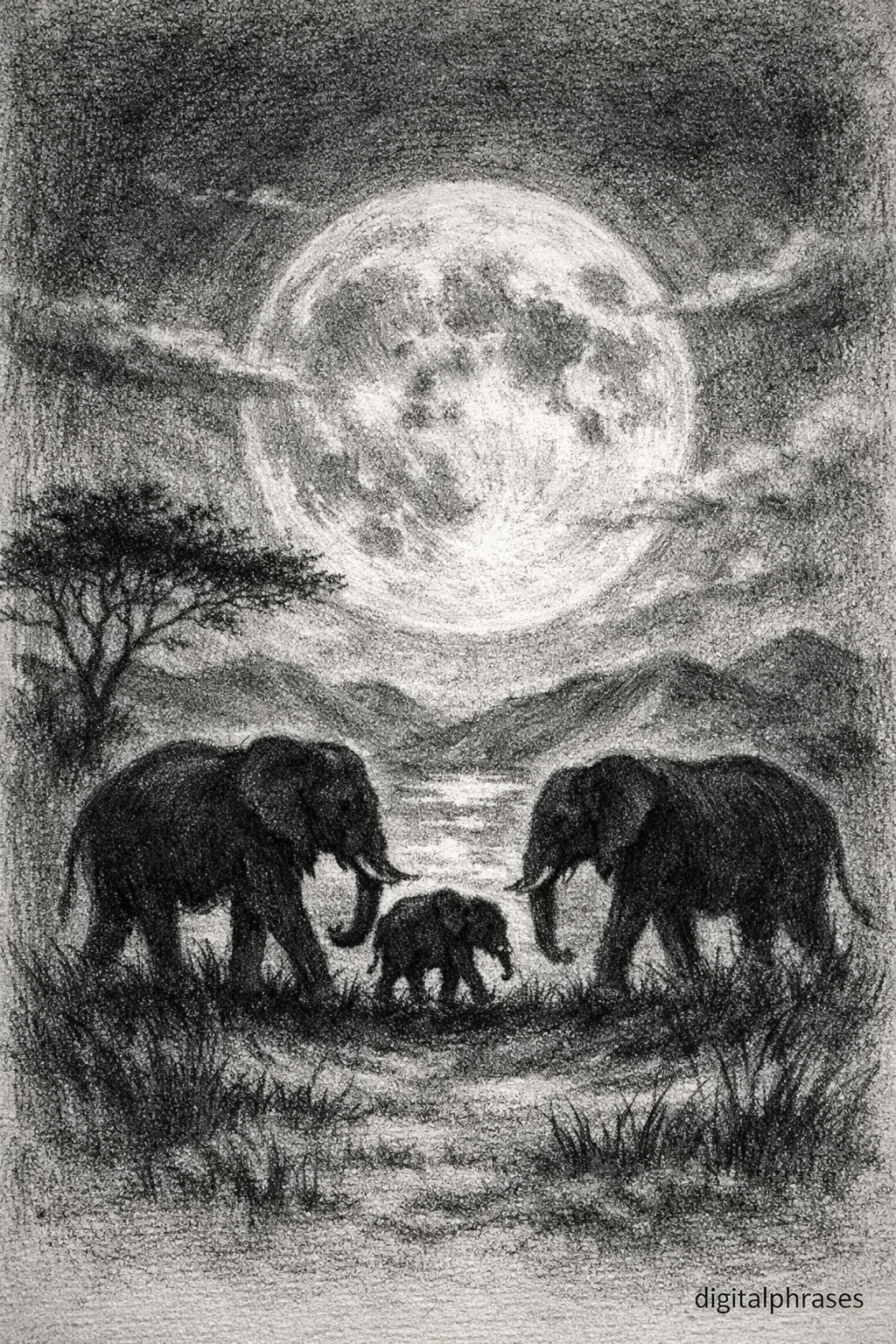
26
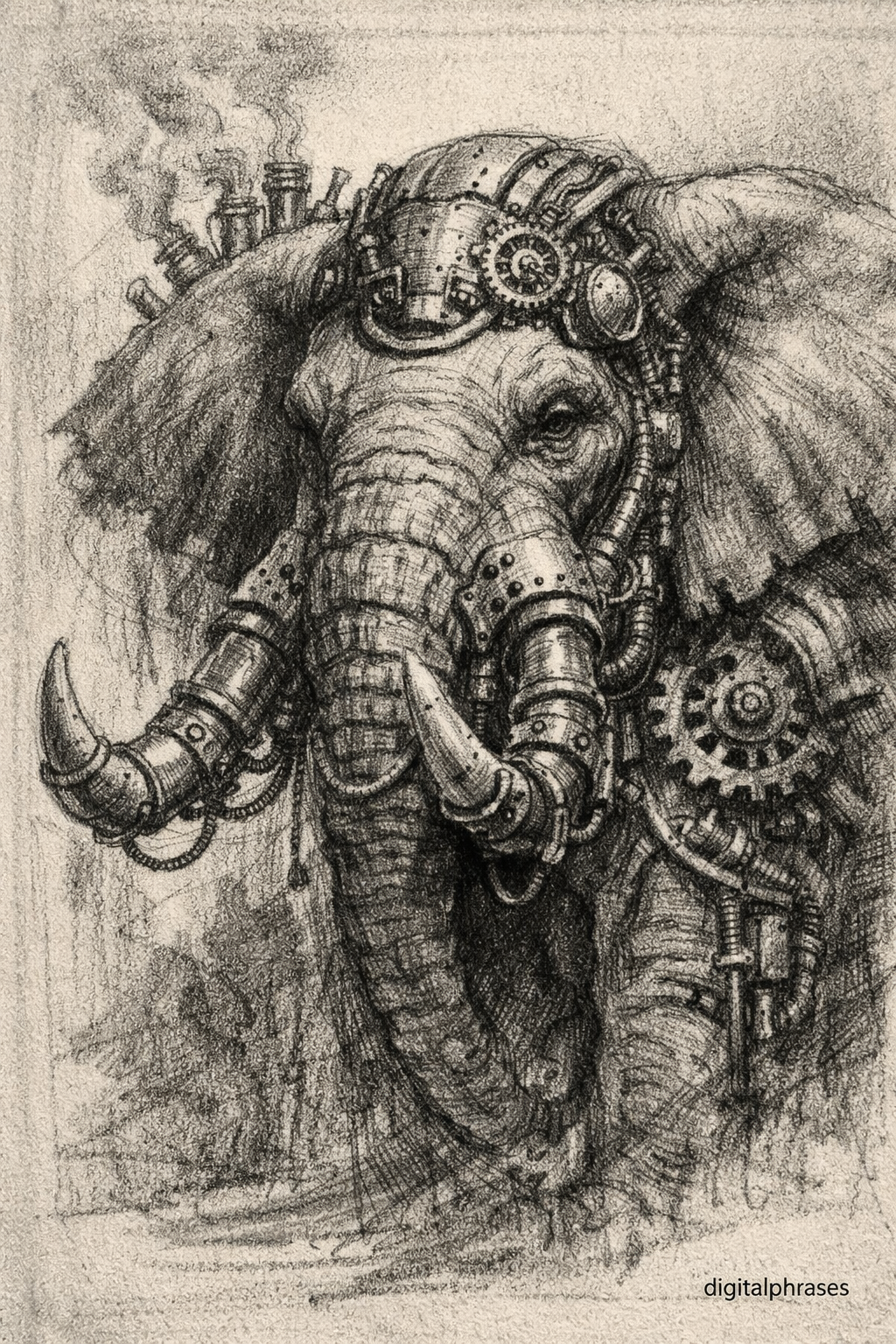
27
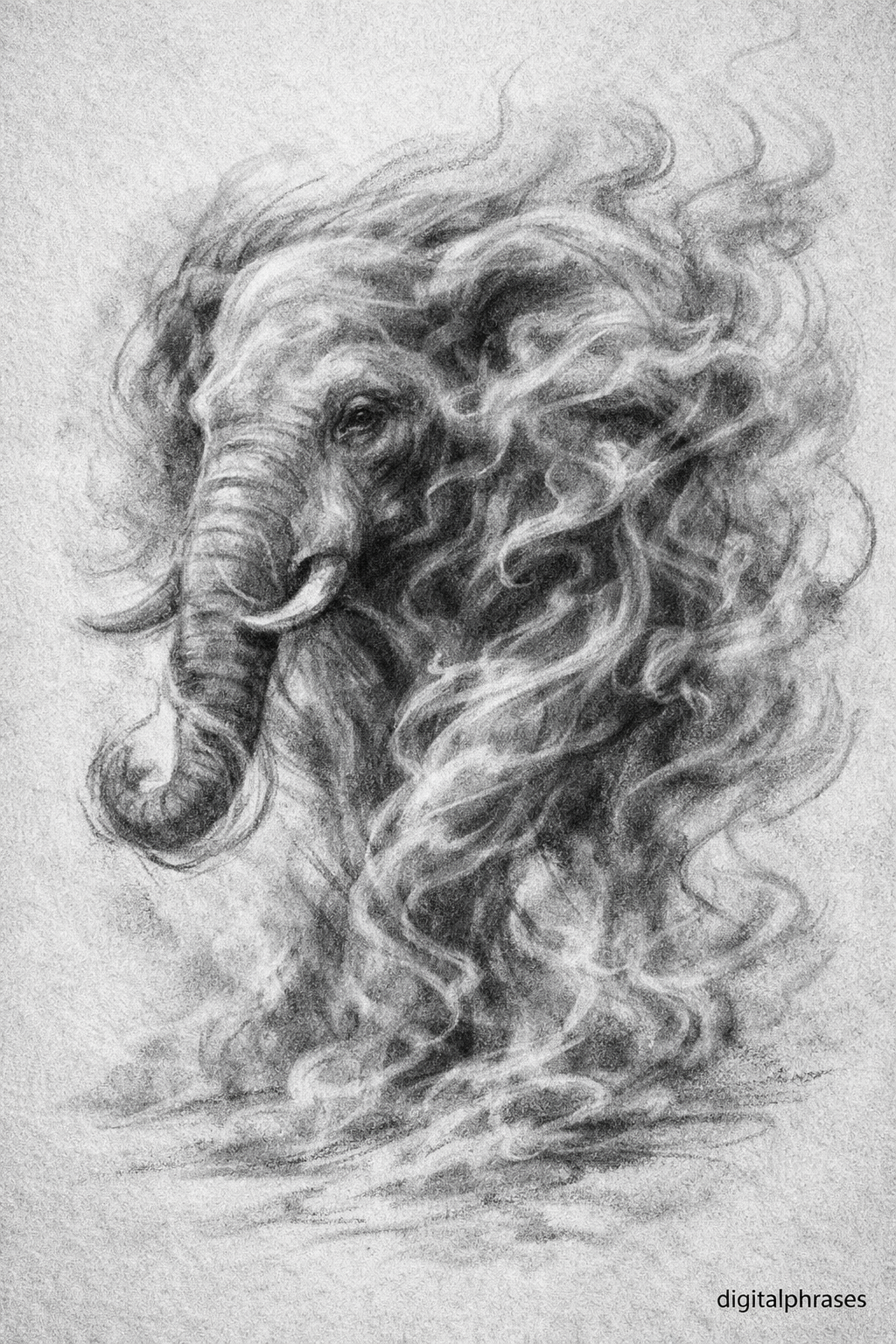
28
29
30
Tips For Drawing an Elephant
Start With Simple Shapes
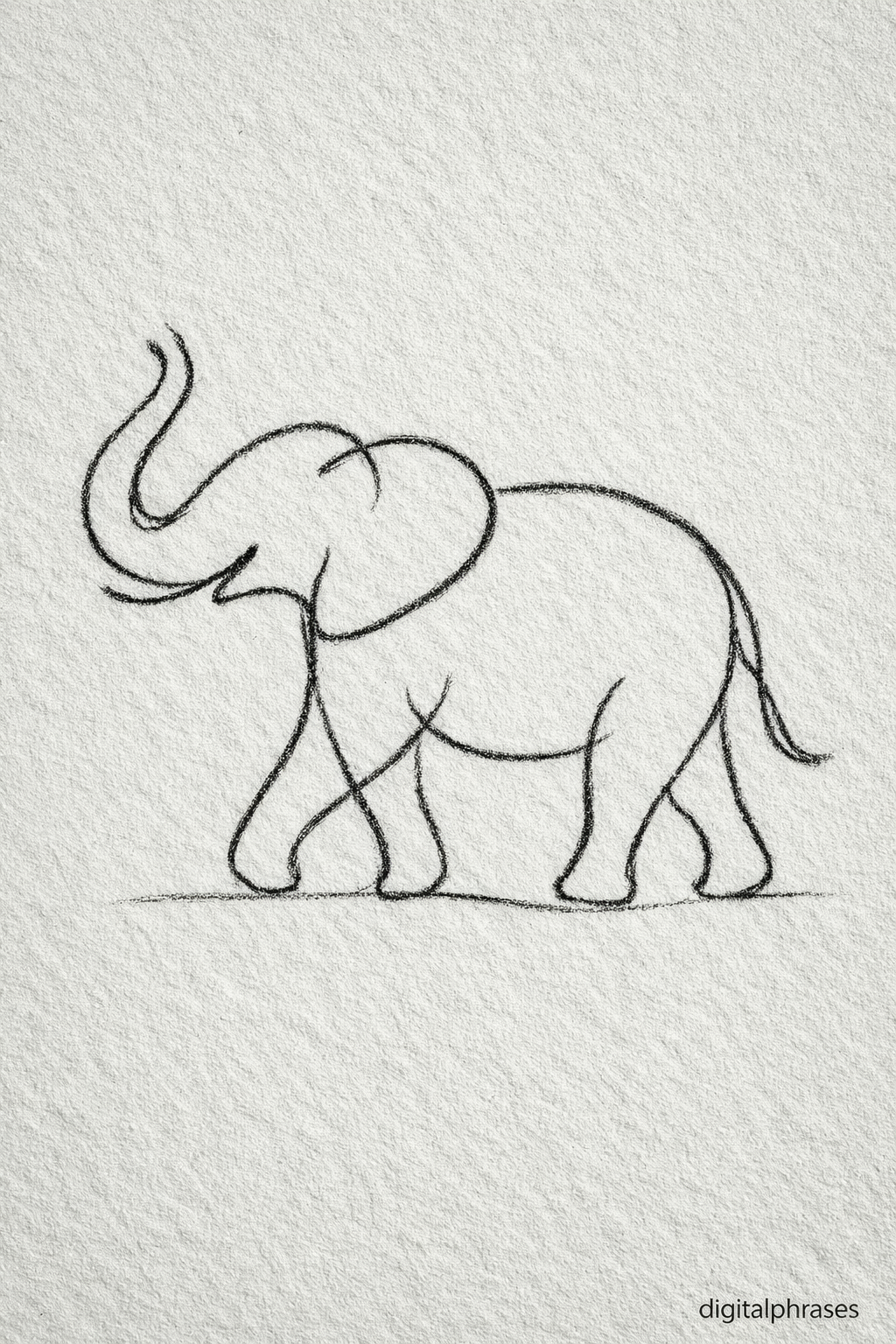
One of the easiest ways to draw an elephant is by breaking its body into simple shapes. Begin with large circles or ovals for the body and head, then use curved lines to connect them. Sketch the trunk as a long, flexible tube and add basic shapes for the legs.
This approach helps you establish proper proportions before focusing on details. Working with simple forms also makes it easier to correct mistakes early in the drawing process. Once the overall structure looks balanced, you can gradually refine the outline and add more realistic features.
Pay Attention to the Trunk
The trunk is one of the most distinctive features of an elephant, so it’s worth spending extra time on it. Instead of drawing a perfectly straight trunk, add gentle curves and natural bends to make it look more lifelike.
Observe reference photos to understand how the trunk moves and changes shape. Remember that it is thick near the face and gradually becomes narrower toward the tip. Including subtle wrinkles and folds can add realism and help capture the elephant’s unique character.
Focus on Large Ears and Facial Features
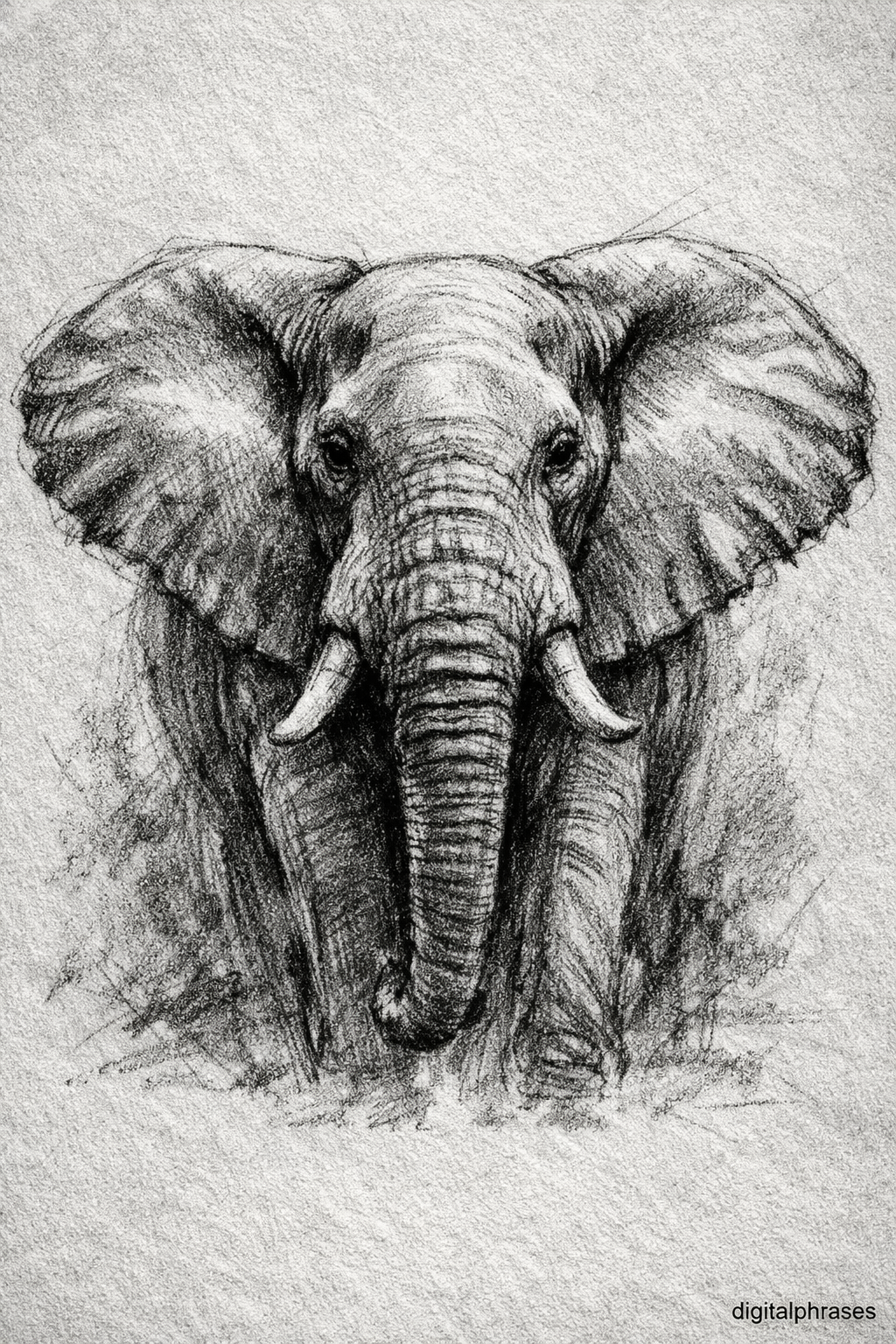
Elephants are known for their impressive ears, which play a major role in their appearance. Make sure the ears are proportionate to the head and have soft, flowing edges. When drawing the face, keep the eyes relatively small compared to the size of the head.
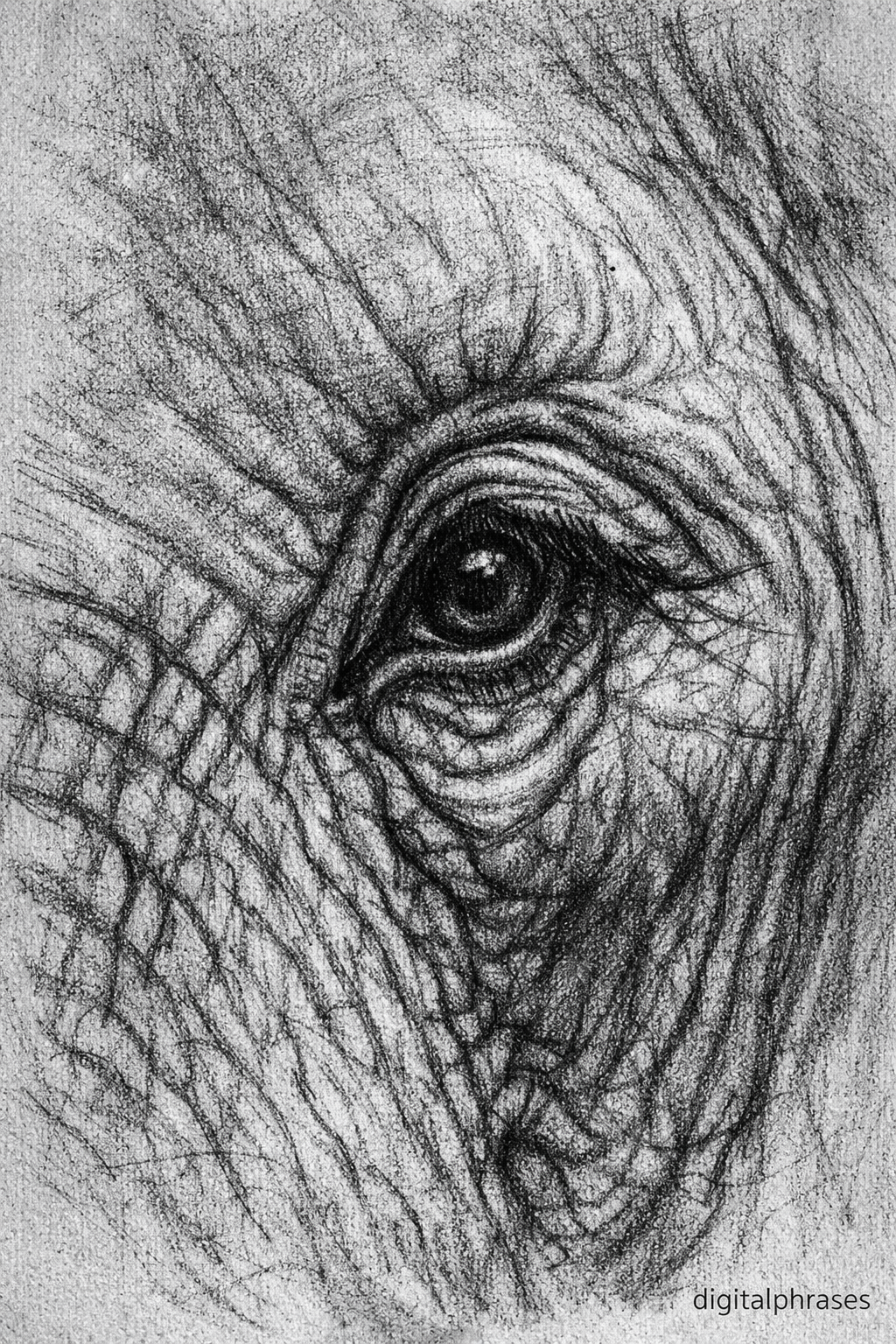
Add details like wrinkles around the eyes and gentle shading to create depth. Paying attention to these facial elements can make your elephant look expressive and realistic rather than flat or cartoonish.
Add Texture With Wrinkles and Skin Details
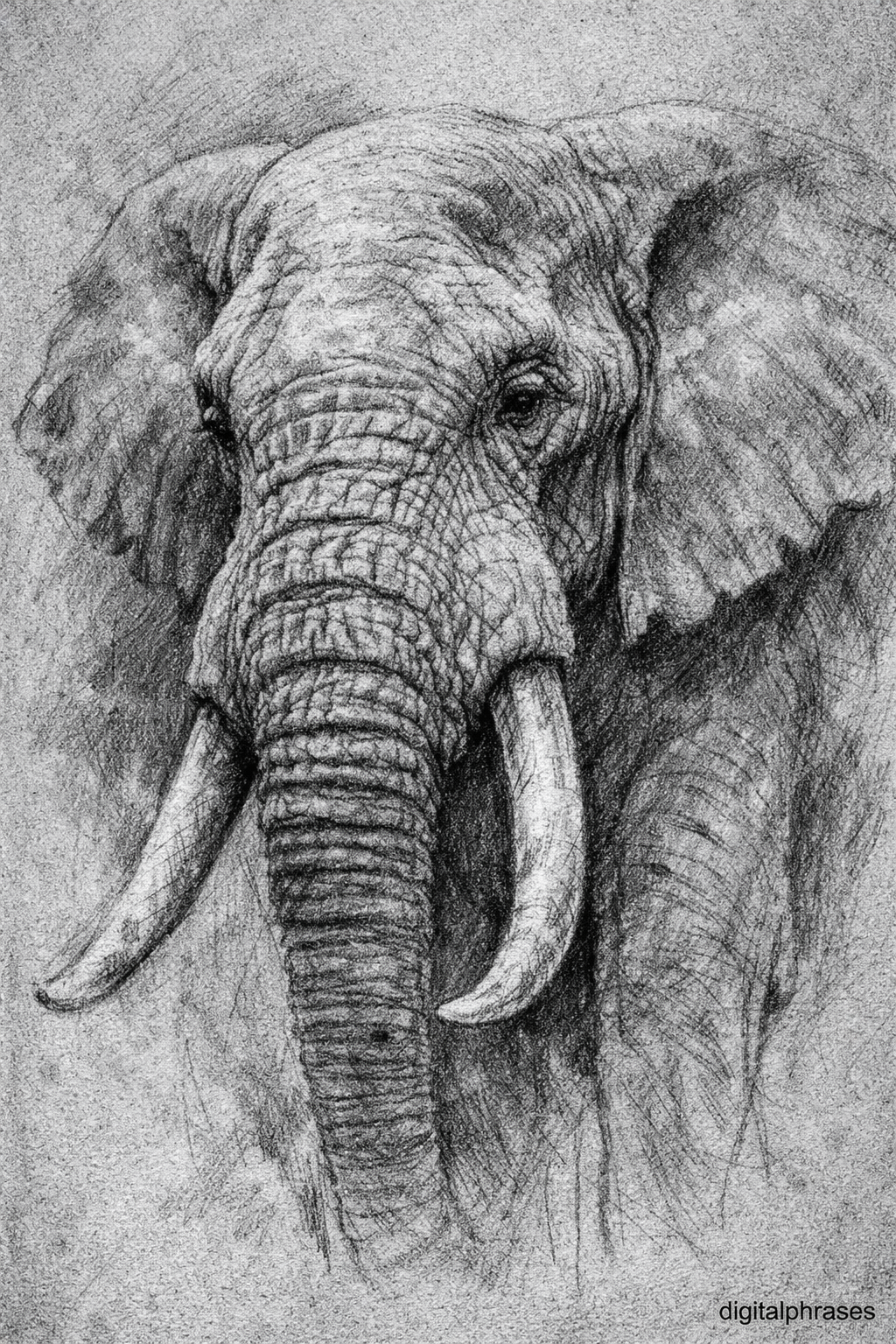
An elephant’s skin is full of texture, folds, and wrinkles. Rather than drawing random lines, study where wrinkles naturally occur, such as around the trunk, knees, neck, and ears. Use light, controlled strokes to suggest texture without overwhelming the drawing.
Varying line thickness and adding subtle shading can help create the rough, thick appearance of elephant skin. These details bring your artwork to life and make it feel more authentic.
Use References and Practice Regularly
Reference images are incredibly helpful when learning how to draw elephants. Studying photographs allows you to understand anatomy, proportions, posture, and texture more accurately.
Try drawing elephants from different angles and in various poses to improve your skills. Consistent practice helps you become more comfortable with the animal’s unique features and builds confidence over time. Even a few quick sketches each week can lead to noticeable improvement and more realistic elephant drawings.