Bird Drawing Ideas
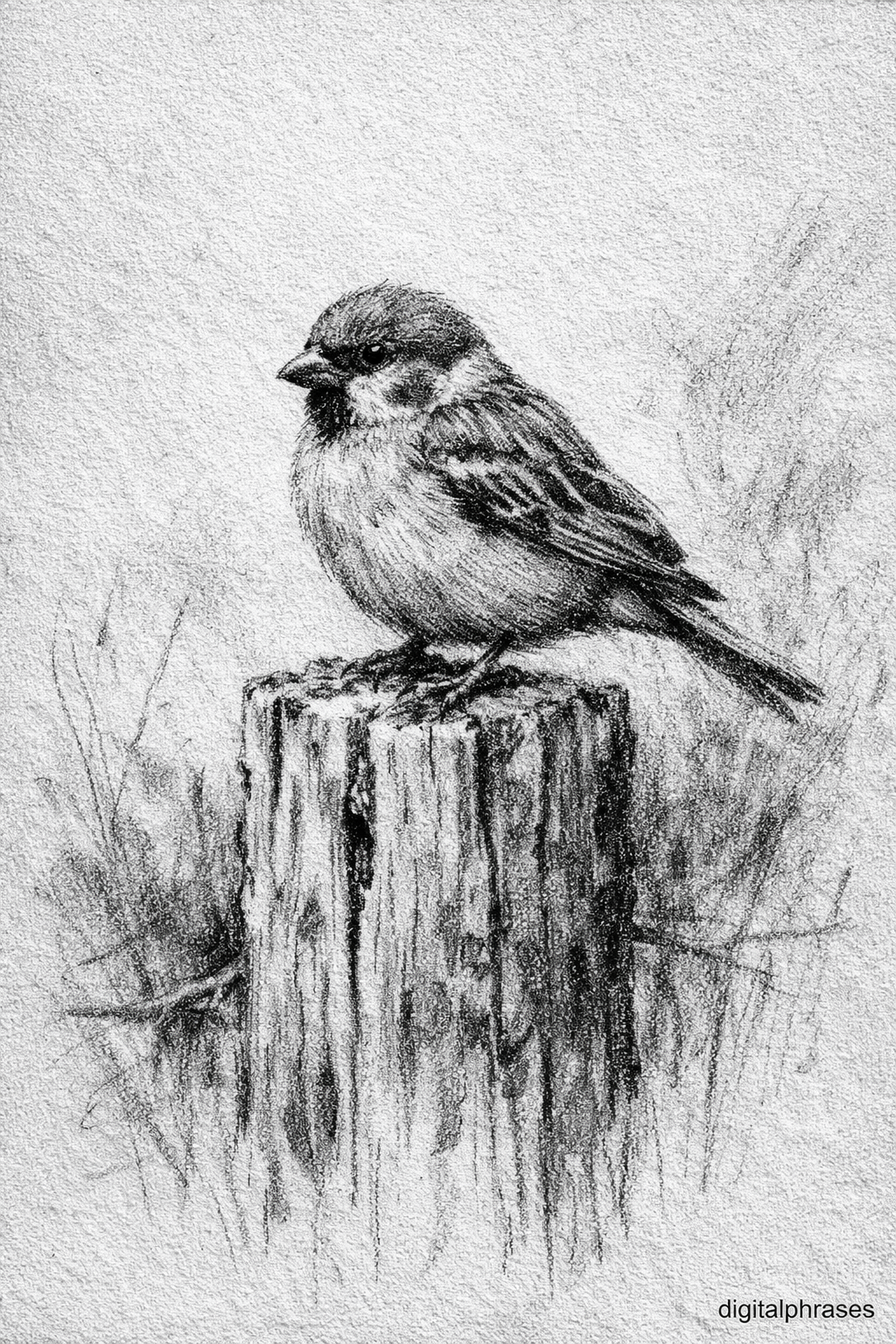
Birds are fascinating subjects for artists of all skill levels. From tiny songbirds and colorful parrots to majestic eagles and owls, there is an incredible variety of shapes, poses, and feather patterns to explore.
Drawing birds is a great way to improve your observation skills while practicing proportions, textures, and movement. In this collection of bird drawing ideas, you’ll find inspiration for a range of styles and difficulty levels.
Bird Drawing Ideas
1
2
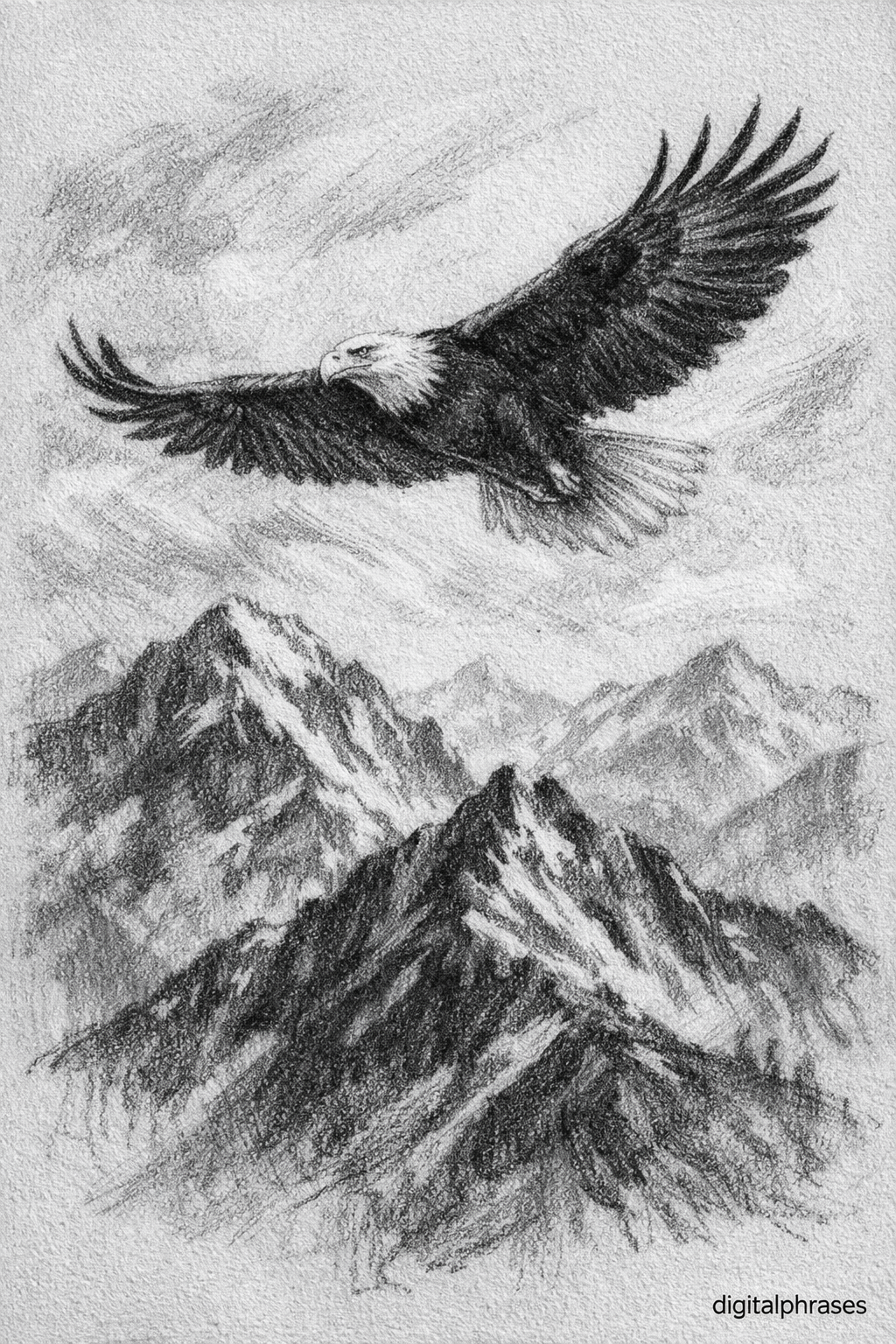
3
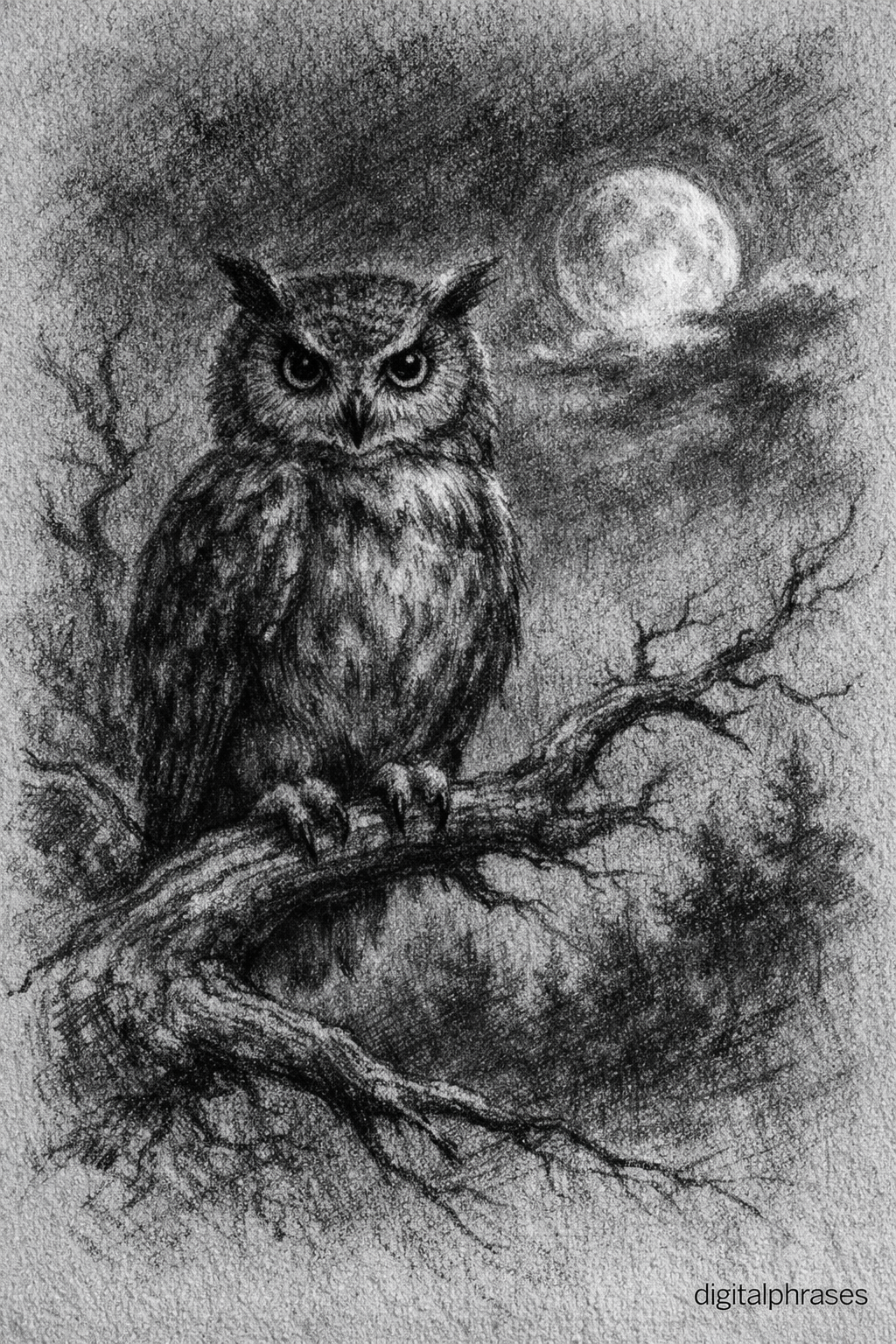
4
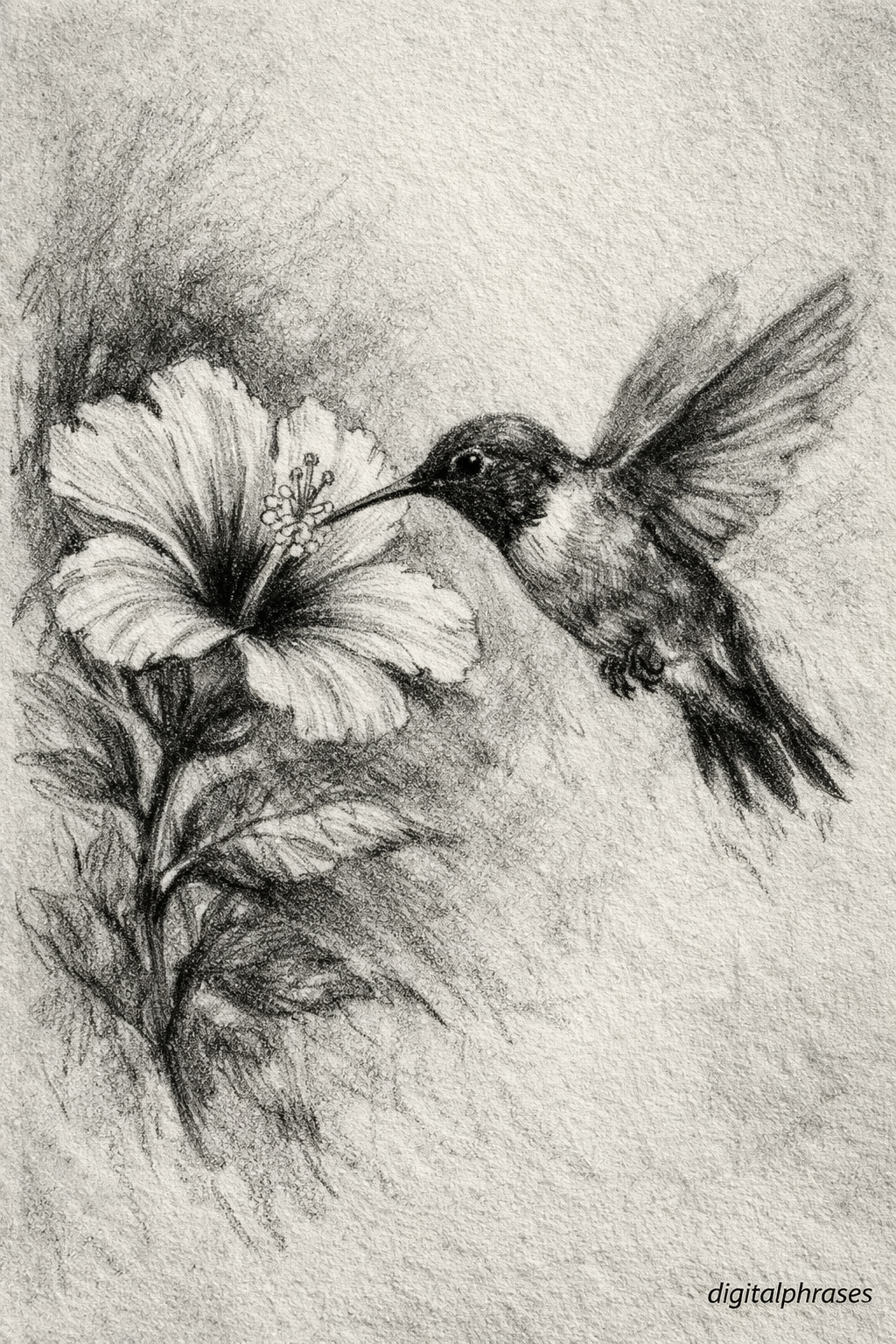
5
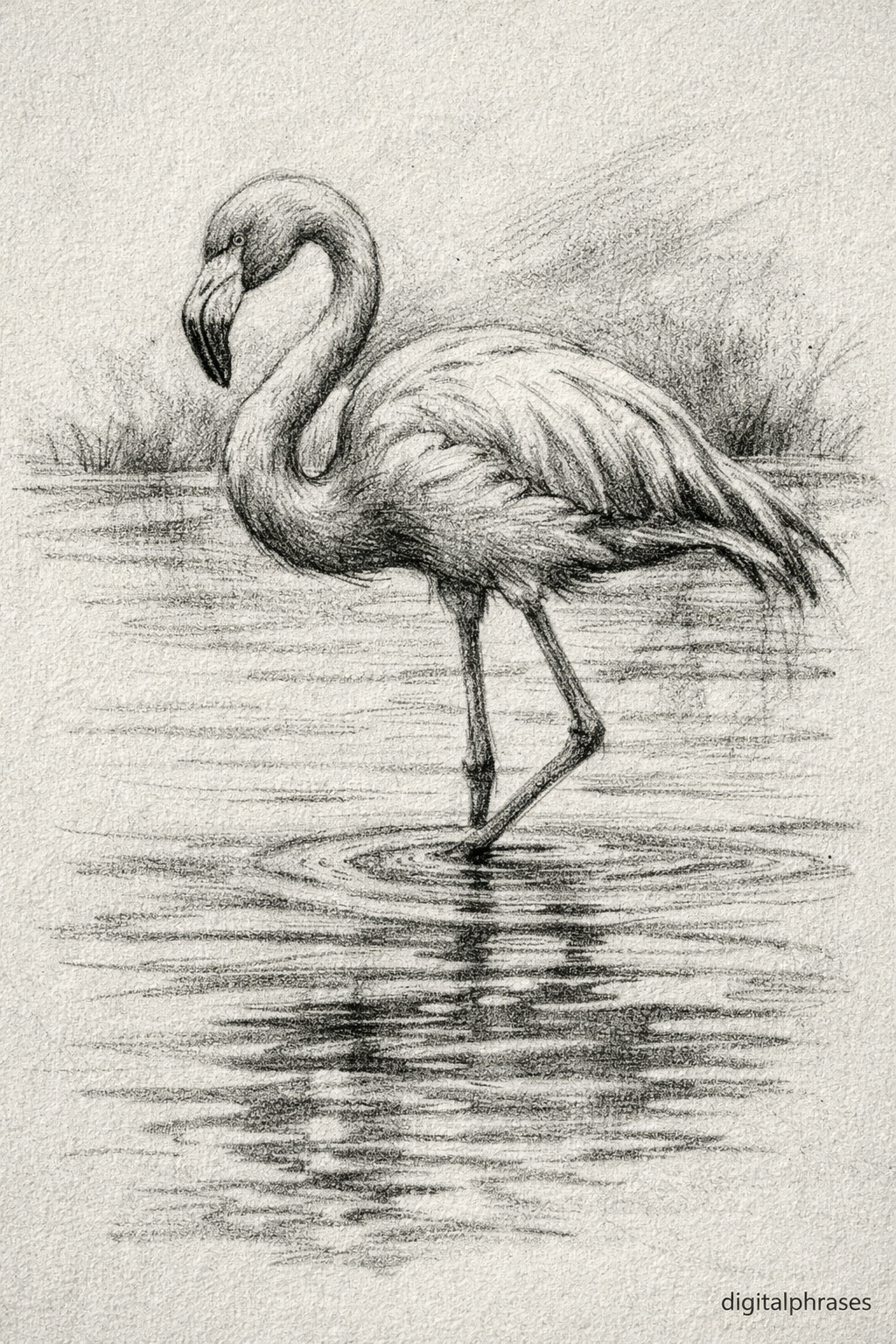
6
7
8
9
10
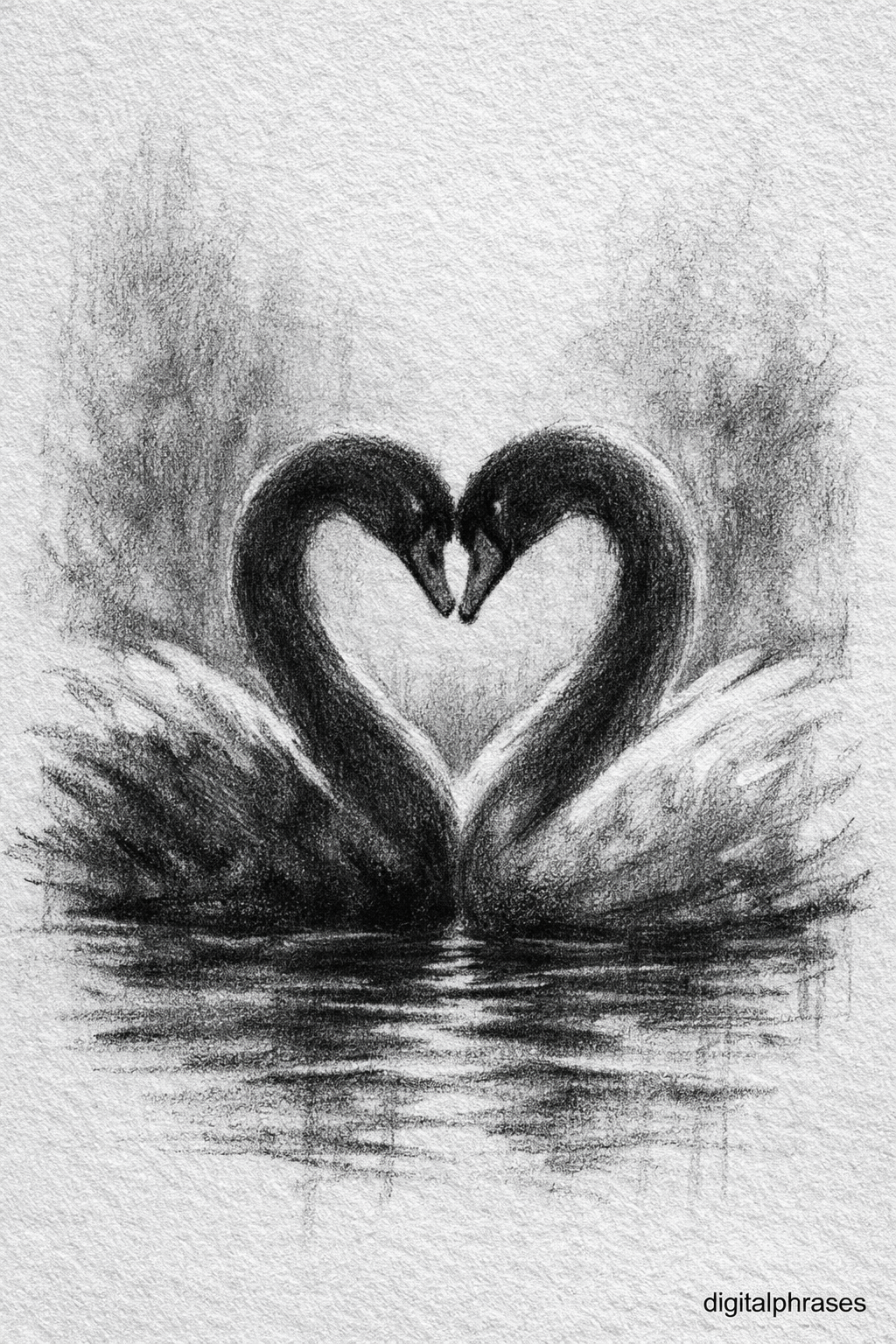
11
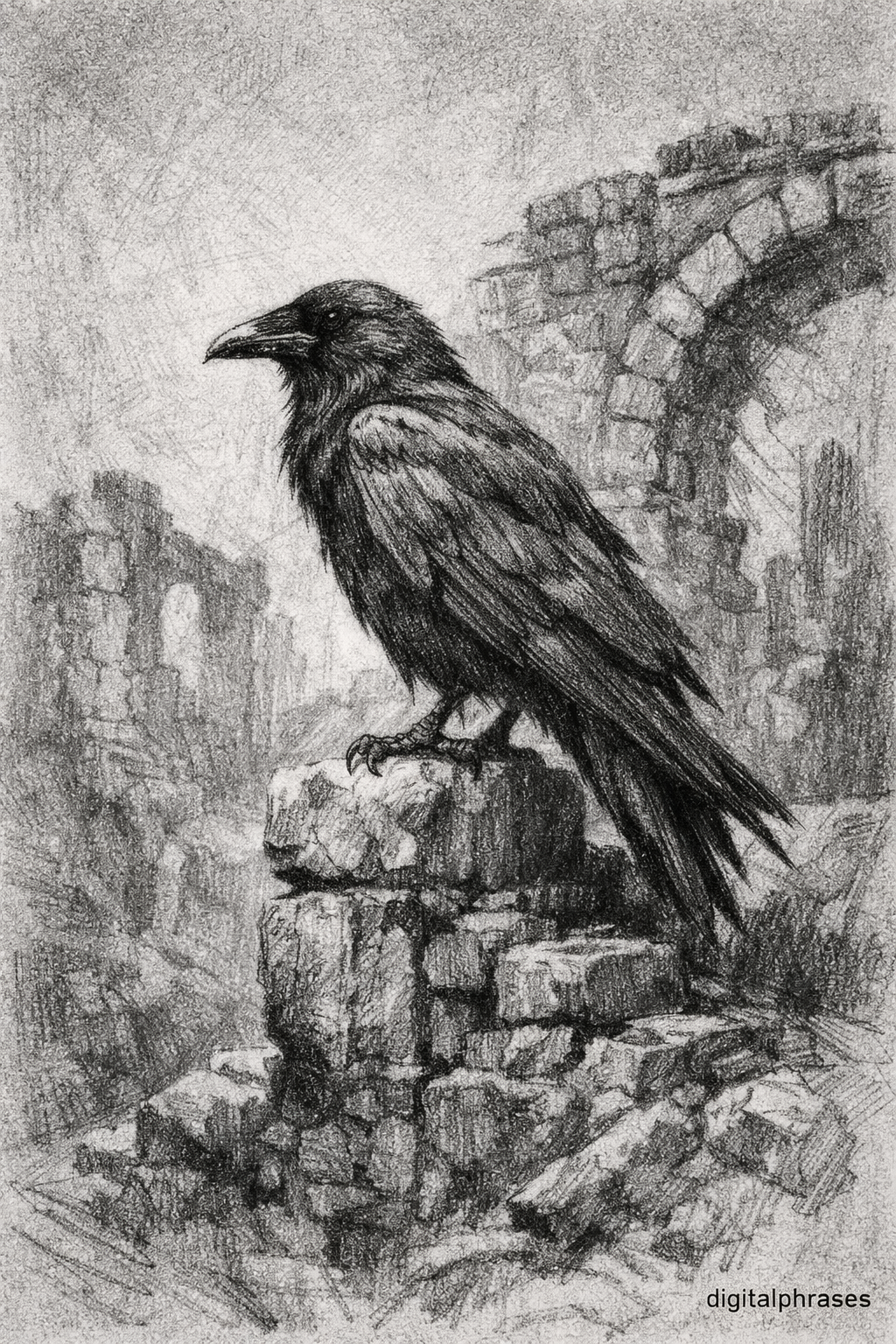
12
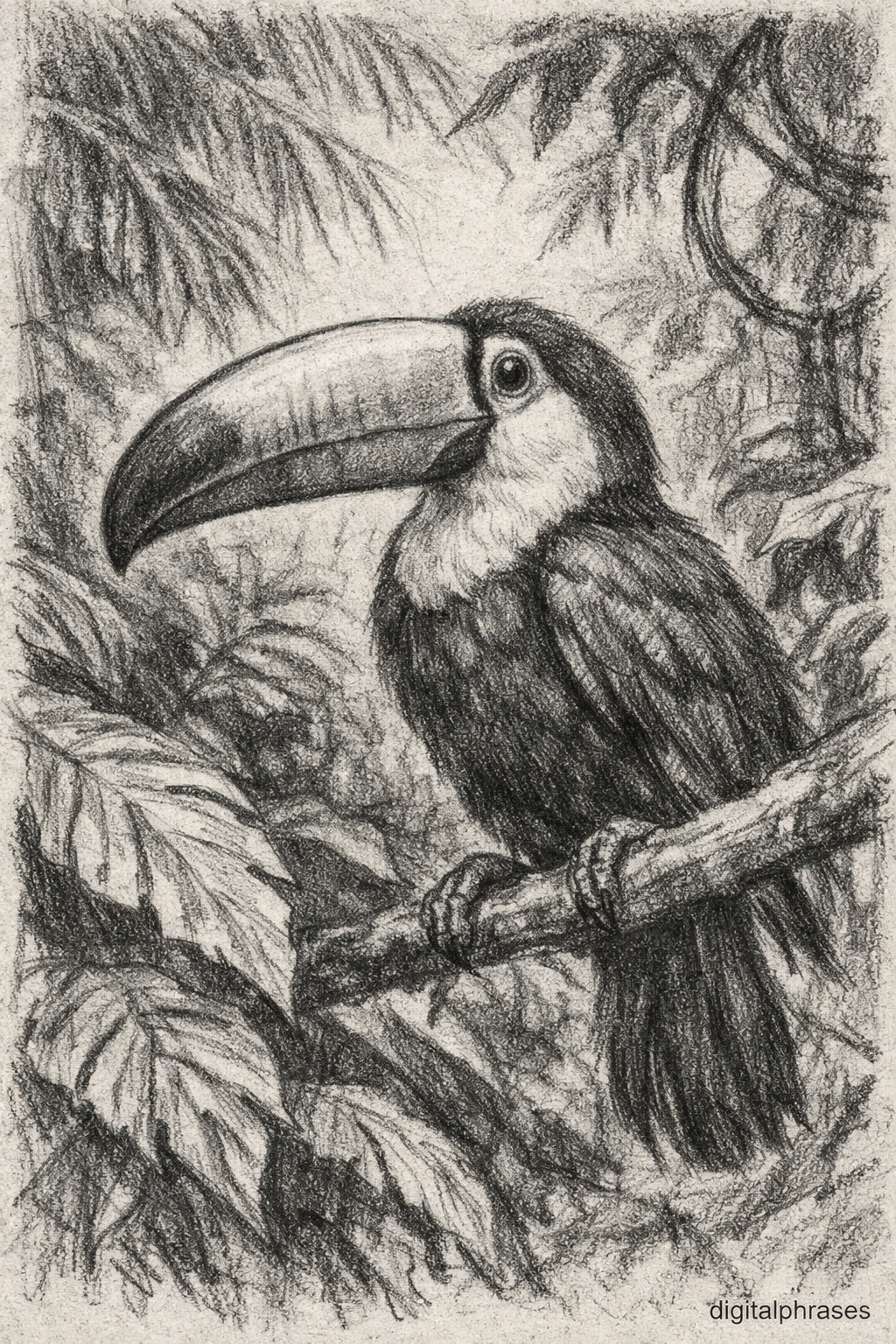
13
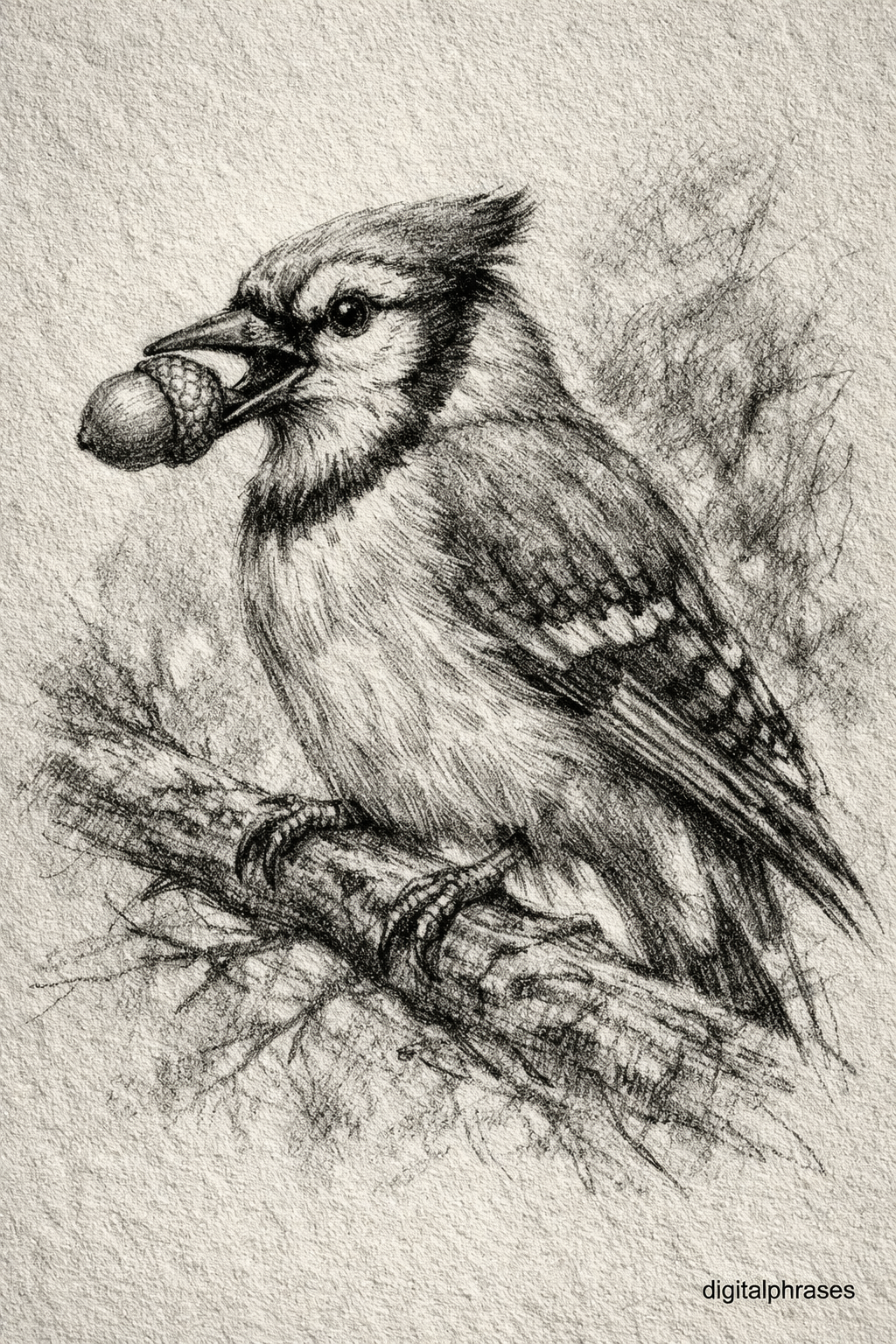
14
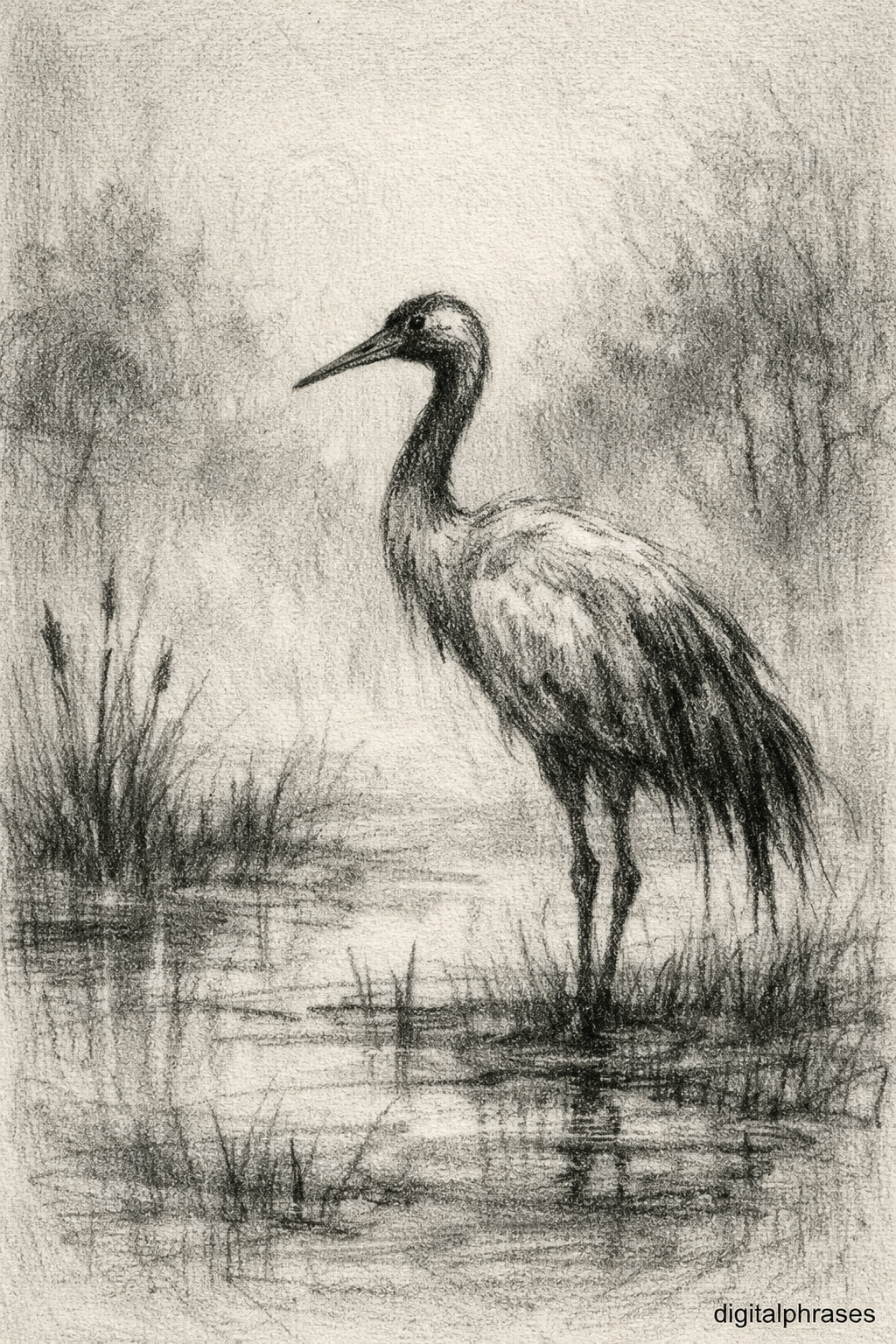
15
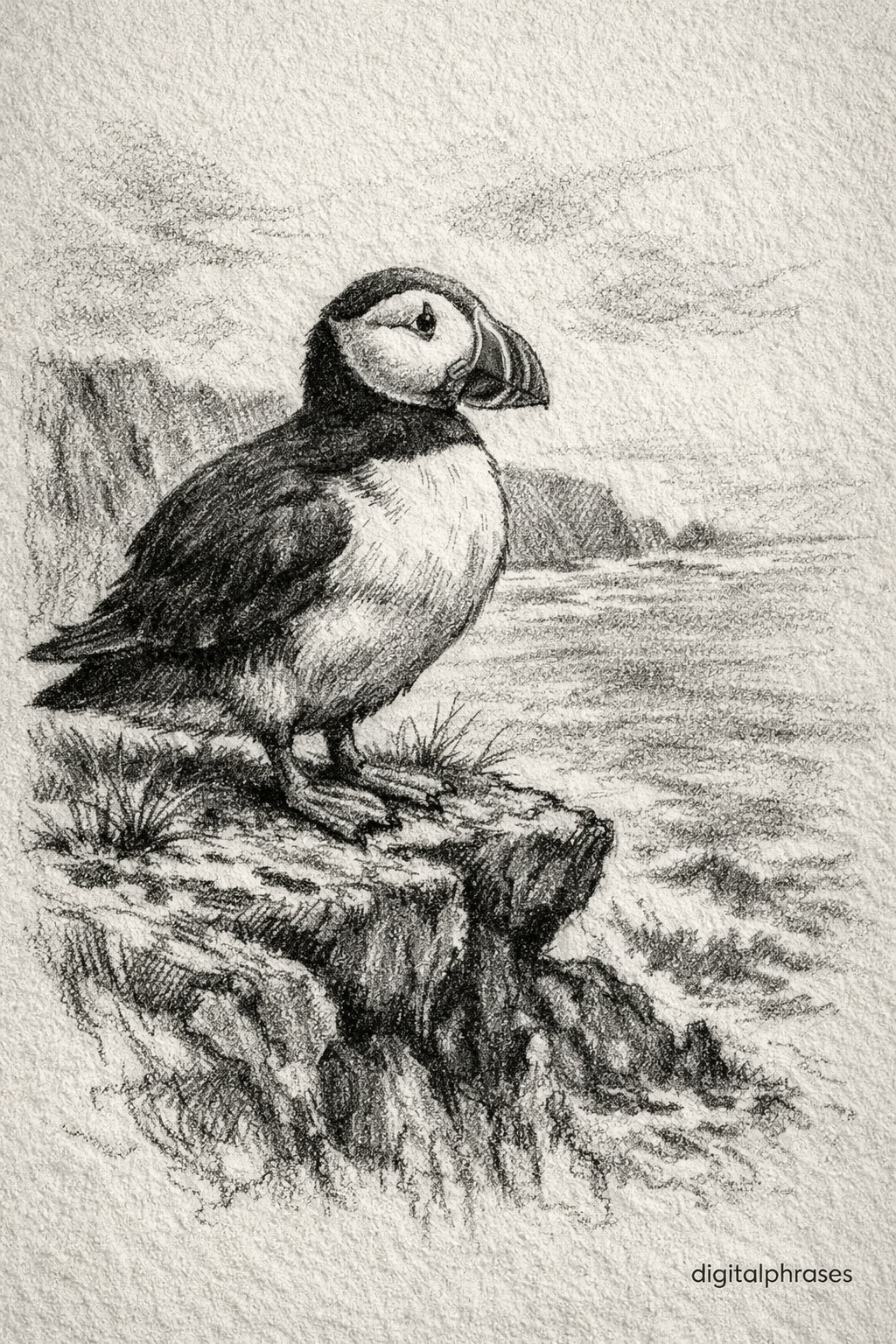
16
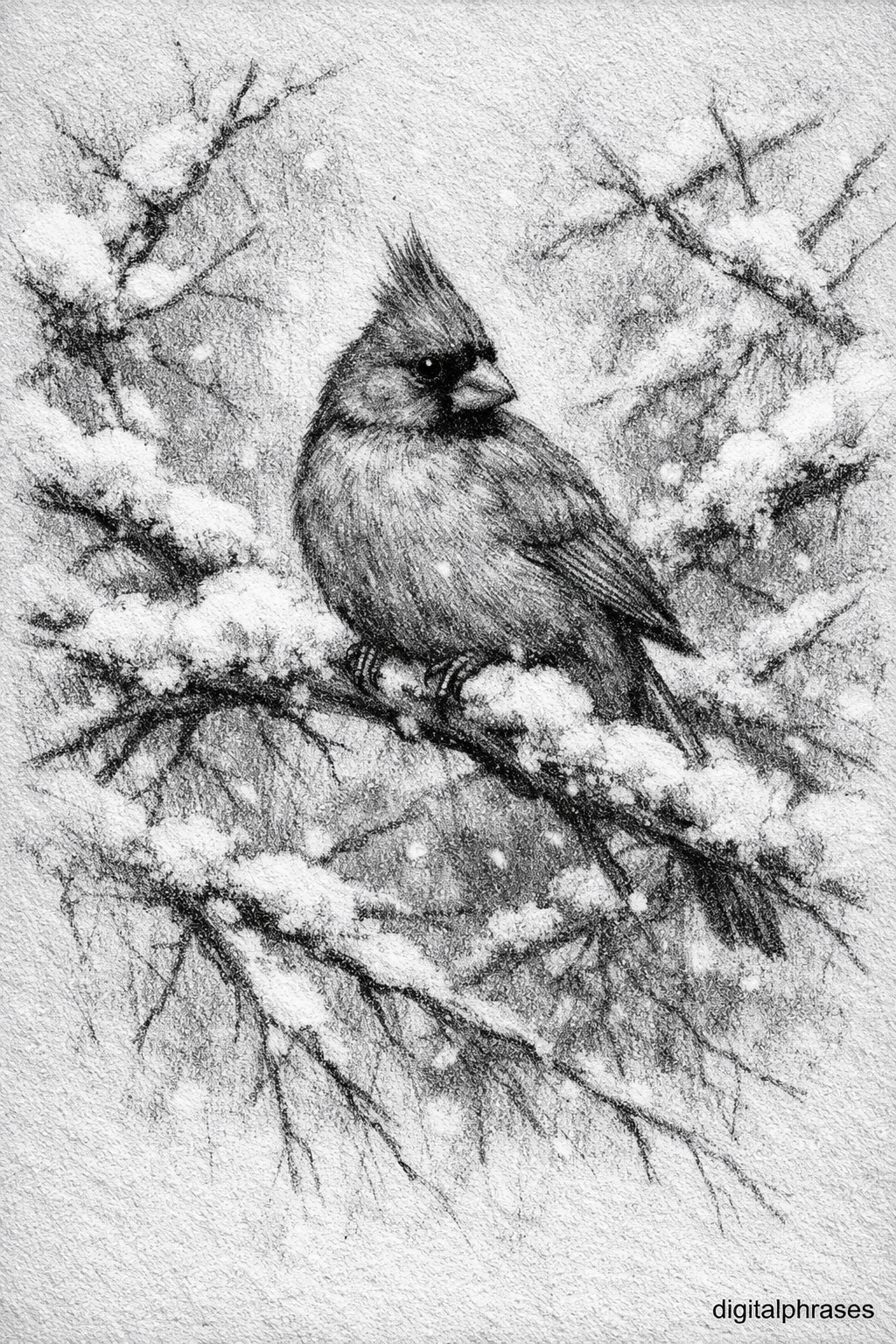
17
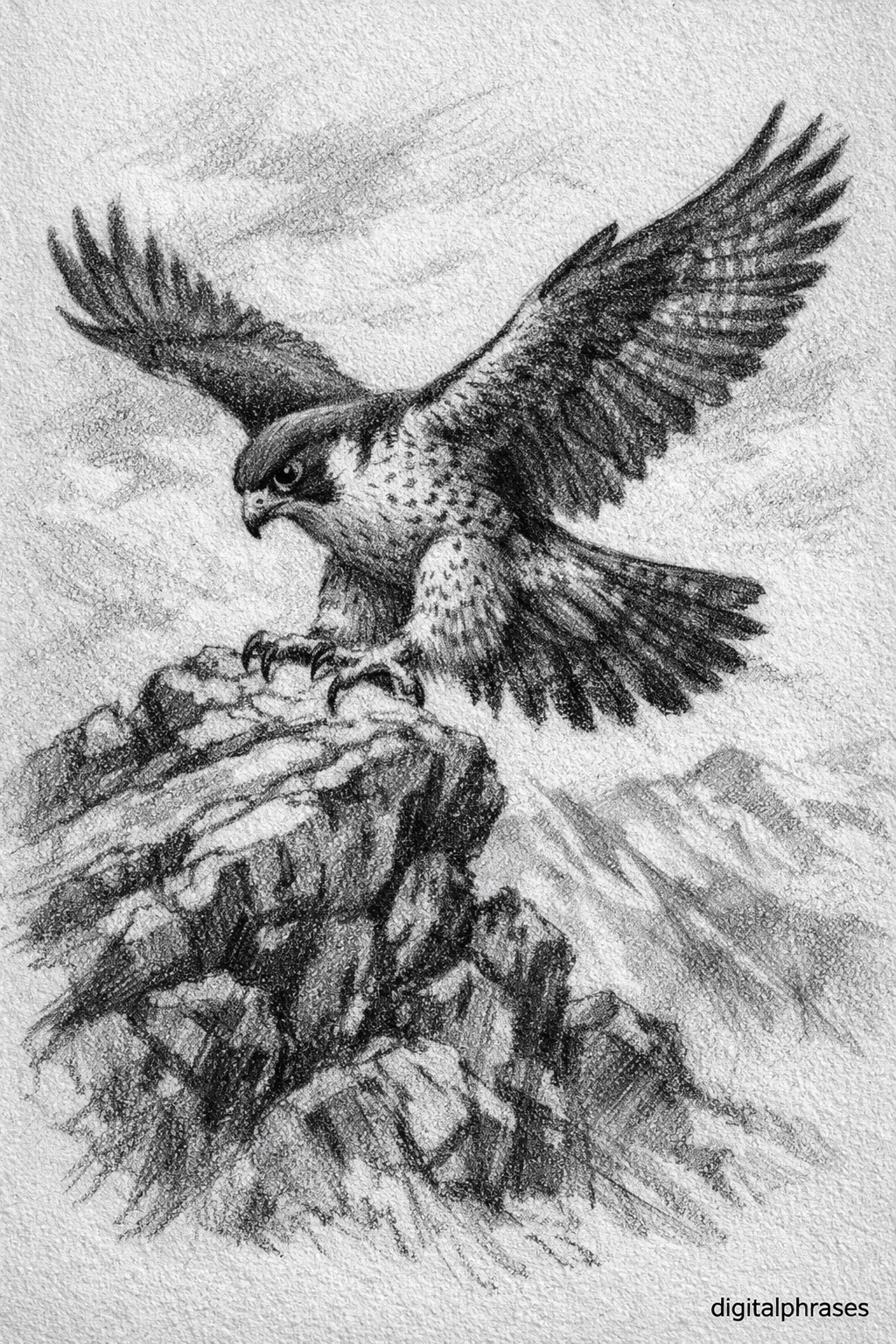
18
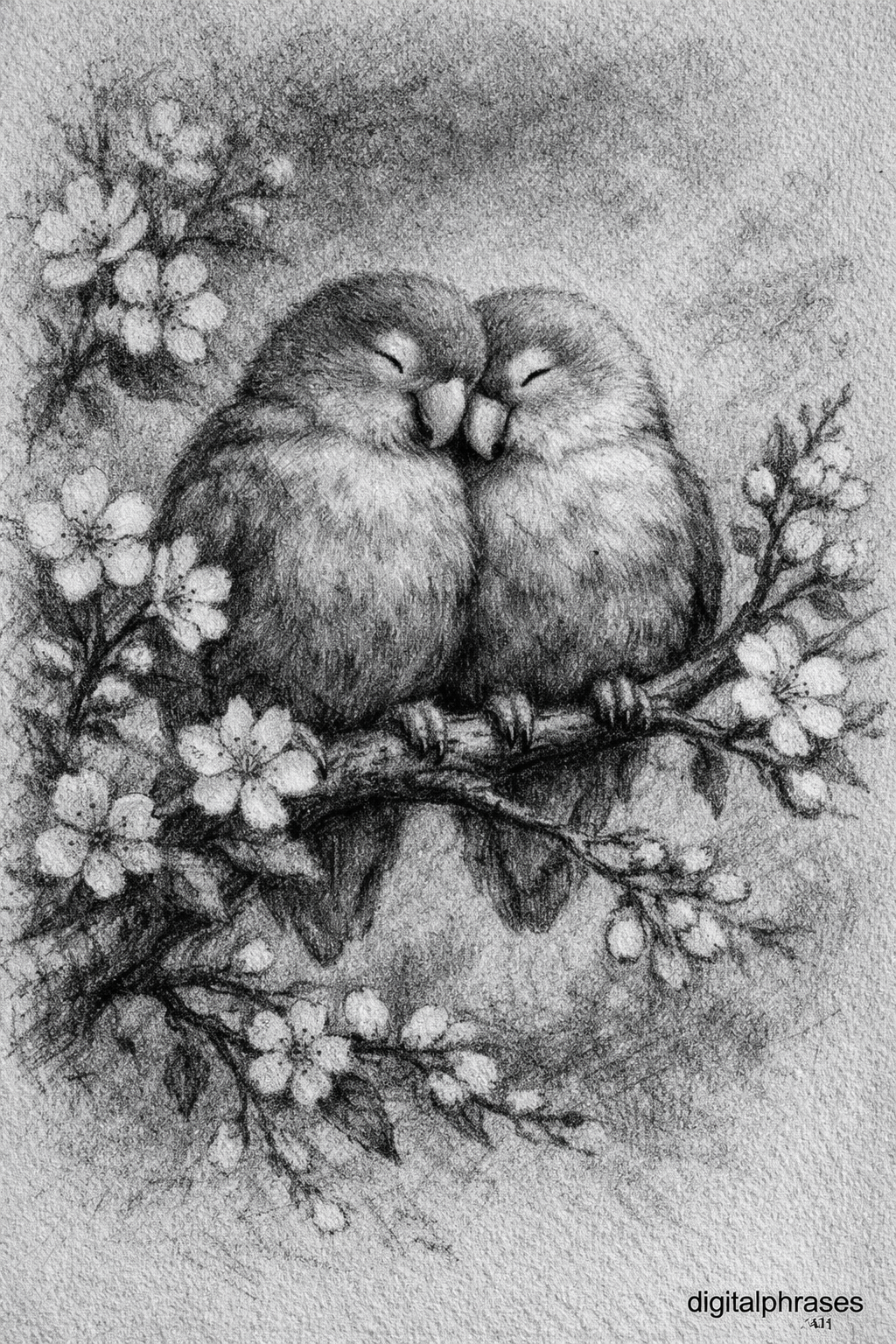
19
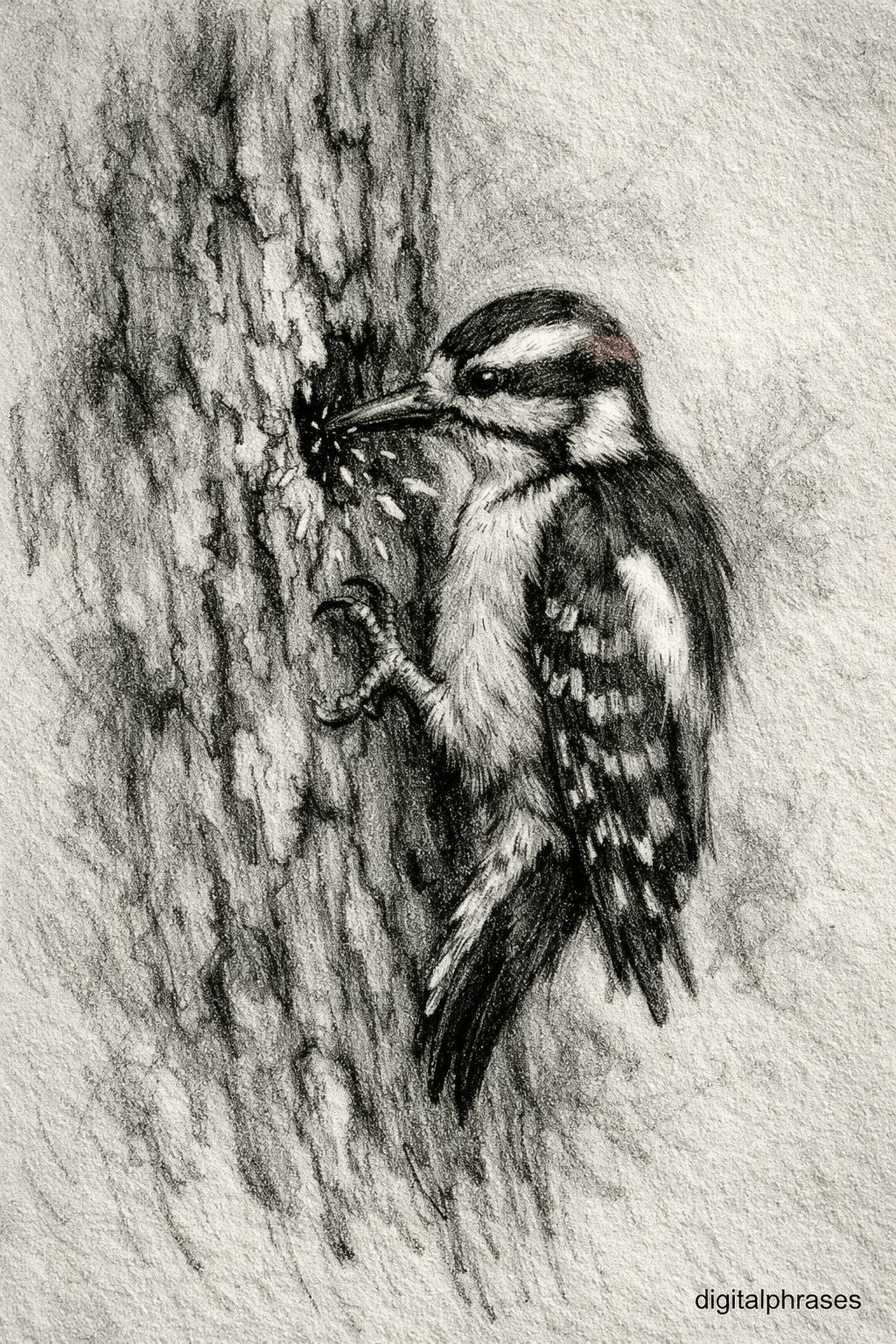
20
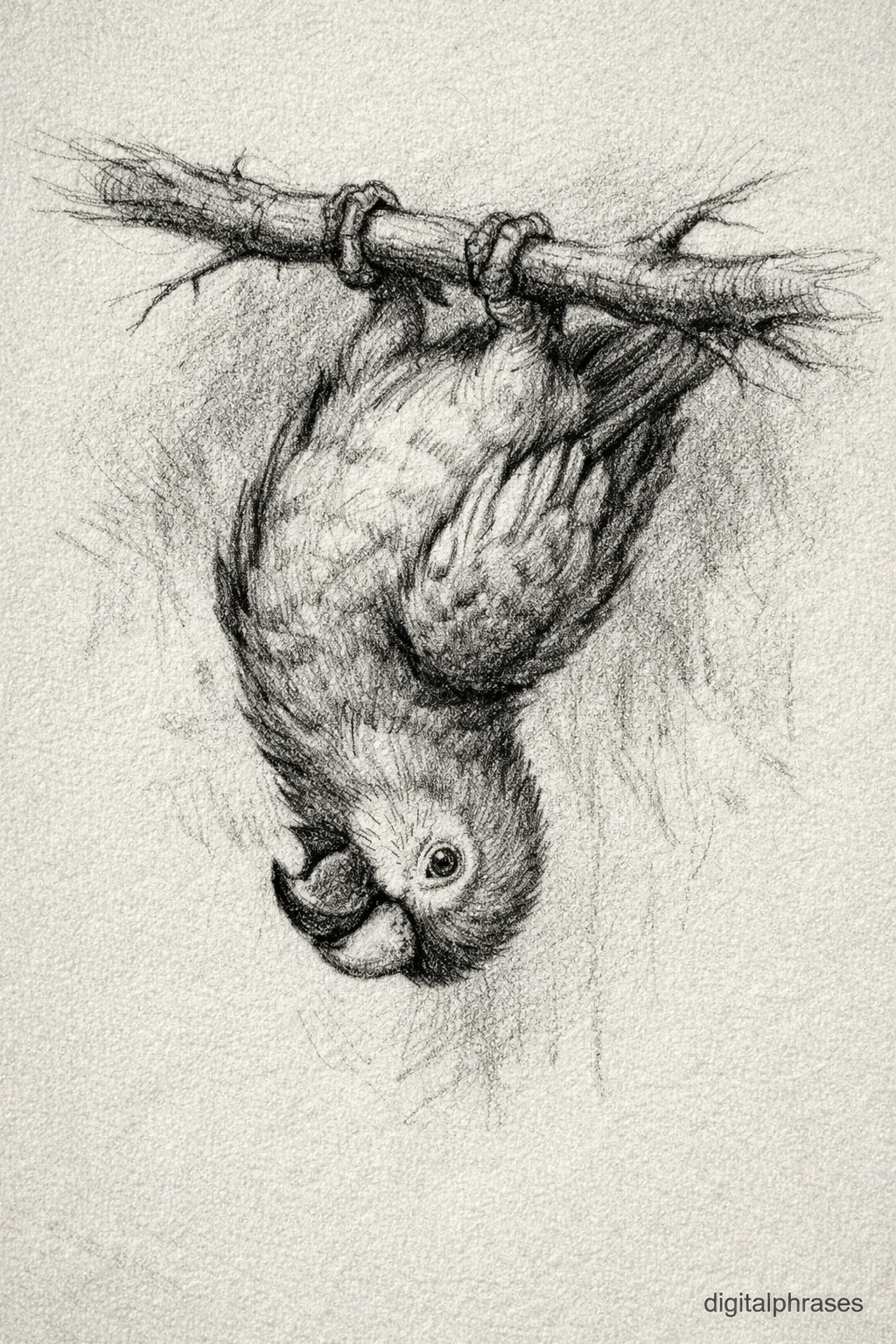
21
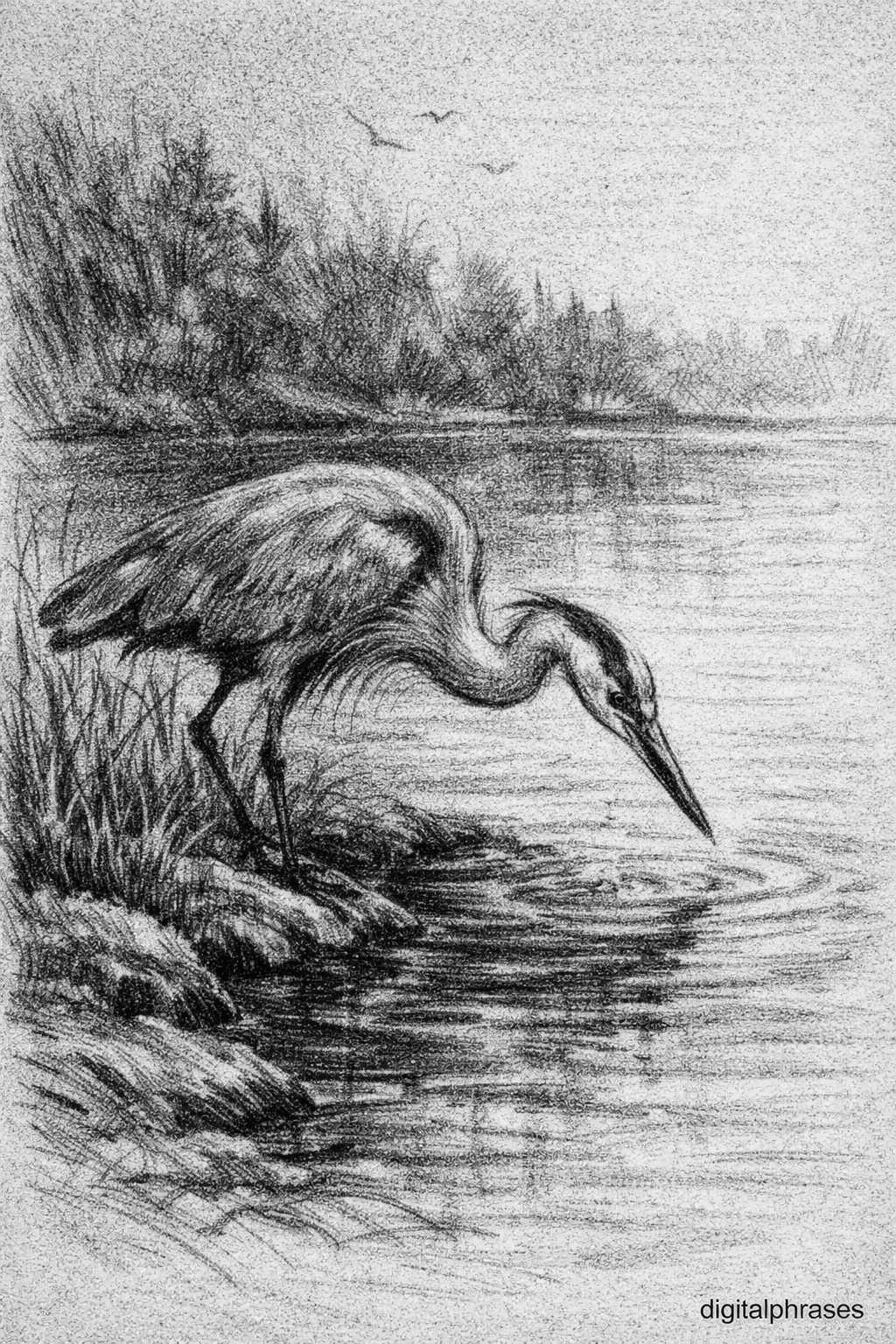
22
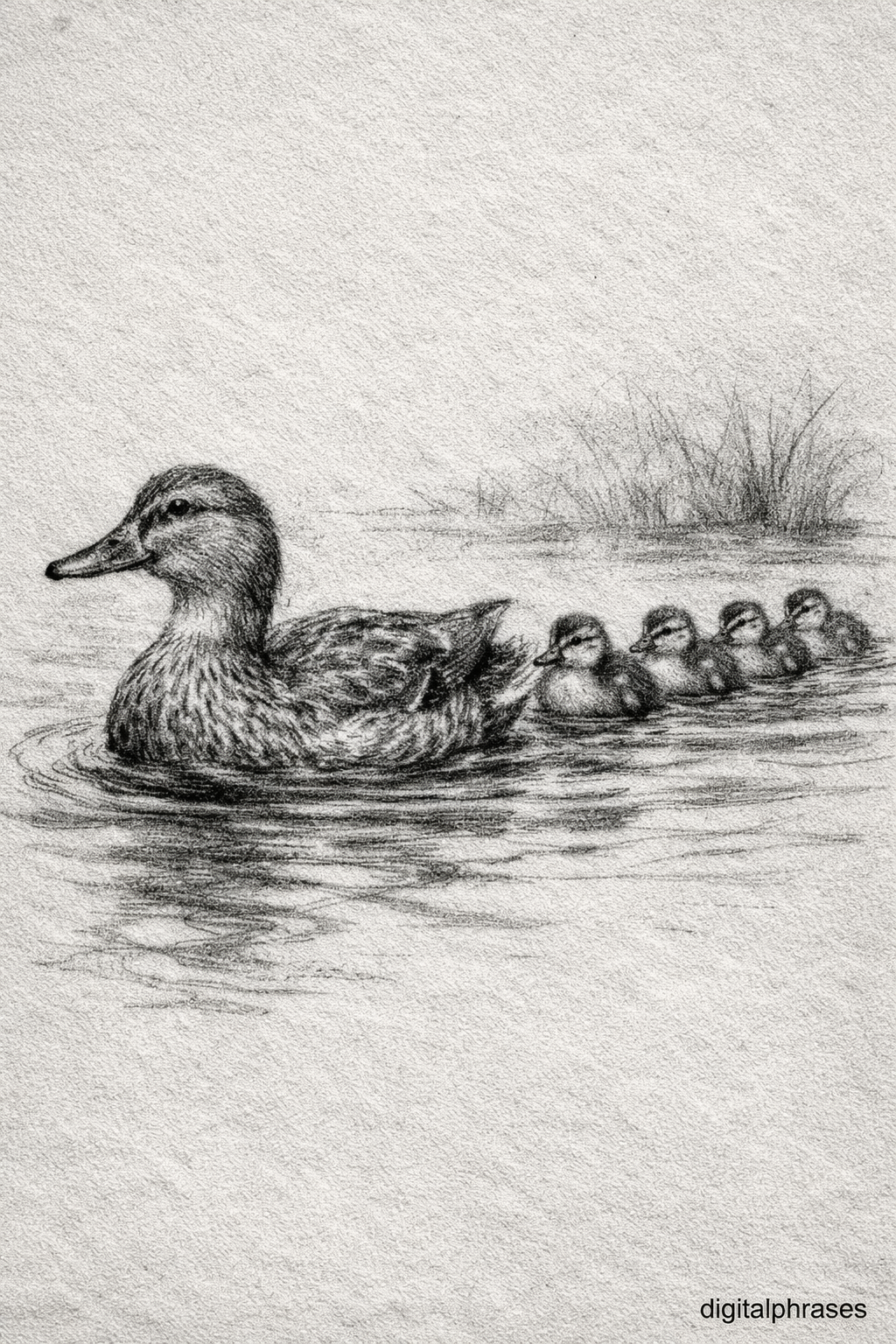
23
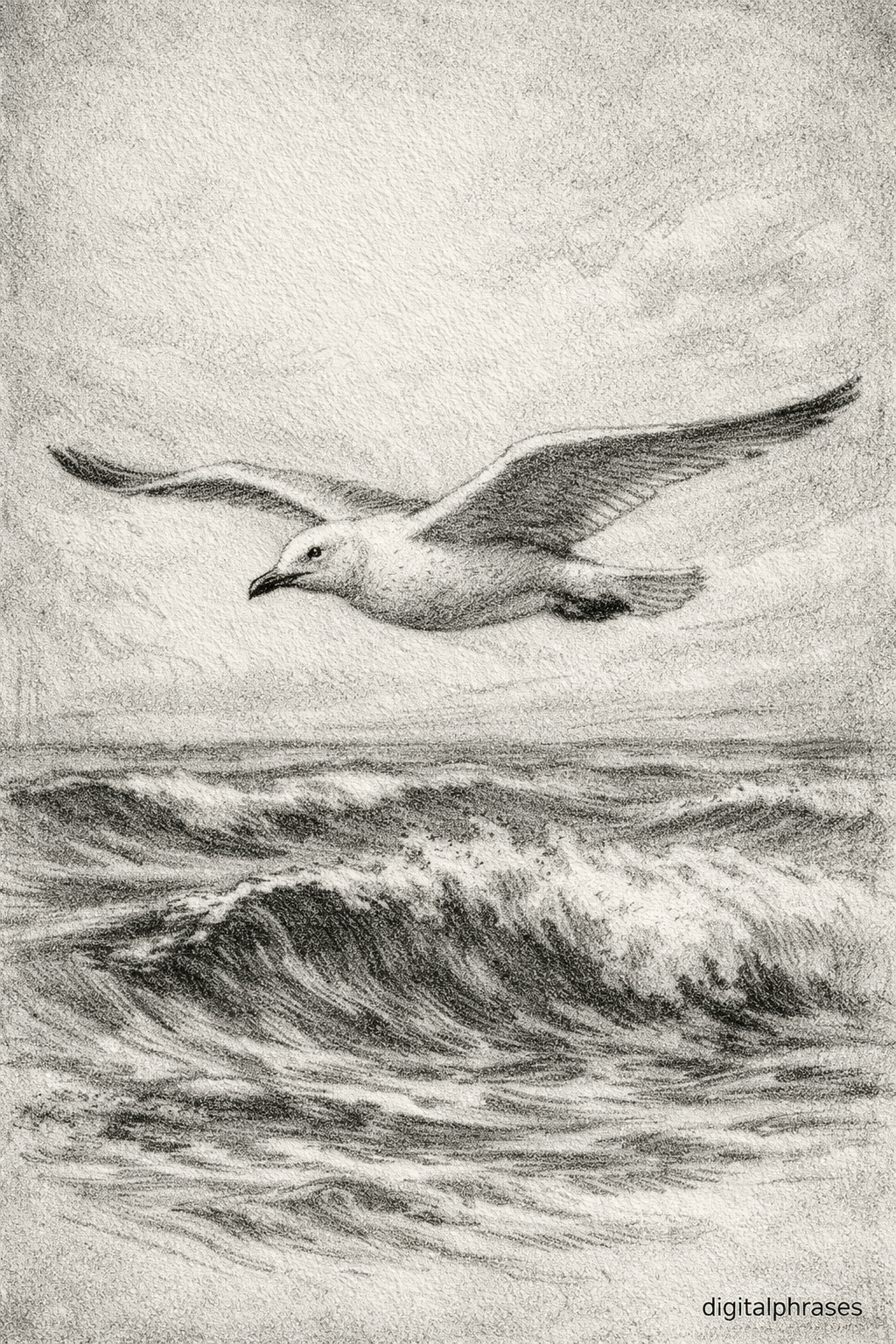
24
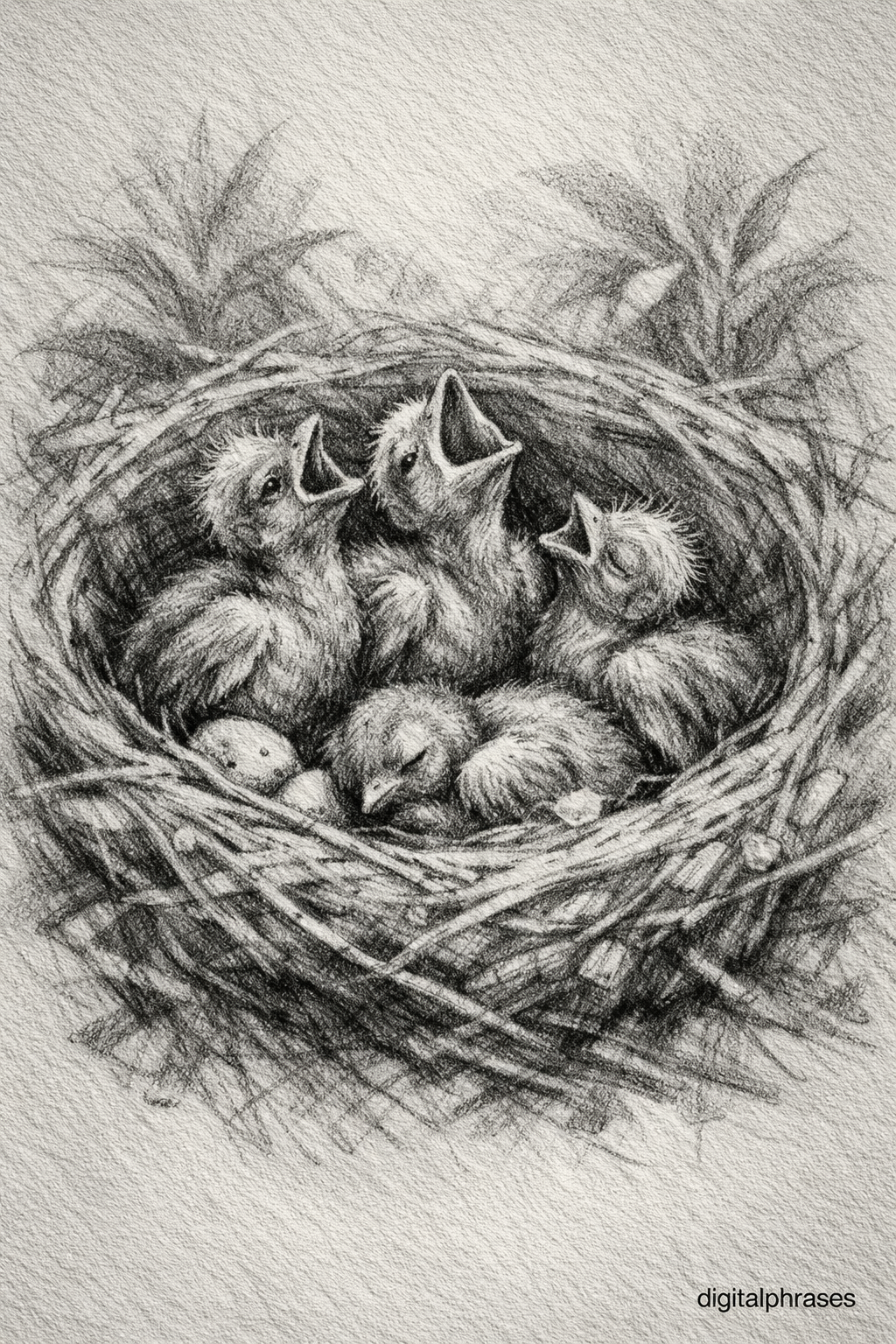
25
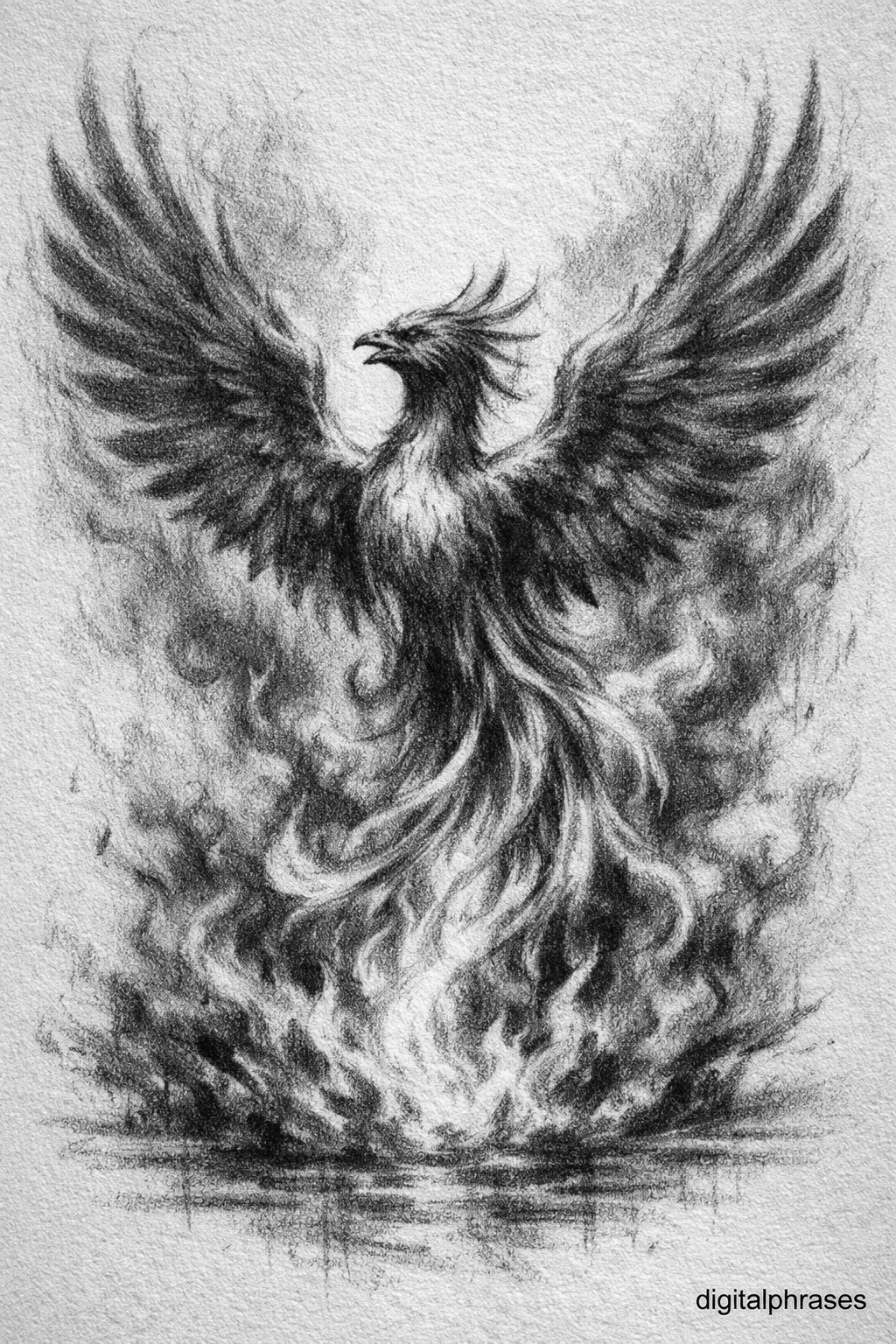
26
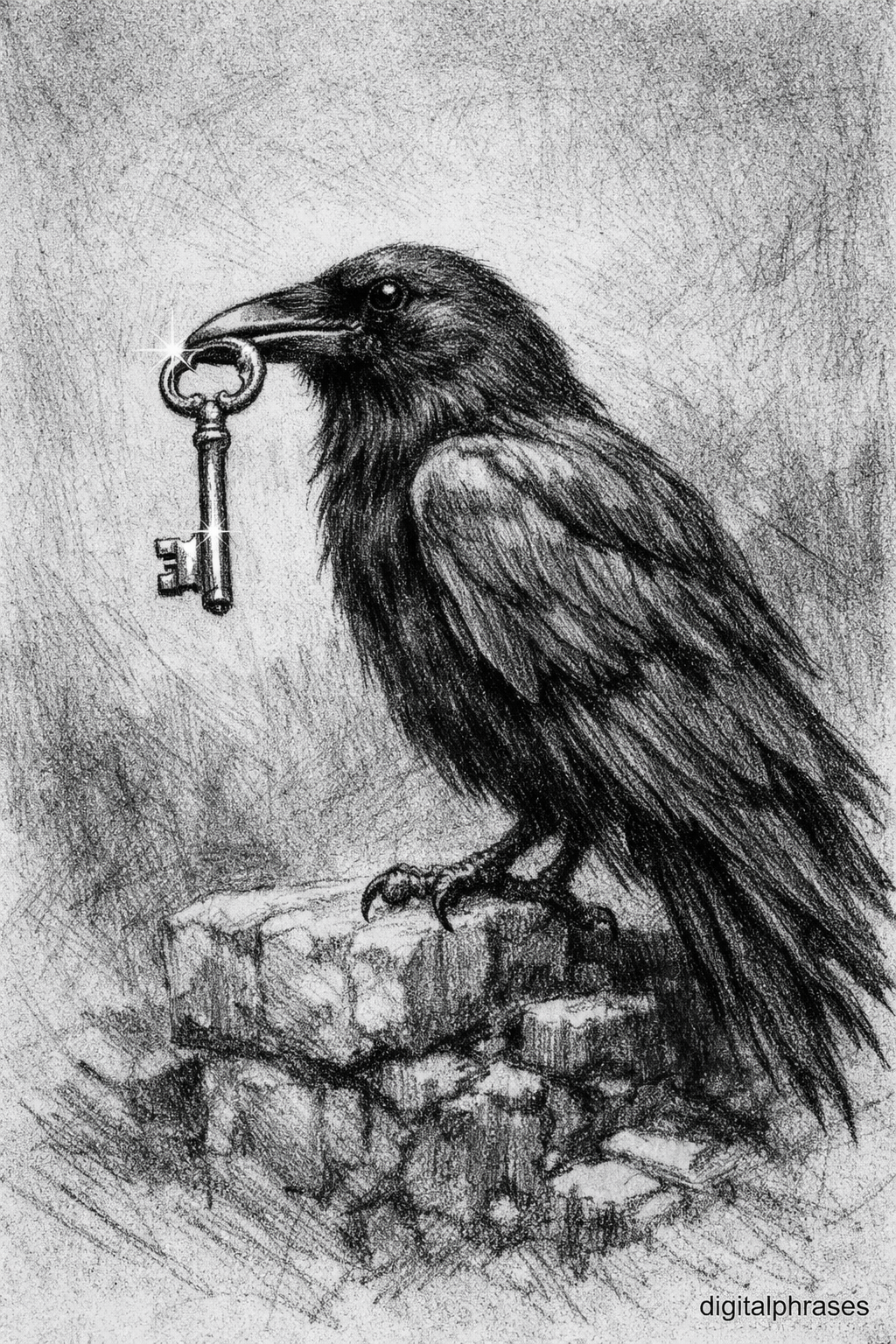
27
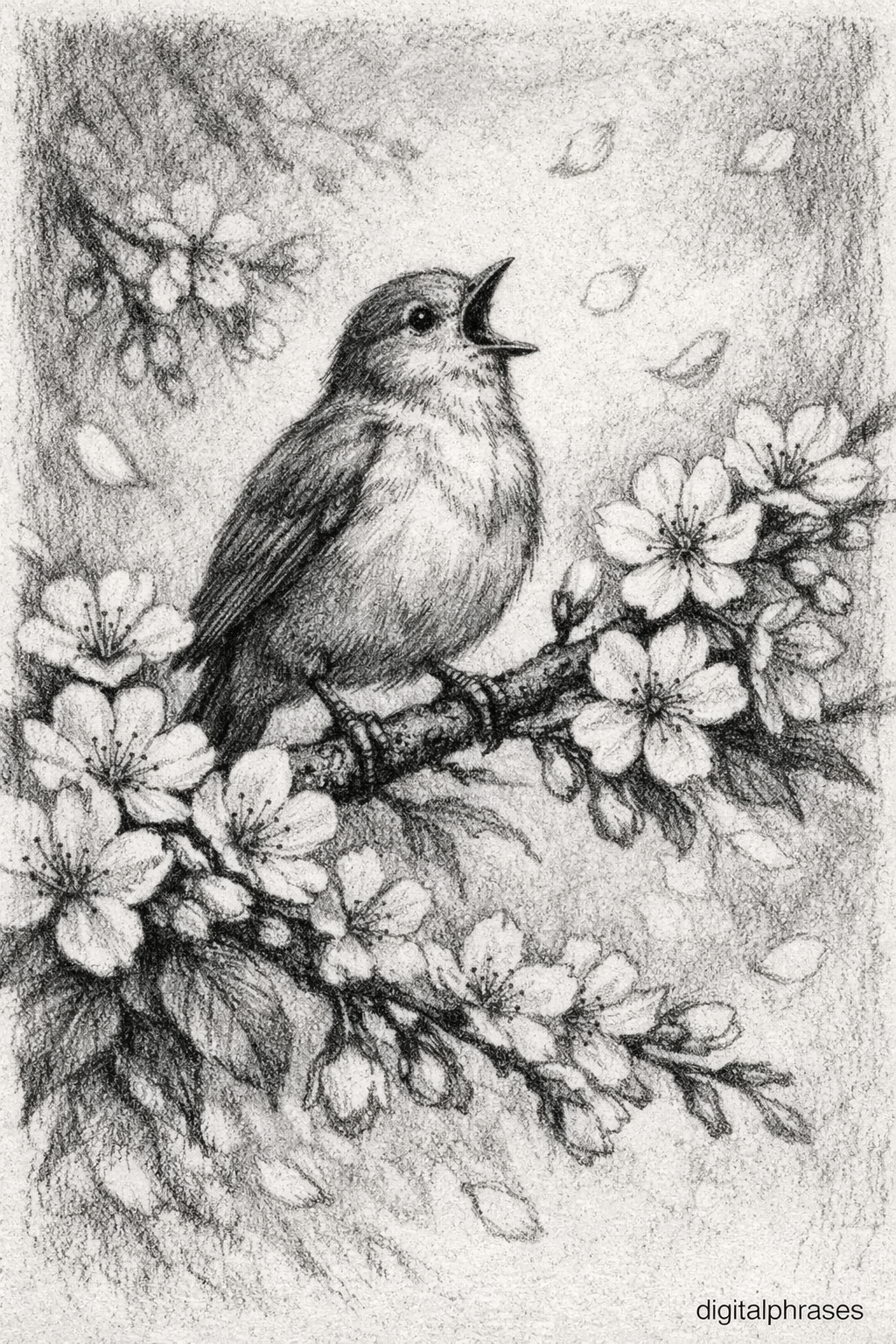
28
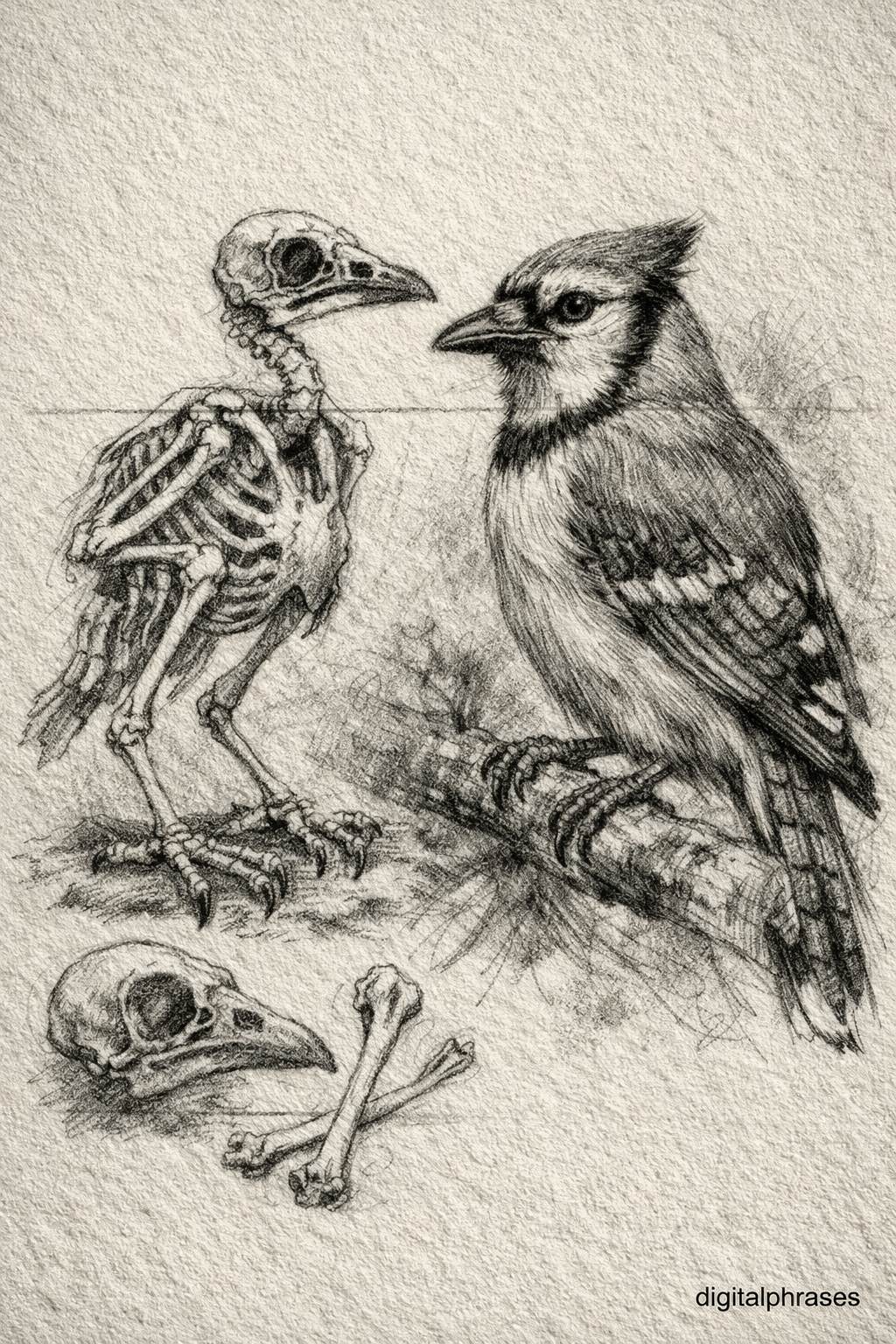
29
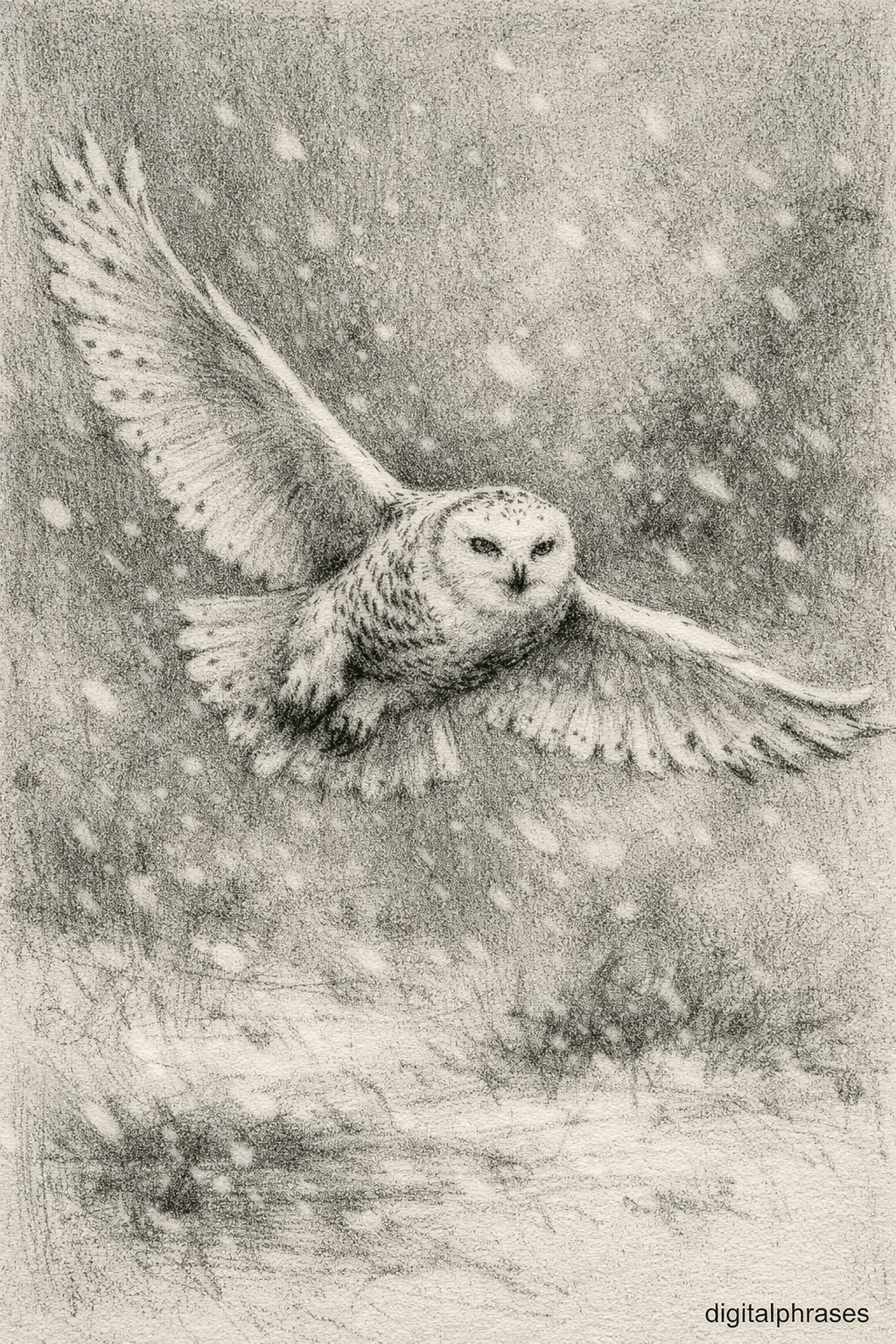
Tips For Drawing a Bird
Start with Simple Shapes
Before drawing any details, sketch the bird using basic geometric shapes. Use a circle for the head, an oval for the body, and simple lines to indicate the neck, tail, and legs. This approach helps you establish the bird’s overall proportions and pose without getting distracted by feathers or fine details. Many beginners try to draw the entire outline at once, which can make it difficult to correct mistakes later. By building the bird from simple forms first, you create a solid foundation that is easy to adjust. Keep your initial lines light so you can erase or refine them as the drawing develops.
Study the Bird’s Anatomy
Understanding the basic anatomy of birds can greatly improve the realism of your drawings. Pay attention to how the head connects to the body, where the wings are positioned, and how the legs support the bird’s weight.
Different species have unique body shapes, beak structures, and feather arrangements, so observing reference photos is very helpful. Notice how the wings fold when the bird is resting and how the tail contributes to balance. Even a little anatomical knowledge can make your artwork look more believable and natural.
Focus on the Overall Pose First
A bird’s pose often communicates its personality and movement. Before adding details, spend time capturing the gesture and posture of the bird. Is it perched calmly, walking on the ground, or preparing to take flight?
Use flowing lines to establish the direction of the body and the angle of the head. A strong pose can make a simple sketch look lively and engaging. Avoid getting caught up in feathers too early; instead, make sure the overall structure and movement feel convincing before refining the drawing.
Use Feathers to Show Form
Feathers should enhance the shape of the bird rather than overwhelm it. Instead of drawing every individual feather, group them into larger sections and focus on the direction in which they grow.
Observe how feathers overlap and follow the contours of the body. This creates a sense of volume and depth while keeping the drawing clean and readable. Adding a few carefully placed feather details can often be more effective than covering the entire bird with intricate textures. Think about the bird’s three-dimensional form as you add feather patterns.
Add Depth with Light and Shadow
Shading is essential for making your bird appear realistic and three-dimensional. Begin by identifying the direction of the light source. Areas facing the light should remain brighter, while areas underneath the wings, belly, or tail may appear darker.
Use gradual transitions between light and shadow to create smooth, natural forms. Pay special attention to the eyes and beak, as subtle shading can make these features stand out. Practicing light and shadow techniques will help transform a flat sketch into a more lifelike and visually appealing bird drawing.