22 Drawings of Male Poses
Drawing male poses can feel challenging, especially when you’re trying to capture movement, balance, and natural body language. The key isn’t perfection—it’s observation and practice.
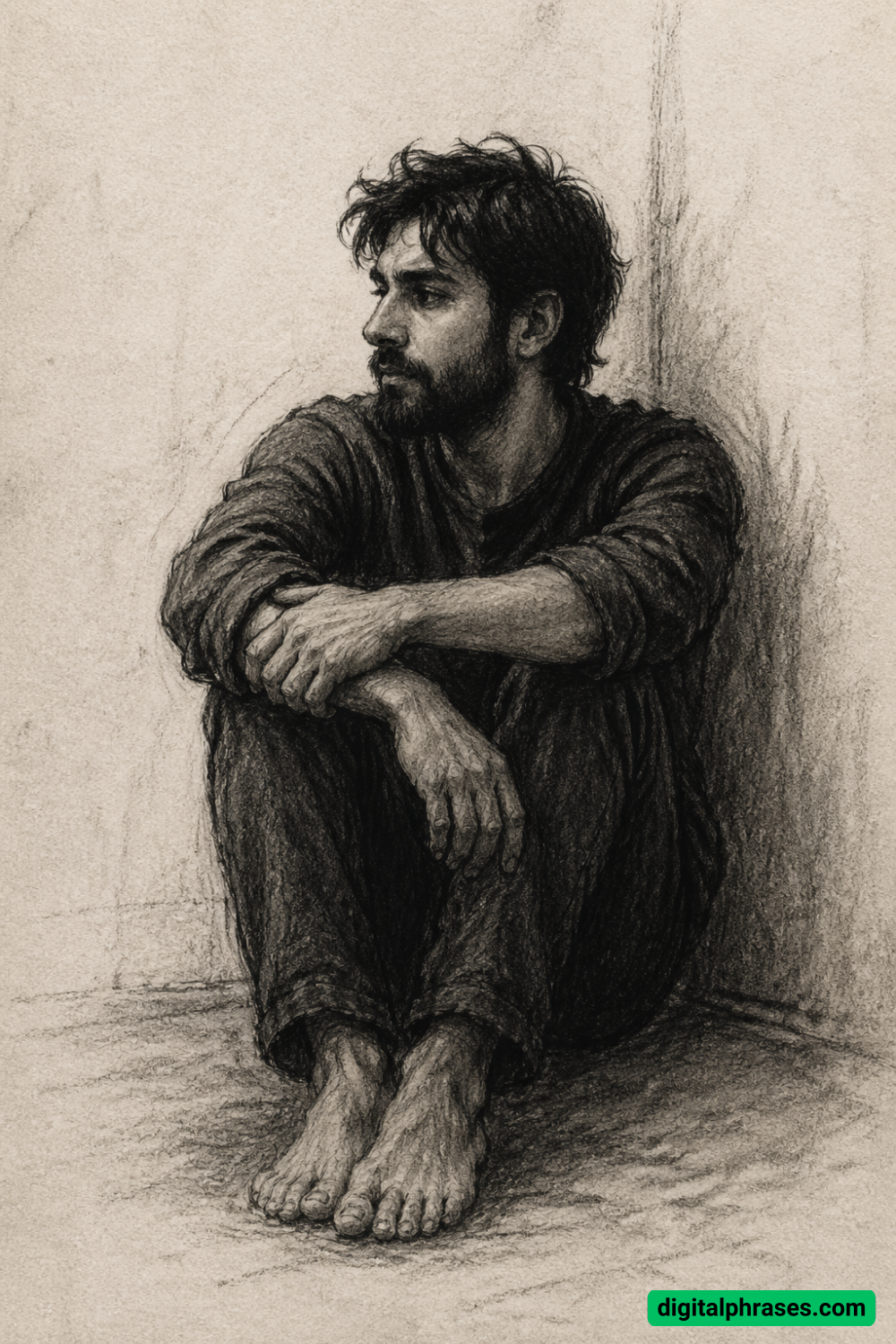
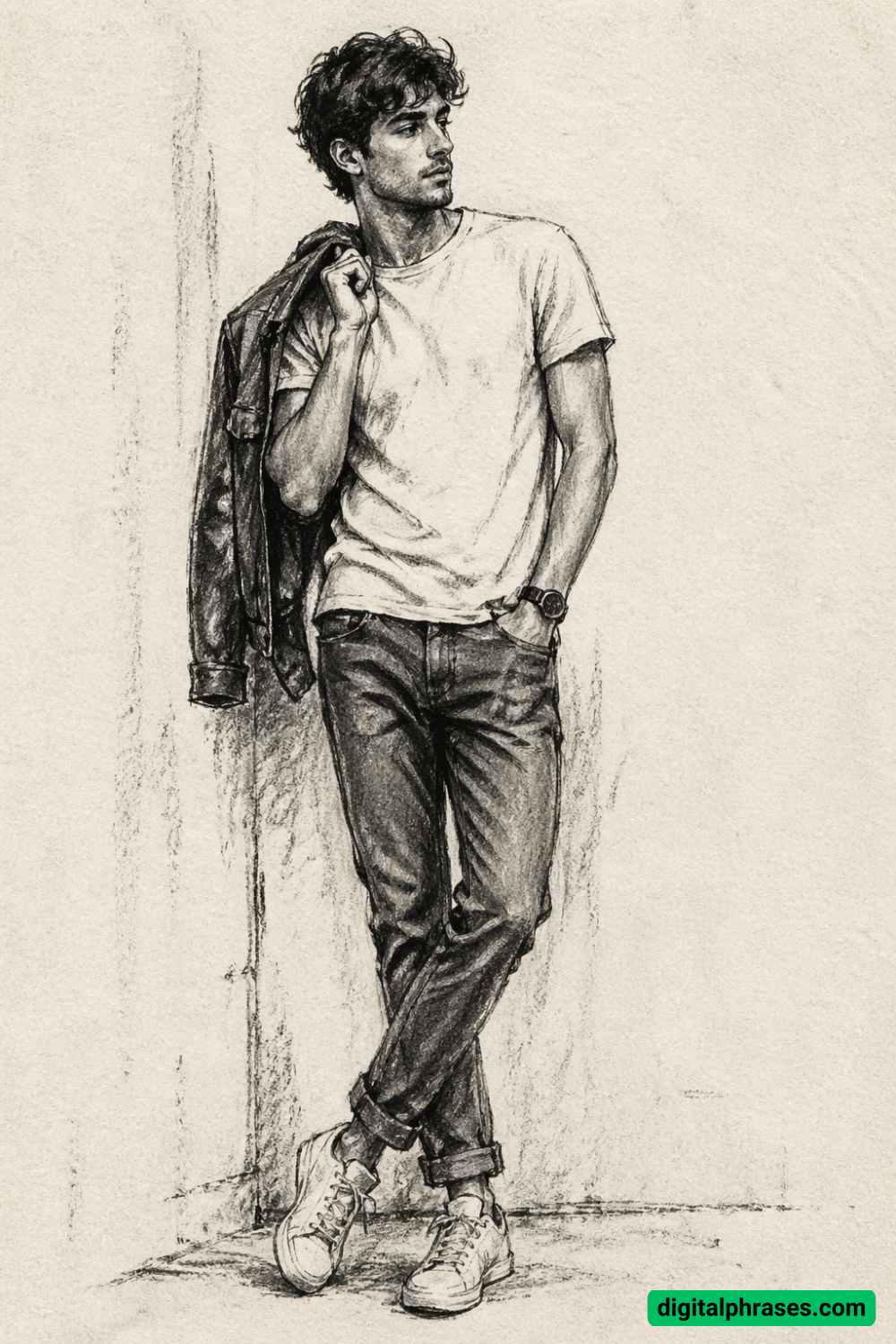
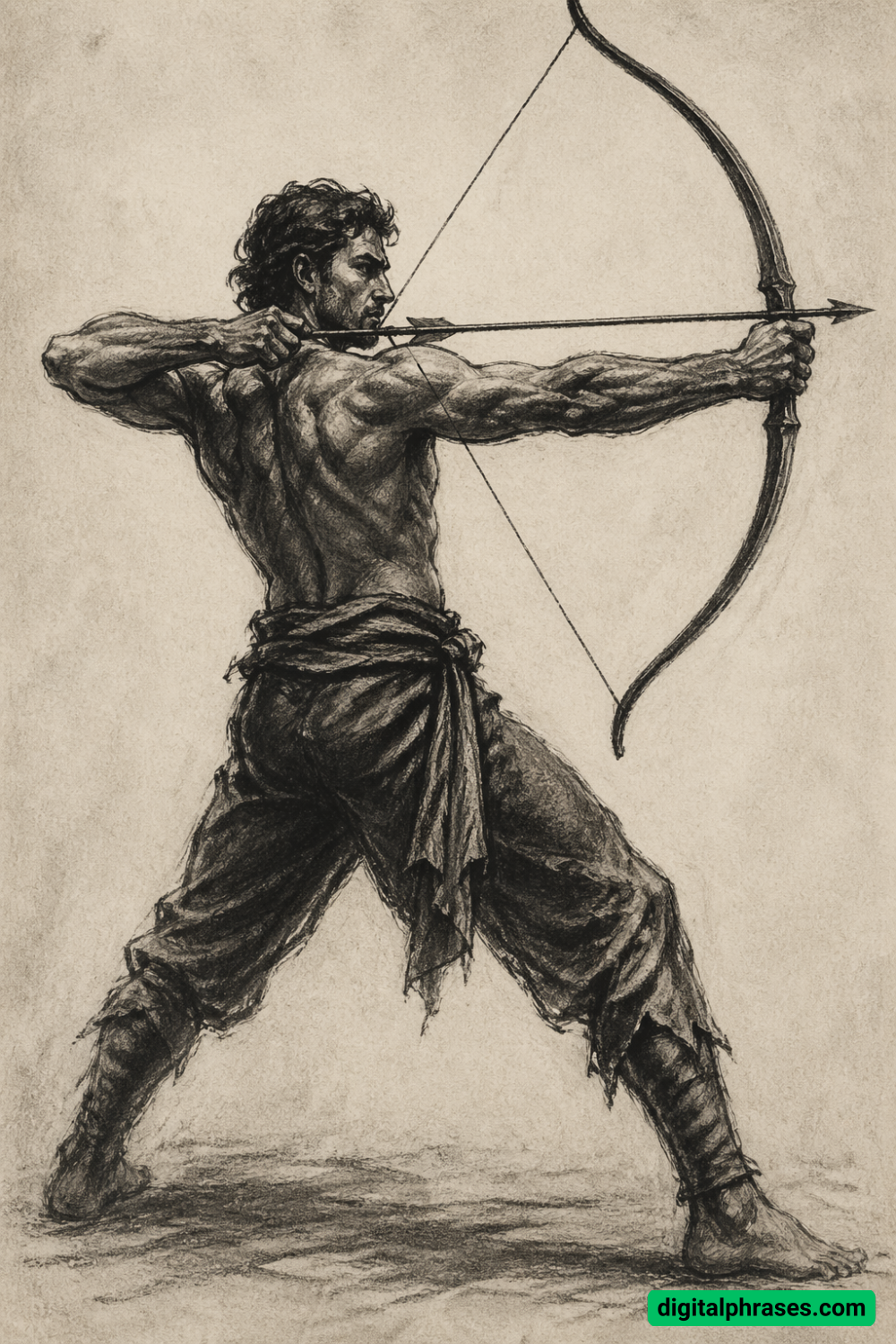
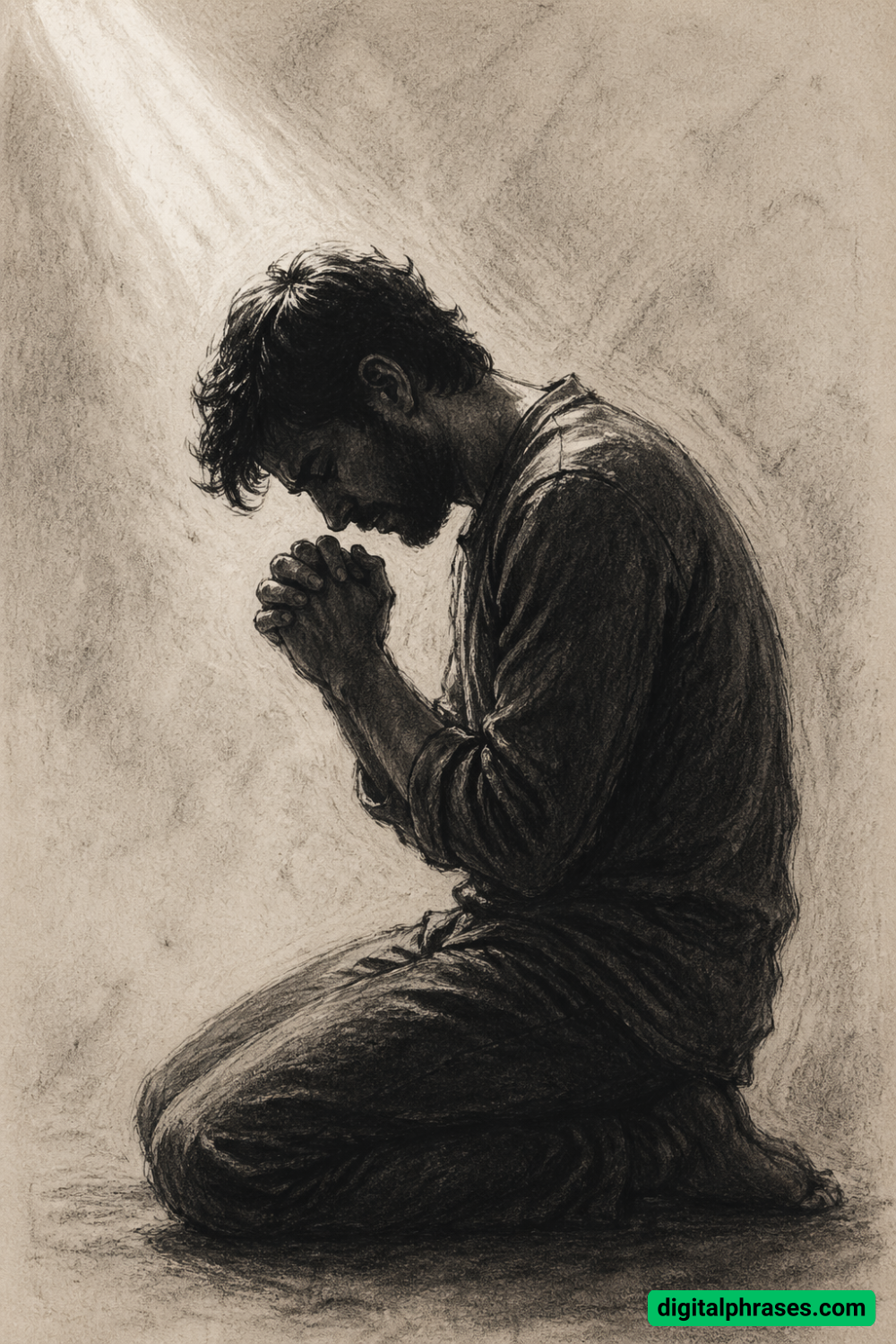
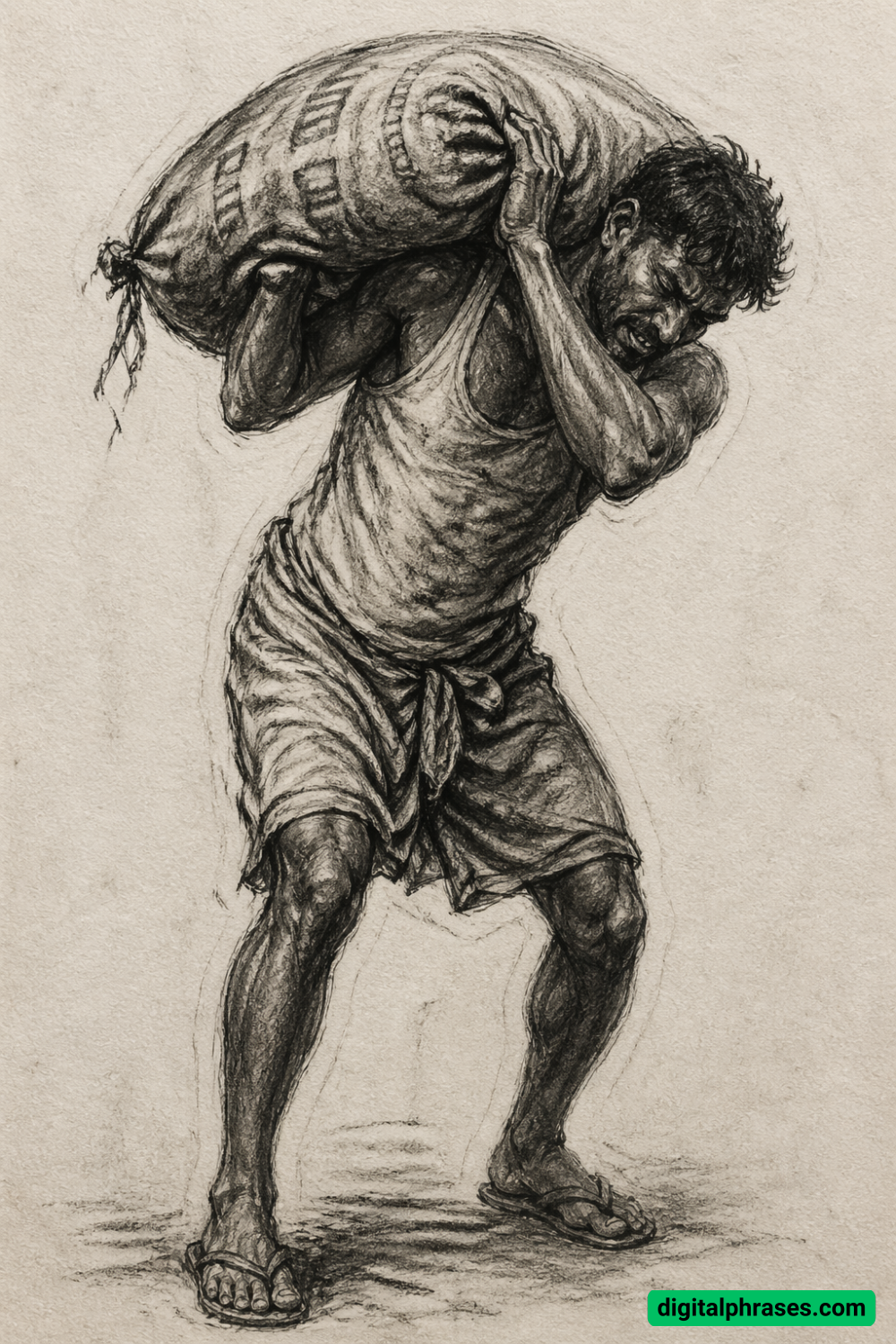
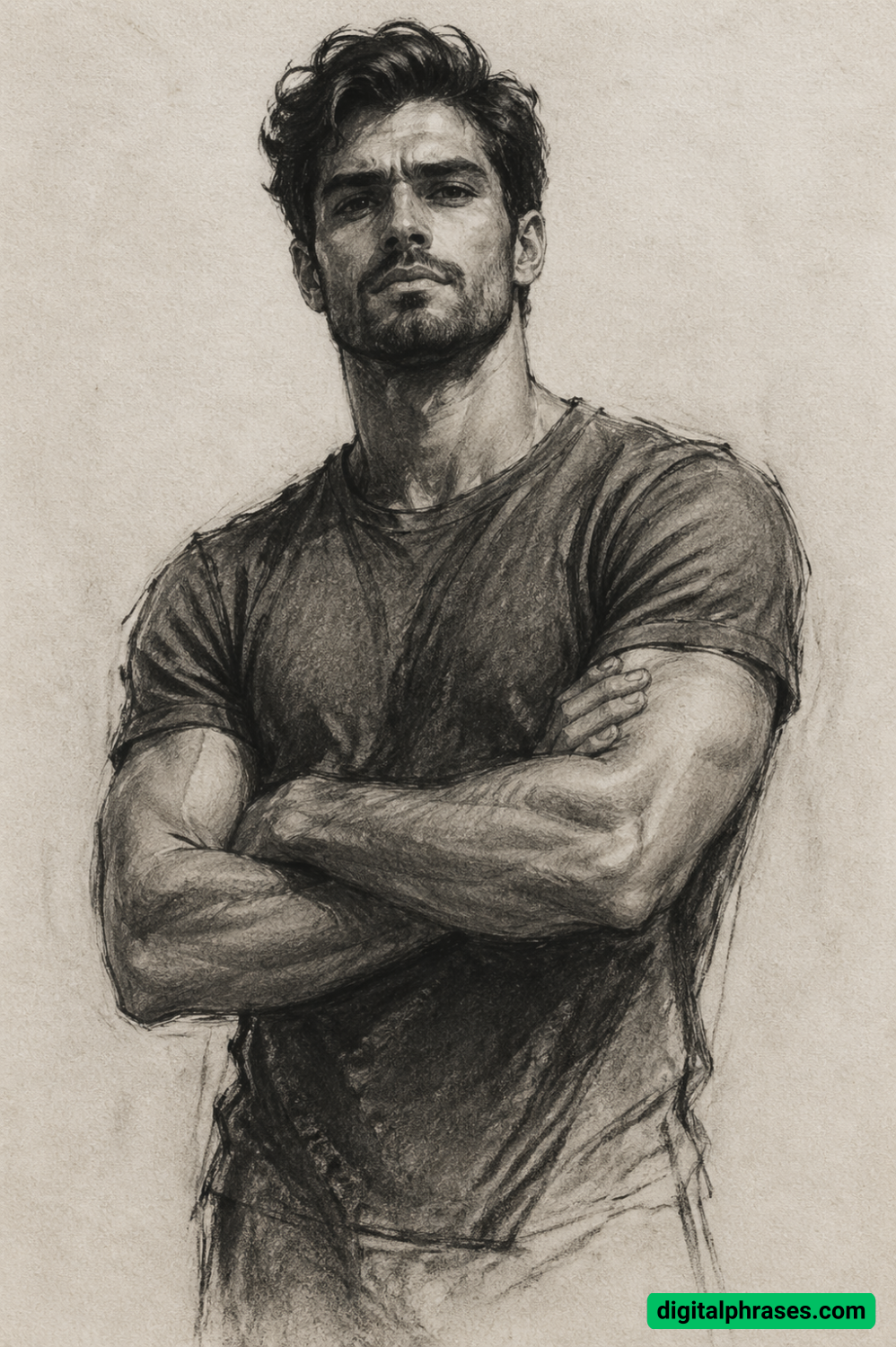
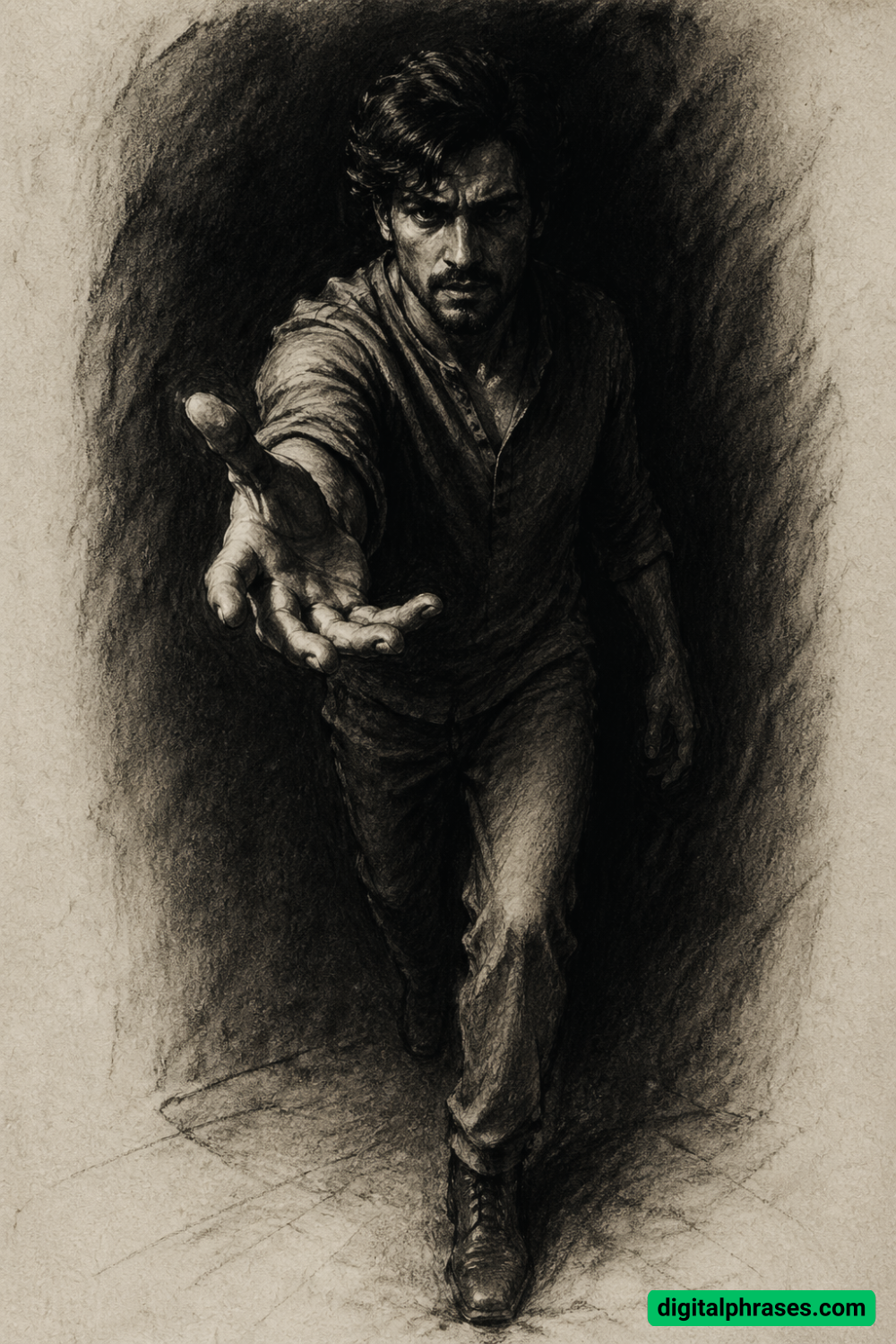
These male drawing poses are meant to help you explore different stances, expressions, and body dynamics.
Whether you’re a beginner or improving your fundamentals, focus on understanding how the body moves rather than just copying lines. Keep your sketches loose, stay patient, and let each pose teach you something new.
Male Drawing Poses
1

2

3

4
5
6

7
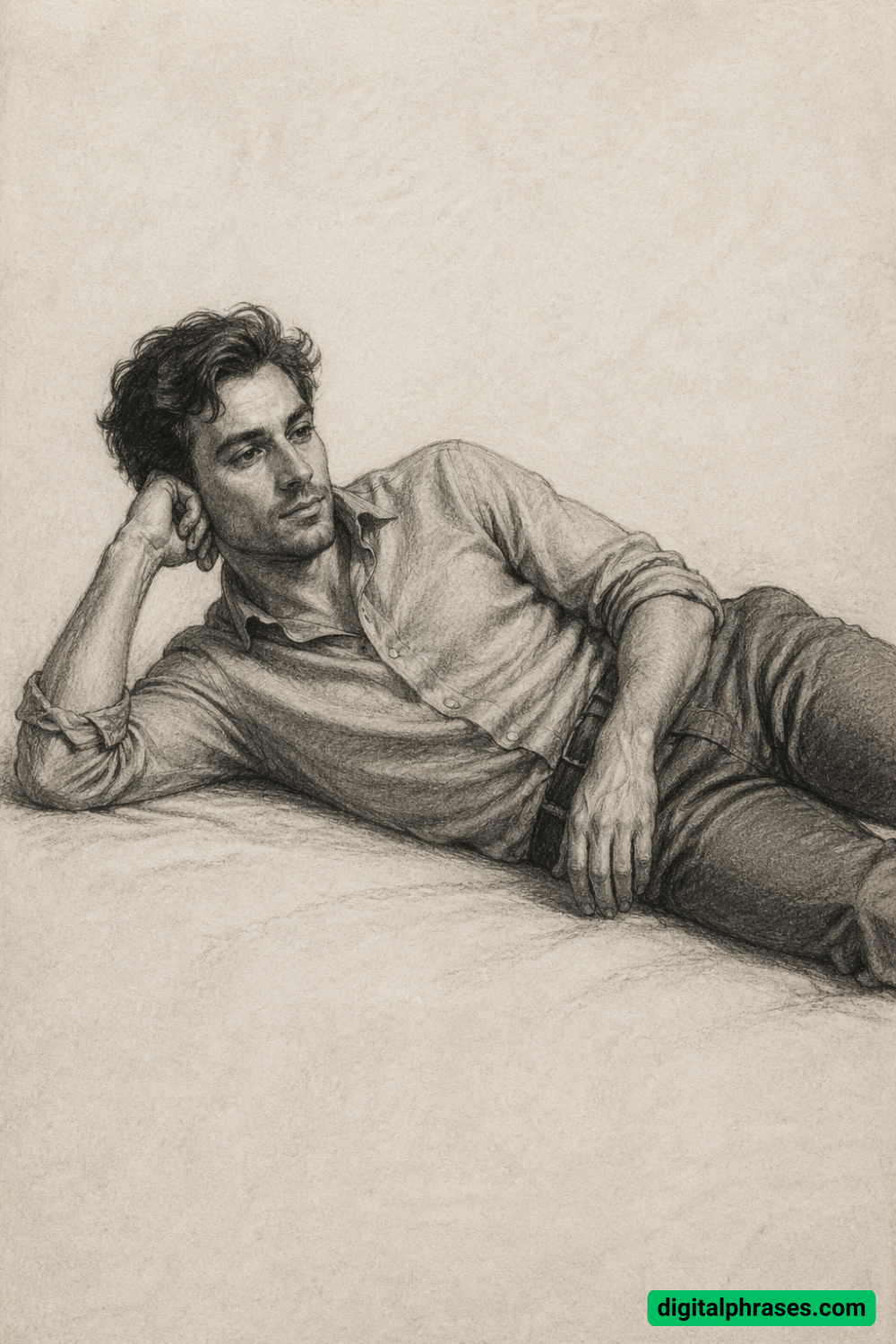
8
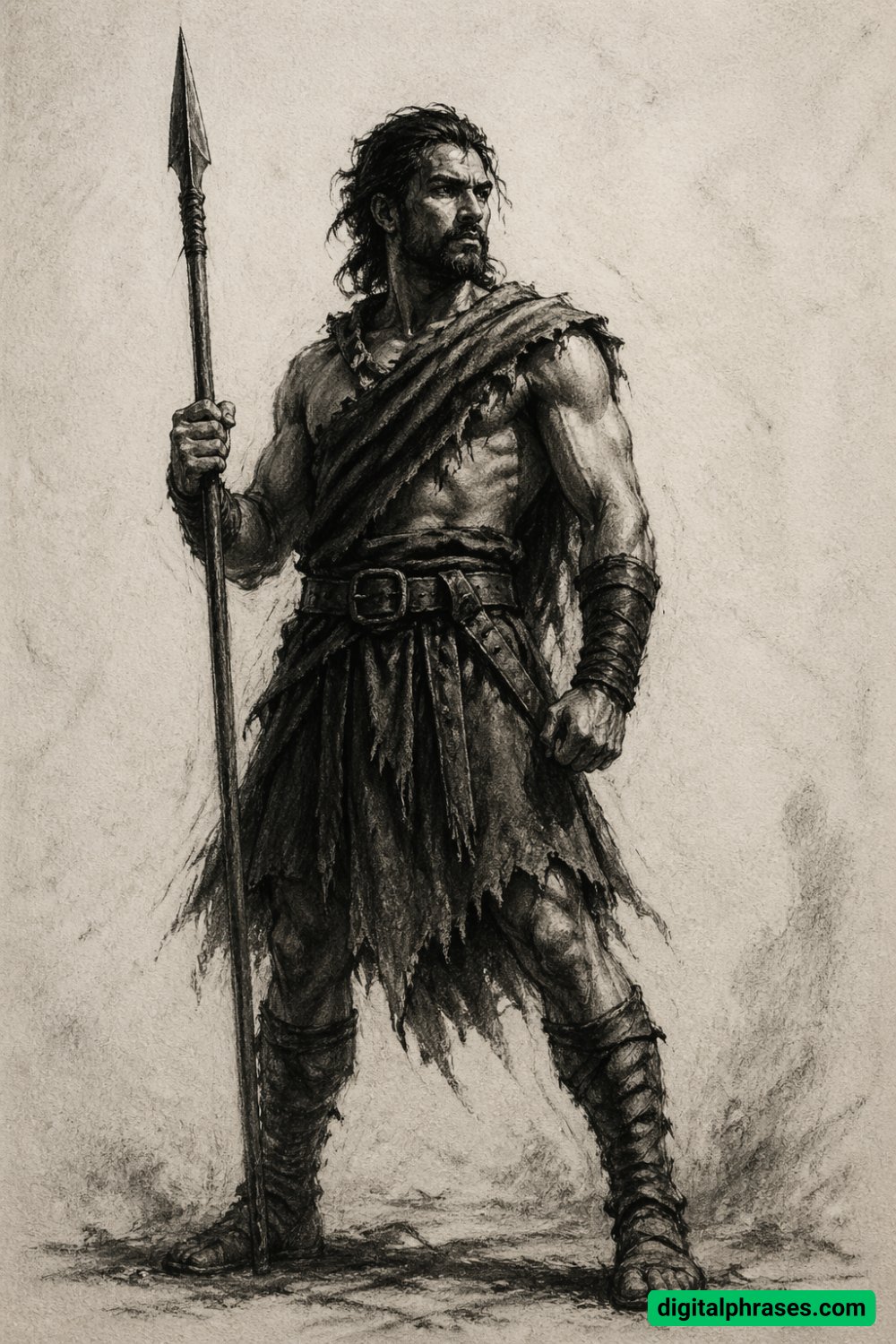
9
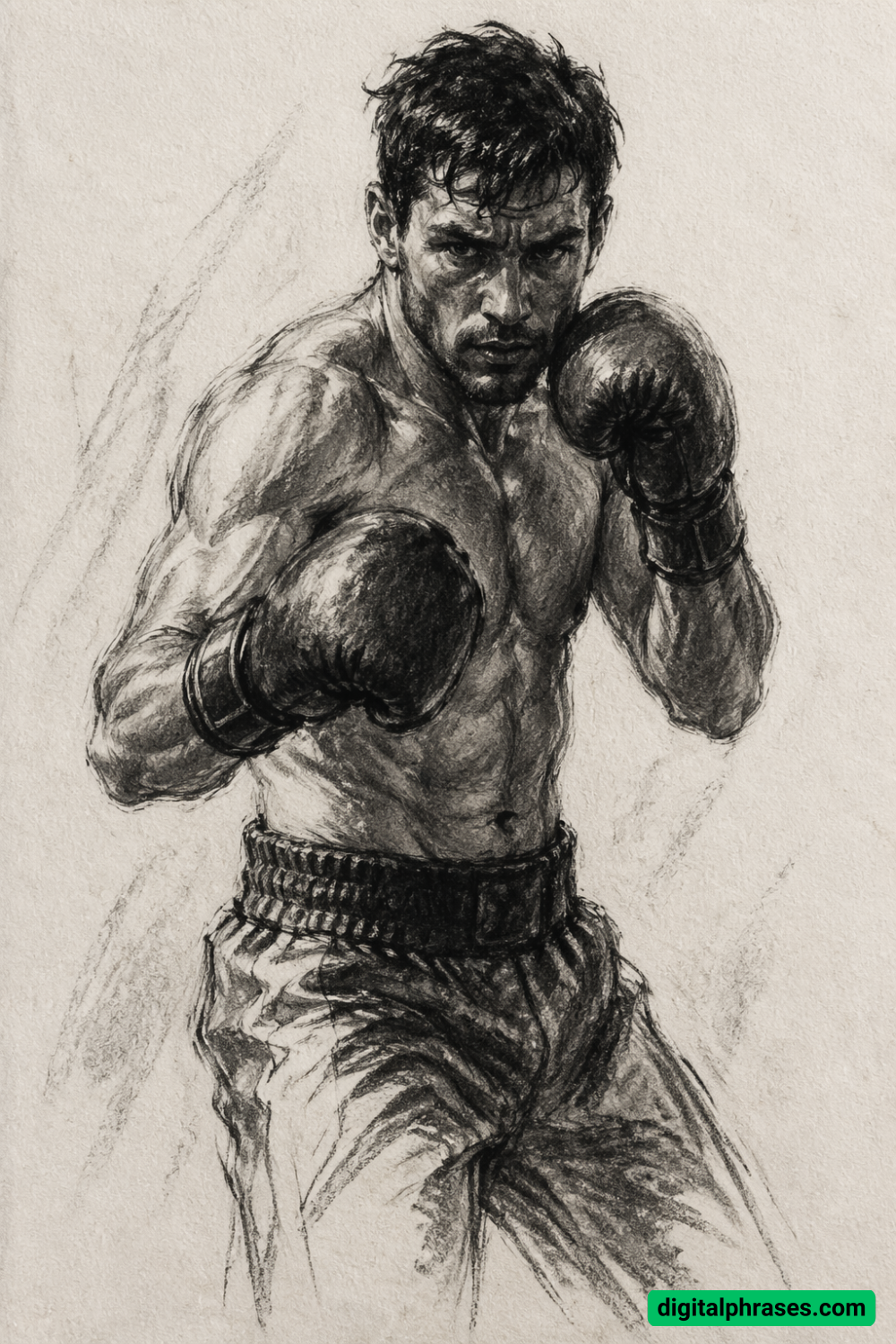
10

11
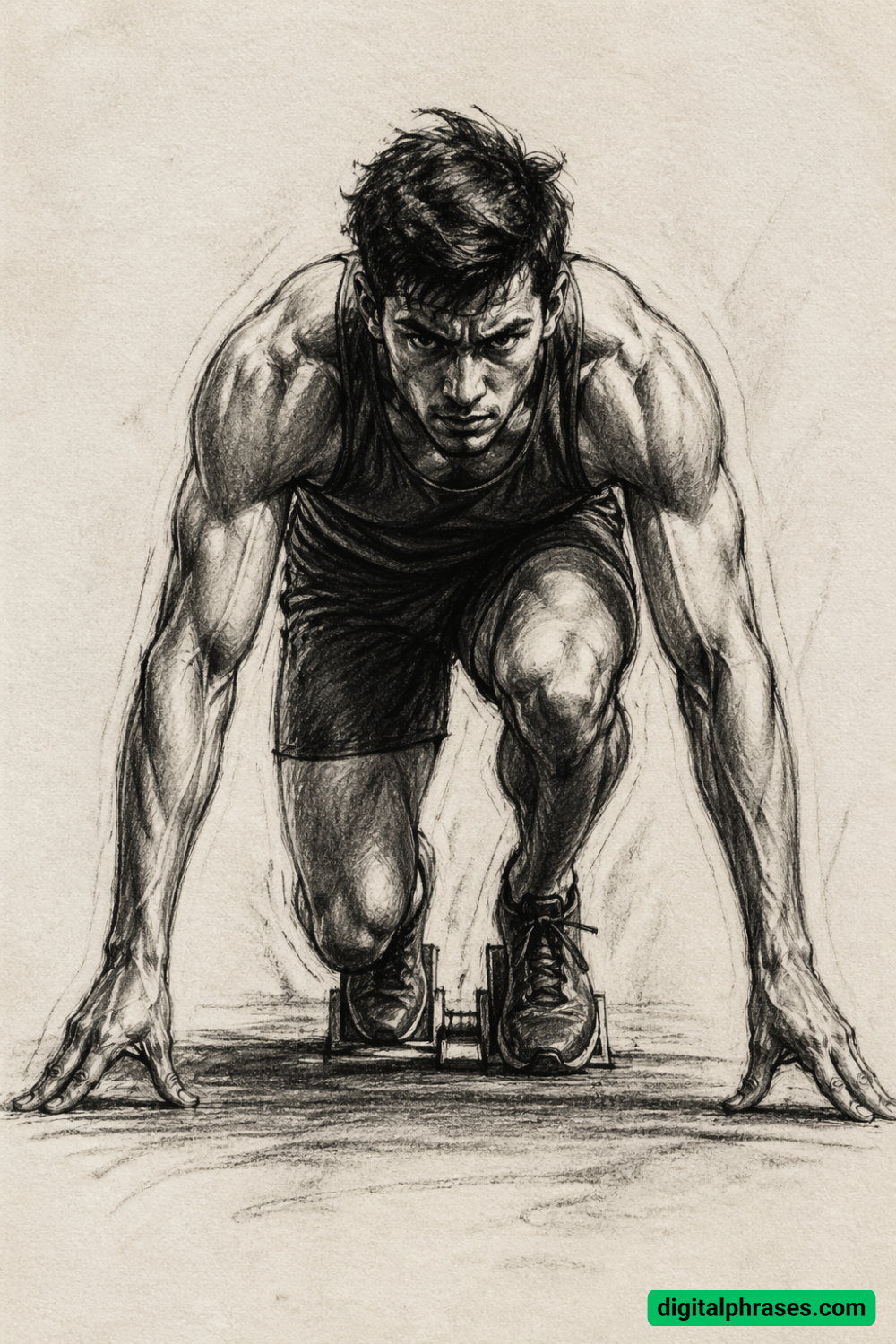
12
13

14
15
16

17

18

19
20
21
22
Tips For Drawing Male Drawing Poses
Tip 1: Focus on the Gesture First
Before worrying about details, start with a quick gesture sketch. This means capturing the overall flow and energy of the pose in just a few lines. Look for the line of action—the main curve that defines how the body moves. This helps your drawing feel alive instead of stiff. Spend 30–60 seconds on this step. It trains your eye to see movement and balance, which is more important than accuracy in the beginning stages of sketching poses.
Tip 2: Break the Body into Simple Shapes
Instead of drawing muscles right away, simplify the body into basic shapes like cylinders, boxes, and spheres. Think of the chest as a box, arms as cylinders, and joints as circles. This approach helps you understand structure and proportion without getting overwhelmed. It also makes it easier to adjust mistakes early on. Once the structure feels right, you can slowly build on top of it with more refined lines. This method keeps your sketches clean and easier to manage.
Tip 3: Pay Attention to Proportions
Getting proportions right can make or break your pose. A common method is using head units—most adult male figures are about 7–8 heads tall. Check relationships between body parts, like arm length compared to the torso. Don’t stress about perfection, but do compare often as you sketch. Step back and look at your drawing as a whole. If something feels off, it usually is. Fixing proportions early saves time and helps your final pose look more natural.
Tip 4: Study Weight and Balance
Every pose has a sense of weight. Ask yourself: where is the body’s center of gravity? Usually, it’s supported by one leg or evenly distributed between both. Look at how the hips and shoulders tilt to maintain balance. If your figure looks like it might fall over, something is wrong. Observing real-life references or photos helps a lot here. Adding correct weight makes your drawing feel grounded and believable instead of flat or awkward.
Tip 5: Keep Your Lines Loose and Confident
Avoid sketching with stiff, scratchy lines. Instead, try to draw with smooth and confident strokes. It’s okay if the lines aren’t perfect—loose lines actually make your drawings feel more dynamic. Don’t erase too much in the early stages; let your sketch stay rough and build over it. Overworking a drawing can make it look rigid. Practice drawing lightly and freely. Over time, your hand will naturally become more controlled while still keeping that fluid energy.