Lion Drawing Ideas
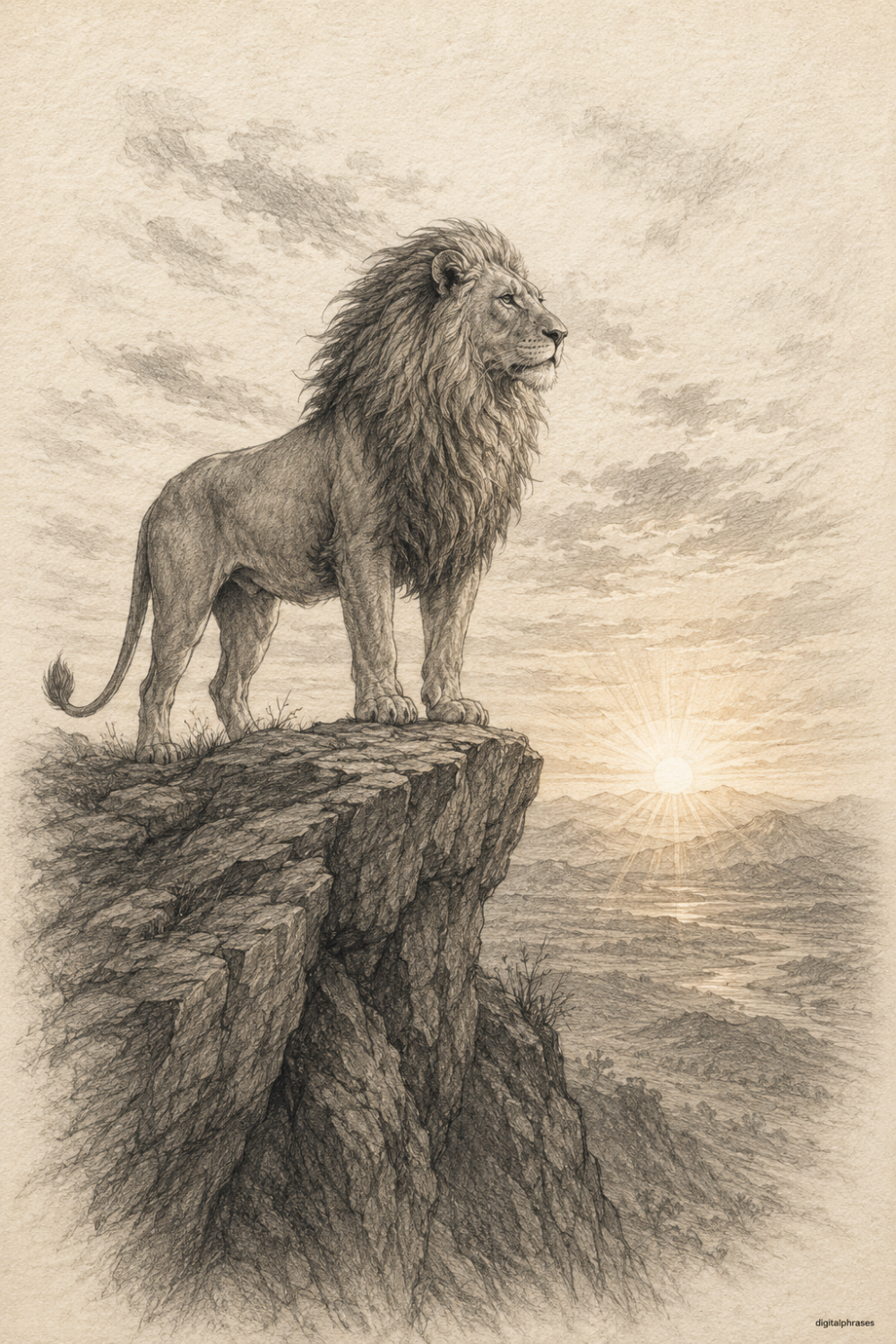
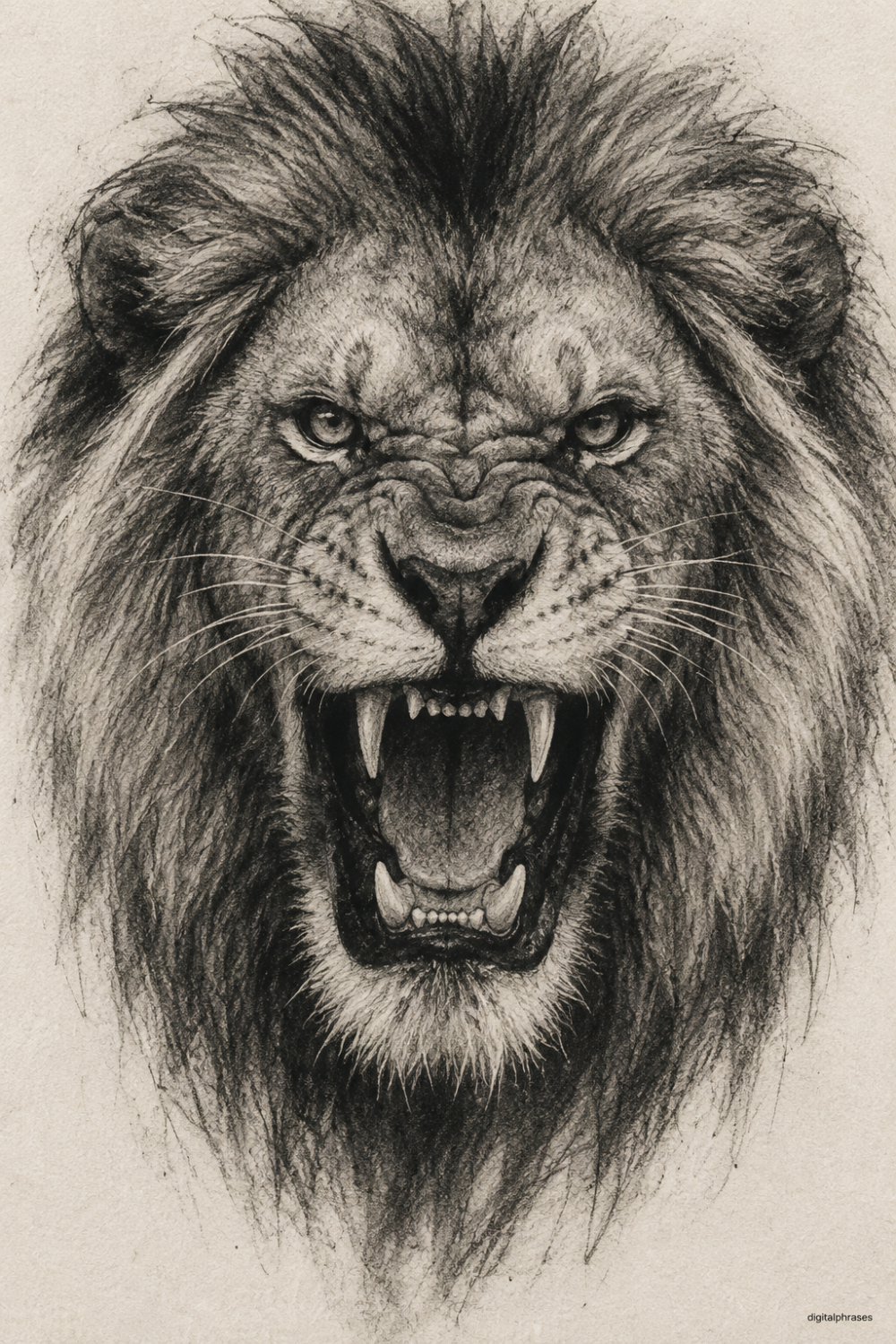
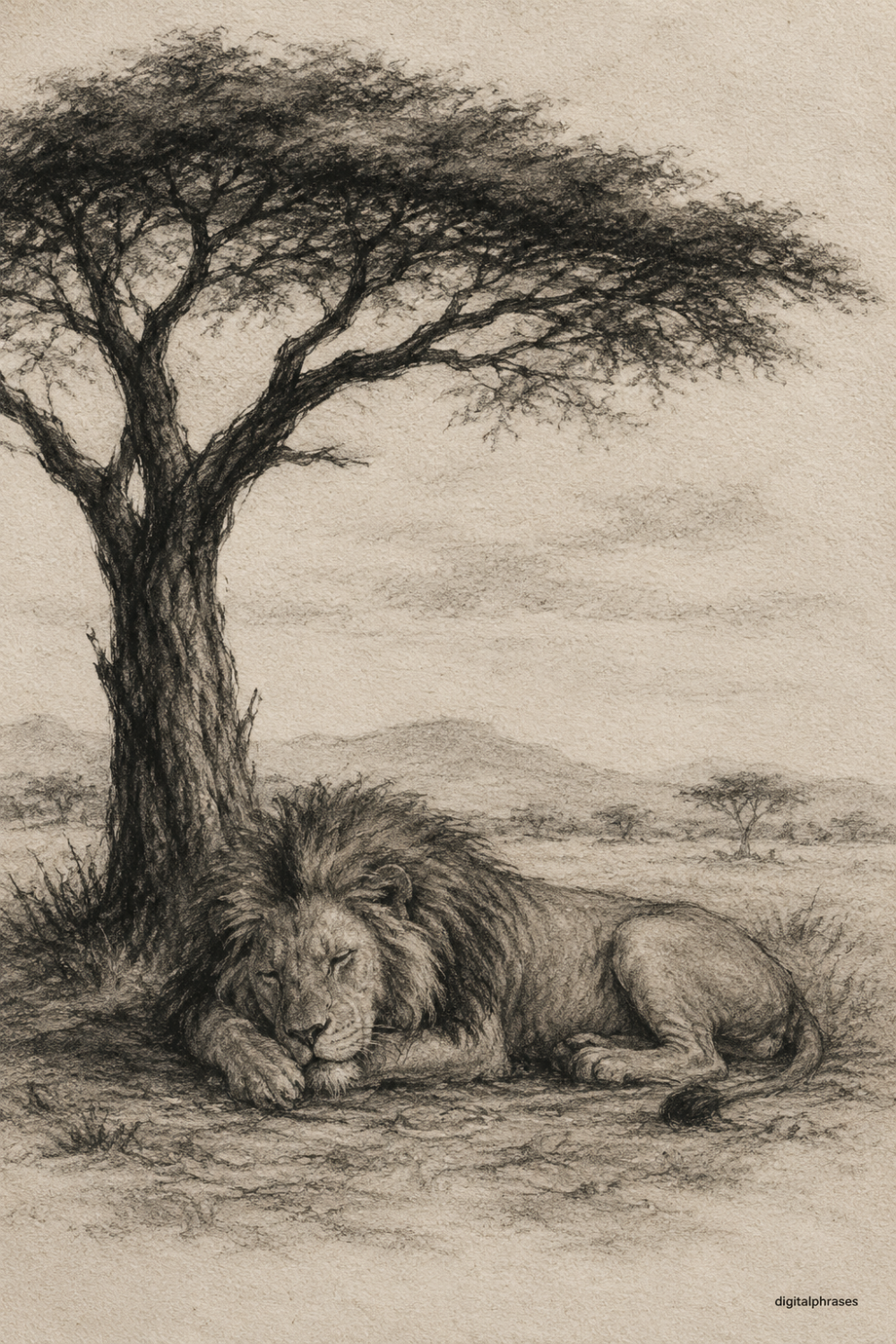
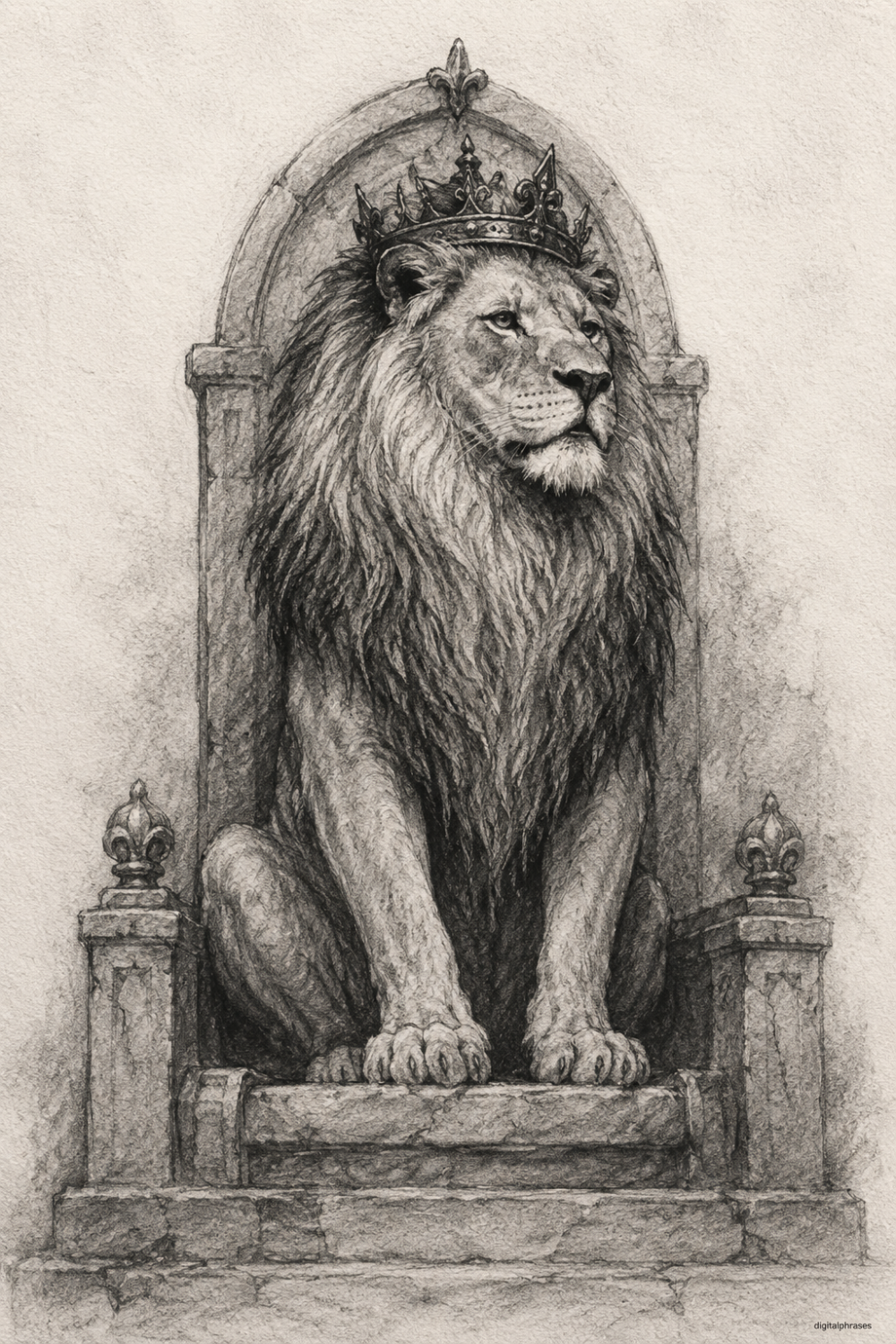
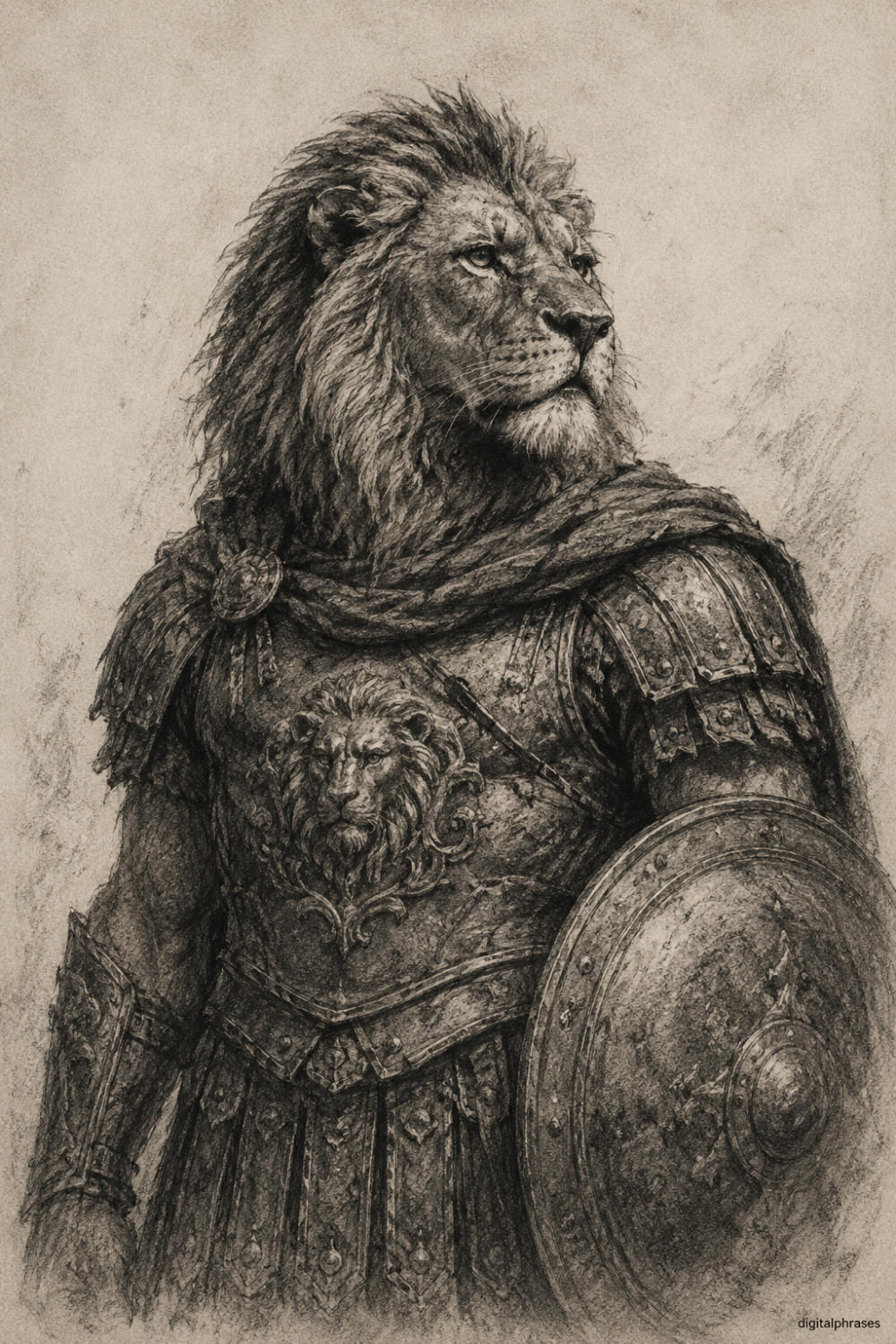
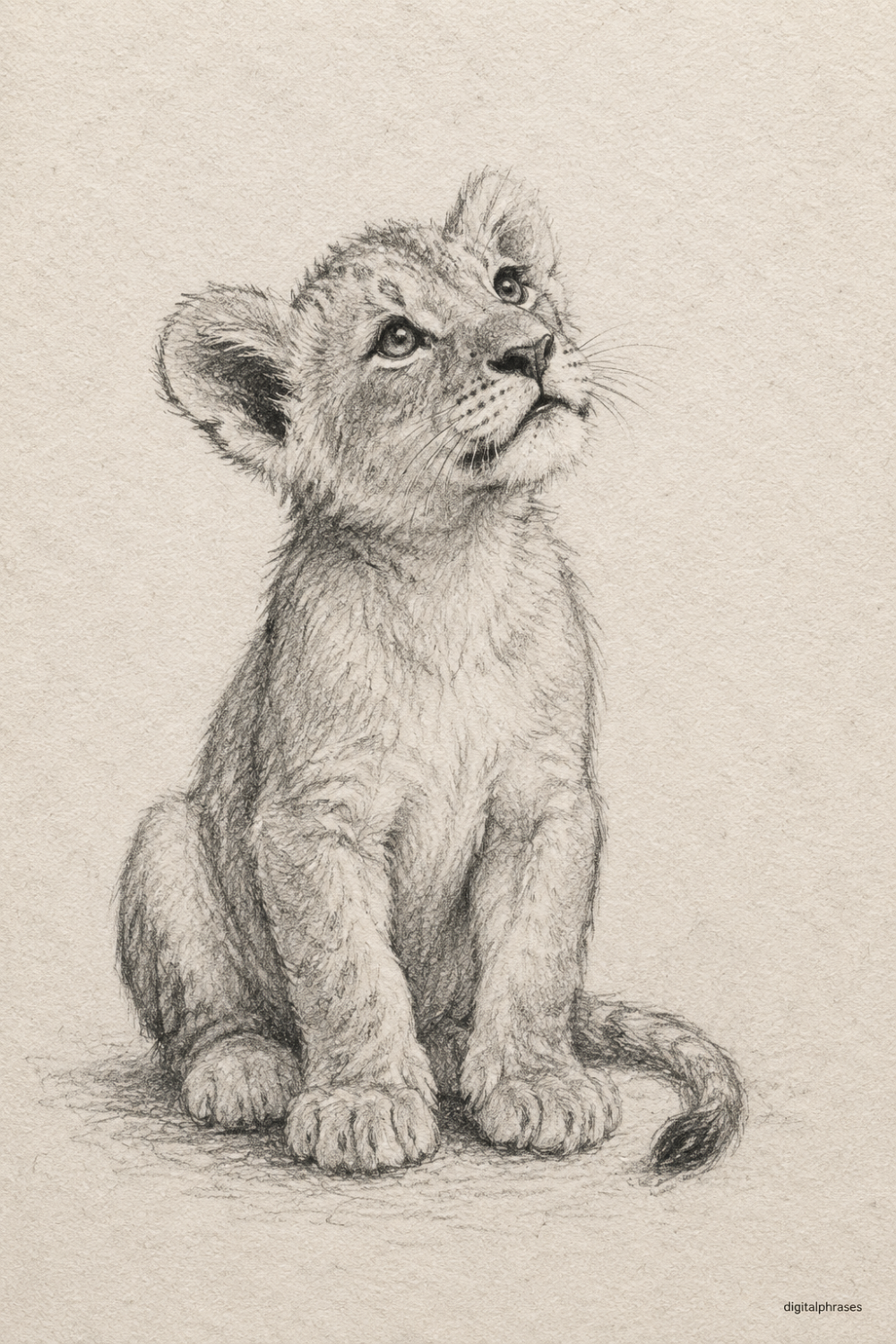
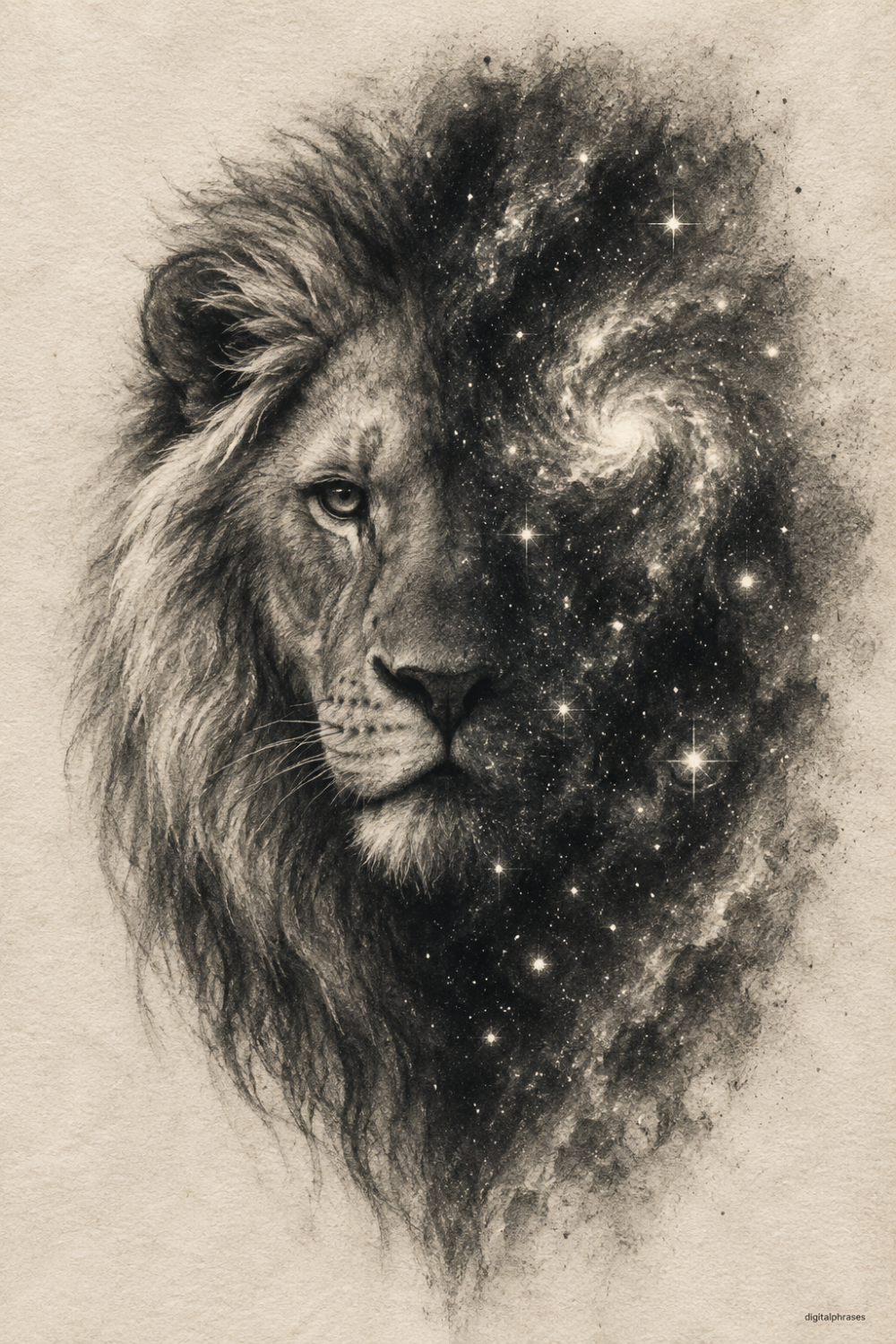
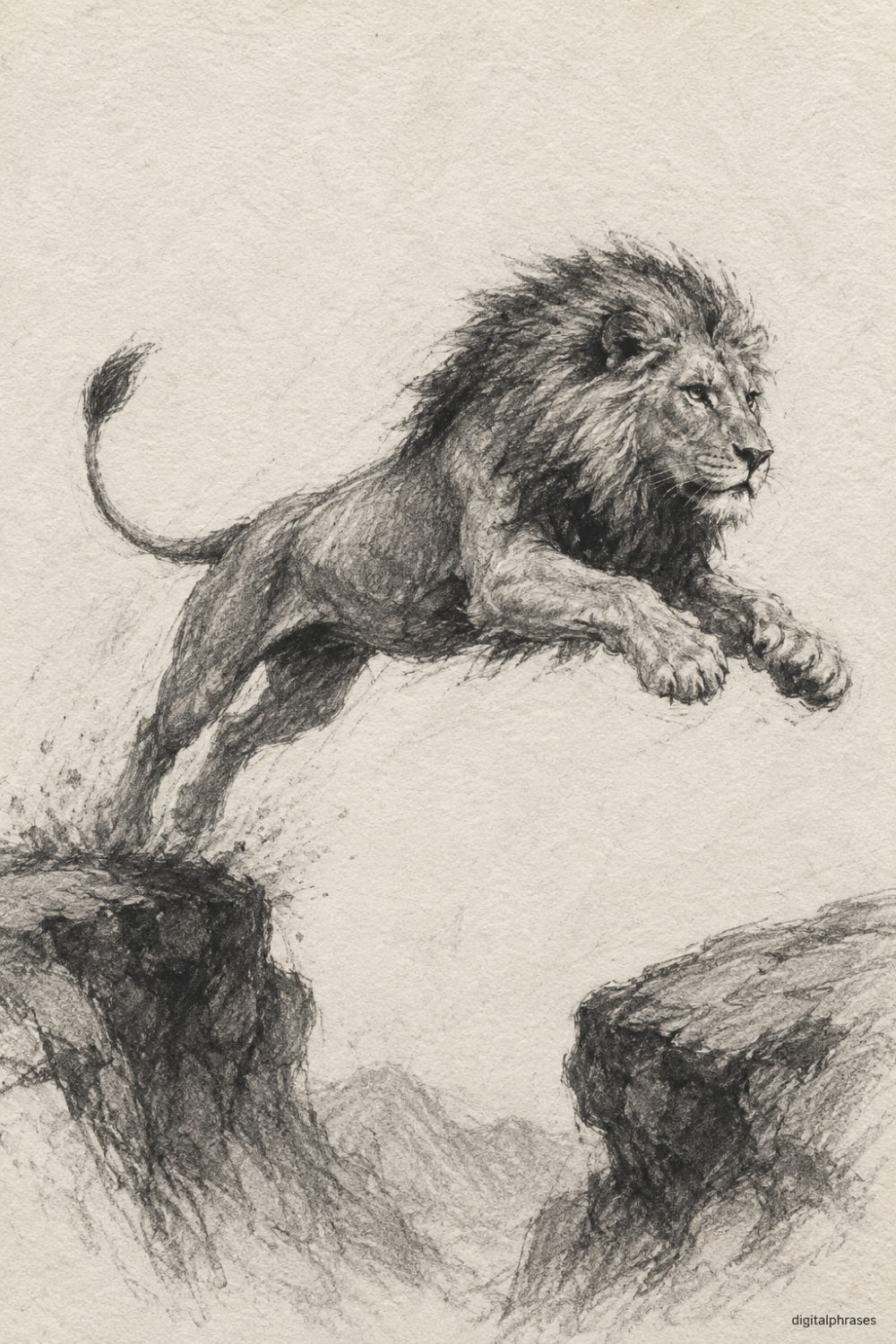
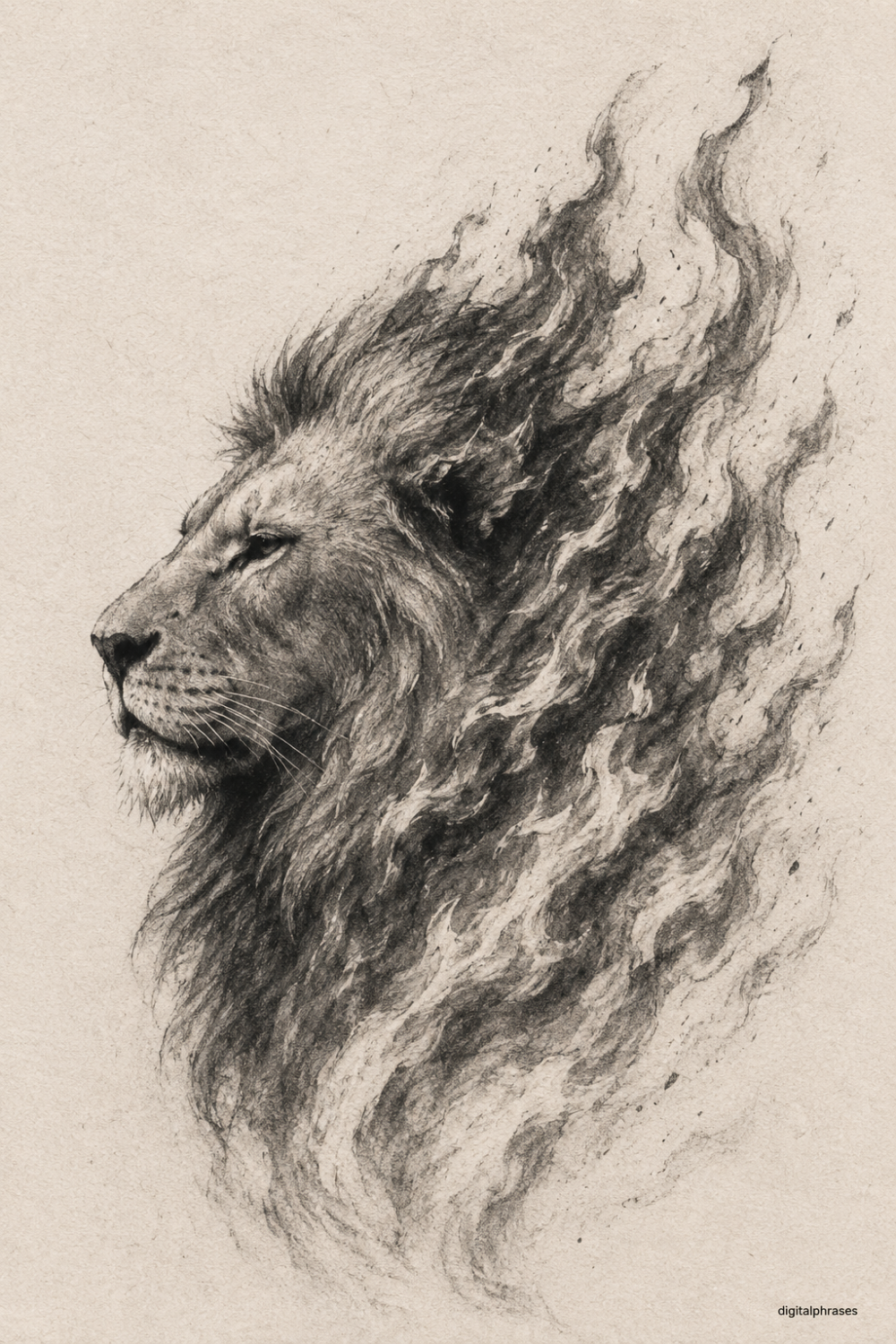
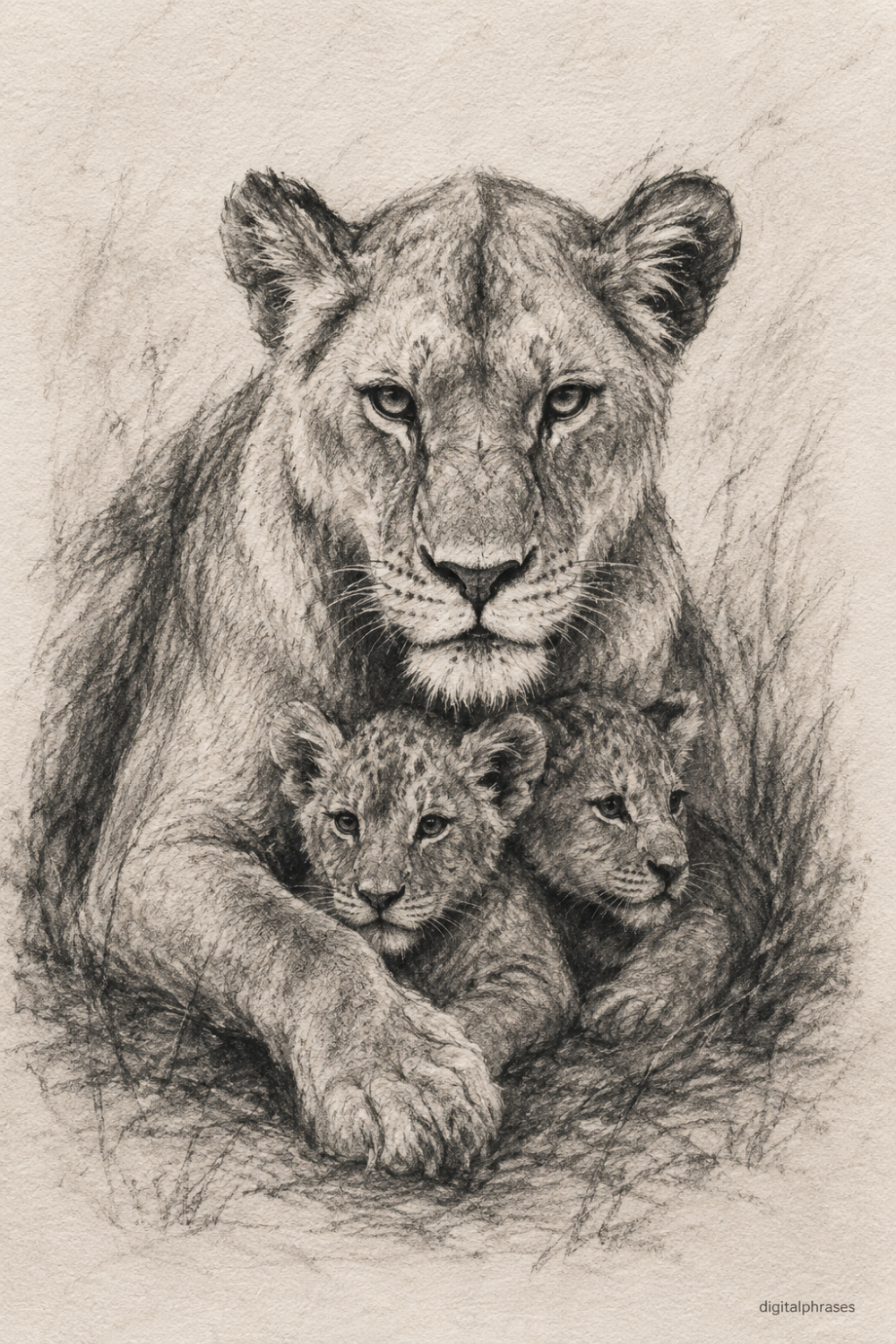
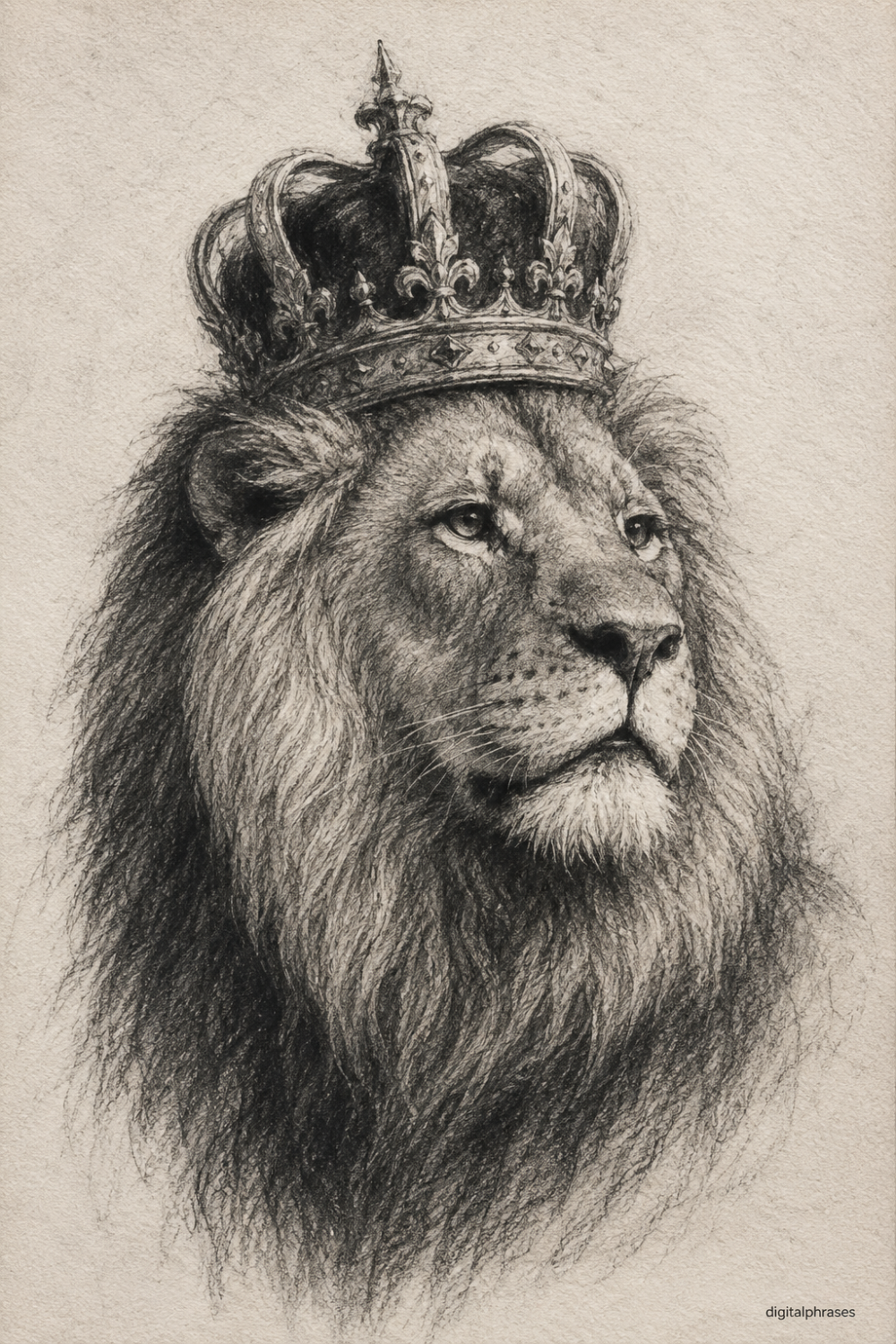
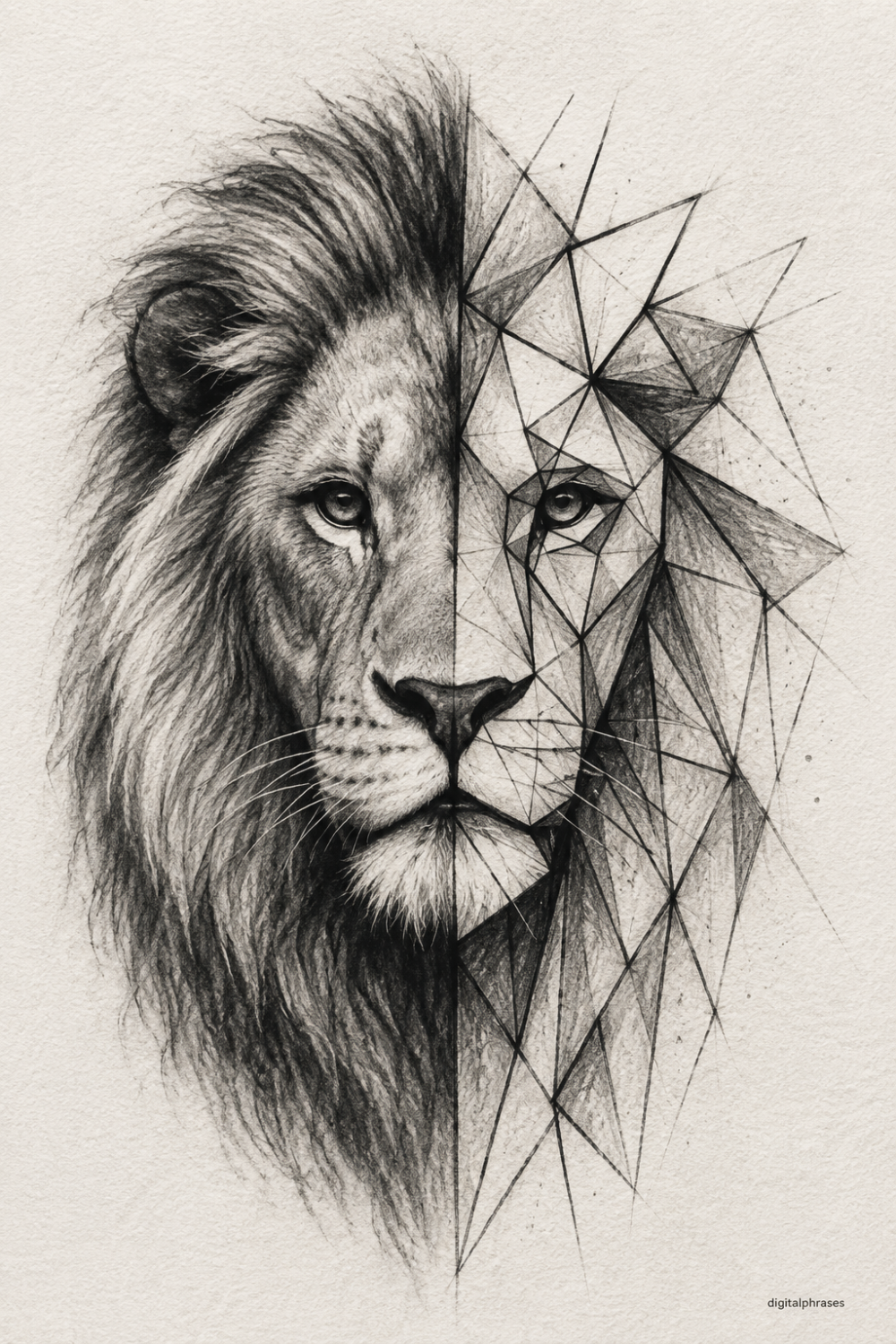
Lion drawing is a fun and rewarding way to practice your artistic skills, whether you’re a beginner or an experienced artist. Lions are known for their powerful appearance, majestic manes, and expressive faces, making them an exciting subject to sketch.
The best part is that there isn’t just one way to draw a lion. From simple cartoon-style sketches to realistic wildlife portraits, there are countless creative approaches to explore.
In this collection of lion drawing ideas, you’ll find inspiration for different skill levels and art styles. Pick your favorite idea, grab your drawing tools, and enjoy bringing the king of the jungle to life on paper.
Lion Drawing Ideas
1
2
3
4
5
6
7
8
9
10
11
12
13
14
15
16
17
18
19
20
21
22
23
24
25
Tips For Drawing a Lion
Start with Basic Shapes
One of the easiest ways to draw a lion is by beginning with simple shapes. Sketch a large circle for the head and a slightly larger oval for the body.
Connect these shapes with light guidelines to establish the lion’s posture. Add smaller circles for the joints and lines for the legs and tail. This basic framework helps you maintain correct proportions before adding details. Avoid pressing too hard with your pencil at this stage since you may need to erase and adjust lines as you refine the drawing.
Using simple shapes makes the process less intimidating and provides a solid foundation for the final artwork.
Focus on the Lion’s Facial Features
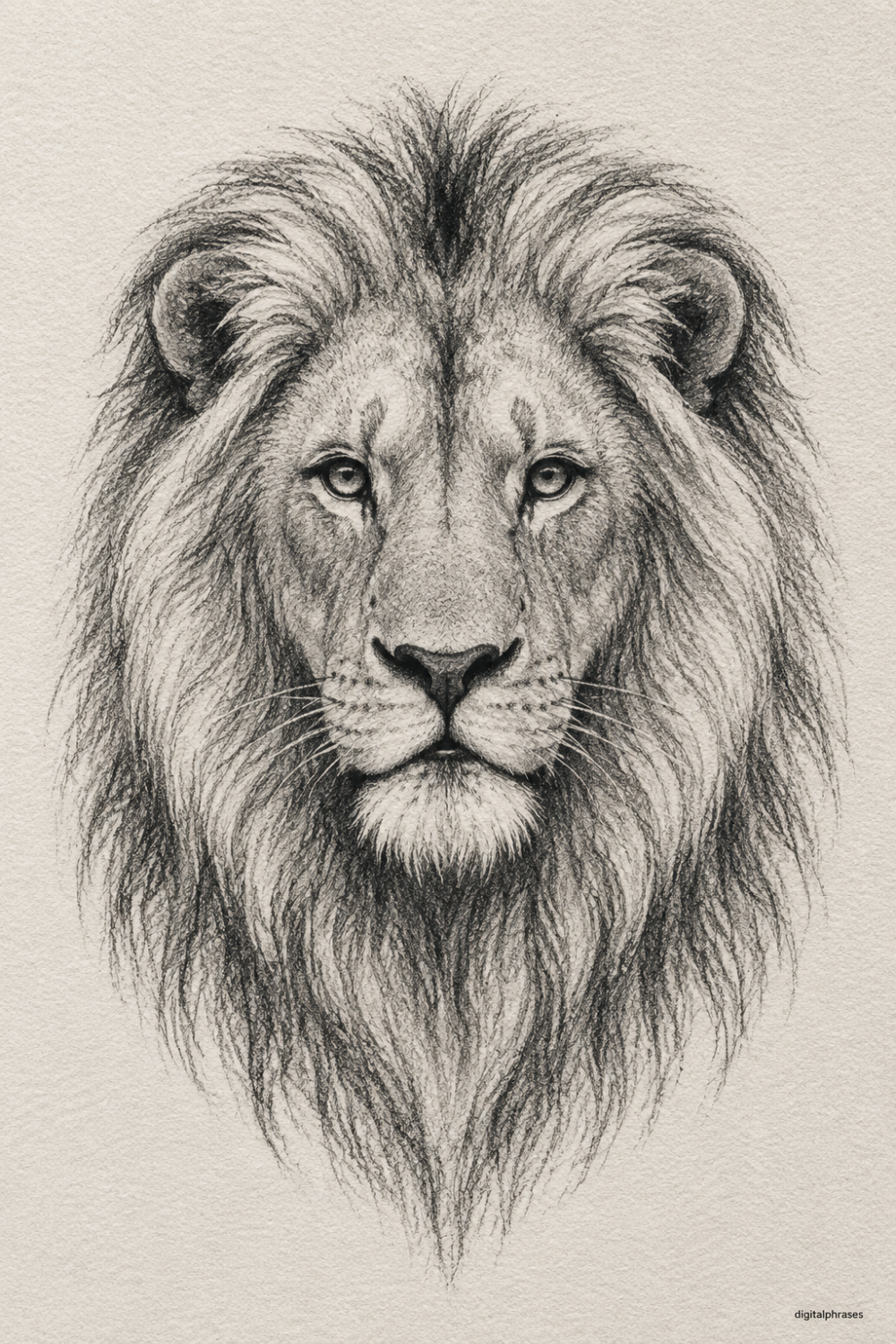
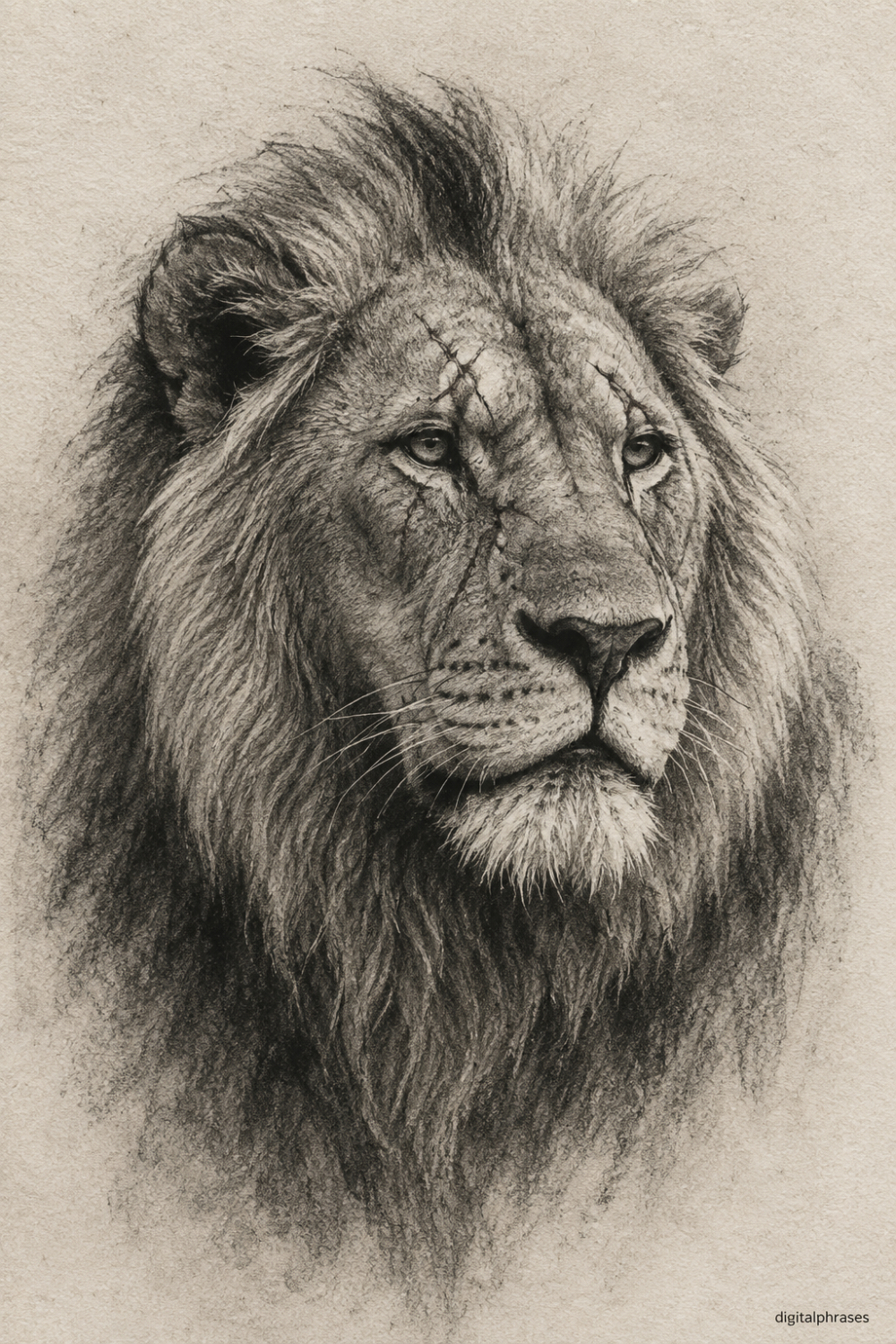
The face is often the most expressive part of a lion drawing. Pay close attention to the placement of the eyes, nose, and mouth. Lions have strong, intense eyes that sit relatively close together.
Their noses are broad and triangular, while the muzzle extends outward with subtle curves. Use reference photos to study these features and understand their proportions. Adding details such as whiskers, eyelids, and subtle shading around the eyes can make your lion appear more realistic.
Taking extra time on the face can dramatically improve the overall quality of your drawing.
Draw the Mane with Texture
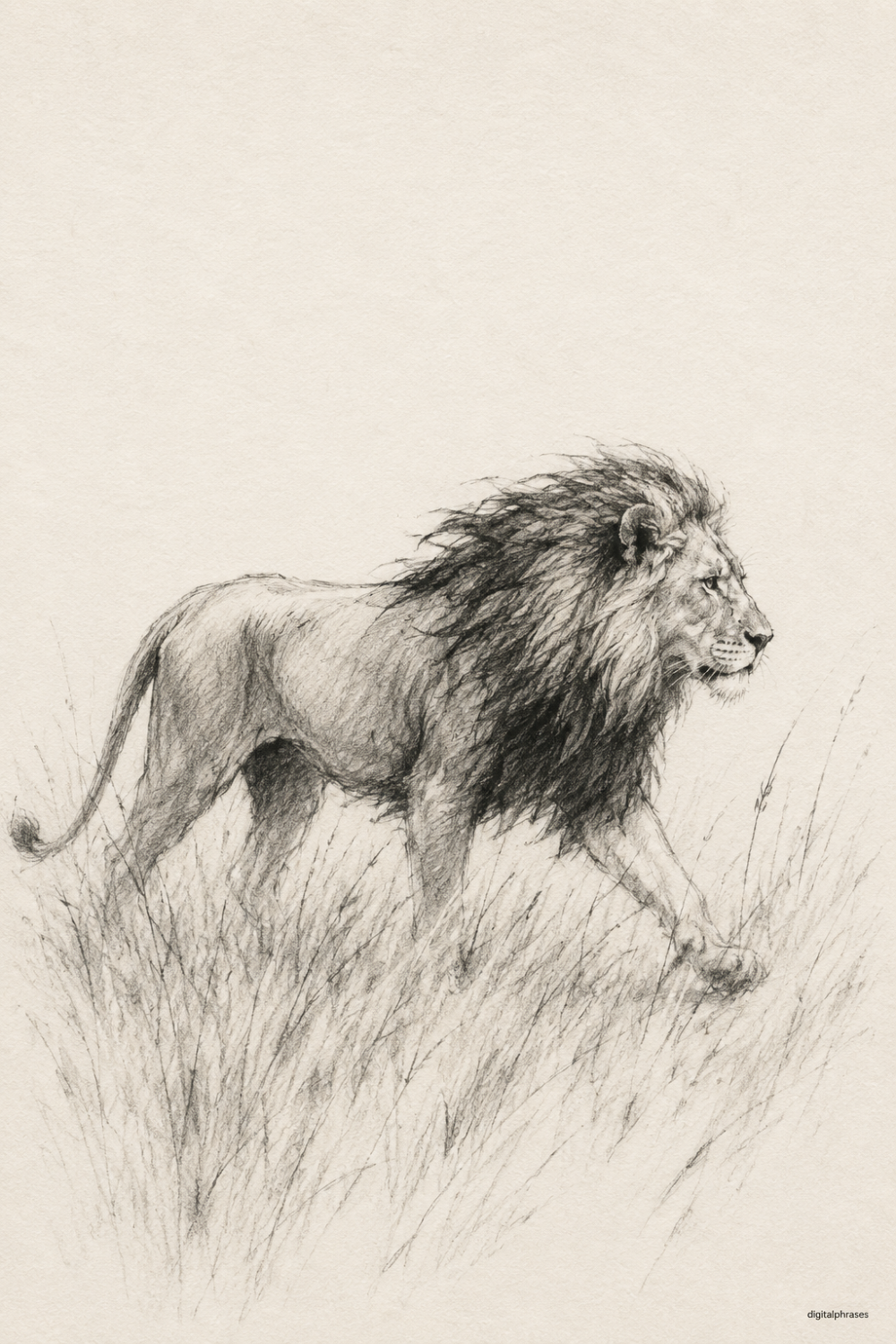
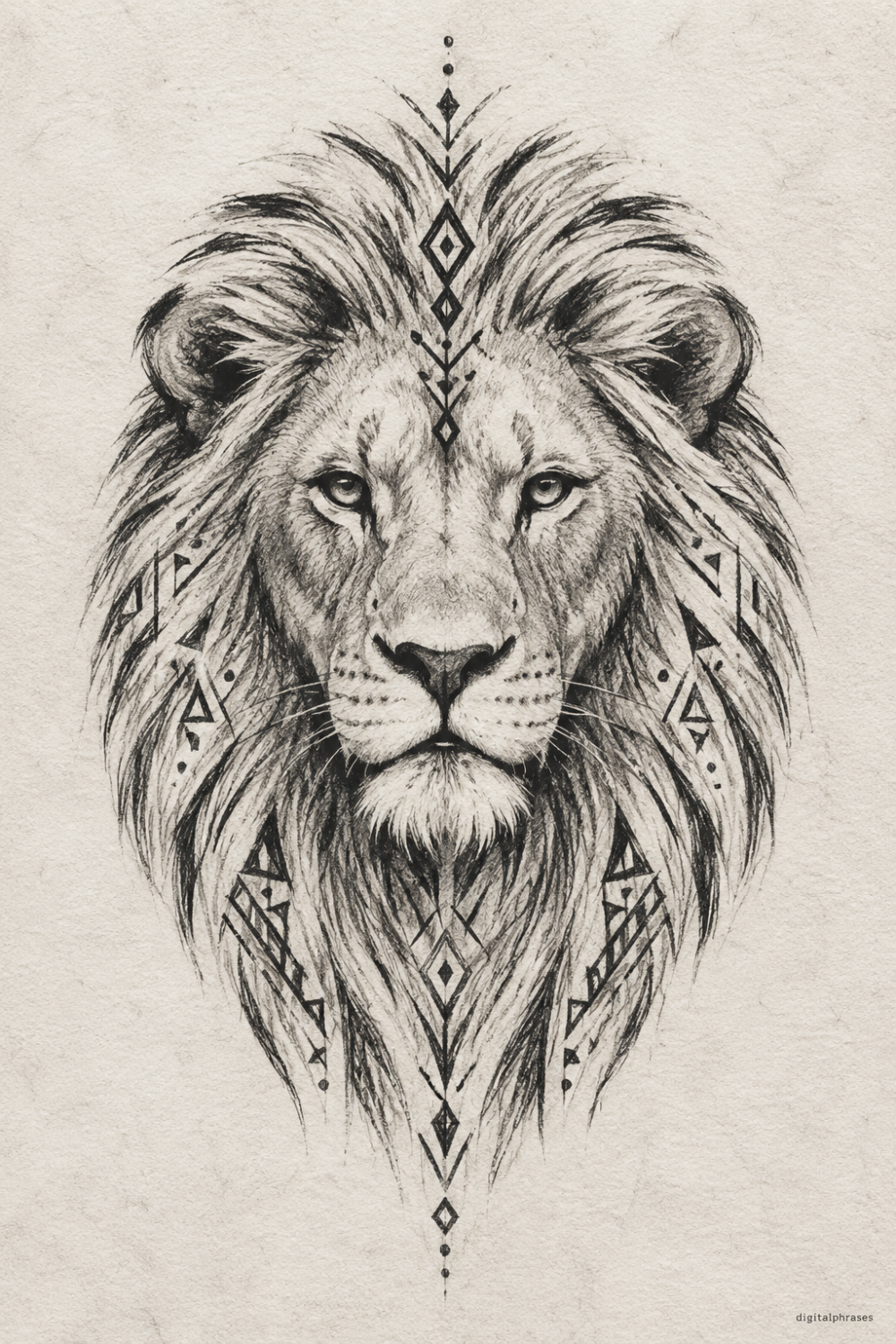
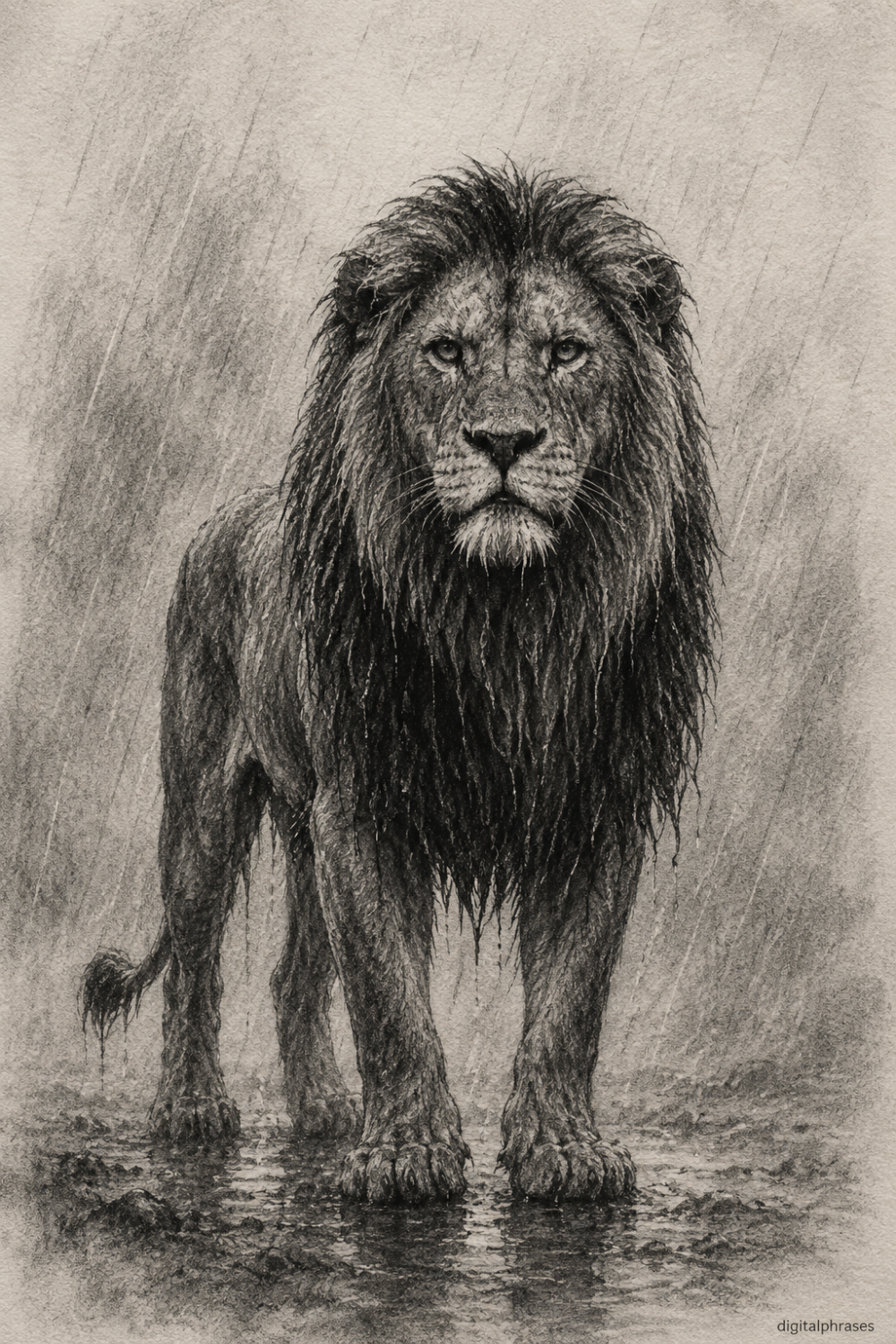
A lion’s mane is one of its most recognizable features, so it deserves special attention. Instead of drawing individual strands of hair, think of the mane as large sections of flowing fur. Sketch the overall shape first, then gradually add texture with short, curved strokes.
Vary the length and direction of the lines to create a natural appearance.
Avoid making the mane look too uniform, as real lion fur has volume and irregularity. Layering your strokes can also add depth and make the mane appear fuller and more realistic.
Study the Lion’s Anatomy
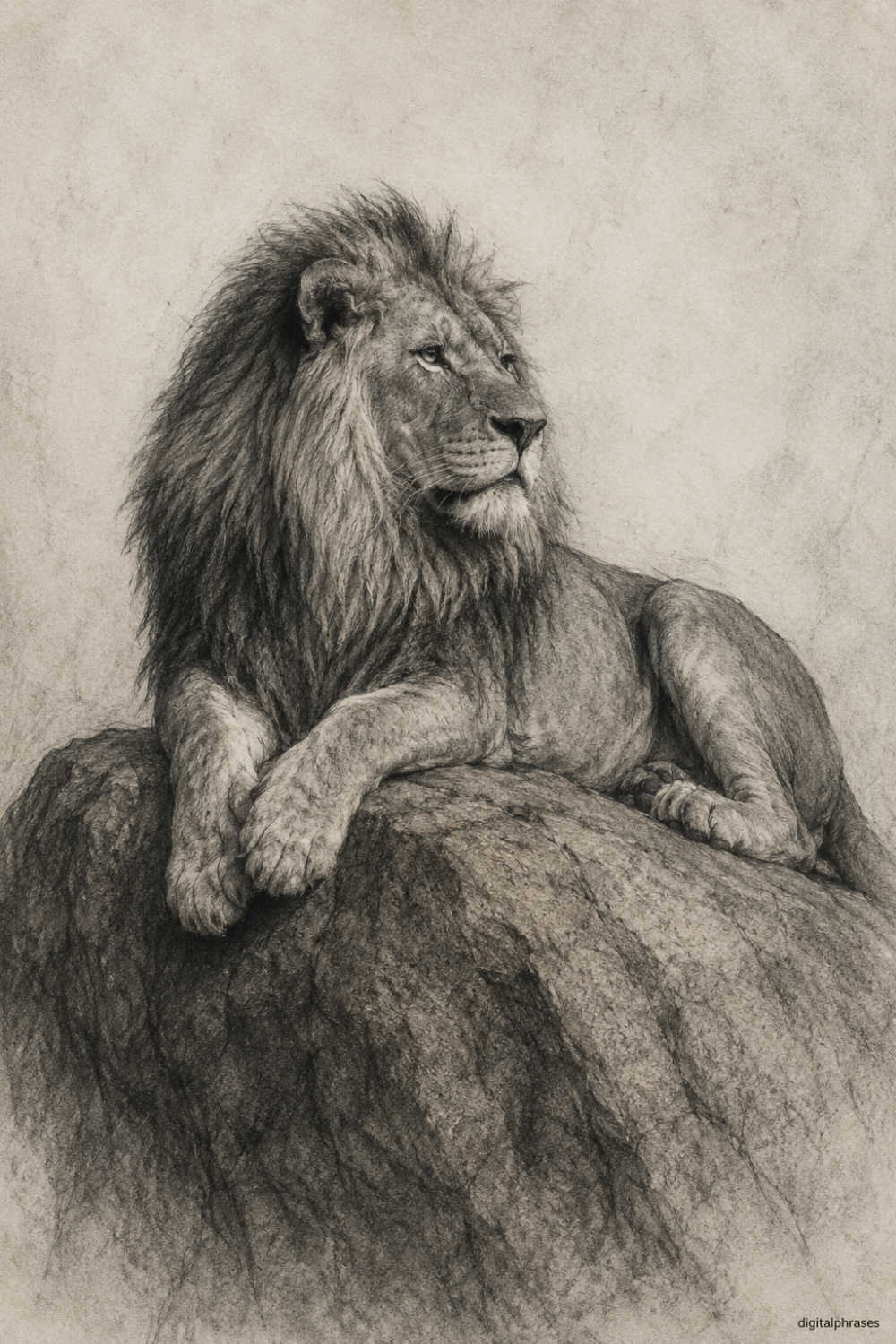
Understanding basic lion anatomy can greatly improve your drawing skills. Lions have powerful shoulders, muscular legs, and a strong chest that distinguishes them from smaller cats.
Observe how their bodies are structured and how their muscles appear beneath the fur. Studying anatomy helps you create realistic poses and movements.
Even a simple knowledge of skeletal and muscle structure can make your lion look more lifelike and convincing. Reference images and wildlife documentaries can be valuable resources for learning these details.
Use Shading to Create Depth
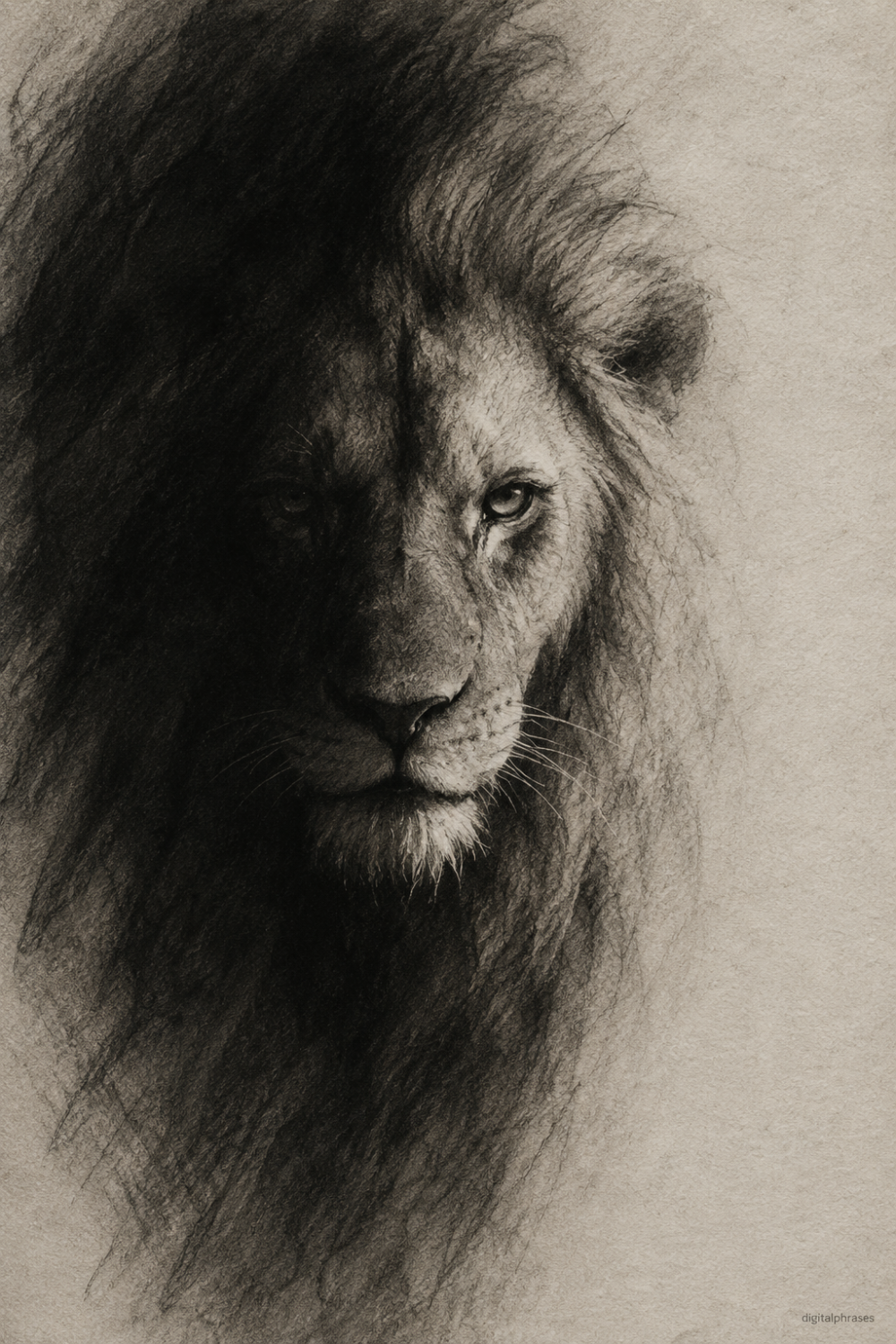
Shading brings a lion drawing to life by adding dimension and realism. Identify the direction of the light source before you begin shading. Darken areas beneath the mane, under the chin, and around the legs where shadows naturally occur. Use lighter shading on areas that catch the most light, such as the forehead and upper body.
Gradually build up tones instead of applying heavy shading all at once. Smooth transitions between light and dark areas will create a more realistic and professional-looking lion drawing.